
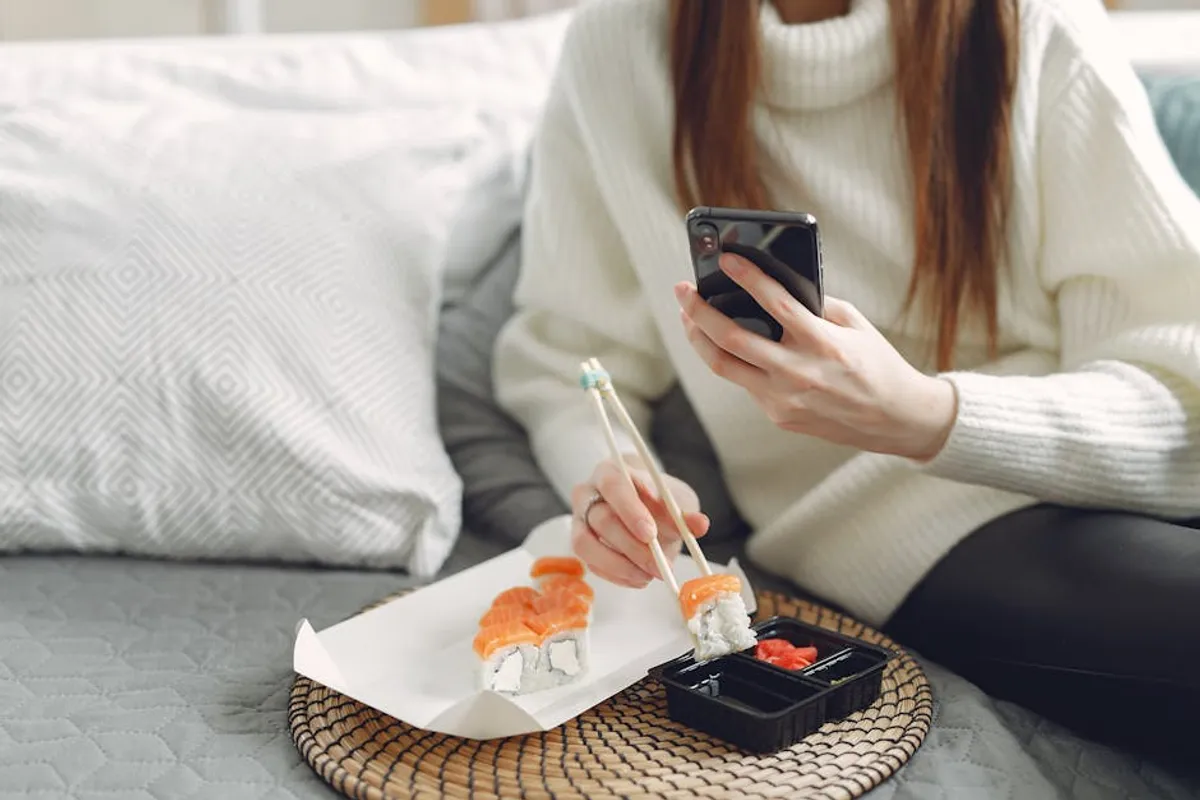
Understanding sushi etiquette is less about rigid rules and more about showing respect for the chef's artistry, the quality of the ingredients, and the cultural tradition of Japanese dining. While many casual sushi restaurants are forgiving, observing proper customs in more authentic or high-end establishments significantly enhances your dining experience and demonstrates appreciation. This guide outlines the essential practices that allow you to fully savor the nuances of sushi while navigating the social dynamics of the sushi bar with confidence. This guide outlines the essential practices for sushi dining, but if you're new to it, you might appreciate a more detailed beginner's overview.
Approaching the Sushi Bar and Seating
Choosing to sit at the sushi bar, rather than a table, often provides the most immersive experience. It allows for direct interaction with the itamae (sushi chef) and the opportunity to observe their craft firsthand. When seating yourself, be mindful of the space and avoid placing personal belongings on the counter that might interfere with the chef's workspace or the serving area.
Respecting the Itamae (Sushi Chef)
The itamae is a highly skilled artisan, and showing respect for their expertise is paramount. A simple nod or a quiet "konnichiwa" upon arrival is often appreciated. Avoid direct conversation with the chef if they are busy, and never interrupt their focus. Their primary role is to prepare your sushi with precision and care.
Seating Considerations
If dining with a group, it's common for the host or the most senior person to sit closest to the chef or in the most prominent position. Be aware of your surroundings and avoid overly loud conversations that could disrupt the serene atmosphere of the sushi bar or other diners.
Ordering and Engagement
Ordering sushi is an art in itself. It's traditional to start with lighter, milder fish and gradually move to richer, fattier cuts. This progression allows your palate to appreciate the subtle flavors without being overwhelmed too early.
Optimal Order Flow
Consider starting with white fish or leaner cuts like tai (sea bream) or hirame (flounder), then progressing to silver-skinned fish such as saba (mackerel), and finally to richer options like otoro (fatty tuna) or uni (sea urchin). If unsure, politely ask the itamae for recommendations, often referred to as omakase (chef's choice), which is a sign of trust in their judgment.
Interaction with the Chef
When the itamae places a piece of sushi before you, it is generally considered ready to eat. Avoid immediately dousing it in soy sauce or adding extra wasabi, as the chef has likely seasoned it to perfection. Acknowledge the dish with a slight bow or a quiet "itadakimasu" (a polite phrase said before eating).
Mastering Chopsticks and Hand-Eating
While chopsticks are common, knowing when and how to use them, or when to use your hands, is key to proper sushi etiquette.
Proper Chopstick Usage
Chopsticks are typically used for sashimi (sliced raw fish without rice) and maki rolls (rolled sushi). Hold them near the top for better balance and control. When not in use, place them neatly on the chopstick rest provided, or across your soy sauce dish.
- Never rub chopsticks together, as this implies they are cheap or splintery.
- Do not point with your chopsticks or use them to gesture.
- Avoid sticking chopsticks upright into a bowl of rice, as this resembles an offering at a funeral.
- Do not pass food directly from your chopsticks to another person's chopsticks.
- Never use chopsticks to spear food.
When to Use Your Hands (Nigiri)
For nigiri (fish over a small mound of rice), it is traditionally acceptable, and often preferred, to pick up the piece with your fingers. This allows for a more delicate grip, preventing the rice from breaking apart and ensuring the fish-to-rice ratio remains intact.
Navigating Condiments and Accompaniments
Condiments like soy sauce, wasabi, and gari (pickled ginger) are provided to complement, not overpower, the sushi.
Soy Sauce Application
Use soy sauce sparingly. Pour a small amount into the shallow dish provided. When dipping nigiri, turn the piece fish-side down and lightly touch only the fish to the soy sauce, avoiding the rice. Dipping the rice directly can cause it to absorb too much liquid, altering the flavor and potentially causing the piece to fall apart.
Wasabi and Gari (Pickled Ginger)
The itamae often places a small amount of fresh wasabi between the fish and rice of nigiri, perfectly balancing the flavors. Adding more wasabi to your soy sauce or directly to the sushi is generally discouraged, as it implies the chef's seasoning is insufficient. Gari is intended as a palate cleanser between different types of fish, not to be eaten with the sushi itself.
Pro Tip: When dipping nigiri into soy sauce, turn the piece fish-side down to prevent the rice from absorbing too much liquid and falling apart. Use a very light touch, as the chef has likely seasoned the fish already.
Eating Sushi: Bite by Bite
The way you consume each piece of sushi contributes to the overall experience and demonstrates appreciation for its preparation.
Nigiri Consumption
Ideally, nigiri should be eaten in a single bite. This ensures you experience the harmonious blend of fish, rice, and wasabi as intended. If a piece is too large, it is acceptable to take two bites, but try to keep the piece intact.
Sashimi and Maki Rolls
Sashimi, being just the fish, can be dipped lightly in soy sauce (with a tiny bit of wasabi if desired, mixed directly into the soy sauce, though some purists avoid this). Maki rolls are typically eaten in one or two bites, depending on their size, and can be dipped lightly in soy sauce.
Beverage Pairings and Toasts
Beverages play a role in the sushi experience, and specific customs apply.
Sake and Tea Etiquette
If drinking sake, it's customary to pour for others at the table, especially for elders or guests, and to allow others to pour for you. Never pour your own sake. Green tea (ocha) is a common and excellent accompaniment, serving as a palate cleanser throughout the meal. If offered, accept it gracefully.
Concluding the Meal Respectfully
The end of the meal also has its own set of customs.
Signaling Completion
When you are finished eating, place your chopsticks neatly on the chopstick rest or across your soy sauce dish. A simple "gochisōsama deshita" (thank you for the meal) directed towards the chef or server is a polite way to express gratitude.
Gratuity Practices
Tipping customs vary by region and establishment. In many Western countries, standard restaurant tipping practices apply. In Japan, tipping is generally not expected and can sometimes be seen as impolite, as excellent service is considered part of the standard. If you are in a Japanese restaurant outside of Japan, follow local tipping norms.
Practical Takeaways for Your Next Sushi Experience
Approaching sushi dining with an awareness of these etiquette points demonstrates respect and enhances your appreciation for the culinary art. Focus on savoring the delicate flavors, engaging respectfully with the itamae, and observing the traditions that make sushi such a unique and revered dining experience. Your attention to these details will not only elevate your meal but also show consideration for the culture it represents.
Frequently Asked Questions About Sushi Etiquette
Is it rude to ask for a fork instead of chopsticks?
While it's not ideal in an authentic sushi restaurant, a polite request for a fork can usually be accommodated if you genuinely struggle with chopsticks. It's better to ask than to struggle and potentially drop food or make a mess.
Should I mix wasabi into my soy sauce?
Generally, no. In traditional sushi dining, wasabi is already applied by the chef to the nigiri. Mixing it into your soy sauce is often seen as an unrefined practice, as it can overpower the delicate flavors of the fish.
Can I use my phone at the sushi bar?
Using your phone for quick photos is generally acceptable, especially if you're taking pictures of the food. However, extended phone calls, loud conversations, or excessive screen time can be disruptive to other diners and the chef, so it's best to keep usage minimal and discreet.
Is it okay to leave some rice if I'm full?
It's considered wasteful and somewhat impolite to leave rice, especially with nigiri. The chef carefully balances the fish-to-rice ratio. If you find yourself consistently leaving rice, consider ordering sashimi (fish without rice) or communicating your preference for smaller rice portions if available.