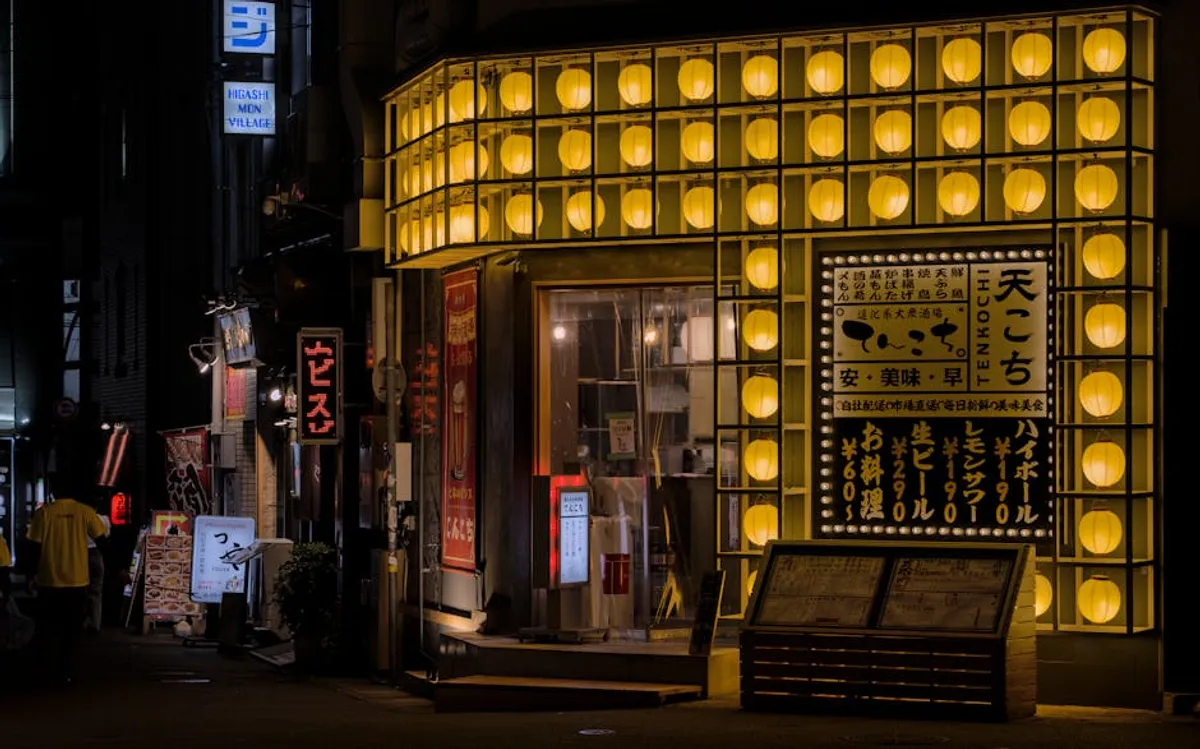
An izakaya represents a distinct segment within the Japanese culinary landscape, functioning as a casual drinking establishment that also serves a variety of small, often inexpensive, dishes. Unlike a formal restaurant or a specialized bar, an izakaya prioritizes a convivial atmosphere where food and drink are enjoyed concurrently and shared among patrons. This operational model fosters repeat visits and encourages extended stays, influencing everything from menu design to seating arrangements. For those seeking to understand Japanese dining culture, or for businesses evaluating new hospitality ventures, a detailed grasp of the izakaya concept is essential.
Historical Trajectory and Cultural Significance
The origins of the izakaya trace back to the Edo period (1603-1868), evolving from sake shops that allowed customers to drink on premises. The term "izakaya" itself combines "i" (to stay) and "sakaya" (sake shop), literally meaning a "sake shop where you can stay." Initially, these establishments offered simple snacks to accompany sake. Over centuries, their menus expanded significantly, incorporating a wide array of cooked dishes, becoming integral to Japan's social fabric as informal gathering places for workers and friends.
Culturally, izakayas serve as a vital third space—neither home nor work—where social bonds are strengthened. This environment is characterized by:
- Casual Ambience: Often bustling and sometimes noisy, designed for relaxation.
- Shared Plates: Encourages communal dining and sampling diverse flavors.
- Affordability: Historically offered accessible prices, though modern izakayas can vary.
- Extended Hours: Typically open late into the night, catering to after-work gatherings.
Core Elements of the Izakaya Experience
Understanding the operational and experiential components is key to appreciating an izakaya's unique appeal.
The Culinary Offering: Small Plates, Broad Diversity
The food menu is central, designed for sharing and complementing alcoholic beverages. Dishes are typically served in small portions, allowing diners to order multiple items throughout their visit. This format impacts kitchen operations, requiring efficient preparation of diverse, high-turnover items.
- Yakitori: Skewered and grilled chicken, often with various cuts and seasonings. A staple for its simplicity and flavor.
- Sashimi & Sushi: Fresh raw fish, though often less elaborate than dedicated sushi restaurants.
- Agemono: Deep-fried items like tempura (vegetables, seafood) or karaage (fried chicken).
- Nimono: Simmered dishes, offering comforting, savory options.
- Gyoza: Pan-fried dumplings, a popular appetizer.
- Salads & Pickles: Lighter options to balance richer dishes.
Commercial insight: A diverse small-plate menu allows for efficient ingredient utilization and caters to varied dietary preferences within a group, driving higher average checks through incremental ordering.
Beverage Program: Sake, Beer, and Beyond
Drinks are as crucial as the food, often serving as the primary draw. The selection reflects traditional Japanese preferences but also accommodates broader tastes.
- Sake: The cornerstone, offered in various grades (junmai, ginjo, daiginjo) and temperatures (hot or cold).
- Beer: Japanese lagers are ubiquitous, alongside craft options.
- Shochu: A distilled spirit, often mixed with water, soda, or fruit juice (chuhai).
- Highballs: Whiskey and soda, a popular, refreshing choice.
- Umeshu: Plum wine, sweet and often served on the rocks.
Marketing angle: Highlighting a curated sake list or unique shochu selections can differentiate an izakaya in a competitive market, attracting connoisseurs.
Atmosphere and Service Model
The ambiance is intentionally informal and lively. Seating often includes counter spots, small tables, and sometimes traditional tatami rooms. The service model encourages frequent, small orders rather than a single large one, and staff are trained to manage this dynamic flow.
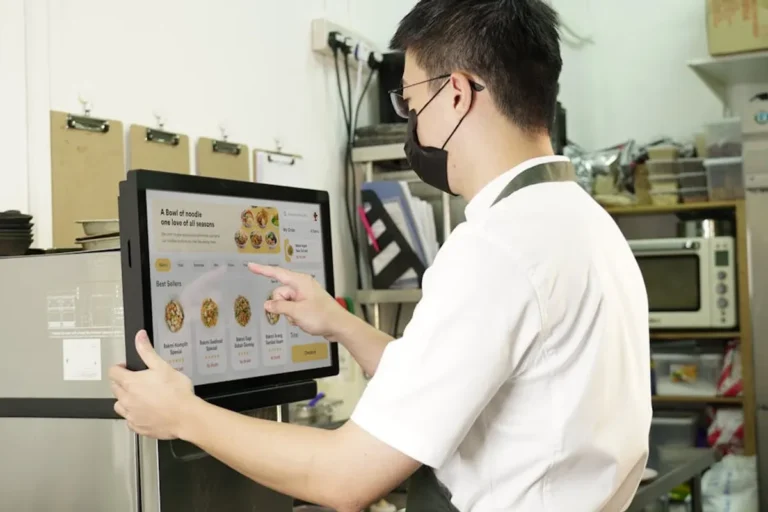
Pro Tip: For new izakaya operators, invest in a robust point-of-sale (POS) system capable of managing incremental orders and table-side additions. This streamlines service and enhances customer experience, directly impacting turnover and satisfaction.
Variations and Modern Adaptations
The izakaya concept is not monolithic; it has evolved into several distinct forms:
Traditional "Akachochin" Izakayas
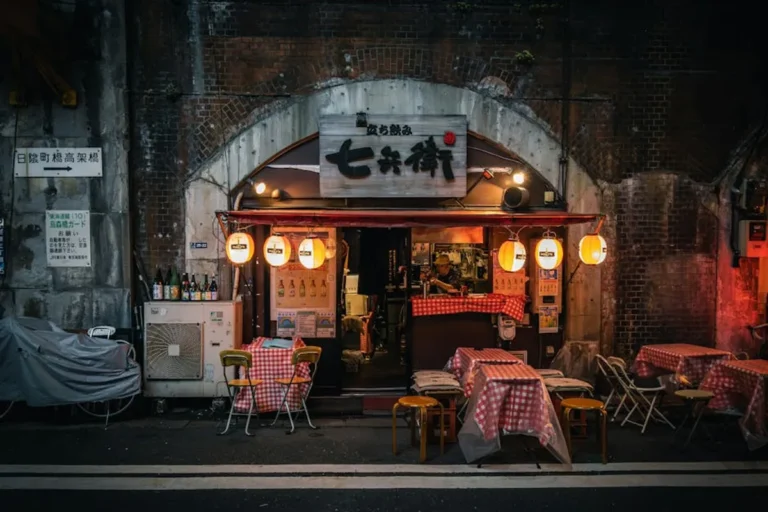
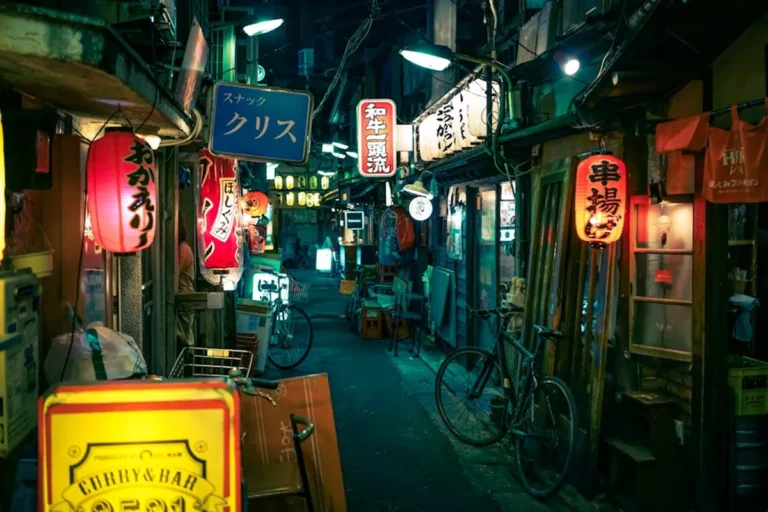
Named for their signature red lanterns, these are often older establishments, sometimes with a rustic charm. They typically offer a more limited, classic menu and emphasize local sake. Their appeal lies in authenticity and a nostalgic atmosphere.
Modern and Chain Izakayas
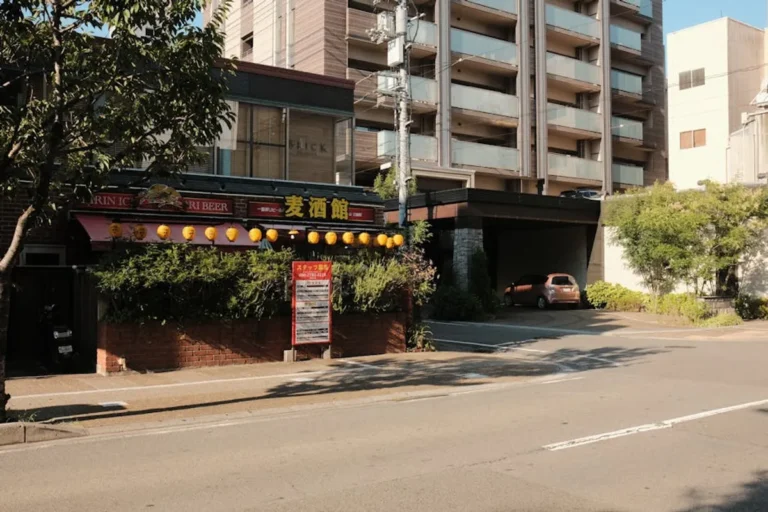
These establishments often feature contemporary decor, expanded menus with fusion dishes, and sometimes digital ordering systems. Chain izakayas prioritize consistency and efficiency, often catering to a younger demographic or larger groups. Their operational models are optimized for scale.
Specialty Izakayas
Some izakayas focus on a specific culinary niche, such as a yakitori-only izakaya, a seafood-centric "robatayaki" (charcoal grill) style, or those specializing in particular regional dishes. This specialization allows for deeper expertise and a more focused brand identity.
Operational Considerations for Hospitality Professionals
For businesses considering an izakaya model, several operational factors are critical:
Menu Engineering: The small-plate format demands careful menu engineering to balance ingredient costs, preparation time, and customer appeal. High-margin items should be strategically placed.
Staff Training: Staff must be knowledgeable about both food and drink, capable of making recommendations, and adept at managing multiple small orders per table. Understanding sake pairings is a significant asset.
Atmosphere Creation: Lighting, music, and seating arrangements are paramount in cultivating the desired lively, communal feel. Sound dampening may be necessary in some urban environments to manage noise levels while maintaining buzz.
Supply Chain Management: Sourcing fresh, high-quality ingredients for a diverse menu requires robust supplier relationships and efficient inventory management to minimize waste.
Navigating the Izakaya: A Practical Guide
Whether you're a first-time visitor or a seasoned diner, understanding common practices enhances the experience.
Otōshi: Upon being seated, many izakayas will serve a small appetizer (otōshi or tsukidashi) for which a small charge is added to the bill. This is standard practice and generally not optional.
Ordering: It's common to order drinks first, then a few dishes, and continue ordering more food and drinks as the evening progresses. Don't feel pressured to order everything at once.
Sharing: Dishes are meant to be shared. Placing them in the center of the table facilitates communal enjoyment.
Payment: When ready to leave, simply ask for the bill ("okaikei onegaishimasu"). Payment is usually made at the front counter.
Maximizing Engagement with the Izakaya Model
The izakaya concept offers a compelling blend of cultural authenticity and commercial viability. Its adaptability, from traditional neighborhood spots to modern, themed chains, demonstrates its enduring appeal. For marketers, the focus should be on highlighting the social experience, the diversity of offerings, and the specific atmosphere unique to each establishment. For operators, success hinges on efficient kitchen management, a well-curated beverage program, and a commitment to fostering a vibrant, welcoming environment. Understanding these elements allows for a more strategic approach to both experiencing and leveraging the izakaya model.
Frequently Asked Questions
What is the main difference between an izakaya and a traditional Japanese restaurant?
An izakaya primarily functions as a casual drinking establishment that serves small, shareable dishes to accompany alcoholic beverages, emphasizing a lively, communal atmosphere. A traditional Japanese restaurant typically focuses more on a structured meal, larger individual portions, and a broader range of culinary styles.
Is an izakaya expensive?
Prices at izakayas vary widely, but they are generally considered more affordable than formal restaurants. The small-plate format allows diners to control their spending by ordering incrementally, making it possible to have a satisfying experience without a large upfront commitment.
What are some must-try dishes at an izakaya?
Popular and often recommended dishes include yakitori (grilled skewers), karaage (fried chicken), gyoza (dumplings), various sashimi and sushi options, and tempura. Exploring the daily specials board often yields unique seasonal offerings.
Are reservations usually required for an izakaya?
For smaller, more traditional izakayas, reservations might not be strictly necessary, especially during off-peak hours. However, for popular establishments, larger groups, or during weekend evenings, making a reservation is advisable to ensure seating.