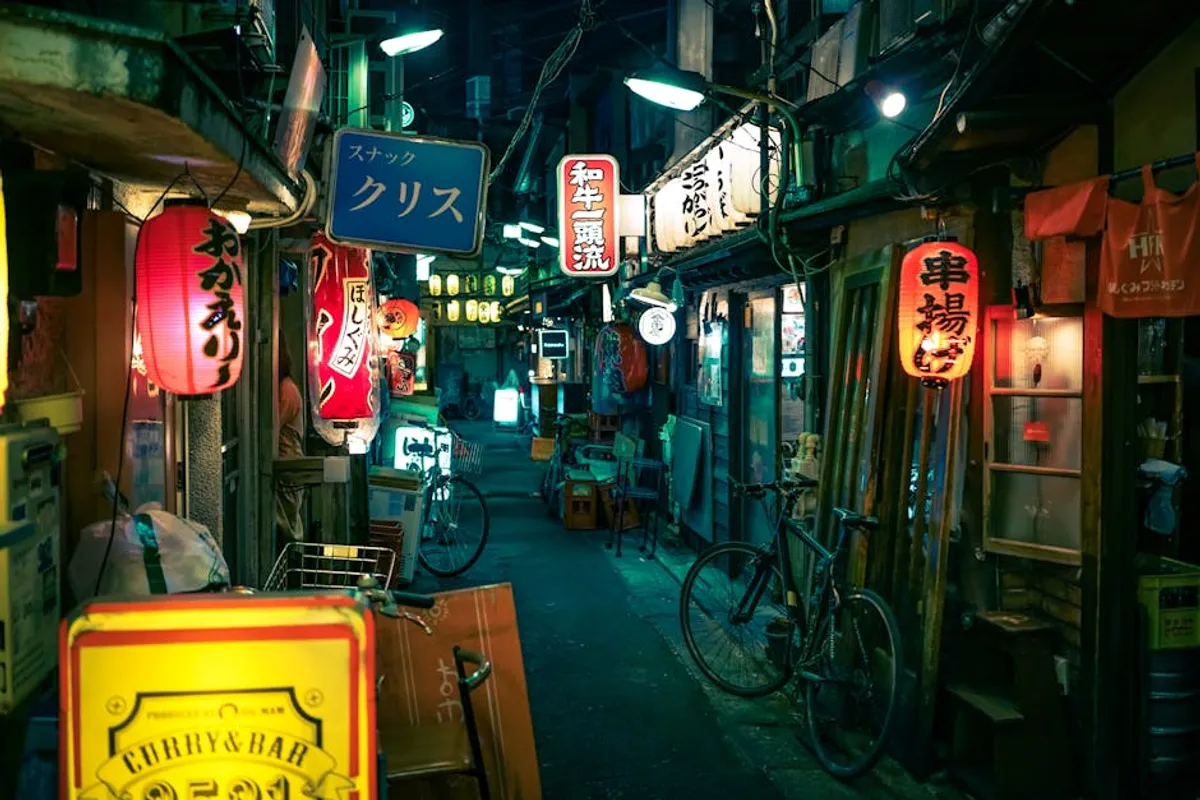
The izakaya landscape, a vibrant segment of the global culinary scene, continuously evolves. For those creating izakaya guides – whether for local discovery platforms, travel publications, or niche food blogs – understanding current and emerging trends is not merely about staying current; it is a commercial imperative. Guides that accurately reflect the prevailing consumer interests and operational shifts within the izakaya sector capture higher search visibility, attract more engaged audiences, and provide genuinely useful information. This directly translates into increased organic traffic, stronger brand authority, and enhanced opportunities for monetization through relevant partnerships or advertising.
The following outlines key trends shaping the izakaya experience, offering actionable insights for content creators aiming to produce authoritative and commercially valuable guides.
Evolving Culinary Landscapes
Izakaya menus are moving beyond standard offerings, driven by consumer demand for novelty, authenticity, and dietary considerations. Guides should highlight these specific culinary shifts to provide targeted value.
Regional Specialization and Niche Menus
While classic izakaya staples like yakitori and sashimi remain popular, a significant trend involves deeper dives into regional Japanese cuisine. Establishments are specializing in dishes from specific prefectures (e.g., Okinawan goya champuru, Fukuoka's motsunabe), or focusing on a single ingredient with multiple preparations (e.g., dedicated oyster izakayas, or those specializing in specific cuts of wagyu). For guide creators, this means moving beyond generic descriptions. Detail the provenance of ingredients, the specific preparation methods, and the unique cultural context of these specialized offerings. This depth allows for long-tail keyword targeting and positions a guide as a definitive resource.
Commercial Application: Feature izakayas known for authentic regional dishes. Include specific dish names and their origins. This attracts users searching for unique culinary experiences.
Plant-Based and Health-Conscious Adaptations
The global rise of plant-based diets and health consciousness has permeated the izakaya scene. Many establishments are now offering dedicated vegetarian, vegan, and gluten-free options that go beyond simple salads. This includes plant-based yakitori, creative vegetable tempura, and soy-based protein dishes designed to replicate traditional textures and flavors. Guides that actively identify and review these options cater to a growing demographic, expanding their potential audience reach and demonstrating an understanding of modern dietary needs.
- Highlight specific plant-based dishes and their ingredients.
- Mention izakayas with clearly marked dietary menus.
- Include details on allergen information availability.
- Discuss the quality and creativity of non-meat offerings.
Experience-Driven Environments
Beyond the food, the izakaya experience is defined by its atmosphere and service. Guides should capture these experiential nuances to help readers choose establishments that align with their desired social setting.
Immersive Design and Theme Integration
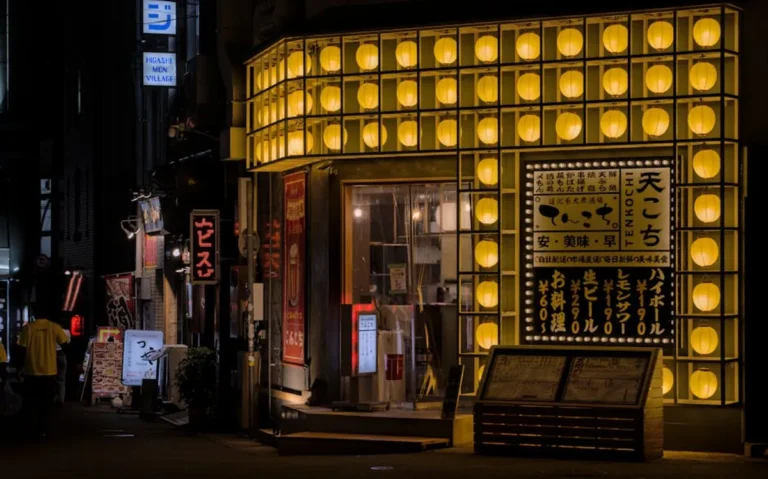
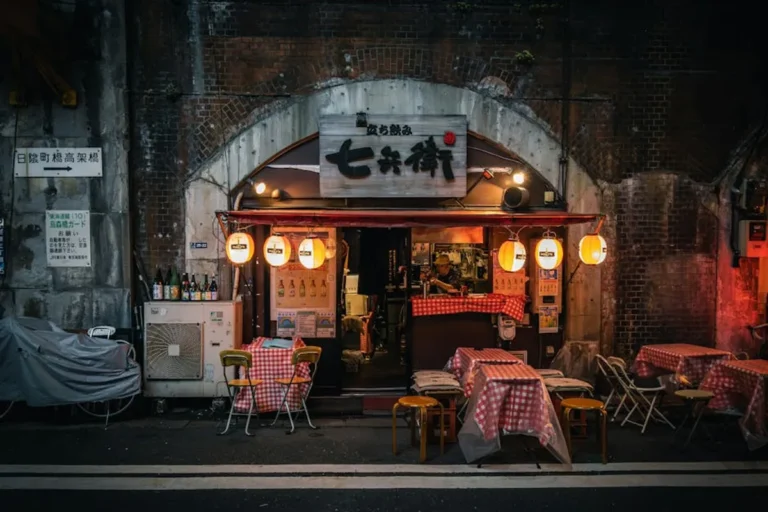
Modern izakayas are increasingly investing in distinctive interior design and thematic elements to create memorable environments. This can range from retro Showa-era aesthetics to minimalist Zen gardens, or even specific cultural themes like fishing villages or anime. These design choices contribute significantly to the overall dining experience and are often a primary draw for patrons seeking Instagrammable moments or unique social backdrops. Guides benefit from high-quality imagery and descriptive language that conveys the ambiance, informing readers seeking specific vibes.
Best for: Guides targeting younger demographics or tourists looking for distinctive cultural experiences.
Technology-Enhanced Service
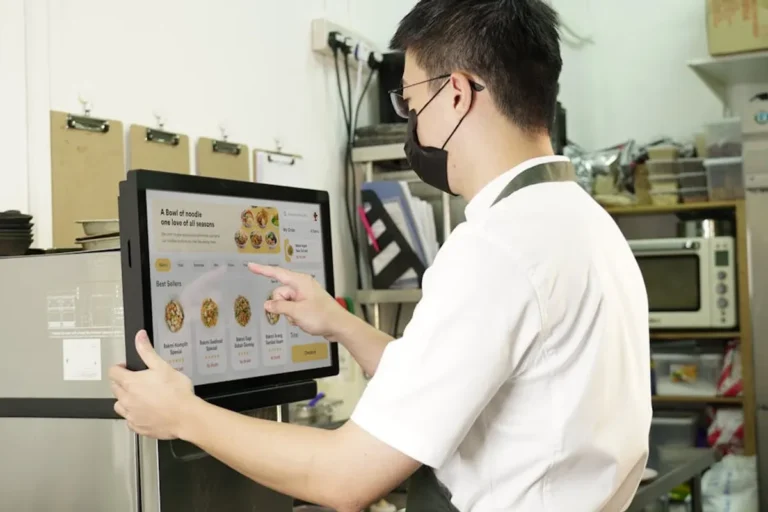
Technology is subtly integrating into the izakaya experience, from QR code menus and tablet ordering systems to advanced reservation platforms. Some establishments use subtle digital displays for specials or even gamified elements. While maintaining traditional hospitality, these technological integrations streamline service, improve efficiency, and enhance the customer journey. Guides should note the presence and effectiveness of these tools, as they can influence convenience and accessibility for diners.
Pro Tip: When evaluating izakaya trends for your guide, prioritize those with demonstrable consumer demand. Monitor search query data for terms like "vegan yakitori," "themed izakaya," or "regional sake bar" to confirm emerging interest before investing heavily in content creation around a nascent trend. This data-driven approach ensures your guide remains commercially relevant.
Sustainability and Sourcing Transparency
Consumer awareness regarding environmental impact and ethical sourcing is influencing dining choices. Izakayas that address these concerns are gaining favor.
Local Ingredients and Ethical Supply Chains
A growing number of izakayas emphasize sourcing local, seasonal ingredients and transparent supply chains. This includes direct relationships with local farmers, sustainable fishing practices, and a commitment to reducing food miles. Guides that highlight these practices appeal to environmentally conscious diners and provide valuable information for those seeking fresh, high-quality ingredients. Detailing these commitments adds a layer of trust and authenticity to the guide's recommendations.
Waste Reduction Initiatives
From composting programs and reduced single-use plastics to creative uses for food scraps, izakayas are adopting various waste reduction strategies. Documenting these efforts in a guide not only informs readers but also positions the featured establishments, and by extension the guide itself, as forward-thinking and responsible. This trend aligns with broader societal values and can be a significant differentiator for businesses and content alike.
Digital Engagement and Accessibility
A strong online presence and seamless digital interactions are critical for discoverability and customer acquisition in today's market.
Online Presence and Reservation Systems
The expectation for izakayas to have a robust online presence – including up-to-date websites, active social media profiles, and reliable online reservation systems – is now standard. Guides should evaluate and mention the ease of booking, the clarity of online menus, and the responsiveness of digital communication channels. This directly impacts user experience and conversion rates for both the izakaya and the guide recommending it.
Curated Takeout and Delivery Experiences
While izakayas are traditionally dine-in establishments, the demand for high-quality takeout and delivery options has led many to adapt. This often involves specially designed packaging, curated meal sets, and partnerships with delivery platforms. Guides should assess the quality and availability of these off-premise dining options, providing value to readers who prefer to enjoy izakaya fare at home or in other settings.
Synthesizing Trends for Commercial Advantage
Integrating these trends into an izakaya guide transforms it from a simple listing into a dynamic, authoritative resource. By detailing niche culinary offerings, immersive experiences, sustainable practices, and robust digital engagement, guides can capture diverse search intents and serve a broader, more discerning audience. This strategic approach ensures long-term relevance, enhances SEO performance, and solidifies the guide's position as a go-to source for izakaya discovery.
Frequently Asked Questions
How often do izakaya trends typically shift?
Major izakaya trends often evolve over 2-5 years, influenced by broader culinary movements, economic factors, and shifting consumer demographics. Minor culinary or experiential nuances can emerge and fade more rapidly, within 6-12 months.
What role does local culture play in izakaya trends?
Local culture is fundamental. Trends often originate from or are heavily influenced by regional Japanese culinary traditions, local ingredient availability, and community preferences. Guides should always contextualize trends within their specific cultural or geographical setting.
How can I verify a trend's longevity for my guide?
Assess a trend's longevity by observing its adoption across multiple establishments, monitoring sustained media coverage in reputable food publications, and analyzing consistent search interest over time. Trends driven by fundamental shifts in consumer values (e.g., sustainability) tend to have greater staying power.
Should izakaya guides focus on global or local trends?
A balanced approach is most effective. While global culinary movements (like plant-based eating) influence izakayas worldwide, local adaptations and unique regional offerings often provide the most compelling and differentiated content for a guide.