
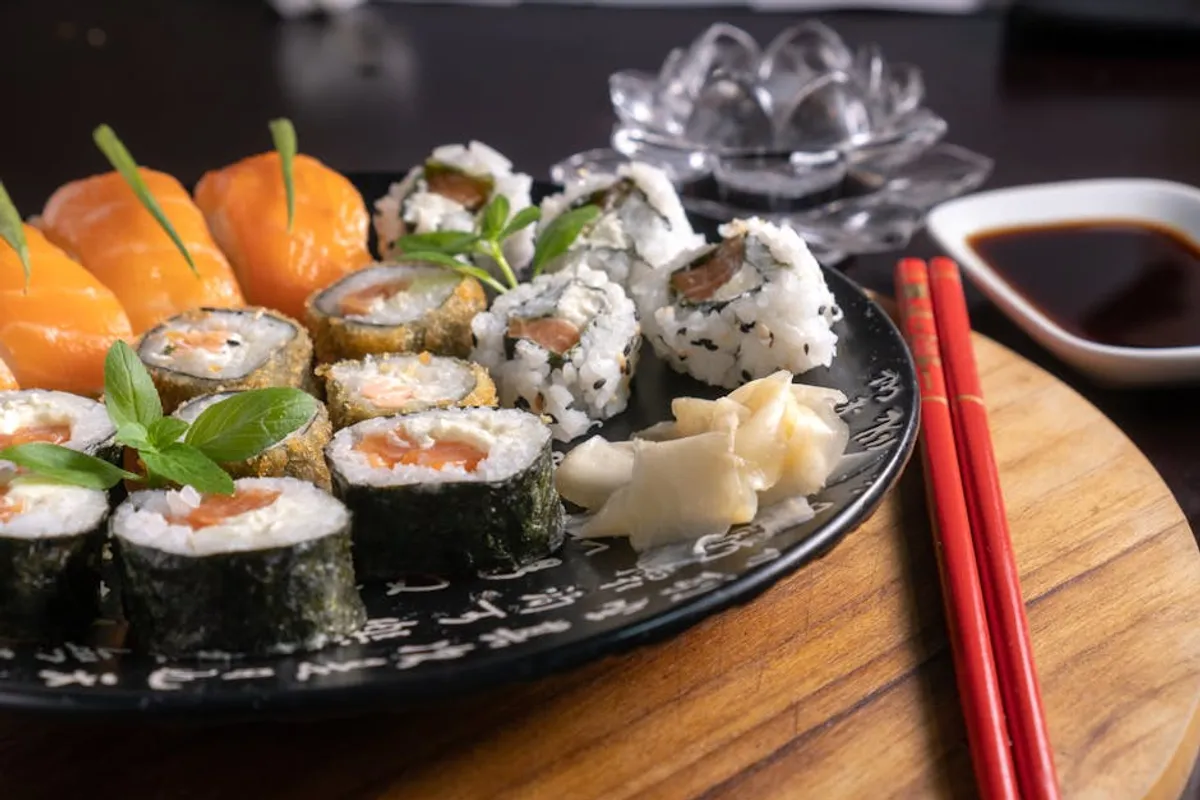
Navigating a sushi meal, especially for the first time, can feel like stepping into a complex culinary tradition. Beyond simply enjoying the flavors, understanding sushi etiquette enhances the experience for diners, chefs, and fellow patrons. This guide details the essential customs and practices, enabling you to approach your next sushi outing with confidence and respect for the art form.
Understanding the Sushi Bar Environment
The sushi bar is more than just a place to eat; it's a stage where chefs perform their craft. Recognizing this dynamic sets the tone for a respectful dining experience.
Seating and Chef Interaction
When dining at a sushi bar, sitting directly at the counter offers a unique opportunity to observe the chef's skill. This proximity allows for direct interaction, which is often encouraged. A simple greeting or a nod of appreciation can establish a positive rapport. Avoid overly loud conversations or disruptive behavior, as the focus is on the culinary artistry. Direct questions about ingredients or preparation are generally welcome, but refrain from offering unsolicited advice or criticism.
Omakase vs. A La Carte
Understanding the menu structure is crucial. An Omakase experience means "I'll leave it up to you," entrusting the chef to select and serve a progression of dishes. This is often the pinnacle of sushi dining, showcasing the chef's expertise and the freshest seasonal ingredients. If opting for Omakase, be prepared for a curated journey and avoid making specific requests unless you have dietary restrictions. A La Carte dining, conversely, allows you to select individual pieces or rolls. This is suitable for those with specific preferences or a desire to explore particular items. When ordering à la carte, consider starting with lighter fish and progressing to richer, fattier cuts.
Mastering Chopsticks and Alternatives
Chopsticks are the primary utensil for sushi, but knowing when and how to use them correctly is part of the etiquette.
Proper Chopstick Handling
Hold chopsticks with your dominant hand, similar to how you'd hold a pen. The bottom chopstick remains stationary, resting between your ring finger and the base of your thumb. The top chopstick is movable, controlled by your thumb, index, and middle fingers. Avoid pointing your chopsticks at others, using them to spear food, or rubbing them together excessively (which implies the chopsticks are cheap). When not in use, place them neatly on the chopstick rest or across your soy sauce dish, never sticking upright in your rice bowl.
When to Use Hands
While chopsticks are standard, certain sushi types are traditionally eaten by hand. Nigiri (sliced fish over pressed rice) and Temaki (hand rolls) are often consumed with fingers. This allows for better control and helps maintain the integrity of the rice and fish. Using hands for these items is not considered impolite; rather, it’s a nod to tradition. For sashimi or rolls, chopsticks are generally preferred.
Navigating Your Sushi Order
The sequence and method of consuming sushi elements contribute to the overall experience.
Order of Consumption
A common practice is to start with lighter, white-fleshed fish before moving to richer, darker, or fattier varieties. This progression allows your palate to appreciate the subtle flavors without being overwhelmed. If ordering multiple types of sushi, consider eating one piece at a time rather than accumulating several on your plate. This ensures each piece is enjoyed at its freshest.
Wasabi and Ginger (Gari) Usage
Wasabi is often served alongside sushi. For nigiri, the chef typically applies the appropriate amount between the fish and the rice, making additional application unnecessary. If you prefer more, apply a small dab directly to the fish, not into your soy sauce. Gari (pickled ginger) serves as a palate cleanser between different types of sushi, refreshing your taste buds. Eat a small piece of gari between different fish to fully appreciate the distinct flavors of each. It is not meant to be eaten with the sushi itself.
Soy Sauce Application
Use soy sauce sparingly. For nigiri, dip only the fish side into the soy sauce, not the rice. The rice can absorb too much soy sauce, altering the intended flavor balance and causing the piece to fall apart. For sashimi, a light dip of the fish is sufficient. Avoid creating a "soup" of soy sauce and wasabi in your dish; this practice is generally considered a faux pas. If the chef prepares a special sauce, use that instead of soy sauce.
Pro Tip: When dipping nigiri into soy sauce, turn the piece fish-side down. This prevents the rice from soaking up too much sauce and allows the fish to absorb the flavor directly, preserving the chef's intended balance.
Eating Nigiri, Sashimi, and Rolls
Each form of sushi has a specific, traditional way of being eaten to maximize enjoyment.
Nigiri: One Bite, Fish Down
Nigiri is designed to be eaten in a single bite. If a piece is too large, it is acceptable to ask the chef to cut it in half, though this is less common. When eating nigiri, turn it so the fish touches your tongue first. This allows the primary flavor of the fish to register before the texture and subtle seasoning of the rice. As mentioned, use your hands for nigiri if preferred.
Sashimi: Pure Flavor
Sashimi, thinly sliced raw fish without rice, is typically eaten with chopsticks. Dip one edge of the fish lightly into soy sauce, then consume. It is the purest expression of the fish's flavor and texture. A small amount of wasabi can be applied directly to the fish if desired, but avoid mixing it into the soy sauce.
Maki and Temaki: Casual Enjoyment
Maki (rolled sushi) can be eaten with chopsticks or by hand. These are often larger and may require two bites, though one bite is ideal if possible. Temaki (hand rolls) are meant to be eaten immediately after being served, as the nori (seaweed) can quickly lose its crispness. They are always eaten by hand, starting from the open end.
Drinks and Tipping
Beverage choices and gratuity practices also form part of the dining etiquette.
Sake, Tea, and Water Pairings
Traditional drinks include green tea, which acts as a palate cleanser, and sake, a rice wine. When drinking sake with others, it is customary to pour for your companions and allow them to pour for you. Avoid pouring your own sake. Water is always an acceptable choice. While beer is common, avoid strong, heavily flavored beverages that might overpower the delicate taste of the sushi.
Tipping Customs
Tipping practices vary by region and establishment. In many Western countries, a standard 15-20% tip for good service is customary, including at sushi restaurants. If dining at a high-end Omakase establishment, a slightly higher tip may be appropriate, especially if the chef provided exceptional interaction and a memorable experience. Always check local customs if unsure.
Elevating Your Dining Experience
Adhering to sushi etiquette is not about rigid rules, but about showing respect for the chef's artistry, the quality of the ingredients, and the dining tradition itself. By understanding these customs, you contribute to a more enjoyable and authentic experience for everyone at the table. Your awareness demonstrates appreciation, which is often reciprocated through exceptional service and a deeper connection to the culinary journey.
Frequently Asked Questions
Q: Is it rude to ask for a fork instead of chopsticks?
A: While chopsticks are traditional, it is generally acceptable to politely ask for a fork if you are uncomfortable using chopsticks. Most establishments will readily provide one.
Q: Can I dip my sushi in both soy sauce and wasabi mixed together?
A: Traditionally, wasabi is applied directly to the fish, and soy sauce is used sparingly. Mixing them into a paste is generally considered unconventional and can overpower the sushi's delicate flavors.
Q: What is the proper way to eat miso soup?
A: Miso soup is typically served in a small bowl. You can pick up the bowl and drink the broth directly. Use your chopsticks to eat any solid ingredients like tofu or seaweed.
Q: Should I eat all the rice with my sushi?
A: Yes, the rice is an integral part of the sushi and is carefully seasoned. Leaving rice behind is considered wasteful and disrespectful to the chef's craft.