Crafting an authoritative izakaya guide offers a clear commercial advantage, attracting a highly specific audience actively seeking dining experiences. For businesses in travel, hospitality, or local content publishing, a well-executed guide translates directly into qualified traffic and potential conversions. The decision to invest in such a guide centers on its ability to serve user intent comprehensively, from initial discovery to booking or visiting. This requires a strategic blend of detailed local knowledge, robust SEO practices, and an intuitive user experience, ensuring the guide ranks prominently and satisfies its readers. Investing in this strategic content creation process means adhering to best practices for an izakaya guide to maximize its impact and reach.
Audience-Centric Content Strategy
Identifying Your Target Demographic
Understanding who you are writing for dictates the guide's focus and depth. A guide aimed at first-time tourists visiting Tokyo will emphasize different details than one targeting local food enthusiasts in Kyoto. Tourists often prioritize English menus, clear directions from major landmarks, and an explanation of basic izakaya etiquette. Locals, conversely, may seek out hidden gems, specific regional dishes, or establishments known for their unique sake selections. Define your primary audience early to tailor content effectively. For instance, a guide for budget travelers should highlight average meal costs and affordable drink options, while a luxury-focused guide might detail private room availability and rare sake offerings.
Keyword Research for Discovery
Effective keyword research is foundational for an izakaya guide's visibility. Focus on long-tail keywords that reflect specific user queries. Examples include "best izakaya Shinjuku private rooms," "vegan izakaya Kyoto Station," or "yakitori izakaya Osaka with English menu." Incorporate geographic modifiers (city, district, nearest station), specific dish names (e.g., "sashimi izakaya," "karaage izakaya"), and experience-based terms (e.g., "lively izakaya," "quiet izakaya," "traditional izakaya"). Analyze search intent behind these queries; some users seek basic information, others are ready to book. Tools that show search volume and competition for these specific phrases will inform which terms to prioritize for content creation and optimization.
Structuring for User Experience and SEO
Essential Guide Components
A comprehensive izakaya guide must provide actionable information. Each listing or section should include:
- Location Details: Full address, clear map integration (e.g., Google Maps embed), nearest train or subway station, and precise walking directions.
- Operating Hours: Daily opening and closing times, including any special holiday hours or temporary closures.
- Reservation Policy: Whether reservations are recommended, required, or not accepted, and how to make them (phone, online system).
- Menu Highlights: Popular dishes, signature drinks, average price range per person, and an indication of dietary options (vegetarian, vegan, gluten-free).
- Atmosphere and Vibe: A concise description of the restaurant's ambiance (e.g., bustling, intimate, traditional, modern, family-friendly).
- Payment Methods: Accepted credit cards, cash-only policy, or mobile payment options.
- Language Support: Availability of English menus, English-speaking staff, or picture menus.
- Accessibility Information: Details on wheelchair access, elevator availability, or counter seating versus table seating.
Navigational Design and Internal Linking
For long-form guides covering multiple izakayas or regions, a clear navigational structure is critical. Implement a sticky table of contents for easy jumping to specific sections. Categorize izakayas by region, price point, specialty (e.g., seafood, yakitori), or ambiance. Employ internal linking strategically, connecting individual izakaya listings to broader regional guides, cultural etiquette articles, or related food categories. This not only improves user flow but also distributes link equity, enhancing the SEO value of your entire content cluster.
Visual Content Integration
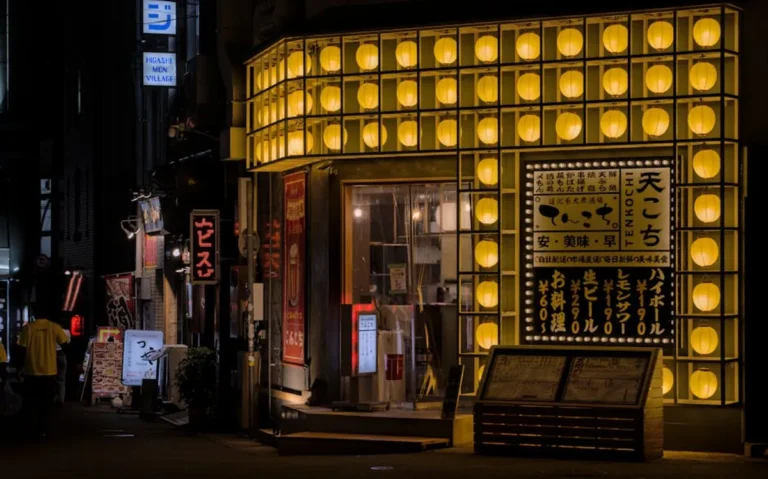
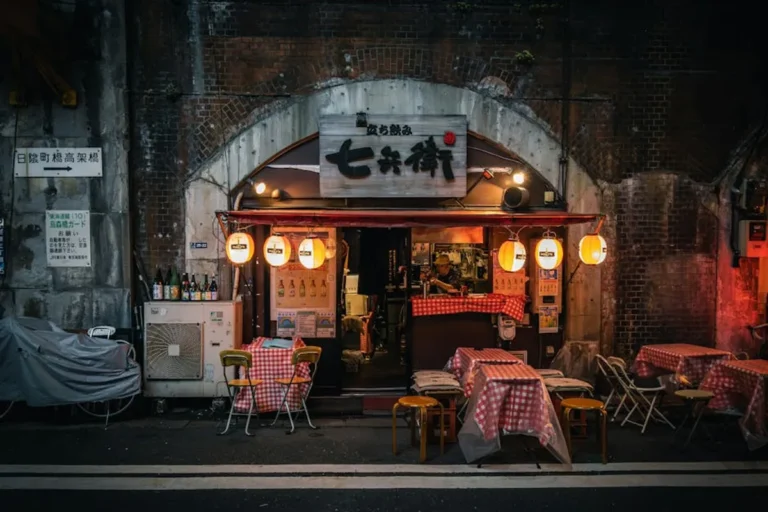
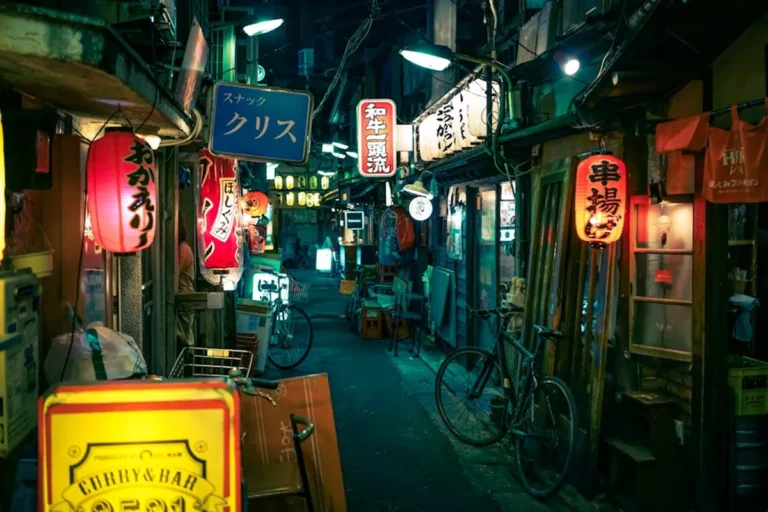
High-quality visuals are non-negotiable for food and travel content. Include professional photographs of the food, interior, and exterior of each izakaya. Images should be well-lit, visually appealing, and accurately represent the establishment. Consider short video clips (15-30 seconds) showcasing the atmosphere, the chef at work, or the presentation of a signature dish. All images and videos must be optimized for web performance: compress file sizes without sacrificing quality, use descriptive filenames, and implement accurate alt text for accessibility and SEO. Alt text should describe the image content, for example, "grilled yakitori skewers with tare sauce at Shinjuku izakaya."
Crafting Engaging and Authoritative Copy
Balancing Descriptive Detail with Conciseness
The narrative should be both informative and evocative. Use sensory language to describe dishes ("smoky aroma of grilled skewers," "umami-rich dashi broth," "crisp, refreshing sake"). However, avoid excessive prose that obscures practical details. Each description should offer a clear takeaway about what makes that izakaya unique. For instance, instead of "good food," specify "freshly caught sashimi flown in daily from Tsukiji" or "masterfully crafted yakitori using binchotan charcoal."
Incorporating Local Insights and Cultural Nuances
An authoritative guide goes beyond basic listings by offering cultural context. Explain common izakaya etiquette, such as otoshi (appetizer charge), ordering customs, or how to properly toast. Highlight regional specialties, unique ingredients, or specific preparation methods. Including personal anecdotes or recommendations from local experts or frequent visitors can add authenticity and a unique voice to your guide, making it more trustworthy and engaging. This depth differentiates your content from generic travel blogs.
Pro Tip: When incorporating cultural insights, ensure accuracy and sensitivity. Misrepresenting customs or providing incorrect etiquette advice can undermine your guide's authority and alienate readers. Always cross-reference cultural information with reliable local sources.
Technical SEO and Promotion
Schema Markup Implementation
Leverage structured data to enhance your guide's visibility in search results. Implement Restaurant schema for individual izakaya listings, including properties like name, address, phone number, opening hours, price range, and cuisine type. If applicable, use Review schema for aggregated ratings. This markup helps search engines understand your content better and can lead to rich snippets, improving click-through rates.
Mobile-First Optimization
A significant portion of users accessing izakaya guides will be on mobile devices, often while traveling or actively searching for a place to eat. Ensure your guide is fully responsive, loads quickly on mobile networks, and offers an intuitive touch-friendly interface. Prioritize clear calls to action (e.g., "Call Now," "Get Directions") and easily digestible content blocks. Page speed optimization, including efficient image loading and minimized code, is critical for a positive mobile user experience.
Distribution and Link Building
Once published, actively promote your guide. Share it across relevant social media channels, focusing on platforms popular with your target audience (e.g., Instagram for food visuals, Pinterest for travel planning). Reach out to travel bloggers, food critics, local news outlets, and tourism boards who might be interested in linking to or featuring your comprehensive resource. Guest posting on complementary websites within the travel or food niche can also drive targeted traffic and build valuable backlinks, signaling authority to search engines.
Practical Implementation: Maintaining Relevance
An izakaya guide is not a static document; it requires ongoing maintenance to remain valuable. Regularly verify operating hours, menu changes, and reservation policies, especially after major holidays or seasonal shifts. Monitor user reviews and feedback to identify new popular establishments or areas requiring more coverage. Expand your guide based on emerging food trends, new izakaya openings, or shifts in audience interest. This commitment to accuracy and expansion ensures your guide remains a trusted and go-to resource.
Frequently Asked Questions
What is the most important element of an effective izakaya guide?
The most important element is accuracy and utility, ensuring all practical information (hours, location, menu, reservations) is correct and easy to find, directly supporting a user's decision-making process.
How often should an izakaya guide be updated?
An izakaya guide should be reviewed and updated at least quarterly, or immediately if significant changes (closures, new menus, altered hours) are reported or discovered. This ensures information remains current and reliable.
Can an izakaya guide benefit from user-generated content?
Yes, integrating user-generated content like reviews, ratings, or photo submissions can enhance authenticity and provide diverse perspectives, provided it is moderated to maintain quality and relevance.
What role does visual content play in an izakaya guide?
Visual content, such as high-quality photos and short videos, is crucial for showcasing the food and atmosphere, significantly influencing user engagement and driving interest in visiting the featured izakayas.