
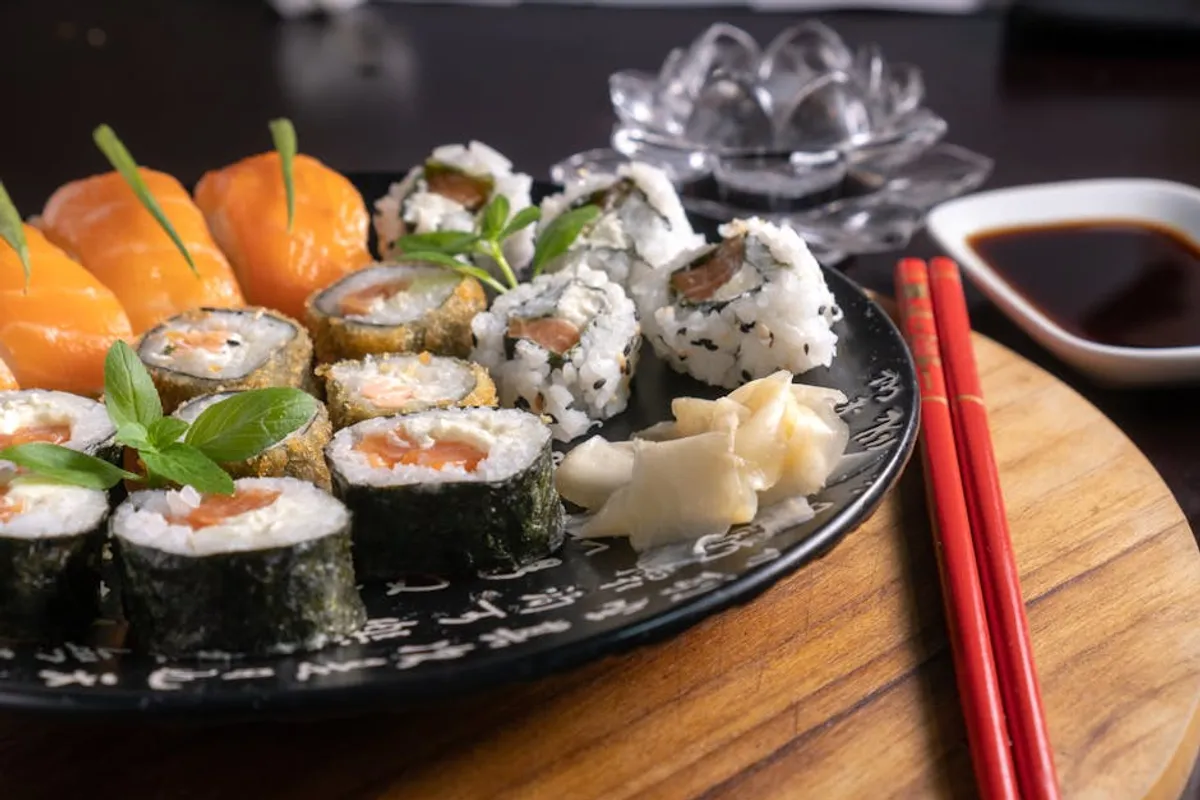
Navigating a sushi meal extends beyond simply eating; it involves a nuanced understanding of cultural traditions that enhance the dining experience. Adhering to proper sushi etiquette signals respect for the chef’s craft, the quality of the ingredients, and the cultural heritage embodied in each piece. For those seeking to fully appreciate authentic Japanese cuisine, understanding these unwritten rules transforms a meal into an immersive cultural interaction. This overview provides a practical guide to the established customs, ensuring a more informed and enjoyable visit to a sushi restaurant. This overview provides a practical guide to the established customs, ensuring a more informed and enjoyable visit to a sushi restaurant, and you can find more on sushi etiquette best practices.
Understanding the Core Principles of Sushi Etiquette
At its heart, sushi etiquette is built upon reverence for the food, the preparation, and the environment. This foundational respect guides many of the specific actions and considerations detailed below, emphasizing freshness, precision, and the relationship between diner and chef.
Respect for the Chef (Itamae)
The sushi chef, or itamae, is a master artisan whose years of training are evident in every cut and presentation. Showing respect for the itamae is paramount. This includes avoiding excessive communication unless initiated by the chef, trusting their recommendations (especially during an omakase, or chef’s choice, experience), and refraining from critiques or alterations to their prepared pieces. The itamae meticulously balances flavors and textures; adding extra soy sauce or wasabi without consideration can be seen as undermining their expertise. A simple nod or a quiet "oishii" (delicious) conveys appreciation effectively.
The Role of Freshness and Presentation
Sushi is a perishable art form, designed to be consumed shortly after preparation to ensure optimal flavor and texture. Etiquette around eating speed and handling reflects this. Each piece is crafted for immediate enjoyment, allowing the diner to experience the precise temperature and ingredient integrity. Disrupting the presentation, such as excessive dipping or disassembling a piece, detracts from the chef's intention and the freshness of the ingredients.
Navigating the Sushi Bar Experience
The sushi bar itself is often considered the best seat in the house, offering a direct view of the chef's artistry and facilitating a more personal dining experience. Specific customs apply to ordering, consumption, and interaction.
Seating and Ordering
When seated at the sushi bar, it is customary to order directly from the itamae. If opting for omakase, simply state your preference and any dietary restrictions; the chef will then curate your meal. Otherwise, order a few pieces at a time rather than a large batch, allowing the chef to prepare each item fresh and maintain a steady pace. This also ensures you consume each piece at its peak quality.
Chopsticks vs. Hands
For nigiri (fish over rice), it is perfectly acceptable, and often preferred, to use your hands. This allows for a firmer grip and helps maintain the integrity of the rice. For sashimi (sliced raw fish without rice) and other items like rolls (maki), chopsticks are the appropriate utensil. When using chopsticks, avoid rubbing them together (which implies they are cheap or poorly made) or pointing them at people or food. When not in use, place them neatly on the chopstick rest or parallel to the edge of your plate.
Soy Sauce and Wasabi Application
This is a critical area of etiquette. For nigiri, dip only the fish side into the soy sauce, not the rice. The rice is delicate and can absorb too much soy, overpowering the fish and causing the piece to fall apart. Many chefs pre-season their nigiri with the appropriate amount of soy sauce or other dressings; in such cases, additional dipping is unnecessary. Avoid mixing wasabi directly into your soy sauce; the itamae has already placed the correct amount of wasabi between the fish and rice. If you desire more wasabi with sashimi, apply a small amount directly to the fish before dipping.
Ginger (Gari) and Its Purpose
The thin slices of pickled ginger, known as gari, are not meant to be eaten with the sushi. Instead, they serve as a palate cleanser between different types of fish, refreshing your taste buds and preparing them for the next flavor profile. Eat a small piece of gari between distinct sushi courses.
Miso Soup and Green Tea
Miso soup is typically served at the beginning or end of the meal. It is consumed directly from the bowl, using chopsticks for any solids. Green tea (ocha) is a customary beverage served throughout the meal, aiding digestion and complementing the flavors of the sushi. It is usually served unsweetened.
Specific Sushi Types and Their Consumption
Different preparations of sushi require slightly varied approaches to consumption to maximize enjoyment and respect the chef's intent.
Nigiri
Consumption: Pick up the piece with your fingers or chopsticks, turning it so the fish side faces down. Dip only the fish into a minimal amount of soy sauce (if needed), then place the entire piece into your mouth, fish-side down on your tongue. This allows the fish to hit your palate first, delivering the primary flavor.
Sashimi
Consumption: Use chopsticks to pick up a slice of fish. You may add a tiny dab of wasabi directly to the fish, then dip a small portion of the fish into soy sauce. Consume in one bite.
Maki and Temaki
Consumption: Maki (rolls) are typically eaten with chopsticks, often in one bite if the piece size allows. Temaki (hand rolls) are designed to be eaten with your hands, immediately after being served, as the nori (seaweed) wrap can quickly lose its crispness.
Common Missteps to Avoid
Observing these common pitfalls will help ensure a smooth and respectful dining experience:
- Rubbing chopsticks together: Implies they are cheap and need sanding.
- Passing food with chopsticks: This gesture is associated with funeral rites in Japan and is considered taboo.
- Leaving chopsticks upright in rice: Another gesture associated with funeral rituals.
- Over-saucing or drowning sushi in soy sauce: Overwhelms the delicate flavors and disrespects the chef's balance.
- Disassembling sushi pieces: Eat nigiri and maki in one bite if possible, as intended.
- Ordering too many rolls or heavy items first: Traditionally, lighter fish are eaten before richer, fattier cuts.
- Wearing strong perfumes or colognes: Can interfere with the subtle aromas of the sushi and disturb other diners.
Pro Tip: When offered omakase, trust the itamae to guide your meal. This is an opportunity to experience their curated selection and often the freshest, most seasonal ingredients, presented in an optimal sequence. Embrace the element of surprise and culinary expertise.
Practical Application: Enhancing Your Dining Experience
Mastering sushi etiquette is not about rigid adherence to rules, but about enriching your appreciation for a culinary art form. By understanding the intention behind each custom, you engage more deeply with the meal, the chef, and the cultural context. This informed approach allows for a more relaxed and authentic experience, fostering a connection to the traditions that make sushi unique. Ultimately, a respectful diner contributes to the overall ambiance and ensures a more rewarding visit for everyone involved, from the itamae to fellow patrons.
Frequently Asked Questions
Is it rude to ask for a fork instead of chopsticks?
While chopsticks are traditional, most sushi restaurants understand that not everyone is proficient. It is generally acceptable to politely ask for a fork if you are uncomfortable using chopsticks. The focus is on enjoying your meal.
Can I drink alcohol with sushi?
Absolutely. Sake, beer (particularly Japanese lagers), and even certain white wines pair exceptionally well with sushi. Ask your server or the itamae for recommendations that complement your chosen dishes.
What if I don't like wasabi or ginger?
It is perfectly fine to politely decline wasabi or ginger. Simply inform your server or the itamae of your preference. The chef will usually accommodate by preparing your sushi without wasabi, or you can simply set aside the ginger.
How do I know if the sushi is fresh?
While visual cues can offer some indication, the most reliable way to ensure freshness is to dine at reputable establishments with high turnover. Trusting the itamae's expertise and the restaurant's reputation is key, as they are committed to serving only the highest quality ingredients.