
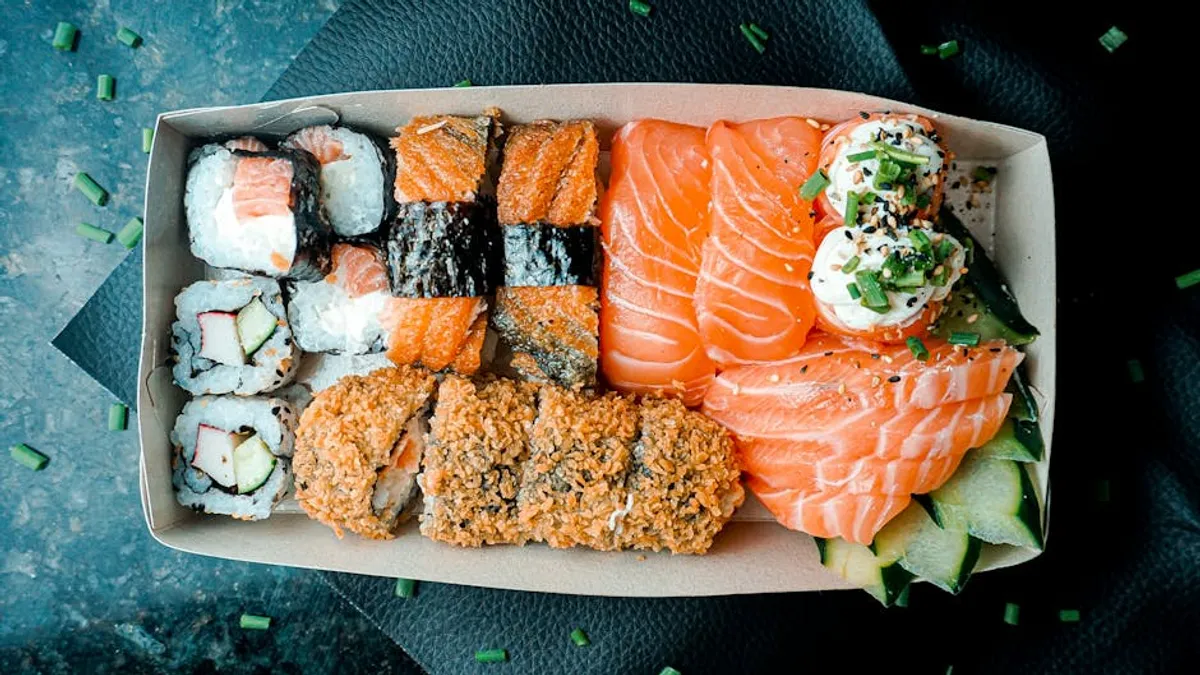
Navigating a sushi meal extends beyond simply eating; it involves a set of cultural customs and courtesies designed to enhance the dining experience and show respect to the chef and the ingredients. Understanding these nuances not only prevents awkward social situations but also deepens your appreciation for the art of sushi. Many common actions, though seemingly innocuous, can be considered missteps that detract from the chef’s carefully prepared flavors or demonstrate a lack of cultural awareness. This guide outlines the most frequent sushi etiquette mistakes and provides clear, actionable advice to ensure your next sushi outing is both enjoyable and respectful.
Understanding the Sushi Dining Philosophy
At its core, sushi dining is about appreciating the chef's skill, the freshness of the ingredients, and the balance of flavors. The itamae, or sushi chef, is a master craftsman who has dedicated years to perfecting their art, from selecting the fish to seasoning the rice and presenting each piece. Every element, from the temperature of the rice to the amount of wasabi, is meticulously considered. Therefore, many etiquette rules stem from the principle of not interfering with the chef's intended creation.
The Role of the Itamae
The sushi chef is not just a cook; they are an artist. Their expertise is in balancing the textures, temperatures, and flavors of each piece. This means that when you receive a piece of nigiri, it is often considered perfectly seasoned and ready to eat. Adding excessive soy sauce or mixing wasabi into your soy sauce can be seen as an implicit criticism of the chef's judgment or an attempt to "fix" what is already considered complete. Direct communication with the chef, especially at a sushi bar, is part of the experience, but always with deference to their expertise.
Common Missteps with Soy Sauce and Wasabi
The way diners interact with soy sauce and wasabi is a frequent source of etiquette errors, often stemming from unfamiliarity with traditional practices.
Mixing Wasabi into Soy Sauce
This is perhaps one of the most common mistakes. In traditional sushi, the chef often places a small, appropriate amount of wasabi between the fish and the rice in nigiri. This amount is carefully calculated to complement the specific fish. Mixing a dollop of extra wasabi into your soy sauce dilutes its flavor, overpowers the delicate taste of the fish, and signals that you believe the chef's seasoning was insufficient. Understanding traditional wasabi placement is a key part of appreciating the chef's intended flavor balance and provides great sushi etiquette examples.
Drowning Sushi in Soy Sauce
Soy sauce is meant to enhance, not dominate. Dipping a piece of sushi so thoroughly that it drips with soy sauce masks the subtle flavors of the fish and rice. A light touch is key. The goal is to taste the fish, the rice, and the subtle seasoning, not just the saltiness of the soy sauce.
Dipping Rice-Side Down
When dipping nigiri, always dip the fish side into the soy sauce, not the rice. Dipping the rice side first causes the rice grains to absorb too much soy sauce, making the piece overly salty and prone to falling apart. It also risks contaminating the soy sauce with loose rice grains.
Pro Tip: For nigiri, gently pick up the piece, typically with your fingers, and turn it so the fish side faces down. Dip only a small corner of the fish into the soy sauce. This ensures you taste the fish first, followed by the perfectly seasoned rice.
Handling Nigiri and Maki
The method of eating different types of sushi also has specific conventions.
Eating Nigiri
- Hands or Chopsticks: While chopsticks are generally accepted, eating nigiri with your hands is traditionally preferred and often considered more authentic. It allows for a better grip and prevents the delicate structure from breaking apart.
- One Bite: Nigiri is designed to be eaten in a single bite. This ensures you experience the harmonious blend of fish, rice, and wasabi as intended by the chef. Attempting to bite it in half can cause it to fall apart and is generally considered impolite.
Eating Maki (Rolls) and Sashimi
Maki rolls, due to their smaller, more compact nature, are typically eaten with chopsticks. Like nigiri, they are usually consumed in one bite. Sashimi, being just slices of fish, are also eaten with chopsticks and can be dipped lightly, fish-side down, into soy sauce. Some chefs may provide a small brush to apply soy sauce to certain types of sashimi.
Chopstick Protocol
Chopsticks are central to the sushi experience, and their misuse can be a significant breach of etiquette.
- Rubbing Chopsticks Together: Rubbing disposable chopsticks together after breaking them apart suggests that they are cheap or poorly made, which can be seen as an insult to the establishment. If there are splinters, discreetly remove them.
- Pointing with Chopsticks: Using your chopsticks to point at people or dishes is considered rude, akin to pointing a finger.
- Sticking Chopsticks Upright in Rice: This is a major taboo as it resembles incense sticks offered at a funeral altar in some Asian cultures. Always lay your chopsticks horizontally across your chopstick rest or on the side of your plate when not in use.
- Passing Food with Chopsticks: Directly passing food from one set of chopsticks to another is also associated with funeral rites and should be avoided. If sharing, use a communal serving utensil or place the food on a plate for the other person to pick up.
- Spearing Food: Using chopsticks to spear food is considered uncouth and improper.
Ginger (Gari) and Green Tea (Ocha)
These accompaniments serve specific purposes that are often misunderstood.
Gari (Pickled Ginger): The thinly sliced pickled ginger is intended as a palate cleanser between different types of sushi, particularly when transitioning from one fish to another. It helps to refresh your taste buds so you can fully appreciate the distinct flavor of the next piece. It is not meant to be eaten with the sushi or piled on top of it, nor should it be consumed in large quantities.
Ocha (Green Tea): Green tea is often served with sushi for its digestive properties and its ability to cleanse the palate. It complements the meal without overpowering the delicate flavors of the fish. It is typically unsweetened and served hot.
Ordering and Dining Flow
Even the sequence of your order can reflect an understanding of sushi culture.
Ordering Sequence: Traditionally, one starts with lighter, milder-flavored fish (e.g., white fish) and gradually moves to richer, fattier fish (e.g., tuna, salmon), before concluding with rolls or sweeter items. This progression allows your palate to appreciate the subtle nuances of each type of fish. Ordering all at once or in a haphazard manner can disrupt this intended culinary journey.
Pacing Your Meal: At a sushi bar, it's common to order a few pieces at a time, allowing the chef to prepare them fresh and present them individually. This ensures optimal temperature and quality. Ordering an entire platter at once, especially at a high-end establishment, can be less ideal for freshness and interaction with the chef.
Avoiding Strong Scents: Refrain from wearing strong perfumes, colognes, or heavily scented lotions to a sushi restaurant. These can interfere with the delicate aromas of the sushi and detract from the dining experience for yourself and others, including the chef.
Elevating Your Sushi Experience
Adhering to sushi etiquette is not about rigid rules, but about enhancing appreciation for a culinary art form. By understanding the purpose behind these customs, you show respect for the chef's craft, the ingredients, and the cultural traditions that elevate sushi from mere food to an experience. A mindful approach, coupled with a willingness to learn, will make your sushi dining not only more enjoyable but also more authentic. Embrace the opportunity to savor each piece as it was intended, appreciating the balance and artistry in every bite.
Frequently Asked Questions About Sushi Etiquette
Is it ever acceptable to use a fork for sushi?
While traditionalists prefer chopsticks or hands, most modern sushi restaurants in Western countries understand that not everyone is proficient with chopsticks. If you are genuinely struggling, it is generally acceptable to politely ask for a fork. However, making an effort with chopsticks is always appreciated.
Should I eat all the pickled ginger (gari) on my plate?
No, gari is meant as a palate cleanser between different types of fish, not as a side dish or condiment to be consumed with every bite. Take a small piece only when transitioning between distinct flavors to reset your palate.
Can I ask for extra wasabi or soy sauce?
While the chef typically provides the optimal amount, if you genuinely prefer more, it's generally acceptable to politely ask for a small additional amount of soy sauce or wasabi. However, avoid excessive requests or mixing large quantities, as this can be seen as disregarding the chef's balanced preparation.
What is the proper way to drink sake with sushi?
Sake is often enjoyed with sushi, but proper etiquette dictates that you should not pour your own sake if dining with others. Instead, offer to pour for your companions, and they will reciprocate. When someone pours for you, hold your cup up slightly to acknowledge their gesture. Sip sake slowly, appreciating its flavor, rather than downing it like a shot.