
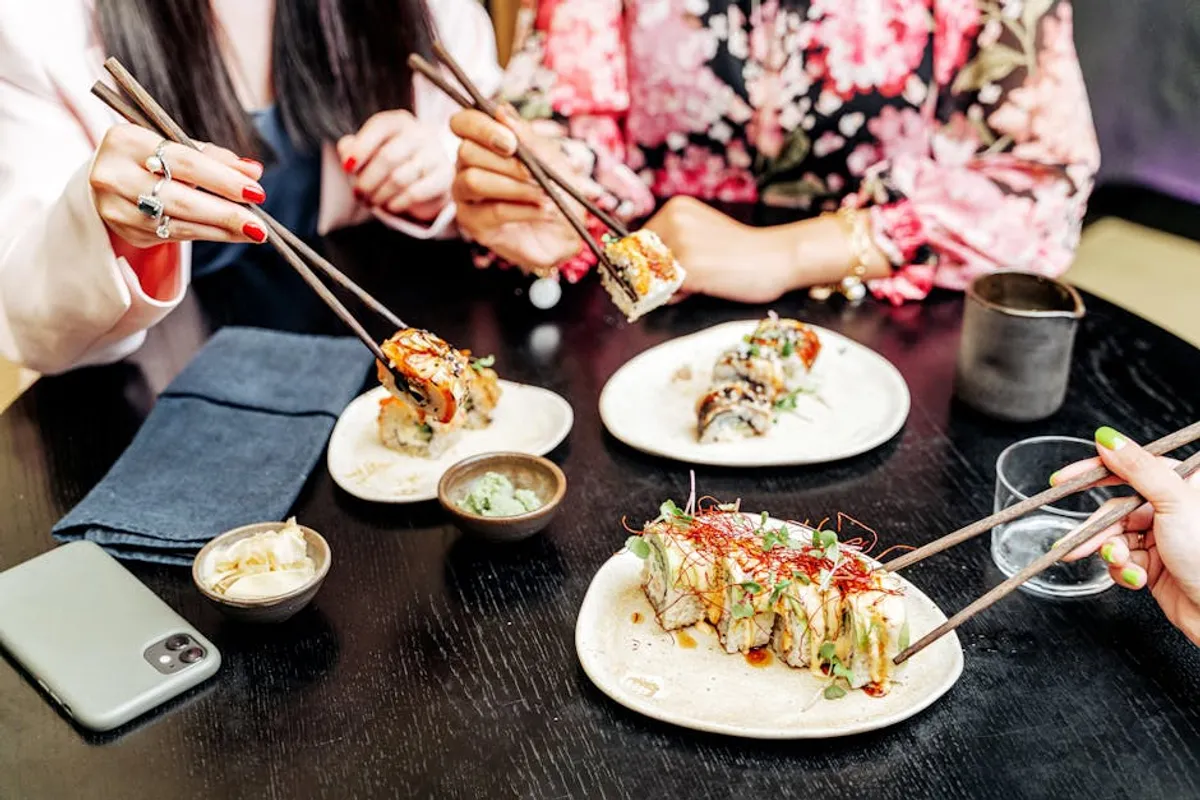
Navigating a sushi meal extends beyond simply enjoying the food; it involves an understanding of specific customs that enhance the experience for diners and show respect for the chef and the culinary tradition. For professionals in any field, mastering these nuances can reflect attention to detail and cultural awareness, qualities that resonate in both social and business settings. This guide provides concrete examples of sushi etiquette, offering a practical framework for approaching your next Japanese dining experience with confidence and appreciation.
Understanding the Foundation of Sushi Etiquette
At its core, sushi etiquette is built on respect: for the ingredients, the chef's skill, and the communal dining experience. This respect manifests in practices designed to preserve the integrity of each piece, optimize flavor, and maintain harmony at the table. Recognizing these underlying principles helps in understanding why certain actions are preferred over others.
Pre-Meal Protocol: Setting the Stage
Seating and Ordering Considerations
When dining at a traditional sushi restaurant, particularly one with a sushi bar, observe seating arrangements. The counter is often reserved for those who wish to engage directly with the chef and experience omakase (chef's choice). If you opt for omakase, trust the chef's selections and pace; it reflects their expertise and the day's freshest ingredients. For à la carte dining, ordering lighter, white-fleshed fish before richer, oilier options is customary to appreciate subtle flavors fully. For those new to the experience, consulting a beginner's guide to sushi etiquette can be very helpful.
Initial Preparations
Upon being seated, you'll likely receive an oshibori, a warm or cold towel. Use this to cleanse your hands before eating, then fold it neatly and place it aside. It is not for wiping your face or neck. Regarding soy sauce and wasabi, resist the urge to pre-mix large quantities. Many chefs will have already seasoned the nigiri perfectly. If additional soy sauce is desired, pour a small amount into the provided dish. Wasabi, if served separately, is meant to be applied sparingly to the fish itself, not dissolved into the soy sauce, as this can overpower the delicate flavors.
During the Meal: Handling Each Piece with Care
Chopstick Mastery (and Alternatives)
Proper chopstick use is fundamental. Hold them gently, using your thumb and ring finger to anchor one chopstick and your index and middle fingers to maneuver the other. Avoid common faux pas such as:
- Rubbing chopsticks together: This implies they are cheap or splintery, which can be insulting.
- Pointing with chopsticks: Directing them at people or dishes is considered impolite.
- Sticking chopsticks upright in rice: This resembles an offering at a funeral altar and carries negative connotations.
- Spearing food: Use chopsticks to pick up items, not stab them.
- Passing food between chopsticks: Another funeral rite, this should be avoided.
For nigiri, it is perfectly acceptable and often preferred to eat with your hands. This allows for a more stable grip and direct contact with the texture of the rice and fish.
Nigiri and Sashimi Specifics
Nigiri, the rice mound topped with fish, is typically eaten in one bite. If it's too large, politely request a smaller portion. When dipping nigiri into soy sauce, turn it fish-side down to prevent the rice from absorbing too much liquid and falling apart. Sashimi, being just slices of fish, is eaten with chopsticks and can be dipped directly into soy sauce.
The Role of Soy Sauce and Wasabi
Use soy sauce sparingly. The goal is to complement, not mask, the natural flavors of the fish. For nigiri, apply a tiny amount to the fish, not the rice. The chef often brushes a delicate amount of soy sauce (nikiri) onto the fish before serving, making additional dipping unnecessary. Wasabi should be used judiciously, if at all, as the chef has likely balanced its presence within the dish.
Gari (Pickled Ginger) and Green Tea
Gari, the thin slices of pickled ginger, serves as a palate cleanser between different types of sushi. It is not meant to be eaten with the sushi itself, nor should it be used as a topping. Green tea, often served throughout the meal, also functions as a palate cleanser and aids digestion. Sip it between pieces or courses to refresh your taste buds.
Pro Tip: If you are unsure about how to eat a particular piece or have dietary restrictions, politely ask your server or the chef. Most chefs appreciate genuine interest and are happy to guide you through the experience, fostering a more engaging and respectful interaction.
Post-Meal Courtesy: Concluding with Grace
Once you have finished eating, leave your chopsticks neatly on the chopstick rest or across your soy sauce dish. Avoid leaving them crossed or sticking out of any bowls. A simple "gochisousama deshita" (thank you for the meal) to the chef or staff is a thoughtful gesture that acknowledges their effort and hospitality. If dining with others, ensure you do not linger excessively after the meal is concluded, especially if the restaurant is busy.
Integrating Etiquette for a Polished Experience
Adhering to sushi etiquette is not about rigid rules, but about showing respect for a culinary art form and enhancing your own dining pleasure. By understanding these examples, you demonstrate an appreciation for Japanese culture and the craftsmanship involved in preparing sushi. This attention to detail elevates the meal from a simple transaction to a more profound cultural and gastronomic experience, leaving a positive impression in any setting.
Frequently Asked Questions
Is it acceptable to eat sushi with my hands?
Yes, particularly for nigiri. Eating nigiri with your hands is common and often preferred, as it helps maintain the integrity of the rice and fish, allowing for a more stable grip and direct appreciation of textures.
Should I mix wasabi into my soy sauce?
No, it is generally considered improper. Wasabi is meant to be applied directly to the fish in small amounts, if desired, to complement its flavor. Mixing it into soy sauce can overpower the delicate taste of the sushi and is not how it is traditionally consumed.
What is the purpose of gari (pickled ginger)?
Gari serves as a palate cleanser. It is eaten between different pieces of sushi to refresh your taste buds, allowing you to fully appreciate the distinct flavors of each subsequent piece. It is not meant to be eaten with the sushi itself.
How do I properly use chopsticks for sushi?
Hold one chopstick stationary between your thumb and ring finger, and use your index and middle fingers to move the other chopstick to pick up food. Avoid rubbing them together, pointing, or sticking them upright in rice.