
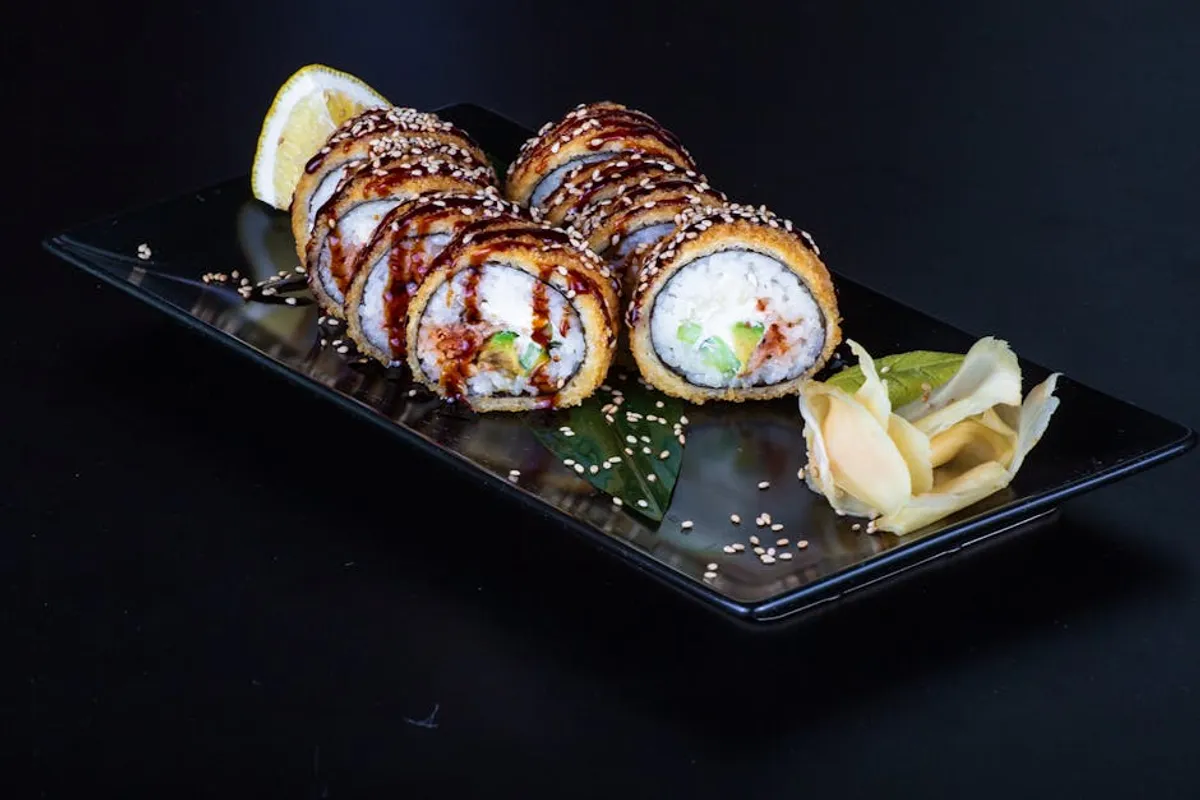
Navigating a sushi meal extends beyond simply enjoying the flavors; it involves adhering to a set of unspoken customs that enhance the dining experience and show respect for the chef and the culinary tradition. For both casual diners and those conducting business over nigiri, understanding these nuances can elevate a meal from merely satisfying to truly refined. This checklist provides actionable guidance on essential sushi etiquette, ensuring a polished presence whether you are at a high-end omakase counter or a local sushi bar. For those new to the cuisine, familiarizing yourself with beginner sushi etiquette can significantly enhance your dining experience.
Pre-Meal Preparations
Reservation and Arrival
When dining at a reputable sushi establishment, especially one with limited seating or a renowned itamae (sushi chef), securing a reservation is often critical. Arrive punctually, ideally 5-10 minutes before your reservation, to allow for seating without disrupting the flow of service. Late arrivals can impact the chef's timing, particularly in omakase settings where courses are prepared sequentially for all diners.
Seating and Ordering
At a sushi bar, the best seats are typically directly in front of the itamae, offering a direct view of the preparation and facilitating interaction. If dining with a group, allow the host to guide you, as seating arrangements can be strategic. When ordering, consider starting with lighter items like sashimi or simpler nigiri before progressing to richer or more complex pieces. In an omakase setting, the chef dictates the menu, so simply enjoy the progression of flavors.
Mastering Chopstick Use
Proper Holding Technique
Holding chopsticks correctly is fundamental. The bottom chopstick remains stationary, resting in the crook of your thumb and ring finger. The top chopstick is held like a pen, controlled by your thumb, index, and middle fingers, allowing for movement to pick up food. This grip provides stability and precision, preventing accidental drops or awkward handling.
Common Chopstick Missteps
Certain chopstick actions are considered impolite or unsanitary, reflecting poor etiquette:
- Stabbing food: Using chopsticks to spear food is highly discouraged, as it’s seen as crude and disrespectful.
- Passing food directly: Never pass food from one set of chopsticks to another, as this resembles a funerary ritual in Japan. Place food on a small plate for transfer.
- Pointing: Gesturing with chopsticks is impolite. Use an open hand if you need to indicate something.
- Rubbing together: Rubbing disposable chopsticks together implies they are cheap or splintery, which can be insulting to the establishment.
- Leaving them upright in rice: This is another funerary custom and should be avoided. Place them on a chopstick rest (hashioki) or across your soy sauce dish.
Navigating the Sushi Bar
Interacting with the Itamae
The itamae is the master of their craft, deserving respect. Acknowledge them with a nod or a polite greeting. Avoid overly casual conversation or making specific demands that deviate from their recommendations, especially during omakase. Asking thoughtful questions about the fish or preparation is acceptable, but keep interactions concise and respectful of their focus on preparing food.
Wasabi and Gari (Ginger) Usage
Wasabi: The itamae often applies the appropriate amount of wasabi directly to the nigiri. Adding more, or mixing it excessively into your soy sauce, can be seen as questioning their judgment or masking the fish's natural flavor. If extra is desired, apply a tiny amount directly to the fish, not the soy sauce.
Gari (pickled ginger): Gari serves as a palate cleanser between different types of sushi, not as a topping for individual pieces. Consume a small slice to refresh your taste buds before moving to the next piece, preparing you to appreciate its distinct profile.
Pro Tip: When dining at a high-end sushi restaurant, particularly for omakase, avoid wearing strong perfumes or colognes. Intense fragrances can interfere with the delicate aromas of the sushi, impacting your own experience and that of other diners, as well as the chef's ability to discern subtle scents during preparation.
Consuming Sushi and Sashimi
Soy Sauce Application
Use soy sauce sparingly. For nigiri, dip only the fish side into the soy sauce, not the rice. This prevents the rice from absorbing too much liquid and falling apart, and ensures the flavor of the fish remains prominent. For sashimi, a light dip is sufficient. Avoid creating a large puddle of soy sauce or over-dipping, which can overpower the delicate flavors.
Eating Nigiri and Maki
Nigiri: Pick up nigiri with your fingers or chopsticks and eat it in one bite if possible. If it's too large, take two bites, but try to avoid setting down a half-eaten piece. When using fingers, it’s considered traditional and often easier to maintain the integrity of the piece.
Maki (rolls): Maki rolls are typically designed to be eaten in a single bite. If a piece is too large, it's acceptable to take two bites, but avoid messy crumbling. Use chopsticks or fingers as preferred.
Sashimi Consumption
Sashimi, being slices of raw fish without rice, is usually eaten with chopsticks. Dip one end lightly into soy sauce, or add a tiny dab of wasabi directly to the fish if desired. Sashimi is meant to be savored, allowing the texture and flavor of the fish to be the primary focus.
Drink Pairings and Toasts
Sake and Tea Considerations
Sake: If ordering sake, be aware of the proper pouring etiquette. When someone pours for you, hold your cup and offer a slight bow. When pouring for others, ensure their cups are never empty. Sake is typically served warm or chilled, depending on the type and season.
Tea: Green tea, often served complimentary, is an excellent palate cleanser throughout the meal. Sip it between pieces of sushi to refresh your palate. Avoid adding sugar or milk, as it's meant to be enjoyed plain.
Post-Meal Protocols
Finishing Your Meal
Once you are finished, place your chopsticks neatly on the hashioki or across your soy sauce dish. Avoid stacking plates, as this can be misinterpreted as rushing the staff. A simple "gochisousama deshita" (thank you for the meal) to the chef or staff is a polite gesture of appreciation.
Tipping Practices
Tipping customs vary by region and establishment. In Western countries, standard restaurant tipping percentages apply, typically 15-20% for good service. In Japan, tipping is not customary and can even be considered impolite, as excellent service is expected as part of the dining experience.
Practical Application: Enhancing Your Dining Experience
Adhering to sushi etiquette is not about rigid rules, but about showing respect for the culinary art, the chef, and the cultural traditions. By understanding these guidelines, you demonstrate a thoughtful approach to dining that can deepen your appreciation for the meal. This attention to detail can be particularly valuable in business settings, where a refined demeanor reflects positively on your professionalism and cultural awareness. Practicing these courtesies ensures a more harmonious and enjoyable experience for everyone at the table.
Frequently Asked Questions
Is it ever acceptable to eat sushi with a fork?
While traditional etiquette suggests using chopsticks or fingers for nigiri, if you genuinely struggle with chopsticks, it is generally more acceptable to politely request a fork than to make a mess or appear disrespectful by misusing chopsticks. However, this is less common in high-end establishments.
Should I mix wasabi into my soy sauce?
No, mixing wasabi into your soy sauce (creating a "wasabi soup") is generally considered poor etiquette. The itamae often places the correct amount of wasabi on the nigiri. If you desire more, place a small dab directly on the fish, or for sashimi, on the side of the fish before dipping.
Can I ask the chef for specific fish during omakase?
During an omakase experience, the chef curates the meal, selecting the best available ingredients and presenting them in a specific sequence. It is best to trust the chef's expertise and avoid making specific requests, as this can disrupt the intended flow and artistic vision of the meal. Informing them of allergies or strong dislikes beforehand is acceptable.