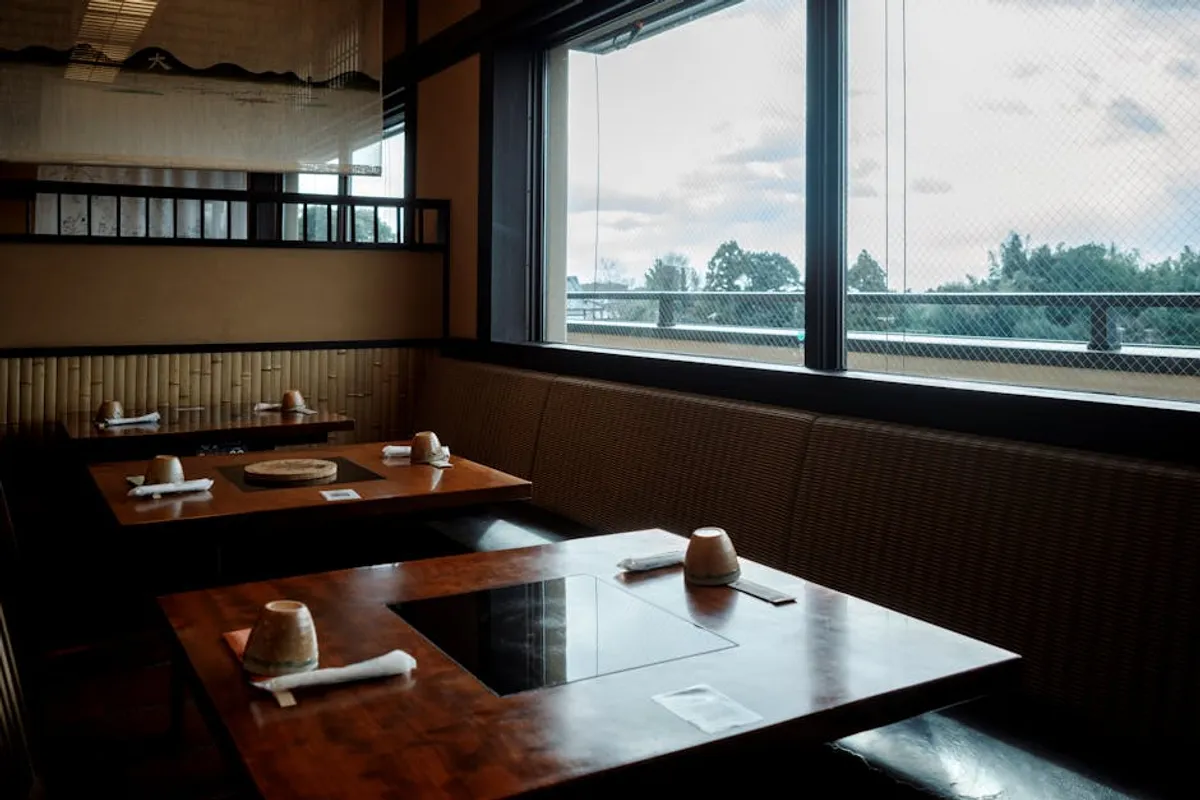
Navigating Kyoto’s culinary landscape presents a unique challenge and opportunity. With thousands of dining establishments ranging from Michelin-starred kaiseki houses to humble noodle shops, identifying authentic, high-quality experiences requires a targeted approach. This guide outlines practical strategies for discovering Kyoto’s best restaurants, ensuring a dining journey that aligns with specific preferences and expectations, whether seeking traditional multi-course meals or local hidden gems. This approach involves practical strategies for discovery that enhance your overall experience.
Understanding Kyoto's Culinary Landscape
Kyoto’s food scene is deeply rooted in tradition, yet increasingly diverse. Recognizing the primary categories of cuisine helps in focusing your search.
Traditional Kyoto Cuisine (Kyo-ryori)
- Kaiseki: This is a multi-course meal, often served in a ryokan (traditional inn) or specialized restaurant, emphasizing seasonality, presentation, and subtle flavors. Ingredients are locally sourced, and each dish is a small, artistic composition. Expect a leisurely dining experience and a higher price point.
- Shojin-ryori: Buddhist vegetarian cuisine, traditionally served at temples. It focuses on fresh vegetables, tofu, and other plant-based ingredients, prepared without meat, fish, or strong aromatics like garlic and onion. It's a serene and healthy dining option.
- Obanzai: Home-style Kyoto cooking, characterized by simple, seasonal, and often small dishes. Restaurants serving obanzai typically offer a selection of pre-prepared dishes, allowing diners to choose several to create a personalized meal. It’s a more casual and affordable way to experience local flavors.
Niche Specialties and Popular Eateries
Beyond the traditional, Kyoto offers specific culinary experiences worth seeking out:
- Tofu Cuisine: Kyoto is renowned for its high-quality tofu, often served in dedicated restaurants specializing in dishes like yudofu (boiled tofu) or various tofu preparations.
- Matcha and Wagashi: The city is a hub for green tea culture. Many cafes and tea houses offer ceremonial matcha alongside exquisite wagashi (traditional Japanese sweets).
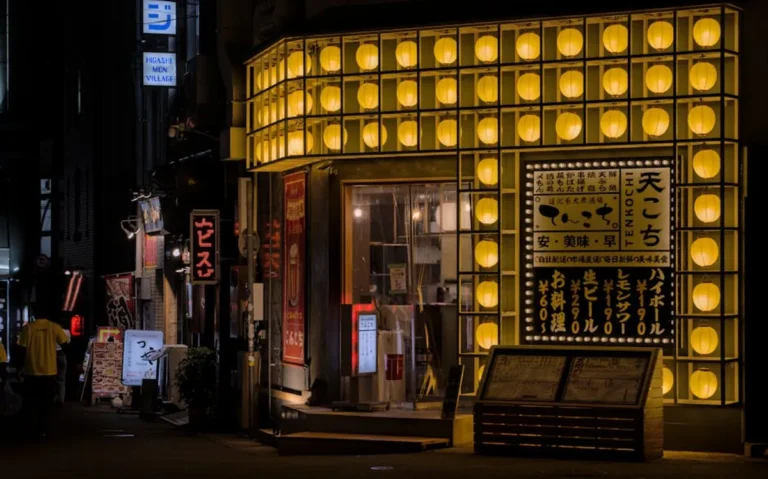
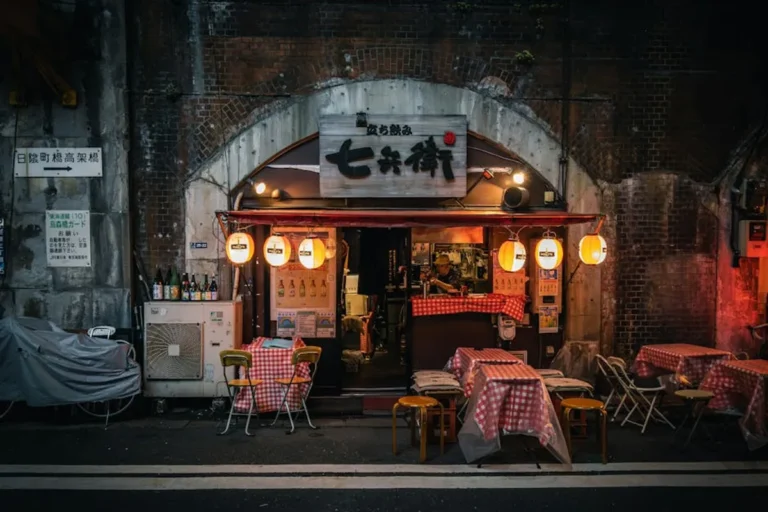
- Izakaya: Japanese pubs serving a wide range of small dishes (similar to tapas) alongside alcoholic beverages. They are excellent for casual dinners and experiencing local nightlife.
- Ramen and Udon: Kyoto has a robust noodle scene, from rich pork-based broths to lighter dashi-based soups.
Research and Discovery Strategies
Effective restaurant discovery in Kyoto combines online research with local insights.
Leveraging Online Resources
While international review sites like Google Maps and TripAdvisor provide a baseline, Japanese-centric platforms often offer more accurate, detailed, and locally relevant information.
- Tabelog (食べログ): This is Japan’s most comprehensive restaurant review site. It features detailed user reviews, photos, and often reservation links. Ratings are generally stricter than on international platforms, making a 3.5+ score indicative of quality. The site is primarily in Japanese, but browser translation tools can assist.
- Gurunavi (ぐるなび): Another major Japanese restaurant guide, often featuring more English-friendly interfaces and direct booking options for tourists. It provides information on restaurant types, prices, and available courses.
- Retty: Focuses on user-curated lists and recommendations from "real users" (often food bloggers or influencers), offering a more personalized discovery experience.
Best for: Identifying establishments with a strong local reputation and accessing detailed menus or booking information.
Offline and Local Insights
Sometimes the best recommendations come from those on the ground.
- Hotel Concierge: High-end hotels often have concierges with extensive knowledge of local dining, including establishments that may not be widely advertised online or that require Japanese-speaking assistance for reservations. They can often secure bookings at popular venues.
- Local Recommendations: Engaging with shopkeepers, taxi drivers, or even fellow diners can yield unexpected and authentic suggestions. Be specific about your preferences (e.g., "I'm looking for good obanzai near here").
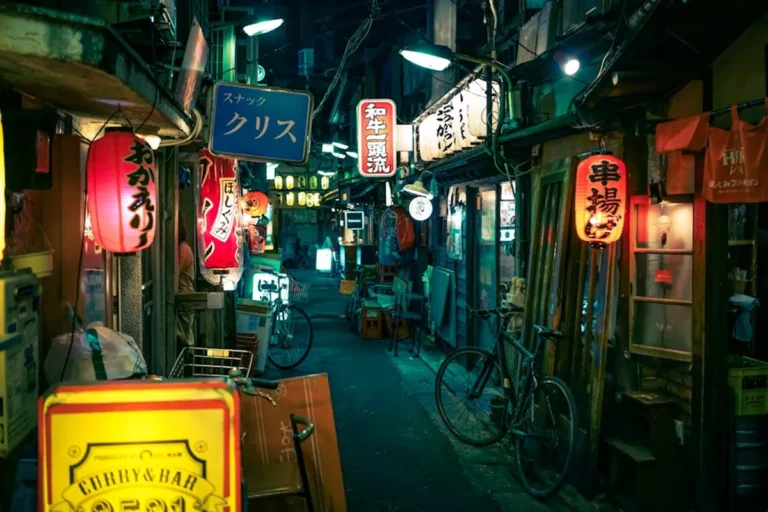
- Walking and Observing: Strolling through neighborhoods like Gion, Pontocho, or Nishiki Market can reveal small, inviting restaurants. Look for establishments with a consistent stream of local patrons, clear menus (even if only in Japanese), and an appealing atmosphere.
Booking and Reservations
For popular or high-end restaurants, reservations are often essential, especially for dinner or during peak seasons.
Importance for Popular Spots
Many traditional kaiseki restaurants, Michelin-starred establishments, or even popular izakayas operate on a reservation-only or limited-seating basis. Showing up without a booking can result in long waits or being turned away.
Pro Tip: For highly sought-after restaurants, especially those with limited seating or a Michelin star, consider booking several weeks or even months in advance. Many top-tier establishments release reservations on a fixed schedule (e.g., exactly one month prior).
Methods for Securing Bookings
- Online Reservation Platforms: Sites like TableCheck and Omakase specialize in Japanese restaurant bookings, often with English interfaces. Some restaurants also use international platforms like OpenTable, though less frequently in Japan.
- Hotel Concierge Assistance: This is often the most reliable method for non-Japanese speakers, as concierges can call on your behalf and confirm details.
- Direct Calls: If comfortable with basic Japanese phrases or have a translation app, calling directly is an option. Be prepared for potential language barriers.
Navigating the Dining Experience
Understanding basic dining etiquette enhances the experience and shows respect for local customs.
Etiquette and Customs
- Chopsticks: Avoid sticking chopsticks upright in a bowl of rice (resembles funeral rites) or passing food directly from chopstick to chopstick. Use the opposite end of your chopsticks to serve yourself from shared dishes.
- "Itadakimasu" and "Gochisousama": Before eating, a polite "itadakimasu" (I gratefully receive) is customary. After finishing, "gochisousama (deshita)" (thank you for the meal) is appreciated.
- No Tipping: Tipping is not customary in Japan and can sometimes be seen as an insult. Service charges are usually included in the bill or not expected.
Ordering and Payment
Many restaurants, especially those catering to tourists, offer English menus or picture menus. For smaller, local establishments, a translation app can be invaluable for deciphering dishes.
Payment: While credit cards are increasingly accepted, many smaller restaurants, especially izakayas or ramen shops, still operate on a cash-only basis. Always carry sufficient cash, particularly for casual dining.
Warning: Communicating complex dietary restrictions (e.g., severe allergies, veganism beyond vegetarianism) can be challenging due to language barriers and different culinary conventions. Prepare translated cards explaining your specific needs in Japanese to hand to staff, and be flexible with options.
Ensuring a Memorable Kyoto Dining Experience
A successful culinary journey through Kyoto hinges on preparation and an open mind. By leveraging both local and online resources, understanding booking protocols, and respecting dining customs, you can move beyond generic tourist recommendations. Focus on specific cuisine types that interest you, utilize the most effective reservation channels, and be prepared for the nuances of Japanese service. This deliberate approach allows for the discovery of truly authentic and rewarding gastronomic experiences, from multi-course kaiseki to casual, local obanzai. Being aware of common mistakes to avoid will significantly improve your dining experiences.
Frequently Asked Questions
Do I need reservations for most Kyoto restaurants?
For popular, high-end, or specialized restaurants (like kaiseki or Michelin-starred venues), reservations are essential and often required weeks or months in advance. For casual dining, walk-ins are often possible, but waits can be long during peak hours.
How do I handle dietary restrictions in Kyoto?
Prepare translated cards detailing your specific restrictions (e.g., "no meat," "no fish," "no dairy") to show restaurant staff. Be aware that cross-contamination is a concern in smaller kitchens, and strict veganism can be challenging outside of dedicated establishments.
Is tipping customary in Kyoto?
No, tipping is not customary in Japan and is generally not expected. The service charge is usually included in the price, or excellent service is considered part of the standard. Attempting to tip may cause confusion or be politely refused.
What are some must-try Kyoto dishes?
Beyond kaiseki, essential Kyoto dishes include yudofu (boiled tofu), obanzai (home-style small dishes), matcha-based sweets and drinks, and various local ramen and udon preparations. Exploring Nishiki Market also offers numerous opportunities to sample regional specialties.