Crafting a definitive Kyoto restaurant guide presents a significant opportunity for content creators, but the landscape is dense with established resources. To truly stand out and provide value, understanding and actively avoiding common pitfalls is critical. This isn't merely about listing eateries; it's about delivering a resource that resonates with specific user needs, offers unique insights, and maintains its relevance over time. The goal is to move beyond generic recommendations and build a guide that serves as a trusted authority, driving both user engagement and commercial success.
Overlooking Niche User Intent
Many restaurant guides fall short by attempting to be everything to everyone, resulting in content that lacks depth and specific utility. Kyoto's culinary scene is diverse, attracting a wide array of diners from budget travelers to luxury seekers, and those specifically interested in traditional kaiseki, vegan options, or late-night izakayas. A guide that fails to segment its audience effectively will struggle to capture targeted search traffic and satisfy distinct user needs.
Failing to Segment Your Audience
A common mistake involves presenting a broad list of restaurants without clear categorizations or recommendations tailored to specific demographics or dining preferences. For instance, a traveler seeking an authentic, budget-friendly ramen experience near Gion will have different search queries and expectations than a couple looking for a Michelin-starred kaiseki dinner in Arashiyama. Lumping these into a single 'Best Restaurants' list dilutes the value for both. Effective guides clearly define their target user profiles and curate recommendations accordingly, often through dedicated sections or filters.
Generic Recommendation Pitfalls
Another pitfall is offering recommendations that merely echo what's widely available on larger review platforms. Simply listing popular spots without providing unique context, specific dish recommendations, or insights into the dining experience (e.g., "best for solo diners," "ideal for families with small children," "known for its seasonal specials") reduces the guide to a mere directory. Users seek expert curation and insider knowledge that helps them make informed decisions, not just a rehash of top-rated establishments. Justifying each recommendation with a specific reason for its inclusion, beyond general praise, elevates the guide's authority.
Inadequate Local Context and Research
Kyoto's culinary identity is deeply intertwined with its history, culture, and seasonality. A guide that neglects these elements risks appearing superficial and failing to connect with users seeking an authentic experience. This extends beyond food itself to understanding local customs, dining etiquette, and the dynamic nature of restaurant operations.
Superficial Cultural Integration
Many guides fail to incorporate Kyoto's unique cultural nuances. This includes not explaining local dining customs (like the importance of reservations for certain establishments, or the specific etiquette in a traditional tea house), or not highlighting the significance of seasonal ingredients (e.g., bamboo shoots in spring, matsutake mushrooms in autumn). Without this context, recommendations lose their depth. A truly valuable guide weaves in cultural insights, explaining *why* certain dishes or dining experiences are significant in Kyoto, rather than just *what* they are.
Outdated Operational Details
Restaurant information, especially in a dynamic city like Kyoto, changes frequently. Operating hours, menu offerings, pricing, reservation policies, and even permanent closures are common. Publishing a guide without a rigorous verification process for these details leads to a frustrating user experience. Users arriving at a closed restaurant or finding vastly different menu items will quickly lose trust in the guide. Implementing a system for regular verification, perhaps quarterly or bi-annually, is essential for maintaining accuracy. This also includes verifying accessibility information, payment methods, and English-speaking staff availability, which are critical for international visitors.
Warning: Relying solely on third-party review sites for operational details is a critical mistake. While these platforms offer initial leads, direct verification via official restaurant websites, phone calls, or recent visitor reviews is indispensable for accuracy. Outdated information erodes user trust faster than any other error.
Subpar Technical and Visual Execution
Even the most well-researched content can fail if it's not presented effectively. This includes both the technical aspects of search engine optimization and the visual appeal that captures user attention and conveys quality.
Neglecting On-Page SEO Fundamentals
A common oversight is treating a restaurant guide purely as editorial content without integrating robust on-page SEO. This includes:
- Keyword Research: Failing to identify and target specific long-tail keywords users employ when searching for Kyoto restaurants (e.g., "best ramen Kyoto station," "vegan friendly restaurants Gion," "Kyoto Michelin star lunch").
- Schema Markup: Not implementing structured data (e.g.,
Restaurantschema from schema.org) to help search engines understand the content and potentially display rich snippets. This can include details like average price range, cuisine type, address, and ratings. - Internal Linking: Weak internal linking structures that don't connect related restaurant categories, neighborhood guides, or specific dish deep-dives. This limits discoverability and reduces the guide's overall authority within the site.
- Meta Descriptions: Generic or missing meta descriptions that fail to entice clicks from search results by clearly articulating the guide's unique value proposition.
These technical elements are not optional; they are foundational for organic visibility.
Compromising Visual Quality
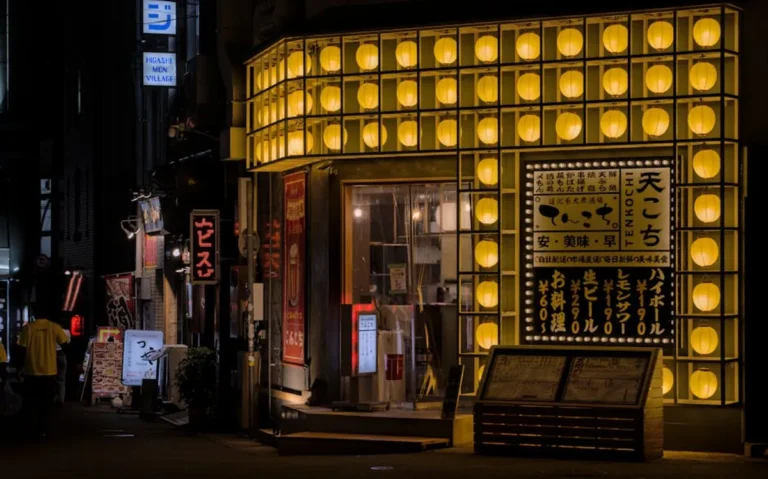
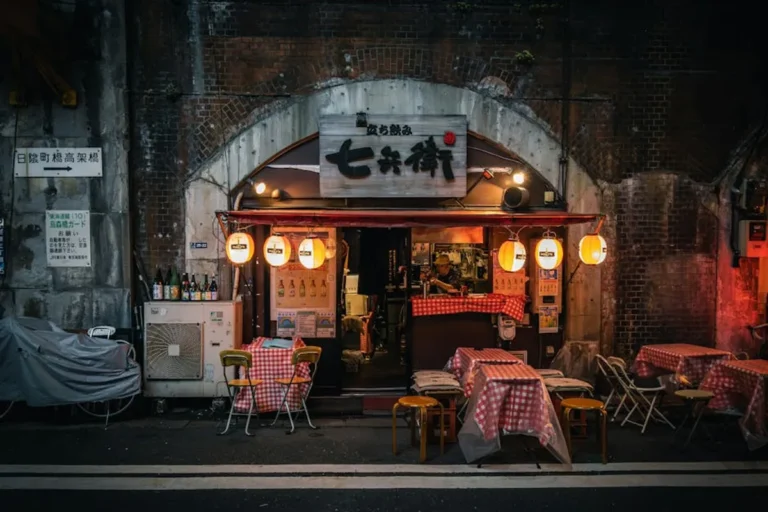
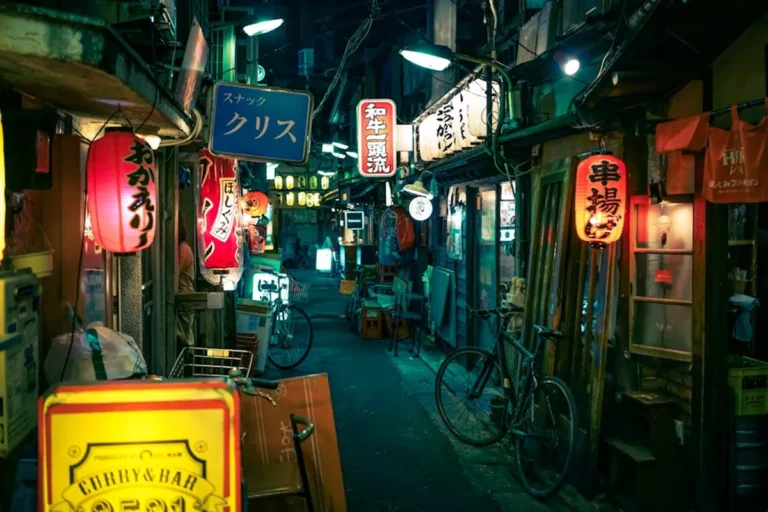
Food and travel content are inherently visual. A guide filled with low-resolution, poorly lit, or generic stock photos will struggle to engage users. High-quality, original photography that accurately depicts the food, ambiance, and unique character of each restaurant is paramount. This extends to video content, which can offer an immersive experience that static images cannot. Optimizing images for web (correct sizing, format, alt text) is also crucial for page load speed and accessibility, directly impacting user experience and SEO.
Ignoring Post-Publication Maintenance and Monetization
A restaurant guide is not a static piece of content. Its value diminishes rapidly without ongoing attention. Furthermore, a well-trafficked guide represents a significant commercial asset that, if properly structured, can generate revenue.
Stagnant Content and Lack of Updates
Publishing a guide and then abandoning it is a critical error. Kyoto's culinary scene is constantly evolving, with new openings, closures, chef changes, and seasonal menu shifts. A guide that isn't regularly reviewed and updated quickly becomes obsolete and unreliable. Implementing a content audit schedule, ideally quarterly, to verify information, add new recommendations, and remove outdated ones, is essential. This ongoing maintenance signals to both users and search engines that the guide is a living, authoritative resource.
Unclear Commercial Pathways
Many guides miss opportunities for monetization. While the primary goal is to provide value, integrating clear, ethical commercial pathways is crucial for sustainability. This could include:
- Affiliate Partnerships: Linking to reservation platforms (e.g., TableCheck, OpenTable if applicable in Japan) or local tour operators that include dining experiences.
- Sponsored Content: Carefully selected sponsored restaurant features, clearly disclosed, that align with the guide's overall quality and user expectations.
- E-commerce Integration: Selling related products like local cookbooks, specialty ingredients, or merchandise if the guide is part of a broader platform.
- Direct Bookings/Commissions: Exploring direct partnerships with restaurants for referral fees, where appropriate and transparent.
The key is to integrate these pathways seamlessly and ethically, ensuring they enhance rather than detract from the user experience.
Actionable Steps for a Superior Guide
To create a Kyoto restaurant guide that truly stands out, prioritize precision and user-centricity. Begin by defining specific user personas and tailoring recommendations to their distinct needs, moving beyond broad categories to niche interests like "Kyoto's best vegan ramen" or "traditional kaiseki with garden views." Invest in original, high-quality photography and consider short video clips that capture ambiance and dish presentation. Implement rigorous data verification for operating hours, menus, and reservation policies, establishing a quarterly review cycle. From an SEO perspective, conduct thorough keyword research for each restaurant and dish, and apply schema markup for rich snippets. Finally, plan for long-term sustainability by integrating ethical monetization strategies and a clear content update schedule, ensuring your guide remains a current and trusted resource.
FAQ
How frequently should a Kyoto restaurant guide be updated?
A Kyoto restaurant guide should ideally undergo a comprehensive review and update at least quarterly. This frequency accounts for seasonal menu changes, new restaurant openings, closures, and shifts in operational details, ensuring the information remains current and reliable for users.
What is the most effective way to incorporate local insights into a guide?
Local insights are best integrated by featuring unique, lesser-known establishments, explaining dining etiquette, detailing the significance of seasonal ingredients, and providing context on the history or cultural importance of specific dishes or dining styles. This moves beyond basic recommendations to offer a deeper, more authentic experience.
How can a Kyoto restaurant guide differentiate itself in a crowded market?
Differentiation comes from a unique angle or niche focus (e.g., "Kyoto's hidden culinary gems," "sustainable dining in Kyoto," "best family-friendly restaurants"), highly specific and justified recommendations, exceptional original photography, and a strong emphasis on practical, verified information that directly addresses distinct user needs.
Should a guide focus on a specific type of cuisine or cover everything?
For higher impact and better SEO performance, focusing on a specific cuisine type (e.g., ramen, kaiseki, vegan) or a particular neighborhood initially can be more effective than attempting to cover everything. This allows for greater depth, authority, and targeted keyword optimization, establishing the guide as an expert resource in its chosen niche before potentially expanding.