
Developing a definitive Kyoto restaurant guide requires more than just listing establishments; it demands a strategic approach to content, discoverability, and user trust. The competitive landscape for food-related content, especially in a culinary hub like Kyoto, means that generic lists often fail to capture an audience or generate commercial value. To succeed, a guide must integrate best practices across content creation, search engine optimization, and user experience, ensuring it serves both the reader seeking authentic dining experiences and the publisher aiming for sustained engagement and monetization. By following best practices for creating guides, publishers can significantly enhance their content's value and reach.
Audience-Centric Content Development
The foundation of any successful Kyoto restaurant guide lies in understanding its target audience. A guide for luxury travelers seeking kaiseki experiences differs significantly from one targeting budget-conscious students or families looking for child-friendly options. Define your primary user persona early, as this dictates the selection criteria for restaurants, the depth of detail provided, and the overall tone.
- Specificity in Recommendations: Move beyond broad categories. Instead of "best ramen," consider "best tonkotsu ramen near Gion" or "vegetarian ramen options in Central Kyoto." This caters to precise user intent.
- Cultural Context: Kyoto's culinary scene is deeply intertwined with its history and traditions. Provide brief, relevant insights into dish origins, dining etiquette, or seasonal ingredients. This adds unique value beyond a simple review.
- Practical Information: Include essential details often overlooked by generic guides. This means precise opening hours, reservation requirements, payment methods (cash-only establishments are common), English menu availability, and accessibility notes.
Hyperlocal SEO and Discoverability
For a Kyoto restaurant guide, visibility in local search results is paramount. Optimizing for hyperlocal queries ensures that potential diners find your content precisely when they are making dining decisions, often while physically in or planning a trip to Kyoto.
Key considerations for local SEO:
- Keyword Research: Focus on long-tail keywords that combine cuisine types, specific dishes, neighborhoods, and intent modifiers (e.g., "Kyoto vegan sushi Gion," "best izakaya near Nishiki Market," "Kyoto affordable tempura lunch").
- Schema Markup: Implement
RestaurantandLocalBusinessschema types on individual restaurant pages. Include properties such asname,address,telephone,openingHoursSpecification,servesCuisine,priceRange, andaggregateRatingif applicable. This helps search engines understand the entity and its attributes directly. - Google Business Profile Integration: While you don't own the restaurants' profiles, ensuring your guide links to their official Google Business Profiles (if available) and encourages users to check up-to-date information there can be beneficial. For your own guide's pages, ensure accuracy matches external sources.
- Internal Linking Structure: Create a logical hierarchy. Categorize restaurants by cuisine, neighborhood, price point, or occasion. Use internal links to connect related content, such as a "Best Ramen in Kyoto" hub page linking to individual ramen shop reviews.
Pro Tip: Beyond standard restaurant reviews, consider creating "food walk" or "culinary district" guides. These not only offer unique content but also naturally incorporate multiple local keywords and provide an immersive experience for the reader, encouraging longer dwell times and repeat visits.
Building Authenticity and Authority
In a saturated market, trust is a primary differentiator. An authoritative guide relies on genuine experience and transparent information, moving beyond aggregated data or AI-generated summaries.
- First-Hand Experience: Where possible, base recommendations on actual visits and detailed observations. Describe the ambiance, service quality, and specific dish highlights, not just menu items. This personal touch resonates with readers.
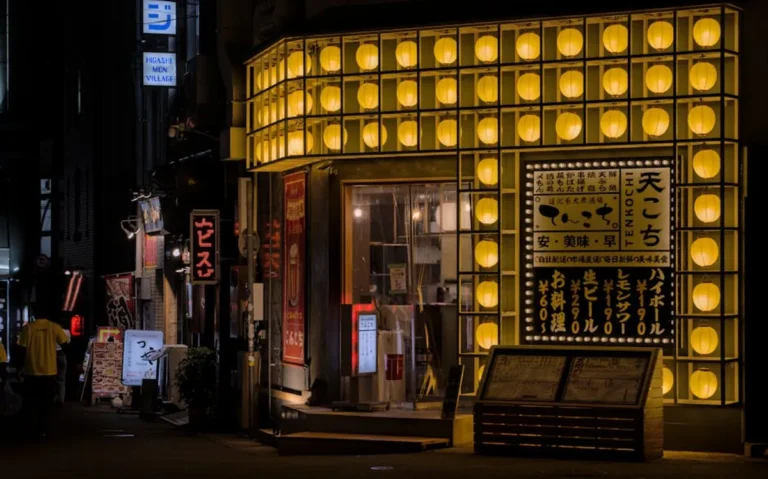
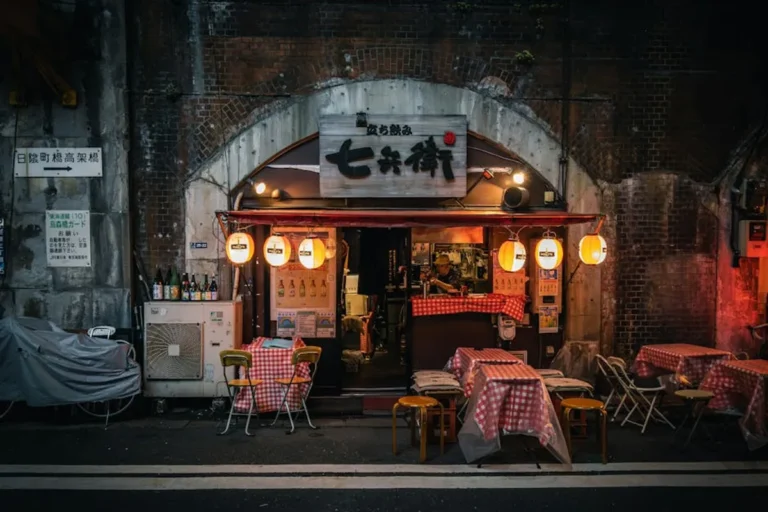
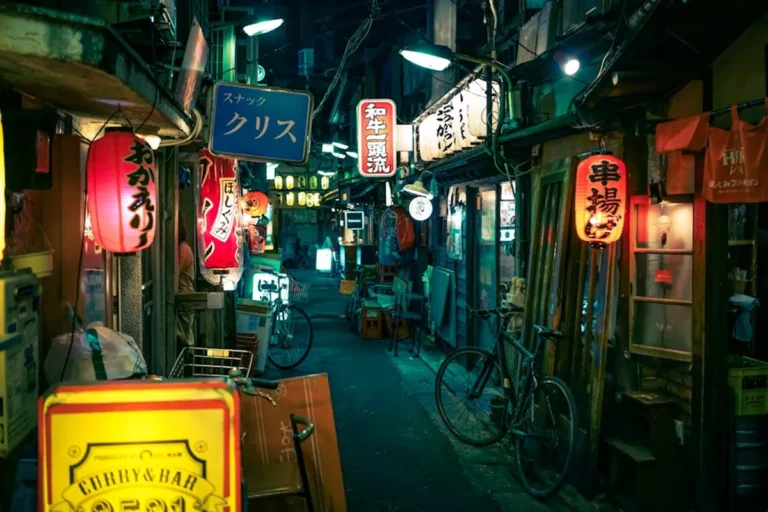
- High-Quality Visuals: Invest in professional-grade photography. Clear, appealing images of dishes, restaurant interiors, and exteriors significantly enhance engagement and convey the quality of the dining experience. Avoid generic stock photos.
- Regular Updates: Restaurant scenes evolve rapidly. Establish a review cycle to verify operating hours, menu changes, price adjustments, and permanent closures. Outdated information erodes credibility quickly.
- Transparent Review Process: Clearly state your methodology for selection and review. If reviews are subjective, acknowledge it. If they are based on specific criteria, outline those criteria.
Optimizing User Experience and Navigation
A well-structured guide ensures users can quickly find what they need, whether they are planning weeks in advance or searching for an impromptu meal on their phone.
Best for: Mobile-first design. Over 60% of restaurant searches occur on mobile devices. Ensure fast loading times, responsive layouts, and easy-to-tap navigation elements.
- Intuitive Filtering and Sorting: Allow users to filter by cuisine, neighborhood, price range, dietary restrictions (vegetarian, halal), meal type (lunch, dinner), and unique features (views, private rooms, English-speaking staff).
- Interactive Maps: Integrate maps showing restaurant locations. This is crucial for tourists navigating an unfamiliar city and for locals seeking options nearby.
- Clear Calls to Action: Make it easy for users to take the next step, whether that's visiting the restaurant's website, making a reservation, or finding directions.
Ethical Monetization Strategies
Commercial viability is essential, but it must be balanced with maintaining reader trust. Monetization should enhance, not detract from, the user experience.
Best for: Transparency. Always disclose sponsored content or affiliate relationships clearly and conspicuously.
- Affiliate Partnerships: Collaborate with online reservation platforms (e.g., TableCheck, local Japanese booking sites) or food tour operators. Earn a commission on bookings made through your links.
- Sponsored Content: Offer restaurants the opportunity for featured listings or dedicated articles. Clearly label these as "Sponsored" or "Promoted" to maintain editorial integrity.
- Premium Features/Content: Consider offering exclusive content, such as curated itineraries, members-only dining guides, or personalized recommendations, through a subscription model.
- Merchandise or Digital Products: Create and sell related products like e-cookbooks of Kyoto recipes, food-themed merchandise, or printable dining planners.
Building a Definitive Resource
Creating a leading Kyoto restaurant guide is an ongoing process that prioritizes genuine value for the user. By focusing on detailed, audience-specific content, optimizing for local search intent, building trust through authentic experiences, and designing for seamless user interaction, your guide can become an indispensable resource. Ethical monetization, integrated thoughtfully, ensures the guide's sustainability without compromising its core mission to connect diners with exceptional Kyoto culinary experiences. Avoiding common mistakes to avoid in guides is crucial for building trust and ensuring the guide's long-term success.
Frequently Asked Questions
How often should a Kyoto restaurant guide be updated?
To maintain accuracy and relevance, a Kyoto restaurant guide should ideally undergo a comprehensive review and update every 6-12 months. However, specific information like opening hours or seasonal menus may require more frequent, ad-hoc checks.
What role does photography play in a restaurant guide?
High-quality, original photography is critical. It visually communicates the ambiance and appeal of dishes, significantly influencing a reader's decision to visit a restaurant. Generic or low-quality images can detract from the guide's perceived authority and appeal.
Can a restaurant guide be monetized without compromising integrity?
Yes, ethical monetization is achievable through clear disclosure. Labeling sponsored content or affiliate links transparently maintains reader trust. The key is to ensure that commercial relationships do not dictate editorial recommendations but rather support the creation of high-quality, unbiased content.
How important are user reviews and ratings for a Kyoto guide?
User reviews and ratings can add a valuable layer of social proof and diverse perspectives. While your guide should offer editorial recommendations, integrating a mechanism for user contributions or referencing aggregated ratings from reputable platforms can enhance its comprehensiveness and user engagement.