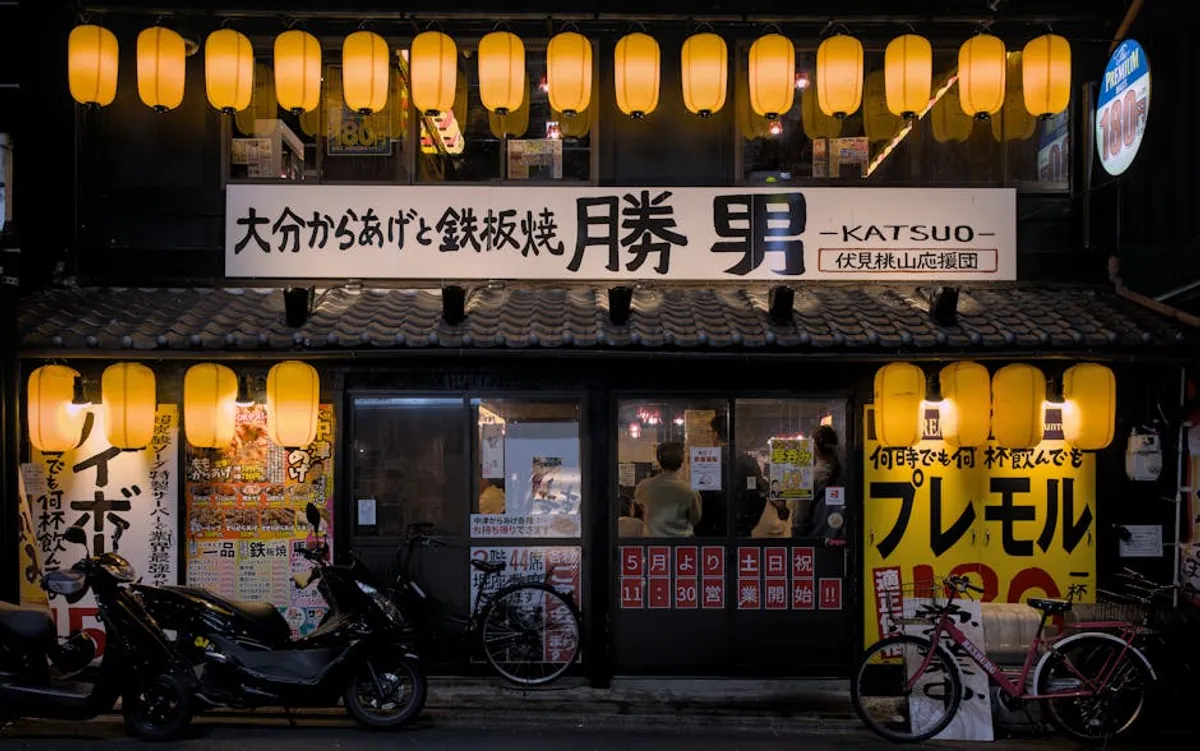
Creating an effective izakaya guide transcends simple listings; it requires a strategic approach to content that informs, engages, and ultimately drives commercial outcomes for your audience or your own business. For SEO professionals, marketers, site owners, and agencies, an izakaya guide represents a valuable content asset capable of capturing specific search intent, building authority, and generating tangible leads or conversions. The goal is to produce a resource that not only answers user queries but also establishes itself as a definitive source for experiencing Japanese izakaya culture.
Understanding the Izakaya Concept for Content Creation
An izakaya is more than just a restaurant; it's a social institution in Japan, characterized by its informal atmosphere, diverse small plates (otsumami), and wide selection of alcoholic beverages, particularly sake and beer. For content creators, understanding this core identity is crucial for crafting guides that resonate. Misrepresenting or oversimplifying the izakaya experience diminishes the guide's authenticity and utility.
Defining the Core Experience for Your Audience
When developing an izakaya guide, articulate what defines the experience. This includes the communal dining style, the typical menu structure (small, shareable dishes), the focus on drinks as much as food, and the often lively, bustling ambiance. Your content should prepare readers for this social setting, managing expectations and enhancing their enjoyment. For instance, explaining the concept of "kanpai" (cheers) or the customary ordering of drinks first adds practical value.
Key Elements to Highlight in Your Guide
Effective izakaya guides move beyond basic addresses and opening hours. They delve into specific differentiators. Consider highlighting:
- Specialty Dishes: Many izakayas are known for particular items, such as yakitori, sashimi, tempura, or regional specialties. Detail these signature offerings.
- Beverage Selection: Describe the range of sake, shochu, beer, and other drinks. Mentioning unique craft beers or rare sake varieties can be a significant draw.
- Atmosphere and Seating: Is it a cozy, traditional spot with tatami rooms, or a modern, bustling establishment? Does it offer counter seating (great for solo diners) or private rooms?
- Price Range: Provide a realistic indication of cost per person, often expressed as "¥¥" or "mid-range," to help users budget effectively.
- Target Demographic: Is it family-friendly, ideal for business dinners, or a late-night spot for friends?
Structuring Your Izakaya Guide Content for Maximum Impact
A well-structured guide facilitates user navigation and information retrieval, which directly impacts engagement metrics and search engine performance. Logical flow and clear segmentation are paramount.
Essential Sections for User Value
Organize your guide into distinct, actionable sections. A typical structure might include:
- Introduction to Izakayas: A brief overview for newcomers.
- How to Choose an Izakaya: Criteria like location, budget, occasion, and specialty.
- Featured Izakayas: Detailed profiles of specific establishments. Each profile should be a mini-review, not just a listing.
- Menu Glossary: Explain common izakaya dishes and drinks.
- Izakaya Etiquette: Practical tips on ordering, sharing, and payment.
- Tips for Tourists/First-Timers: Address common concerns like language barriers or reservation processes.
Incorporating Visual and Experiential Elements
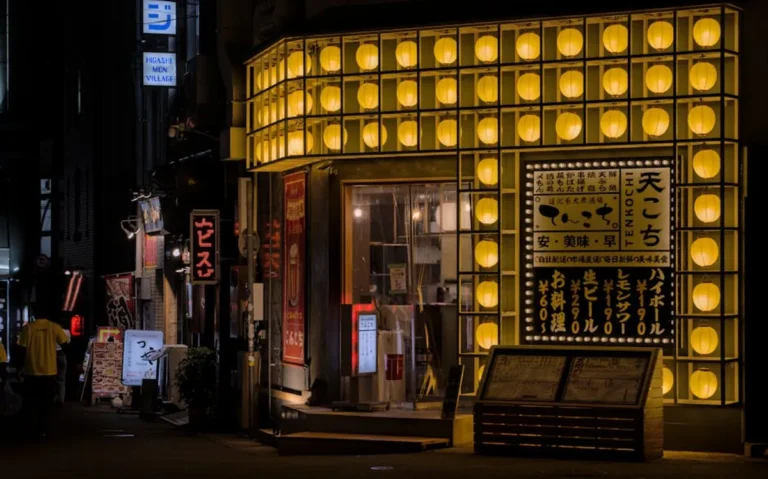
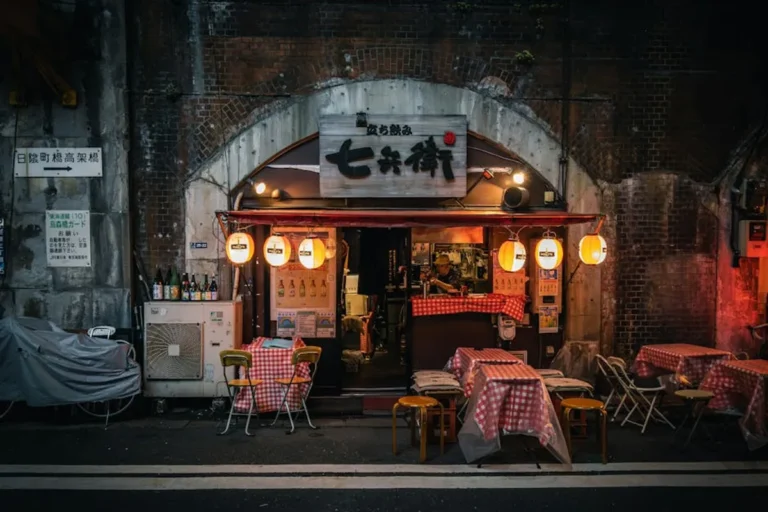
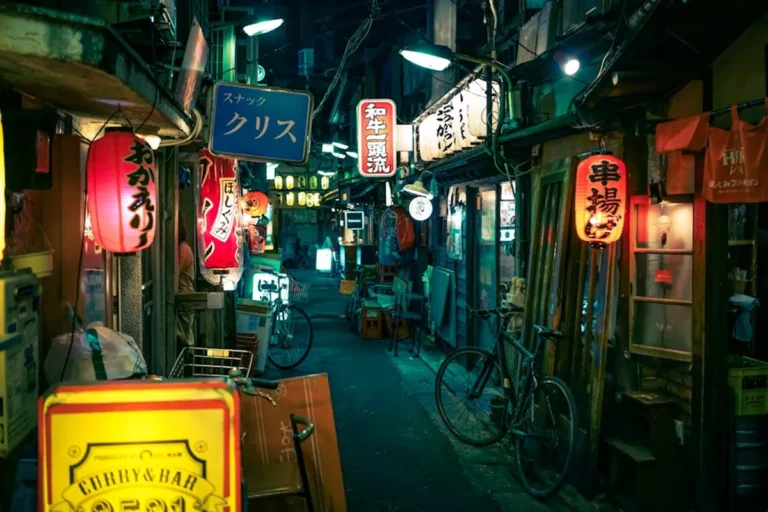
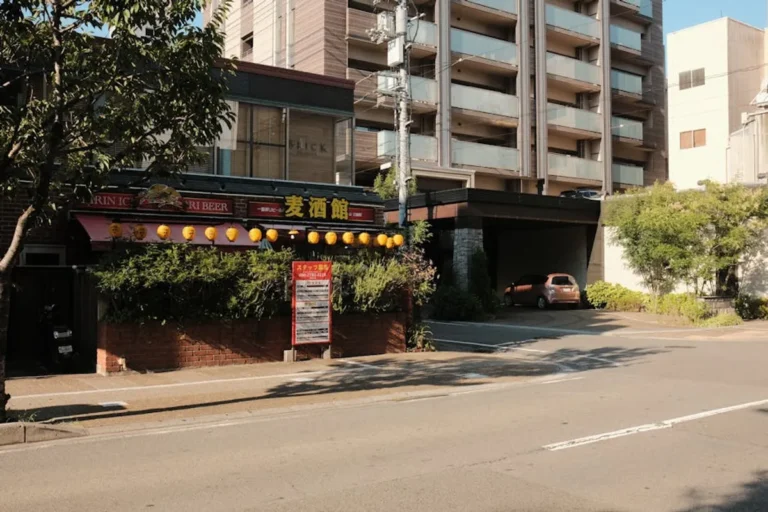
Izakayas are highly visual and experiential. High-quality imagery and descriptive language are non-negotiable. Include:
- Professional Photography: Showcase the food, drinks, interior, and general ambiance. User-generated content, with permission, can also add authenticity.
- Descriptive Language: Use sensory details to evoke the experience. Instead of "good food," write "crispy chicken karaage with a hint of ginger" or "smoky grilled skewers."
- Interactive Maps: Embed maps with pinned locations of featured izakayas, allowing users to plan their visits geographically.
Pro Tip: Beyond static images, consider short video clips or 360-degree virtual tours if resources permit. These immersive elements significantly increase time on page and provide a richer understanding of the izakaya's atmosphere, directly addressing user intent for experiential content.
Optimizing for Discoverability and Engagement
Even the most comprehensive guide will fail without proper optimization. SEO considerations must be integrated from the content planning stage.
Keyword Integration and Search Intent
Research relevant keywords that align with user intent. This includes broad terms like "best izakaya [city]" to more specific long-tail queries such as "izakaya with private rooms [neighborhood]" or "vegetarian izakaya options [district]." Integrate these naturally within headings, body text, and image alt attributes. Focus on informational and navigational intent for discovery, and commercial intent for conversion.
Example Keyword Clusters:
- Local Search: "izakaya Shinjuku," "Tokyo izakaya recommendations"
- Cuisine Specific: "yakitori izakaya," "sashimi izakaya"
- Experience Focused: "cheap izakaya," "izakaya with English menu"
Local SEO Considerations
For guides featuring specific establishments, local SEO is paramount. Ensure each featured izakaya has accurate Name, Address, Phone (NAP) information. If applicable, encourage schema markup (e.g., Restaurant schema.org) for individual izakaya listings to enhance visibility in local search results and rich snippets. User reviews and ratings, if integrated, also contribute to local search authority and social proof.
Monetization and Business Integration
An izakaya guide can serve as a powerful tool for revenue generation or business growth, extending beyond mere informational value.
Affiliate Opportunities and Partnerships
Integrate affiliate links for reservation platforms (e.g., TableCheck, OpenTable if available for Japan). Partner directly with izakayas for sponsored content, featured listings, or exclusive deals. Clearly disclose any sponsored content to maintain user trust and comply with advertising guidelines. This provides direct commercial value while offering users convenient booking options.
Driving Foot Traffic and Reservations
For businesses owning or managing izakayas, the guide directly drives reservations and foot traffic. Include clear calls-to-action (CTAs) within each profile, such as "Book Now" buttons or direct links to reservation pages. Ensure mobile-friendliness, as many users will be searching on the go. For content publishers, the guide can generate leads for travel agencies, tour operators, or local businesses.
Practical Application: Crafting a Definitive Izakaya Resource
To create a guide that stands out, focus on depth and relevance. Instead of a superficial list, aim for a curated selection that reflects diverse tastes and budgets. Regularly update information, especially opening hours, menu changes, and seasonal offerings. Solicit and integrate user feedback to continuously improve the guide's utility. A definitive resource is not static; it evolves with the subject matter and user needs, solidifying its authority over time.
Frequently Asked Questions
What makes an izakaya guide truly effective?
An effective izakaya guide provides specific, actionable recommendations, authentic cultural context, high-quality visuals, and practical information like price ranges and ambiance details, all while being easily discoverable through search.
How can an izakaya guide drive commercial outcomes?
It drives commercial outcomes by integrating affiliate links for reservations, partnering with featured establishments for sponsored content, and serving as a lead generation tool for related services, directly converting informed interest into bookings or sales.
How often should an izakaya guide be updated?
Izakaya guides should be reviewed and updated at least annually, or more frequently if specific establishments undergo significant changes in menu, hours, or ownership. Seasonal recommendations may require quarterly updates.
Should I include pricing details for izakayas?
Yes, including a clear, indicative price range (e.g., "¥¥" or "mid-range") for each izakaya is crucial. This manages user expectations and helps them find options within their budget, enhancing the guide's practical utility.