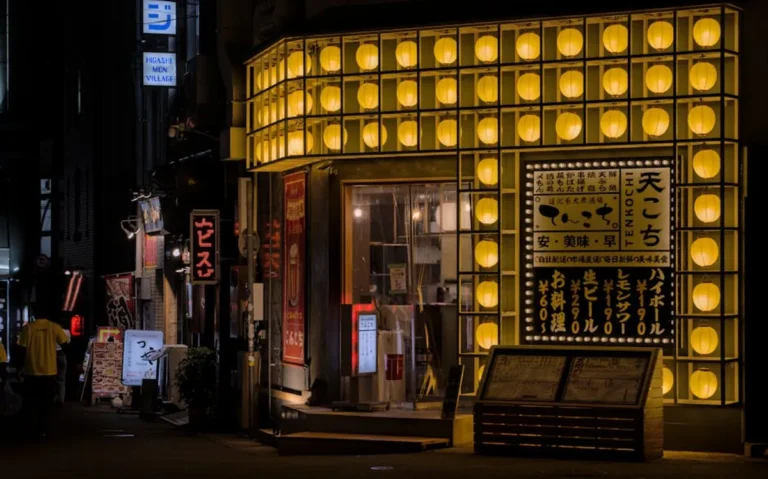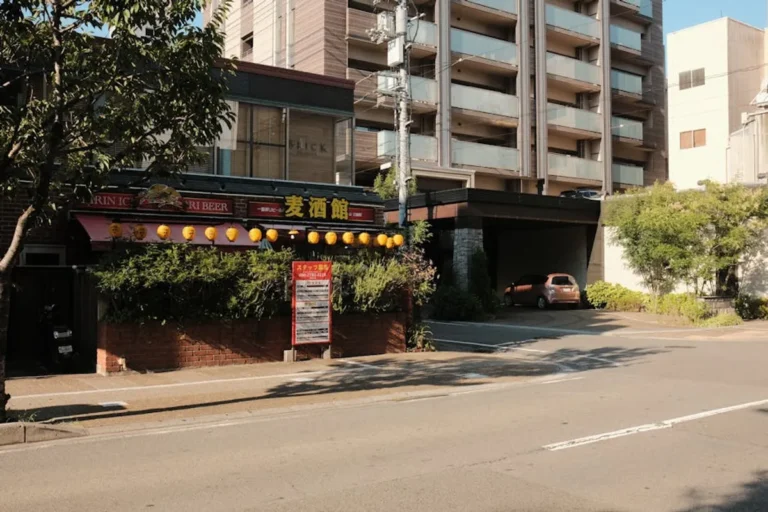
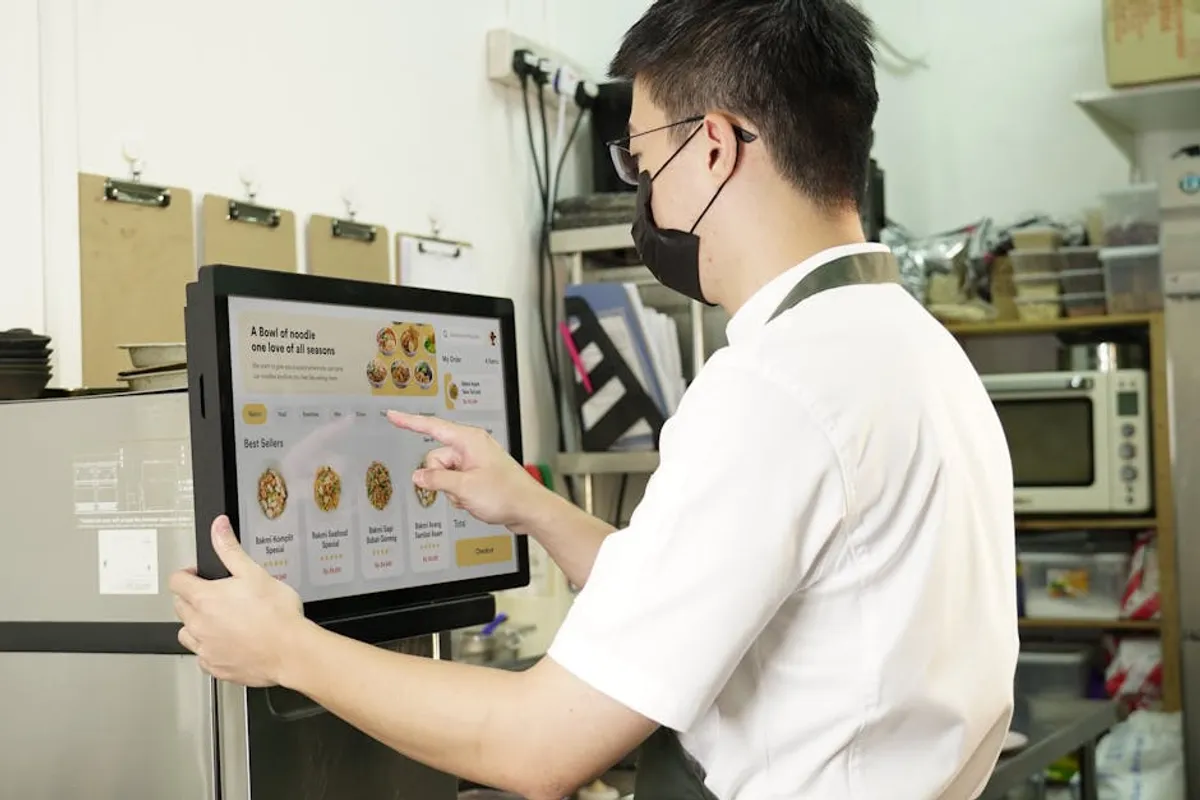
Izakaya Guide functions as a specialized digital platform designed to connect users with Japanese izakaya establishments, streamlining the discovery process for both seasoned diners and new explorers. Its core utility lies in aggregating detailed information, user-generated content, and practical search functionalities to facilitate informed dining decisions. For individuals seeking a specific type of izakaya experience—whether by cuisine, ambiance, location, or unique offerings—the platform aims to reduce research friction and enhance the likelihood of a satisfactory outcome.
How Izakaya Guide Connects Diners with Authentic Experiences
The operational framework of Izakaya Guide centers on a multi-faceted approach to restaurant discovery and information dissemination. It integrates structured data with community input to provide a comprehensive view of available izakayas.
Navigating Discovery: Search and Filtering Mechanisms
Users initiate their interaction with Izakaya Guide primarily through its search interface. This system allows for granular control over results, moving beyond simple location-based queries. Key search parameters include geographical proximity (current location or specified area), specific cuisine types (e.g., yakitori, sashimi, oden), price range, and operational hours. Advanced filters enable users to refine searches further by criteria such as presence of English menus, private rooms, non-smoking sections, or specific drink selections (e.g., craft sake, shochu varieties). This layered filtering capability ensures that users can pinpoint establishments aligning with their precise preferences, minimizing time spent sifting through irrelevant options.
In-Depth Profiles: What Each Listing Provides
Each izakaya listed on the platform features a dedicated profile page, designed to supply critical decision-making information at a glance. These profiles are structured to offer a holistic overview, addressing common diner inquiries. A typical listing includes:
- Location Details: Full address, interactive map integration, and directions from common transit points.
- Operating Hours: Daily and weekly schedules, including any special holiday hours or temporary closures.
- Contact Information: Phone numbers for reservations or inquiries, and sometimes direct links to official websites.
- Menu Highlights: Representative dishes, price indications, and often actual menu scans or photo galleries.
- Ambiance and Facilities: Descriptions of the interior, seating arrangements (counter, table, private rooms), and amenities like Wi-Fi or accessibility features.
- User Reviews and Ratings: Aggregated scores and individual testimonials from past patrons, often categorized by aspects like food quality, service, or atmosphere.
- Photo Galleries: User-submitted and establishment-provided images of food, drinks, and interior/exterior.
This consolidated data set aims to replicate the experience of an informed local recommendation, providing context beyond basic contact details.
Community Contributions: User Reviews and Recommendations
A significant component of Izakaya Guide’s functionality relies on its user community. Registered users can submit ratings, write detailed reviews, and upload photos of their dining experiences. This user-generated content (UGC) serves several purposes: it provides fresh perspectives on establishments, highlights specific dishes or service aspects, and acts as a dynamic feedback loop. The aggregation of multiple reviews offers a more balanced and current impression of an izakaya, complementing the static information provided by the platform itself. This collaborative data enrichment model ensures that listings remain relevant and reflective of actual diner experiences.
Ensuring Accuracy: The Platform's Data Management
The utility of Izakaya Guide is directly tied to the accuracy and timeliness of its information. The platform employs a multi-pronged approach to data acquisition and maintenance.
Content Sourcing and Verification Processes
Initial izakaya data is often sourced from publicly available business registries, official establishment websites, and direct submissions from owners. However, this foundational data undergoes continuous verification. The platform utilizes algorithms to cross-reference information from various sources and flags discrepancies. For critical details like operating hours or addresses, manual checks may be conducted, especially for highly-trafficked or recently updated listings. This layered verification process is crucial for maintaining user trust and preventing outdated information from misguiding diners.
Maintaining Current Information
Beyond initial verification, Izakaya Guide implements mechanisms for ongoing data refresh. User reports of incorrect information play a vital role; users can flag outdated details directly on an izakaya's profile. Additionally, the platform may periodically reach out to establishment owners to confirm details or update their listings with new menu items or seasonal changes. This iterative update cycle ensures that the information presented to users remains as current as possible, reflecting the dynamic nature of the hospitality industry.
Optimizing Your Izakaya Search
To fully leverage Izakaya Guide, users can employ specific strategies that go beyond basic keyword searches.
Leveraging Advanced Filters for Specific Needs
Instead of relying solely on broad categories, utilize the granular filtering options. For example, if you are vegetarian, specifically search for "vegetarian options" or "plant-based dishes" within the cuisine filters, rather than just browsing all izakayas. Similarly, if planning a business dinner, filter for "private rooms" or "quiet ambiance" to narrow down suitable choices. This precision in filtering significantly reduces the cognitive load of decision-making by eliminating unsuitable options upfront.
The Impact of User-Generated Content
When evaluating an izakaya, pay close attention to the most recent user reviews. These often provide the most current insights into service quality, popular dishes, and any recent changes to the establishment. Look for recurring themes in reviews—positive or negative—as these often indicate consistent aspects of the dining experience. Contributing your own reviews, particularly after a unique or noteworthy experience, helps maintain the platform's utility for future users.
Pro Tip: Always cross-reference critical information like reservation requirements and current operating hours directly with the izakaya's official website or by phone, especially for highly rated or popular establishments. While Izakaya Guide strives for accuracy, real-time changes can occur, and direct confirmation minimizes potential disappointment.
Enhancing Your Izakaya Journey
Izakaya Guide provides a structured framework for discovering and evaluating Japanese izakayas. By understanding its search capabilities, the depth of its establishment profiles, and the role of its user community, diners can navigate the diverse landscape of izakaya dining with greater confidence. The platform's continuous efforts in data curation and verification aim to deliver a reliable resource, allowing users to focus on the experience rather than the logistics of finding a suitable venue.
Frequently Asked Questions
How does Izakaya Guide ensure information accuracy?
The platform combines initial data sourcing from official channels with ongoing verification through algorithms, manual checks, and user-reported feedback to maintain up-to-date information.
Can I make reservations directly through Izakaya Guide?
While some izakaya profiles may include direct links to reservation systems or phone numbers, Izakaya Guide itself typically does not process reservations directly. It functions primarily as an information and discovery platform.
Is Izakaya Guide available in languages other than Japanese?
Functionality and language support vary, but many features, including key search terms and profile information, are often presented with English translations or in a multilingual interface to assist international users.
How can I report incorrect information on a listing?
Most izakaya profile pages include a "Report an issue" or "Suggest an edit" function, allowing users to flag outdated or incorrect details for review by the platform's data management team.