
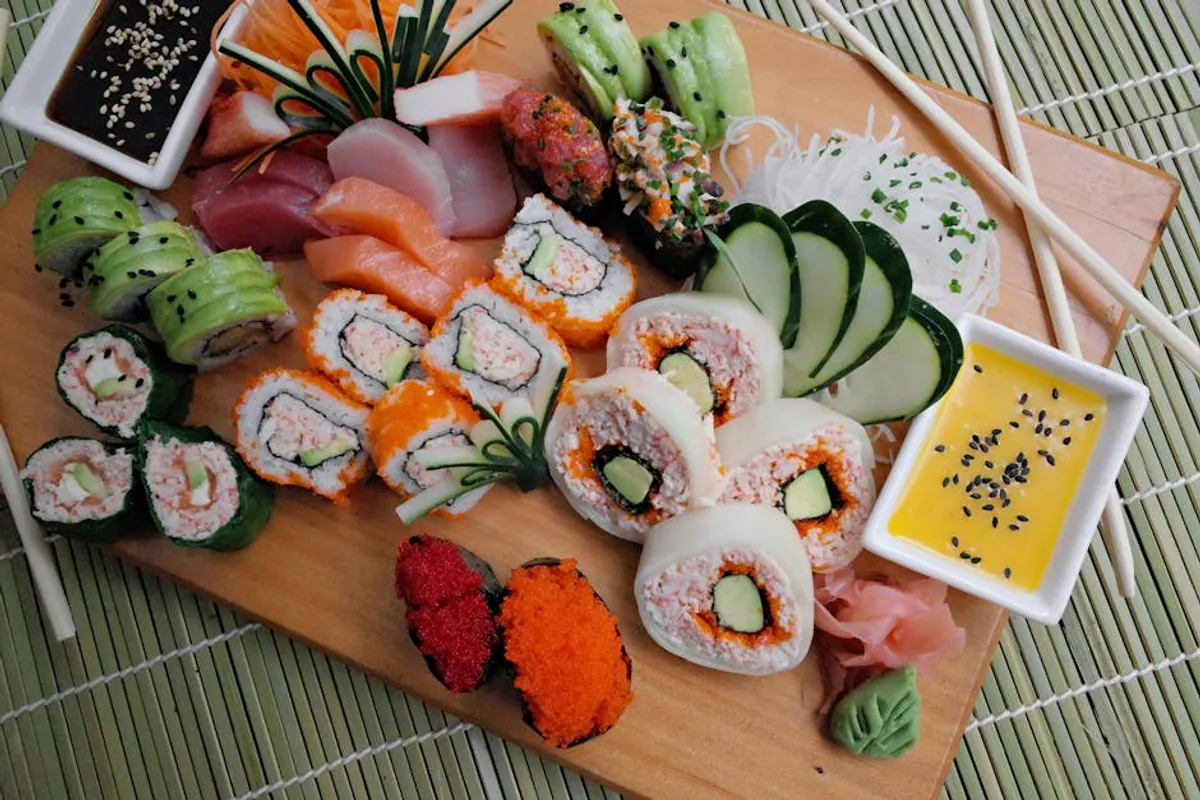
Navigating a sushi restaurant, especially in a professional or formal setting, involves more than just selecting dishes from a menu. Understanding sushi etiquette is a nuanced skill that reflects respect for the cuisine, the chef, and fellow diners. This knowledge is particularly valuable for professionals in client-facing roles, international business, or anyone aiming to project a polished image. The subtle cues and traditions surrounding sushi dining can significantly impact social and business interactions, influencing perceptions of professionalism and cultural awareness. Mastering these customs ensures not only a more enjoyable meal but also demonstrates a level of sophistication that can be advantageous in various commercial contexts. This knowledge is particularly valuable for professionals in client-facing roles, international business, or anyone aiming to project a polished image, as understanding these subtle cues and traditions can significantly impact social and business interactions, influencing perceptions of professionalism and cultural awareness.
Pre-Meal Preparations and Arrival
Before even stepping into the restaurant, certain considerations set the tone. Punctuality is paramount, particularly for reservations. Arriving on time or a few minutes early shows respect for the restaurant's schedule and the chef's preparation. If dining with a group, confirm the reservation details and any dietary restrictions in advance to avoid last-minute disruptions. Once seated, observe the general ambiance. High-end sushi establishments often prioritize a tranquil environment; loud conversations or disruptive phone use are generally discouraged.
Engaging with the Chef and Ordering
The relationship with the sushi chef, especially at the counter, is central to the experience. When opting for omakase (chef's choice), you implicitly trust the chef's expertise and judgment. This is often the preferred route for a truly authentic and high-quality meal. If ordering a la carte, consider the flow of the meal. Start with lighter white fish or sashimi before moving to richer, oilier cuts or nigiri. Avoid ordering an excessive amount at once; it's better to order in stages, allowing the chef to pace the meal and ensure freshness.
Pro Tip: When dining omakase, avoid making specific requests or substitutions unless you have a severe allergy. Trusting the chef's selection is a sign of respect and often leads to the best culinary journey. If you must communicate a preference, do so politely and concisely.
Chopstick Mastery and Hand Usage
Proper chopstick use is a fundamental aspect of sushi etiquette. Hold them firmly but not rigidly, avoiding pointing them at others or using them to spear food. When not in use, place them neatly on the chopstick rest or across your bowl, never sticking them upright in rice. For nigiri (rice with fish on top), it is perfectly acceptable, and often preferred, to use your hands. This allows for better control and helps maintain the delicate structure of the rice. For sashimi or rolls, chopsticks are more practical. Always use the wider end of your chopsticks to serve food from a communal plate to your own, if applicable, rather than the end you put in your mouth.
Soy Sauce, Wasabi, and Ginger Application
The use of soy sauce and wasabi is often misunderstood. The goal is to enhance the flavor of the fish, not to overpower it.
Soy Sauce: Pour a small amount into the designated dish. Dip only the fish side of nigiri into the soy sauce, never the rice, as the rice absorbs too much and can fall apart. For sashimi, a light dip is sufficient.
Wasabi: In traditional sushi, the chef often adds the appropriate amount of wasabi between the fish and rice of nigiri. Adding more is generally seen as an insult to the chef's skill. If extra wasabi is provided, it's typically for sashimi. Avoid mixing wasabi directly into your soy sauce; this is a Westernized practice not common in Japan.
Gari (Pickled Ginger): This serves as a palate cleanser between different types of fish, not as a condiment for the sushi itself. Eat a small piece of ginger after each distinct sushi piece to refresh your taste buds and appreciate the next flavor profile.
The Art of Eating Sushi
Sushi, particularly nigiri, is designed to be eaten in one bite. This ensures you experience the harmonious blend of fish, rice, and wasabi as intended. For larger pieces, it's acceptable to take two bites, but try to minimize this. When eating nigiri, turn it on its side to dip the fish into soy sauce, then place the entire piece into your mouth fish-side down. This allows the fish to hit your tongue first, maximizing flavor. Avoid chewing aggressively or talking with your mouth full.
Beverage and Conversation Protocol
The choice of beverage often complements the meal. Sake, green tea, or even beer are common pairings. When pouring sake for others, always offer to pour for your companions first, holding the bottle with both hands, and allow them to pour for you. A simple nod or "thank you" is appropriate acknowledgment. Maintain a respectful volume of conversation, especially in intimate sushi bars. Keep phone calls outside and silence notifications to preserve the serene dining atmosphere.
- Avoid strong perfumes or colognes, as they can interfere with the delicate aromas of the sushi.
- Do not pass food directly from your chopsticks to another person's chopsticks; this resembles a funerary ritual.
- Never rub chopsticks together after breaking them apart; it implies the chopsticks are cheap or poorly made.
- Eat all rice grains from your plate; leaving rice is considered wasteful.
Concluding the Meal
Upon finishing, you may signal completion by placing your chopsticks neatly on the rest or back in their paper sleeve. If you've had an exceptional experience, a polite "Gochisousama deshita" (thank you for the meal) directed towards the chef or staff is a thoughtful gesture. Tipping customs vary greatly by region and establishment type. In some traditional Japanese settings, tipping is not expected or even accepted, while in Western countries, standard restaurant tipping practices apply. Observe local customs or inquire discreetly if unsure.
Enhancing Your Professional Dining Repertoire
Understanding and applying sushi etiquette extends beyond mere politeness; it's a demonstration of cultural intelligence and attention to detail. For business professionals, these nuances can subtly reinforce a positive impression, fostering stronger client relationships and more productive networking opportunities. Approaching a sushi meal with knowledge and respect for its traditions transforms it from a simple dining experience into a sophisticated cultural exchange, reflecting positively on your personal brand.
Frequently Asked Questions
Can I ask for a fork instead of chopsticks?
While most sushi restaurants will provide a fork upon request, it is generally preferred to use chopsticks or your hands for nigiri. Using a fork might signal unfamiliarity with the cuisine.
Is it rude to leave food on my plate?
Yes, it is considered impolite to leave food, especially rice. Order conservatively and request additional items if you are still hungry, rather than over-ordering initially.
Should I eat all the ginger and wasabi provided?
No, ginger (gari) is for palate cleansing between different fish, and wasabi is typically added by the chef. You are not expected to consume all of either; use them sparingly as intended.
How do I properly thank the chef?
A simple, sincere "Arigato gozaimasu" or "Gochisousama deshita" (thank you for the meal) directed at the chef as you leave is a respectful way to show appreciation for their craft and service.