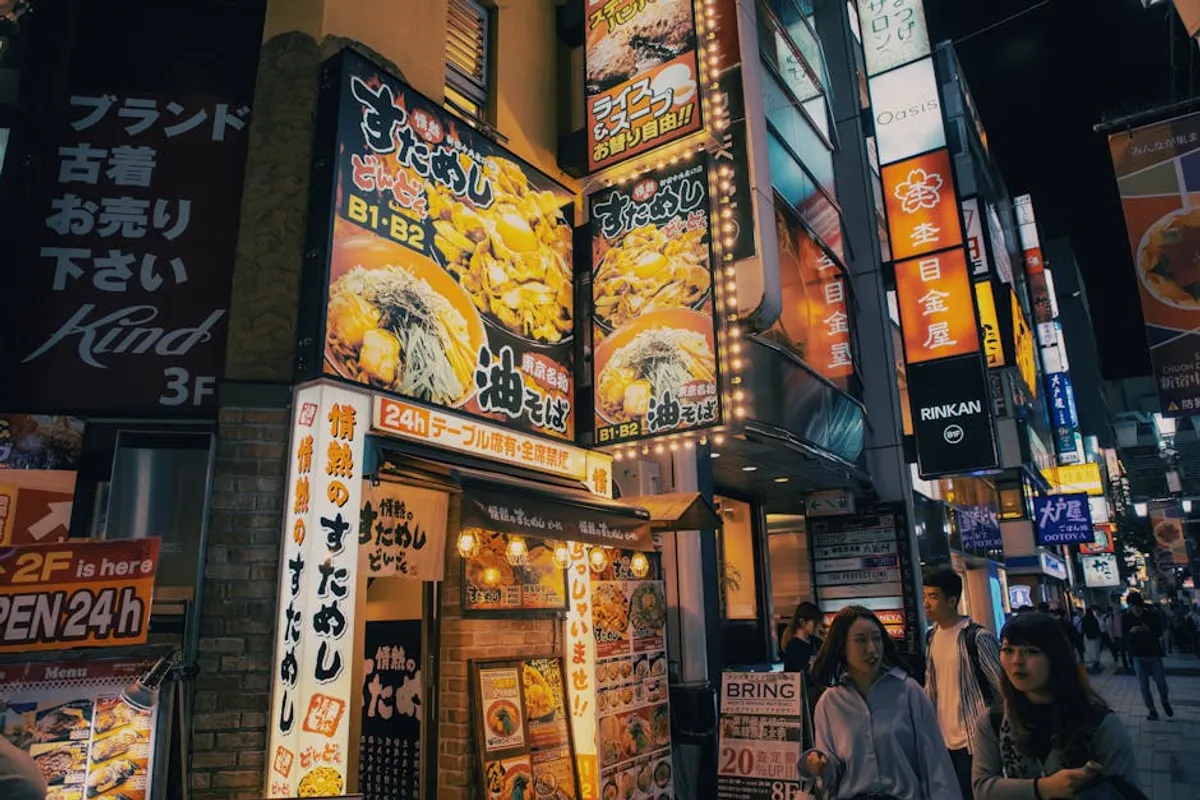
For any entity developing food guides, content platforms, or travel services focused on Tokyo, understanding the current culinary landscape is critical. The city's food scene is dynamic, influenced by evolving consumer preferences, digital consumption habits, and a renewed emphasis on authenticity. Simply listing restaurants no longer suffices; successful content identifies and leverages underlying trends to provide value that resonates with modern diners and travelers. This requires moving beyond surface-level observations to pinpoint shifts in what, where, and how people discover and experience food in Tokyo. For a comprehensive understanding, consider consulting a complete overview of Tokyo's food scene to grasp the foundational elements before diving into specific trends.
Identifying Emerging Culinary Themes
Tokyo's food culture is a blend of deep tradition and rapid innovation. Commercial food guides must navigate this duality by highlighting themes that offer both novelty and a sense of place.
Hyper-Local Specialization
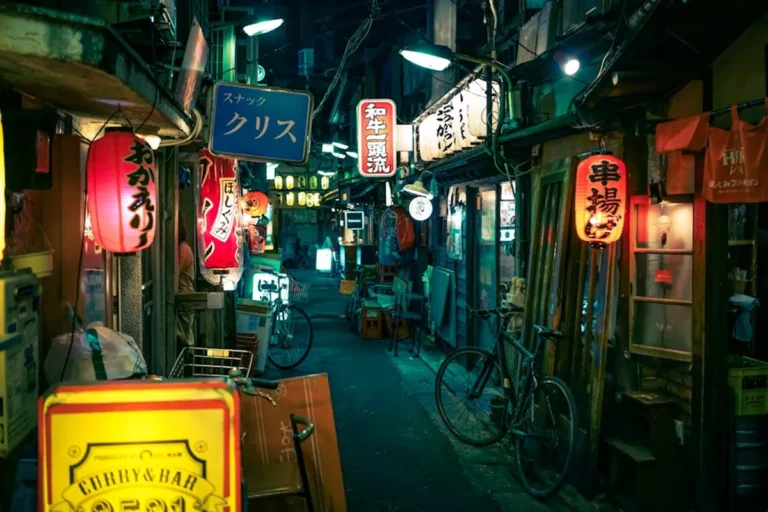
Diners are increasingly seeking out highly specialized experiences rooted in specific districts or even individual streets. This isn't just about finding a good ramen shop; it's about identifying the best tsukemen in a particular Shibuya alley, or a family-run yakitori spot in a hidden Shinjuku lane. Content that captures this specificity offers significant value.
Commercial Relevance:
- Niche Content Creation: Develop guides focused on "The 5 Best Curry Shops in Shimokitazawa" or "Hidden Izakayas of Golden Gai." This targets highly engaged users with specific interests.
- Targeted Marketing: Promote content to audiences interested in specific neighborhoods or food types, leveraging geographic and behavioral data.
- Specialized Tours: Create curated food tours centered around a single dish or a micro-district, offering unique experiences difficult to replicate independently.
Sustainable and Ethical Sourcing
Global awareness of sustainability has firmly taken root in Tokyo's dining scene. Consumers, particularly younger demographics and international visitors, are scrutinizing ingredient origins, environmental impact, and ethical labor practices. This trend extends beyond veganism to encompass local, seasonal, and organic produce, as well as nose-to-tail dining and waste reduction efforts.
Commercial Relevance: Highlight restaurants that actively promote:
- Farm-to-table practices and direct relationships with producers.
- Menus featuring seasonal, locally sourced ingredients.
- Plant-based or vegetarian options that go beyond simple substitutions.
- Efforts to minimize food waste and support sustainable fishing/farming.
Guides that feature these establishments appeal to a growing segment of conscious consumers and position content as forward-thinking.
Digital Engagement and Content Formats
The way people discover food in Tokyo has fundamentally shifted. Static lists and lengthy reviews are being complemented, and often supplanted, by dynamic, visual, and interactive digital formats.
Short-Form Video Dominance
Platforms like TikTok, Instagram Reels, and YouTube Shorts are now primary discovery channels for food experiences. Visually compelling, short-form videos that capture the essence of a dish, the ambiance of a restaurant, or the process of preparation resonate strongly. Authenticity and rapid information delivery are key.
Commercial Relevance:
- Visual Storytelling: Prioritize high-quality, engaging video content for guides, showcasing not just the food but the atmosphere and unique selling points.
- Influencer Partnerships: Collaborate with local food influencers who excel at short-form video to reach wider, engaged audiences.
- Platform Optimization: Adapt content strategies for platforms where short-form video thrives, understanding their specific algorithms and user behaviors.
Interactive Maps and AR Experiences
Beyond static textual recommendations, users expect interactive tools that enhance navigation and discovery. Integrating food guide content with map functionalities, real-time availability, and even augmented reality (AR) features offers a superior user experience.
Commercial Relevance:
- Dynamic Guide Features: Develop or integrate interactive maps that allow users to filter restaurants by cuisine, price, or specific dietary needs, and see real-time walking directions.
- Enhanced Discovery: Explore AR applications that could overlay restaurant information, menu translations, or even virtual queues directly onto a user's camera view as they walk through Tokyo's streets.
- User-Generated Content Integration: Allow users to contribute tips, photos, or short reviews directly onto map points, fostering community and fresh content.
Pro Tip: While chasing trends is essential, always prioritize authenticity. Tokyo's culinary scene values genuine quality and unique experiences. Avoid creating content that feels superficial or solely driven by fleeting fads, as this can undermine long-term credibility with discerning food enthusiasts.
Experience-Driven Dining
Dining in Tokyo is increasingly about more than just the meal; it's about the holistic experience, from thematic immersion to intimate chef interactions.
Themed Cafes and Restaurants
Tokyo excels at themed dining, from anime and character cafes to establishments recreating historical periods or specific cultural aesthetics. While often associated with novelty, a growing number of these venues are prioritizing food quality and service alongside their immersive environments.
Commercial Relevance:
- Targeted Audience Segments: Create guides specifically for fans of certain anime, pop culture, or historical themes, tapping into passionate communities.
- Unique Selling Propositions: Highlight the specific elements that make a themed restaurant stand out, whether it's exclusive merchandise, unique menu items, or interactive elements.
- Event Integration: Promote themed dining experiences alongside relevant events, exhibitions, or seasonal celebrations in Tokyo.
Chef's Table and Omakase Evolution
The traditional omakase (chef's choice) experience continues to evolve, with a greater emphasis on storytelling, ingredient provenance, and direct interaction between diner and chef. Beyond sushi, this intimate, personalized dining style is extending to other cuisines, offering bespoke culinary journeys.
Commercial Relevance:
- Luxury and Niche Guides: Develop premium content focusing on high-end omakase experiences, chef's tables, and private dining rooms.
- Behind-the-Scenes Content: Feature interviews with chefs, detailing their philosophies, sourcing methods, and the narrative behind their menus. This adds depth and exclusivity.
- Booking Integration: For platforms, direct booking capabilities or partnerships with reservation services for these often exclusive and sought-after experiences add significant user value.
Leveraging Tokyo's Food Trends for Content Success
To create commercially viable and highly engaging Tokyo food guides, content developers must actively incorporate these trends into their strategy. This involves a commitment to dynamic content formats, an eye for hyper-local detail, and an understanding of evolving consumer values. Focus on providing actionable information that goes beyond basic recommendations, offering insights into the 'why' behind a trend and its practical implications for diners. By doing so, guides can transition from simple directories to essential resources for navigating Tokyo's complex and exciting culinary world.
Frequently Asked Questions About Tokyo Food Trends
How quickly do food trends change in Tokyo?
Tokyo's food scene is highly dynamic. While some core traditions remain, specific trends, especially those influenced by social media or global movements, can emerge and evolve rapidly, often within 6-18 months. Continuous monitoring is essential.
Are plant-based options widely available in Tokyo?
Yes, the availability of plant-based and vegetarian options has significantly increased across Tokyo, driven by both local demand and international visitor preferences. Many restaurants now clearly label vegan/vegetarian dishes, and dedicated plant-based eateries are becoming more common.
What role does social media play in Tokyo food discovery?
Social media, particularly Instagram and TikTok, plays a dominant role in food discovery in Tokyo. Visual content, short-form videos, and influencer recommendations are key drivers for both locals and tourists seeking new dining experiences.
How can food guides maintain authenticity while covering trends?
To maintain authenticity, food guides should prioritize genuine quality, unique local experiences, and thorough research. Balance coverage of trending spots with established, high-quality traditional venues. Focus on the story behind the food and the people preparing it, rather than just superficial hype.