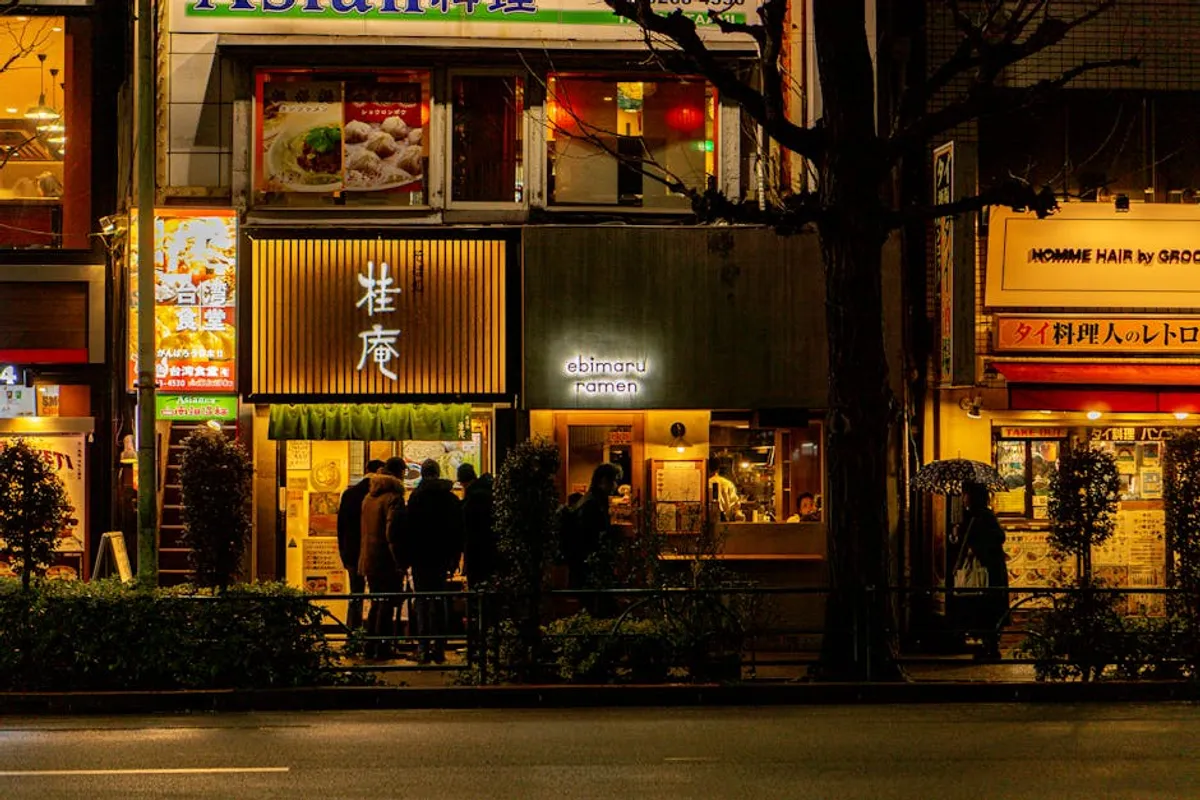
Tokyo's culinary scene offers a depth and breadth unparalleled globally, presenting both immense opportunity and potential overwhelm for visitors. Navigating this gastronomic landscape effectively requires strategic insight, not just a list of restaurants. This guide provides a structured overview, enabling you to prioritize experiences that align with specific interests, whether that's Michelin-starred precision, vibrant street food exploration, or the intimate atmosphere of an izakaya.
Understanding Tokyo's Culinary Landscape
Tokyo is not merely a city with diverse food; it is a meticulously organized culinary ecosystem where tradition intersects with innovation. The city boasts the highest concentration of Michelin stars worldwide, yet its true character often resides in the unassuming neighborhood eateries and bustling market stalls. This duality means that a truly comprehensive food experience involves sampling across this spectrum.
Consider the regional diversity available within Tokyo itself. While specific to the Kanto region, Tokyo acts as a culinary magnet, drawing in specialties from Hokkaido's seafood to Kyushu's rich ramen. Seasonal ingredients dictate menus, particularly in high-end establishments, making repeat visits across different times of the year yield entirely new experiences. Understanding this seasonal flow, such as peak tuna season or the availability of specific vegetables, enhances appreciation and informs dining choices.
Navigating Specific Dining Experiences
Street Food and Markets
For immediate immersion and a taste of local life, Tokyo's markets and street food alleys are indispensable. Tsukiji Outer Market, despite the relocation of its inner wholesale section, remains a vibrant hub for fresh seafood, tamagoyaki (rolled omelets), and various snacks. Ameya-Yokocho in Ueno offers a different energy, with stalls selling everything from grilled seafood skewers to exotic spices. These locations are best approached with an open mind and a willingness to sample multiple small dishes.
Best for: Casual exploration, budget-friendly options, immediate sensory engagement.
Izakayas and Casual Dining
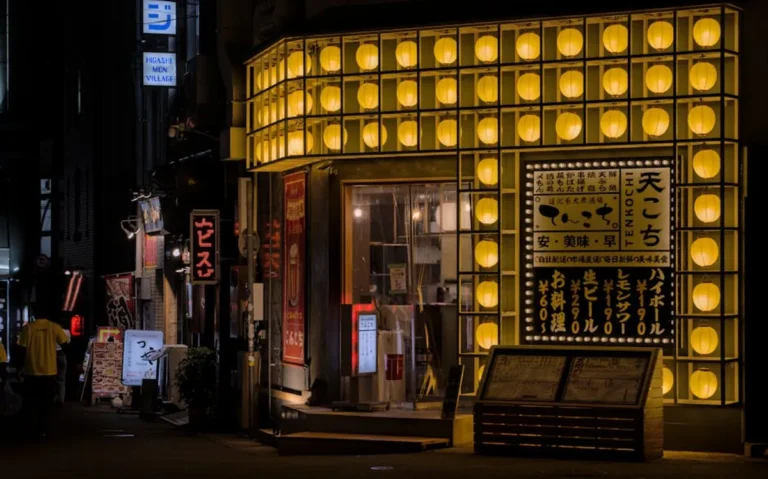
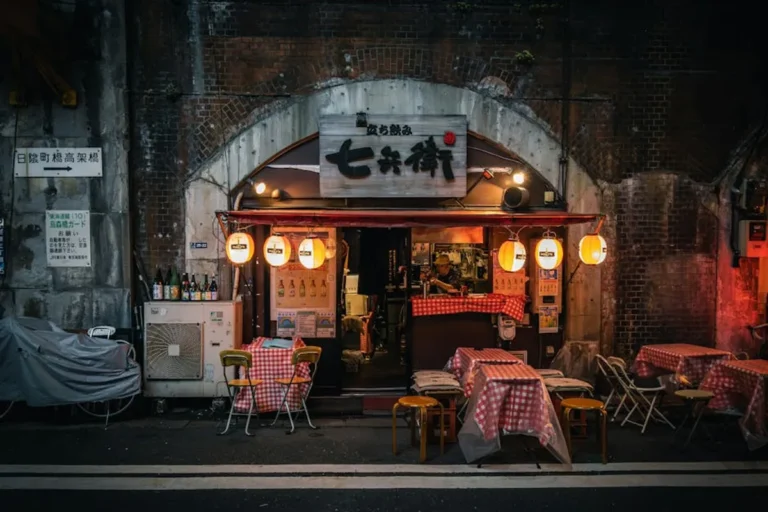
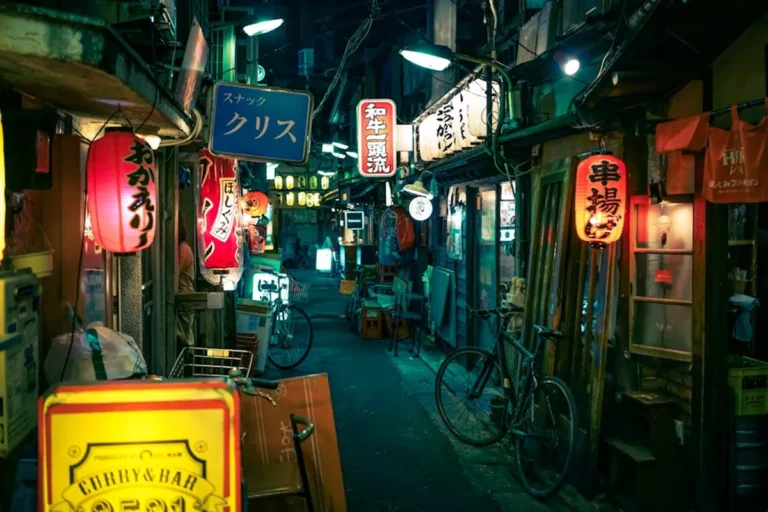
Izakayas are Japanese gastropubs, central to Tokyo's social fabric. They offer a relaxed environment for sharing small plates (yakitori, sashimi, karaage, edamame) alongside alcoholic beverages, primarily sake and beer. Ordering is typically done by ticking items on a paper slip or using a tablet. They vary from lively, smoke-filled establishments to modern, chic venues. For a truly local experience, seek out a "yokocho" (alleyway) filled with small, independent izakayas.
Best for: Social dining, experiencing local nightlife, sampling a wide variety of dishes.
Fine Dining and Omakase
Tokyo's fine dining scene is globally renowned. This includes traditional kaiseki (multi-course haute cuisine), sushi omakase (chef's choice), and innovative French or Italian establishments. Securing reservations for these venues is critical, often requiring booking months in advance, sometimes through a hotel concierge or specialized booking service. An omakase experience, particularly for sushi, is an intimate interaction with the chef, showcasing their expertise and the day's freshest ingredients.
Best for: Special occasions, discerning palates, experiencing culinary artistry.
Key Dishes and Must-Try Foods
A focused approach to Tokyo's staples ensures you cover foundational culinary experiences:
- Sushi & Sashimi: Beyond conveyor belt options, seek out dedicated sushi counters for quality.
- Ramen: Explore regional styles like Shoyu (soy sauce base), Miso (fermented soybean paste), Shio (salt base), and Tonkotsu (pork bone broth). Each offers distinct flavor profiles.
- Tempura: Lightly battered and deep-fried seafood and vegetables. High-end tempura is an art form, with precise oil temperatures and fresh ingredients.
- Yakitori: Skewered and grilled chicken, often using every part of the bird, seasoned with tare (sweet soy glaze) or salt.
- Udon & Soba: Thick wheat noodles (udon) and thin buckwheat noodles (soba), served hot in broth or cold with dipping sauce.
- Okonomiyaki & Monjayaki: Savory pancakes (Okonomiyaki) and a runnier, more liquid version (Monjayaki), cooked on a griddle at your table.
- Wagyu: Japanese beef, famed for its marbling and tenderness. Available in various preparations, including teppanyaki and sukiyaki.
Practical Considerations for Dining in Tokyo
Navigating Tokyo's dining scene efficiently involves understanding local customs and logistics:
Pro Tip: Many smaller, authentic Tokyo eateries operate on a cash-only basis. Always carry sufficient Japanese Yen, especially when exploring local markets or less tourist-centric neighborhoods, to avoid missing out on unique culinary experiences. Confirm payment options beforehand if possible.
Reservations are non-negotiable for popular restaurants and fine dining. Utilize online booking platforms, hotel concierge services, or third-party reservation services. For casual spots, be prepared for queues, especially during peak lunch and dinner hours. Dining etiquette is generally respectful: avoid sticking chopsticks upright in rice, do not pass food with chopsticks, and slurping noodles is acceptable as a sign of enjoyment. Tipping is not customary and can even be considered rude.
Dietary restrictions can be challenging but not impossible. While vegetarianism and veganism are gaining traction, many traditional dishes contain dashi (fish stock) or meat derivatives. Learning a few key Japanese phrases or carrying a translation card detailing your restrictions can be highly beneficial.
Maximizing Your Tokyo Food Journey
To truly unlock Tokyo's culinary potential, proactive research is paramount. Identify specific dishes or dining styles that genuinely interest you. Consider joining a local food tour, which can provide curated experiences and valuable insights from a local guide, often leading to hidden gems you might otherwise overlook. Timing your visit to coincide with specific food festivals or seasonal harvests can also enrich your experience, offering unique limited-time specialties.
Embrace the unexpected. Some of the most memorable meals come from spontaneous discoveries in a quiet alley or a recommendation from a local. Maintain flexibility in your schedule to accommodate these opportunities.
Frequently Asked Questions
Is tipping customary in Tokyo restaurants?
No, tipping is not customary in Japan and can sometimes be seen as an imposition. The service charge is typically included in the price or not expected.
How do I make reservations for popular restaurants?
For high-demand or fine dining establishments, book several weeks or even months in advance. Many require a Japanese speaker to call, so using a hotel concierge or a third-party booking service is often the most reliable method.
Are vegetarian or vegan options easily available?
While traditional Japanese cuisine often uses dashi (fish stock), vegetarian and vegan options are becoming more common, especially in larger cities like Tokyo. Look for specialized restaurants or use translation apps to communicate your dietary needs clearly.
What's the best way to find authentic local food?
Explore neighborhood eateries away from major tourist hubs, visit local markets, or consider a food tour led by a local guide. Recommendations from hotel staff or residents can also lead to genuine culinary experiences.