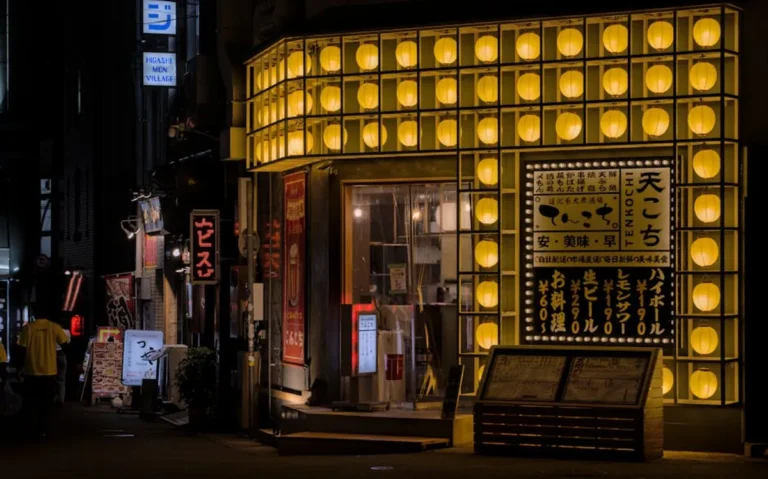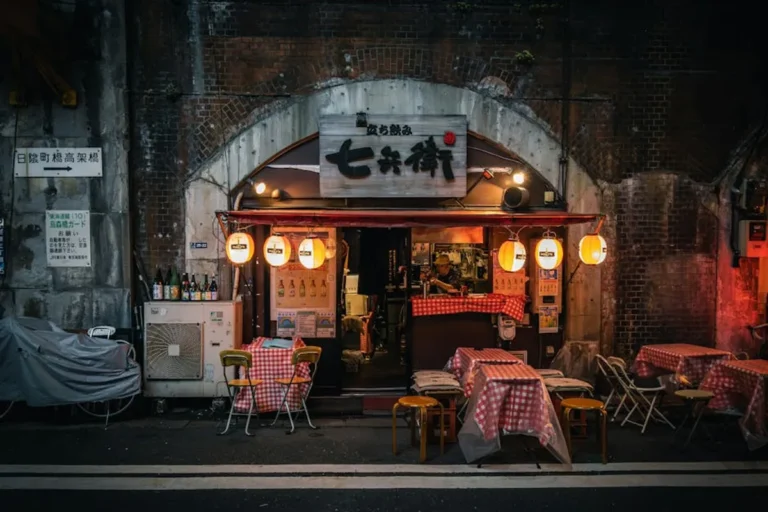
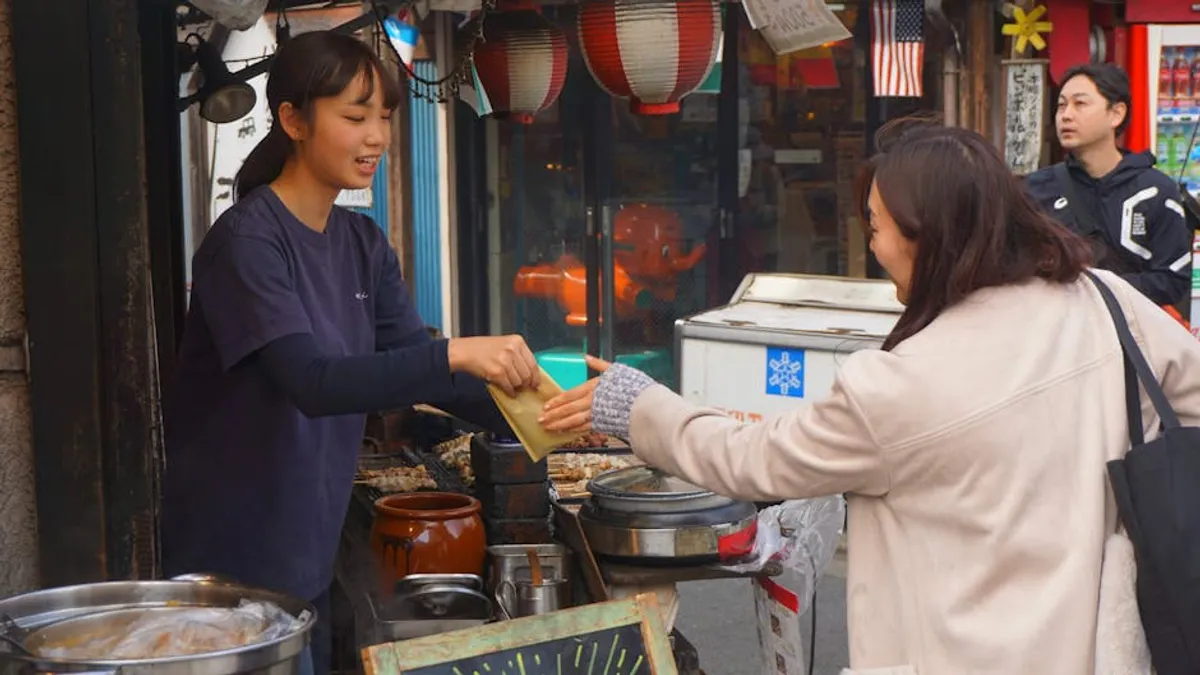
For publishers, marketers, and content strategists, the Tokyo food landscape represents a significant, evergreen content opportunity. Navigating this rich culinary scene requires more than just listing restaurants; it demands a structured approach to content creation that captures diverse search intent, establishes authority, and drives commercial outcomes. This guide outlines strategic considerations for developing, optimizing, and monetizing Tokyo food-related content, moving beyond simple restaurant recommendations to build comprehensive, high-value resources.
Understanding Search Intent for Tokyo Food Content
Effective Tokyo food content begins with a precise understanding of user intent. Search queries related to food in Tokyo span a wide spectrum, from exploratory research to immediate transactional needs. Categorizing these intentions allows for targeted content development that maximizes relevance and conversion potential.
Informational Queries: Discovery and Learning
Users with informational intent seek knowledge, inspiration, or answers to specific questions. This segment often uses broad terms or questions.
Examples: "best ramen Tokyo," "Tokyo street food etiquette," "what to eat in Shinjuku," "Japanese breakfast traditions."
Content Strategy: Develop detailed articles, comprehensive lists, and explanatory pieces. Focus on providing in-depth information, historical context, cultural nuances, and practical advice. These pieces build authority and capture early-stage searchers.
Navigational Queries: Specific Entity Search
Navigational intent centers on finding a specific restaurant, brand, or location. While often direct, content can still intercept these users by providing supplementary, useful information.
Examples: "Sushi Saito reservations," "Afuri Ramen Shibuya hours," "Tsukiji Outer Market map."
Content Strategy: Ensure accurate, up-to-date information is readily available. For specific venues, include operating hours, address, contact details, and a clear call to action (e.g., "book a table"). While not the primary target for broad guides, maintaining accurate listings within larger content pieces supports overall site authority and user experience.
Transactional/Commercial Queries: Booking and Purchase
Users with transactional intent are ready to make a booking, purchase a tour, or find a service. This intent represents the highest commercial value.
Examples: "Tokyo food tour booking," "Michelin star Tokyo restaurant reservations," "cooking classes Tokyo."
Content Strategy: Create dedicated landing pages, comparison guides, and curated recommendations with clear calls to action. Integrate affiliate links to booking platforms, tour operators, or reservation services. Focus on conversion-oriented language and highlight unique selling points.
Core Content Pillars for a Comprehensive Tokyo Food Guide
A high-performing Tokyo food guide must cover a range of topics, demonstrating breadth and depth. Structuring content around key pillars ensures comprehensive coverage and caters to diverse user needs.
Regional Culinary Deep Dives
Tokyo's districts offer distinct culinary experiences. Dedicated sections for specific areas provide granular detail that broad guides often miss.
- Shinjuku: Focus on izakayas, ramen, and nightlife dining.
- Shibuya: Highlight trendy cafes, international cuisine, and youth-oriented spots.
- Ginza: Cover high-end sushi, fine dining, and department store food halls.
- Asakusa: Emphasize traditional snacks, street food, and historical eateries.
- Tsukiji/Toyosu: Detail fresh seafood, market dining, and local specialties.
Commercial Value: These segments capture geo-specific searches and allow for targeted affiliate partnerships with local businesses or tour operators in those areas.
Niche Cuisine and Dietary Focus
Beyond general recommendations, specific dietary needs and cuisine preferences drive significant search volume.
- Vegan/Vegetarian Tokyo: List dedicated restaurants, plant-based options, and grocery stores.
- Halal Tokyo: Identify certified Halal establishments and Muslim-friendly dining.
- Specific Dish Guides: Deep dives into ramen, sushi, tempura, yakitori, or okonomiyaki, including regional variations and best spots.
Commercial Value: Tapping into these niche markets allows for less competitive keyword targeting and highly engaged audiences, often leading to higher conversion rates for specialized tours or restaurant bookings.
Practical Logistics and Etiquette
First-time visitors often seek guidance on the practicalities of dining in Tokyo. Addressing these concerns positions content as an indispensable resource.
Topics: Reservation processes, payment methods (cash vs. card), tipping culture, ordering etiquette, common phrases, navigating menus, and dietary restriction communication.
Commercial Value: This content builds trust and authority, encouraging users to return for further planning and increasing the likelihood of engaging with monetized sections of the guide.
Optimizing for Local Search and E-A-T Signals
For food-related content, establishing Expertise, Authoritativeness, and Trustworthiness (E-A-T) is critical, especially when competing with established local guides and review platforms. Local SEO plays a paramount role.
Pro Tip: Local search signals are paramount for food-related content. Google's emphasis on proximity and relevance means that a Tokyo food guide must not only be comprehensive but also deeply rooted in local knowledge and continuously updated. Generic lists without specific street-level details, current operating hours, and nuanced cultural context will struggle against authoritative local sources. Prioritize verifiable, firsthand experience and continuously refresh venue details. This approach is key to creating comprehensive local food guides that readers will trust.
Leveraging Schema Markup and Google Business Profile
Implement structured data (Schema.org markup) for restaurants, recipes, and reviews to help search engines understand content context. For content creators with physical locations or direct business partnerships, optimizing Google Business Profile listings is essential for local pack visibility.
Actionable: Use Restaurant, Review, and LocalBusiness schema types. Ensure consistent NAP (Name, Address, Phone) information across all platforms.
Demonstrating Expertise and Authority
Content must reflect genuine local expertise. This can be achieved through:
- Author Biographies: Highlight authors with demonstrable experience living in or extensively traveling through Tokyo.
- Firsthand Accounts: Incorporate personal anecdotes, high-quality original photography, and detailed descriptions that go beyond aggregated information.
- Citations: Reference reputable local sources, culinary experts, or official tourism boards where appropriate.
Monetization Strategies for Tokyo Food Content
A well-optimized Tokyo food guide can generate substantial revenue through various commercial avenues.
Affiliate Marketing Opportunities
Integrate affiliate links strategically within content, focusing on services that complement dining experiences.
- Booking Platforms: Partner with restaurant reservation services (e.g., TableCheck, OpenTable if applicable in Japan).
- Food Tours: Affiliate with local tour operators offering culinary experiences.
- Cooking Classes: Promote cooking schools or workshops.
- Travel Services: Link to hotel booking sites, flight aggregators, or Japan Rail Pass providers for broader travel planning.
Justification: This captures high-intent users at the conversion stage, offering a direct path to revenue without requiring direct sales infrastructure.
Advertising and Sponsored Content
Direct advertising or sponsored placements can provide a consistent revenue stream, provided they align with content quality and user experience.
Considerations: Partner with local food brands, tourism boards, or premium restaurants for sponsored features or display advertising. Maintain transparency with readers regarding sponsored content.
Sustaining Content Relevance and Authority
Tokyo's culinary scene is dynamic. To maintain a high-performing food guide, continuous updates and expansion are non-negotiable.
- Regular Audits: Periodically review restaurant listings for closures, menu changes, and new operating hours.
- Seasonal Updates: Incorporate seasonal dishes, festivals, and limited-time offerings.
- New Discoveries: Actively research and add new, noteworthy establishments or emerging food trends.
- User Feedback: Monitor comments and social media for user suggestions and corrections.
Benefit: Fresh, accurate content signals to search engines that the resource is reliable and authoritative, contributing to sustained organic visibility and user trust.
Developing Your Tokyo Food Content Strategy
Creating a commercially viable Tokyo food guide requires a strategic, iterative process focused on user value and search engine visibility.
Begin by mapping out keyword opportunities across all intent types. Prioritize content pillars that align with both high search volume and strong commercial potential. Invest in high-quality, original content that demonstrates genuine local expertise. Implement robust technical SEO practices, especially around schema markup and local signals. Finally, establish a clear monetization strategy from the outset, integrating affiliate opportunities and considering direct partnerships. Continuous monitoring and updating will ensure the guide remains a relevant and profitable asset.
Frequently Asked Questions
How often should a Tokyo food guide be updated?
Tokyo's dining scene changes rapidly. A comprehensive guide should undergo a full review and update at least annually, with smaller corrections and additions made quarterly or as significant changes occur (e.g., restaurant closures, new openings).
What is the most effective way to monetize Tokyo food content?
A diversified approach is most effective. Combining affiliate marketing for restaurant reservations, food tours, and travel services with display advertising and potential sponsored content opportunities creates multiple revenue streams and reduces reliance on a single method.
How can I ensure my Tokyo food content ranks well in local search results?
Focus on detailed, location-specific content, implement accurate Schema.org markup for restaurants and local businesses, ensure consistent NAP information across the web, and build strong E-A-T signals through author expertise and verifiable, firsthand information.
Should I focus on broad "best of" lists or niche food topics for Tokyo?
A balanced strategy is ideal. Broad "best of" lists capture high-volume, general interest, while niche topics (e.g., "vegan ramen Shinjuku," "best yakitori Ginza") target highly specific, often less competitive, and high-intent audiences. Both contribute to comprehensive coverage and diverse traffic acquisition.