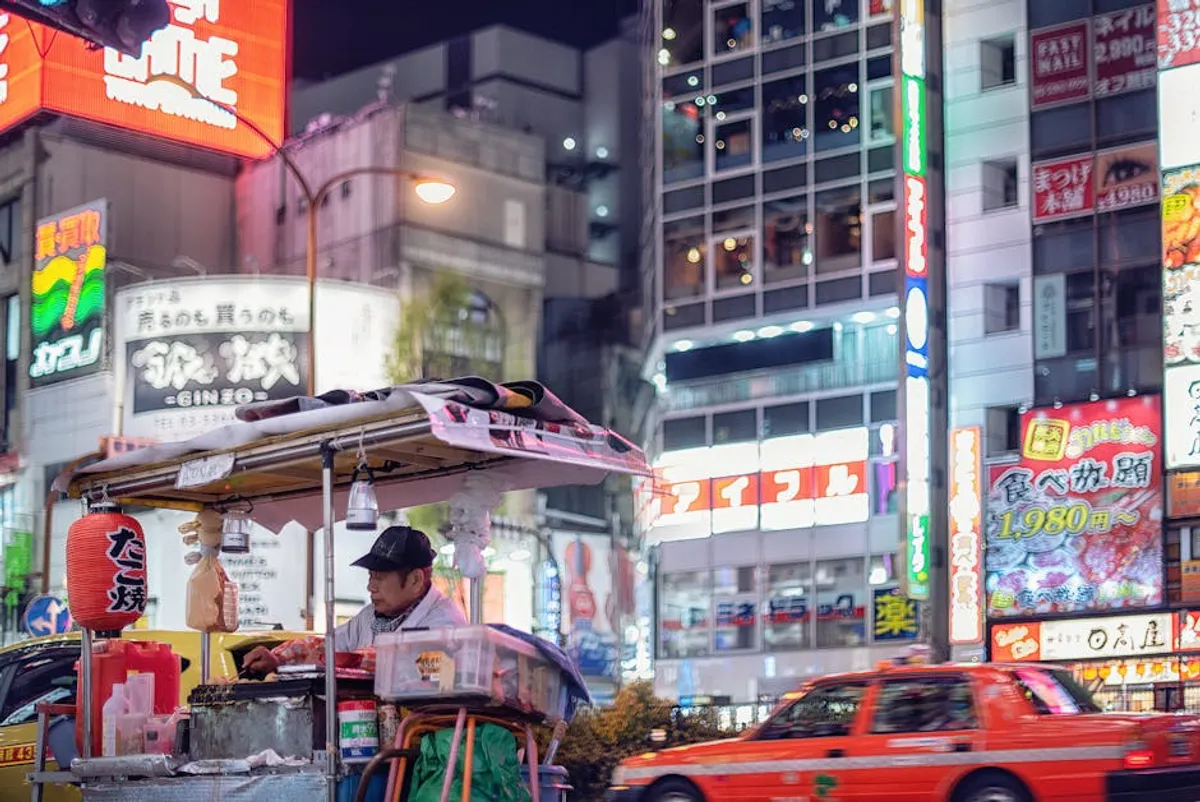
Navigating Tokyo’s vast culinary landscape without local insight can transform an anticipated gastronomic adventure into a series of missed opportunities. The city offers an unparalleled spectrum of dining, from Michelin-starred establishments to humble street stalls, each presenting a unique facet of Japanese food culture. This guide identifies common missteps visitors make when seeking authentic Tokyo food experiences, providing actionable strategies to ensure your meals are memorable for the right reasons, not for what you overlooked. To truly appreciate the city's offerings, consider consulting a complete overview of Tokyo food to avoid missing out on key experiences.
Overlooking Neighborhood Specialties
Many first-time visitors concentrate their dining efforts in heavily touristed areas, inadvertently limiting their exposure to Tokyo's true culinary diversity. While districts like Shinjuku and Shibuya offer a broad array of restaurants, they often feature establishments catering to a general audience, sometimes at a premium, rather than showcasing the specific strengths of Tokyo's specialized food districts.
Sticking Solely to Tourist Hotspots
The mistake here is viewing Tokyo as a monolithic food destination, rather than a collection of distinct culinary villages. Each neighborhood often boasts a particular food identity, developed over decades. For instance, Tsukiji and Toyosu are synonymous with fresh seafood, particularly sushi and sashimi, due to their proximity to the fish markets. Asakusa excels in traditional snacks like ningyo-yaki and agemanju, alongside classic tempura and unagi (eel) restaurants that have operated for generations. Yanaka, a district retaining an old Tokyo charm, offers traditional sweets, local soba shops, and small, family-run eateries that provide a glimpse into everyday Japanese dining. Concentrating only on central hubs means bypassing these specialized, often more authentic, experiences.
Ignoring Lunch Deals and Set Menus
The perception that high-quality Japanese dining is uniformly expensive can deter visitors from exploring top-tier restaurants. This overlooks one of Tokyo's most significant culinary values: the lunch set.
Paying Dinner Prices for Equivalent Quality
Many restaurants, including those with Michelin stars or those highly regarded by local gourmands, offer lunch courses (teishoku or set menus) at a fraction of their dinner prices. These sets typically include a main dish, rice, miso soup, and pickles, providing a complete and satisfying meal. This strategy allows access to premium ingredients and refined cooking techniques without the full financial commitment of an evening meal. For example, a multi-course kaiseki meal that might cost ¥15,000-¥30,000+ per person at dinner could be available as a condensed lunch course for ¥3,000-¥8,000. Similarly, high-end sushi or tempura restaurants often present more accessible lunch options. The quality of ingredients and preparation remains consistent, making lunch the strategic choice for experiencing luxury dining on a budget.
Pro Tip: Many high-end restaurants offer lunch courses at a fraction of their dinner prices, presenting an accessible entry point to premium dining experiences without the full evening commitment. Always check specific lunch hours and reservation policies, as these deals are often time-limited.
Neglecting Reservation Etiquette
Tokyo's most sought-after dining experiences, particularly at smaller, highly-rated establishments, operate on a strict reservation system. Underestimating this can lead to disappointment and wasted travel time.
Walking In Without a Booking
For popular sushi counters, intimate izakayas, Michelin-starred restaurants, or any establishment with limited seating, walking in without a reservation is often futile. Many of these places are fully booked weeks, if not months, in advance, especially for dinner and on weekends. The assumption that one can simply arrive and be seated, common in some Western dining cultures, does not apply to many of Tokyo's premier or even mid-range establishments. Failure to secure a booking means missing out on specific culinary experiences that define Tokyo's food scene. Utilize online booking platforms like TableCheck or SavvyTable, or leverage hotel concierge services, which often have direct lines to secure tables. For very exclusive places, a direct phone call (often requiring Japanese language skills) or a referral may be necessary.
Underestimating the Language Barrier (and Solutions)
While major tourist areas increasingly offer English menus, venturing into more local establishments often means encountering Japanese-only signage and staff with limited English proficiency. This barrier can prevent exploration beyond the obvious.
Relying Solely on English Menus
The mistake is assuming that every authentic or worthwhile establishment will cater to English speakers. Many of Tokyo's hidden gems, particularly small family-run eateries, ramen shops, or izakayas, may not have English menus or staff who can translate. This can lead to ordering only familiar items or, worse, avoiding places that offer truly unique local flavors. The solution lies in proactive preparation and leveraging technology. Tools like Google Translate's camera function can instantly translate menus. Learning a few basic Japanese food phrases can also significantly enhance your dining experience and interactions.
- "Kore o kudasai." (I'll have this.)
- "Oishii desu!" (It's delicious!)
- "Arigato gozaimasu." (Thank you very much.)
- "Sumimasen." (Excuse me / Sorry.)
- "Osusume wa nan desu ka?" (What do you recommend?)
Avoiding Local Izakayas and Yokocho Alleys
Some visitors gravitate towards large, modern restaurants or international chains, missing out on the vibrant, communal atmosphere of traditional Japanese drinking and dining spots.
Sticking to Chain Restaurants
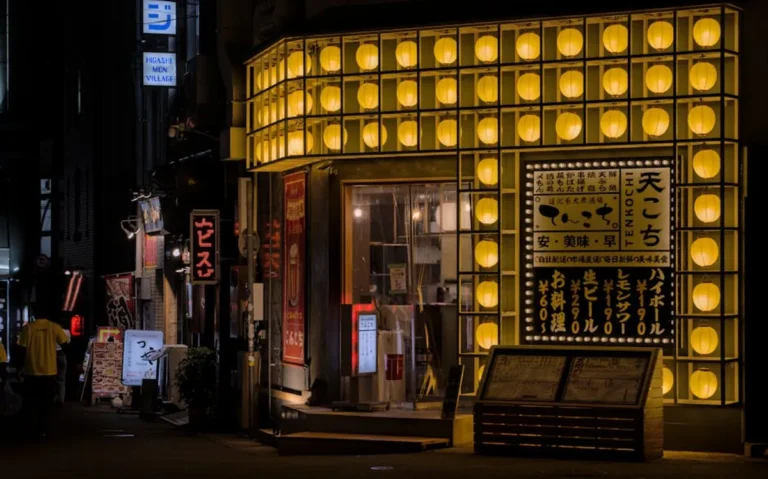
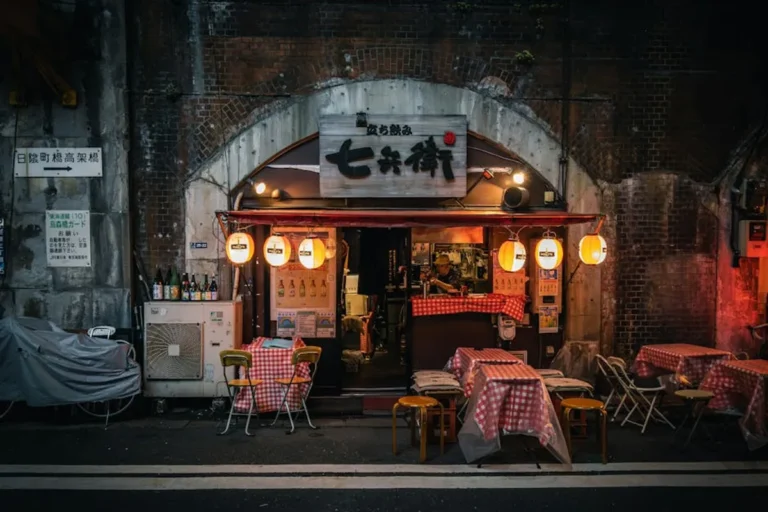
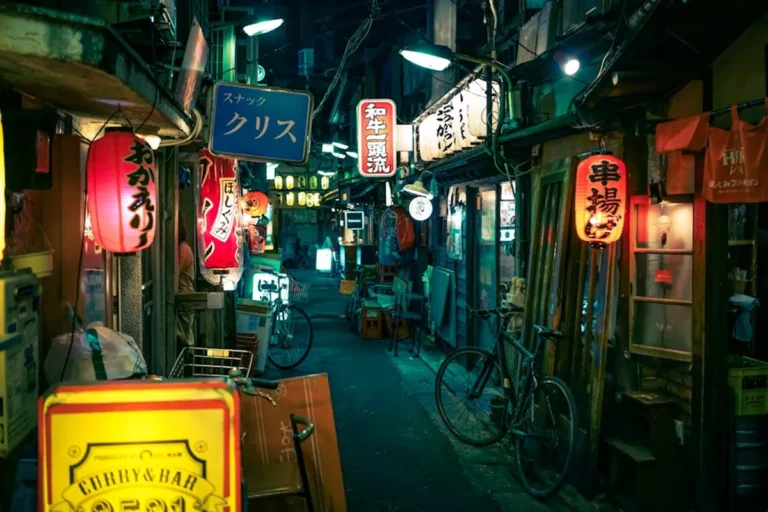
Izakayas, Japan's informal gastropubs, offer a crucial insight into local social life and provide a diverse menu of small, shareable plates (yakitori, sashimi, karaage, etc.) alongside alcoholic beverages. Yokocho alleys, like Shinjuku's Golden Gai or Omoide Yokocho, are narrow lanes packed with tiny bars and eateries, each with a distinct character. Avoiding these means missing out on authentic local interaction, a wide variety of affordable dishes, and the lively, often boisterous, atmosphere that defines Japanese after-work culture. Embrace the small spaces, the occasional smoky environment, and the opportunity to interact with locals and sample a wide range of dishes.
Not Exploring Convenience Store Food
The Western perception of convenience store food as uniformly low-quality or unhealthy often leads visitors to overlook a significant and surprisingly high-quality aspect of Japanese daily cuisine.
Dismissing Konbini as Low-Quality
Japanese convenience stores (konbini) like 7-Eleven, FamilyMart, and Lawson are culinary powerhouses. They offer an astonishing variety of fresh, well-prepared, and affordable food items that far exceed expectations. This includes expertly made onigiri (rice balls), fresh sandwiches (like the popular egg salad sandwich), bento boxes, hot snacks (fried chicken, steamed buns), and a range of desserts. These are ideal for quick breakfasts, budget-friendly lunches, late-night snacks, or picnicking in a park. The quality control is rigorous, and items are often replenished multiple times a day, ensuring freshness. Dismissing konbini food means missing out on convenient, reliable, and often delicious meal options that are a staple for locals.
Maximizing Your Tokyo Culinary Journey
To truly experience Tokyo's food scene, move beyond the obvious. Research specific neighborhoods for their unique culinary offerings, prioritize lunch deals for high-end experiences, and always secure reservations for popular spots. Embrace the language barrier as an opportunity for discovery, and dive into the local culture of izakayas and convenience stores. By avoiding these common pitfalls, your Tokyo food journey will be richer, more authentic, and deeply satisfying.
Frequently Asked Questions
Is tipping expected in Tokyo restaurants?
No, tipping is not customary in Japan and can sometimes be considered impolite. The service charge is typically included in the price or not expected at all.
How do I find good, authentic restaurants outside of tourist areas?
Utilize Japanese food blogs, local recommendation apps (like Tabelog, though it's primarily in Japanese), or ask hotel staff for recommendations. Google Maps reviews, filtered by language, can also offer insights from local patrons.
What are some essential food items to try in Tokyo?
Beyond sushi and ramen, explore yakitori (grilled skewers), tempura, okonomiyaki (savory pancakes), monjayaki (a Tokyo specialty similar to okonomiyaki), udon and soba noodles, and various regional sweets.
Can I eat on the go in Tokyo?
While it's generally considered impolite to eat or drink while walking in public, it's acceptable in designated areas like park benches, inside trains (though often avoided during rush hour), or while standing at street food stalls.