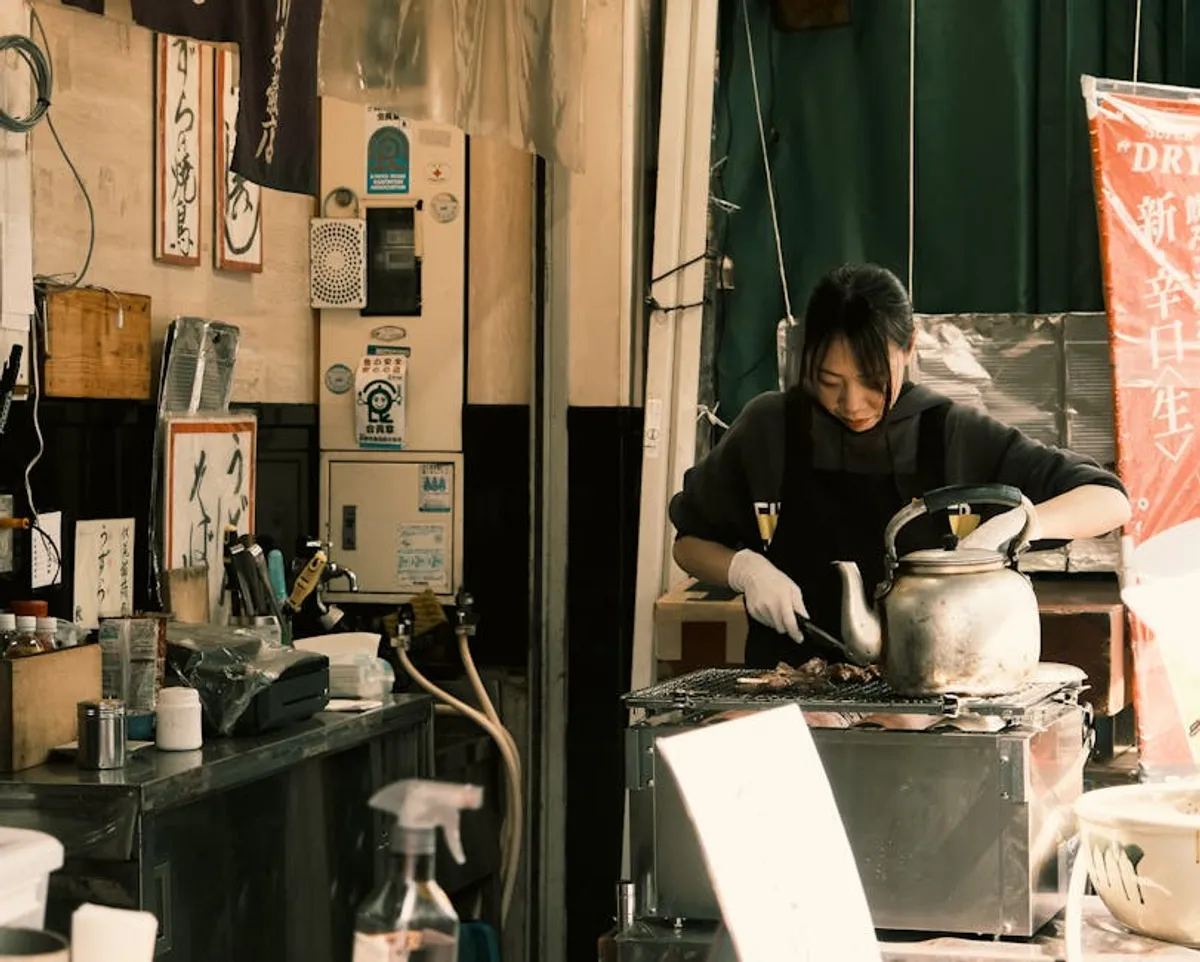
Creating an effective Tokyo food guide requires more than just listing restaurants; it demands a strategic approach to content, user intent, and commercial utility. The best examples serve as comprehensive resources, anticipating traveler needs from budget constraints to specific culinary interests, and navigating the city's complex dining landscape. Understanding the various successful formats and underlying content strategies is crucial for anyone aiming to produce a valuable and high-performing guide. The best examples serve as comprehensive resources for travelers, anticipating their needs from budget constraints to specific culinary interests and navigating the city's complex dining landscape.
Identifying Core User Intent in Food Guides
Effective Tokyo food guides differentiate themselves by addressing specific user intents. A traveler planning a trip might seek broad overviews, while a local resident could be searching for niche experiences. Successful guides often target one or more of these common user needs:
- Discovery: Users looking for new or trending spots, often with an emphasis on unique experiences or hidden gems.
- Planning: Travelers seeking practical information like opening hours, reservation policies, accessibility, and proximity to attractions.
- Decision-making: Individuals comparing options based on price, cuisine type, atmosphere, or dietary restrictions.
- Navigation: Guides that provide clear directions, transport advice, and local context to help users physically get to and enjoy a venue.
- Experience Enhancement: Content offering cultural insights, ordering tips, or background stories that enrich the dining experience.
Guides that map content directly to these intents, rather than presenting a generic list, achieve higher engagement and utility. For instance, a guide focusing on "Tokyo's Best Ramen for Under ¥1000" clearly addresses budget-conscious discovery and decision-making.
Structuring Guides for Different Culinary Journeys
The structure of a Tokyo food guide significantly impacts its usability and reach. Different approaches cater to distinct reader profiles and search queries.
Neighborhood-Specific Culinary Tours
Guides organized by Tokyo's distinct neighborhoods (e.g., Shinjuku, Shibuya, Ginza, Asakusa) are highly effective for users exploring a specific area. These guides typically:
- Provide a curated list of eateries within walking distance or easy transit of each other.
- Highlight local specialties unique to that district.
- Integrate practical information like nearby landmarks, shopping, or cultural sites to create a full itinerary.
Commercial utility: These guides can integrate affiliate links for local tours, nearby hotels, or reservation platforms, capitalizing on the user's immediate geographic interest.
Cuisine-Focused Deep Dives
For users with a specific craving, guides dedicated to a single cuisine (e.g., "Best Sushi Restaurants in Tokyo," "Tokyo's Top Izakayas," "Vegan Dining in Tokyo") offer targeted value. These examples often:
- Delve into the nuances of the cuisine, explaining different styles or regional variations.
- Feature a range of price points and atmospheres within that cuisine category.
- Include expert recommendations or chef interviews to add authority.
Commercial utility: Opportunities for partnerships with specific restaurant groups, ingredient suppliers, or cooking class providers relevant to the cuisine.
Budget-Conscious and Luxury Dining Compilations
Segmenting guides by price point directly addresses a critical decision-making factor for many travelers. Examples include "Affordable Eats Near Tokyo Station" or "Michelin-Starred Experiences in Tokyo." These guides are characterized by:
- Clear price indicators for each recommendation.
- Tips for saving money (e.g., lunch specials, standing sushi bars) or maximizing value in luxury settings.
- Focus on value proposition relative to cost.
Commercial utility: Budget guides can link to discount travel passes or affordable accommodation, while luxury guides can drive high-value reservation platform referrals.
Pro Tip: When creating Tokyo food guides, always include specific details that go beyond a simple name and address. Information like "cash only," "English menu available," "reservation essential," or "expect a 30-minute wait" significantly enhances user experience and sets your guide apart as truly practical.
Essential Content Elements for High-Performing Guides
Regardless of the chosen structure, certain content elements are consistently present in the most effective Tokyo food guide examples:
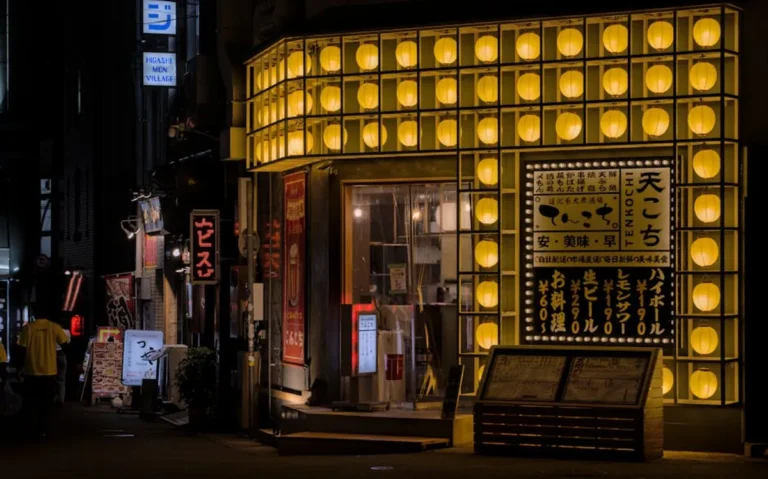
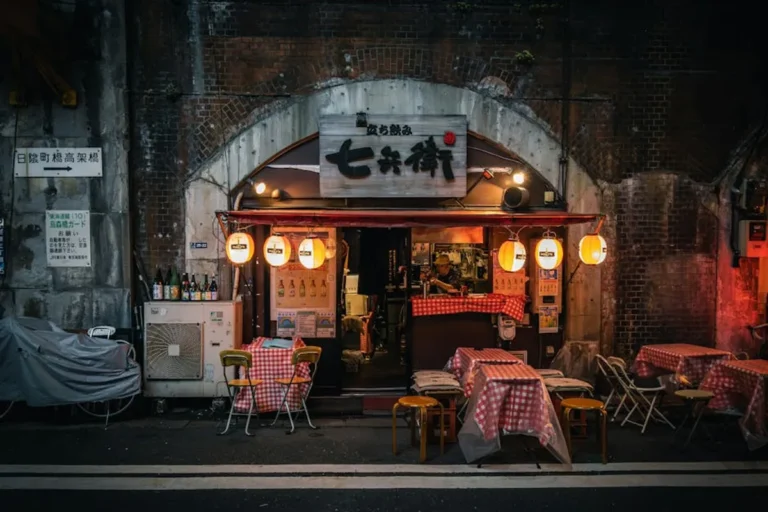
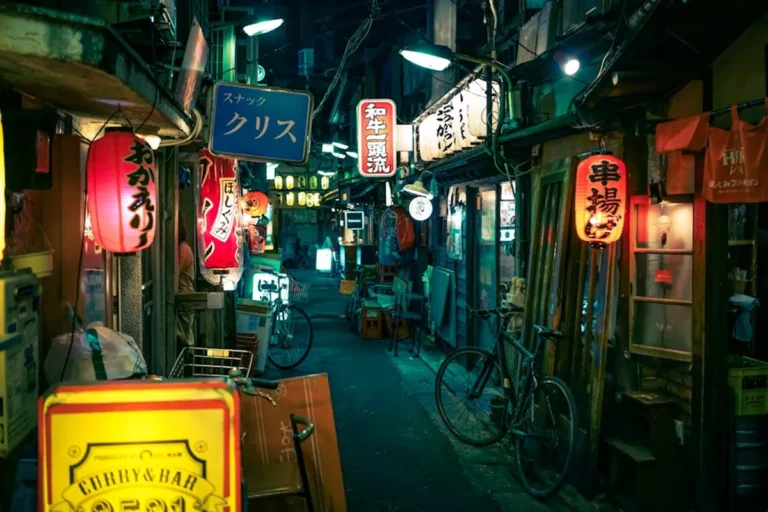
- High-Quality Visuals: Professional, appealing photographs of dishes, restaurant interiors, and exteriors are non-negotiable. Visuals drive engagement and set expectations.
- Actionable Descriptions: Beyond generic praise, descriptions should detail specific dishes, flavors, atmosphere, and what makes the establishment unique.
- Precise Practical Information: Address, nearest subway station/exit, opening hours, average price range, reservation requirements, and contact details are fundamental.
- Local Insights and Context: Explanations of Japanese dining etiquette, seasonal ingredients, or the history behind a dish add depth and value, distinguishing the guide from automated listings.
- Clear Calls to Action: Whether it's to make a reservation, visit a specific location, or explore a related guide, direct users to their next step.
- Regular Updates: Tokyo's dining scene evolves rapidly. Guides that are visibly updated (e.g., with "Last updated: October 2023") build trust and relevance.
Optimizing for Commercial Utility
Effective Tokyo food guides are not just informational; they are often designed with commercial objectives. This can manifest through:
- Affiliate Partnerships: Linking to booking platforms (e.g., TableCheck, OpenTable), tour operators (e.g., Klook, Viator), or e-commerce sites selling Japanese ingredients or kitchenware.
- Sponsored Content: Featuring restaurants or products through paid placements, clearly disclosed, that align with the guide's overall quality and user value.
- Lead Generation: Capturing emails for newsletters offering exclusive dining tips, event notifications, or travel deals related to Tokyo.
- Direct Bookings/Reservations: For guides created by or in partnership with specific dining establishments, direct booking widgets are a primary commercial driver.
The commercial integration should feel natural and enhance the user's journey, not detract from it. A recommendation for a specific reservation service, for example, is commercially useful if it genuinely simplifies the booking process for the user.
Refining Your Tokyo Food Guide Approach
When developing or refining a Tokyo food guide, consider the specific niche you aim to serve and how you can deliver unique value. Instead of attempting to cover every restaurant, focus on curating a selection that aligns with a clear theme or user profile. Prioritize accuracy, visual appeal, and practical details. Regularly review and update content to maintain relevance in Tokyo's dynamic culinary landscape. By concentrating on these elements, your guide can stand out as a trusted and commercially effective resource. By concentrating on these elements, your guide can stand out as a trusted and commercially effective resource and showcase different successful formats.
Frequently Asked Questions
What is the most important element for a Tokyo food guide?
Specificity and practical detail are paramount. Users need actionable information beyond general recommendations, such as precise directions, reservation requirements, and specific dish suggestions.
How often should a Tokyo food guide be updated?
Given the rapid changes in Tokyo's dining scene, a comprehensive guide should ideally be reviewed and updated at least quarterly, with minor checks for hours and availability monthly, to maintain accuracy.
Can a Tokyo food guide be commercially successful without paid placements?
Yes, through affiliate marketing for bookings, tours, or related products, and by generating leads for other travel services. High-quality, trusted content naturally attracts commercial opportunities.
Should I include non-food attractions in a food guide?
Integrating nearby non-food attractions can enhance neighborhood-specific guides by providing context and suggesting a fuller itinerary, improving the user experience and increasing time on page.