
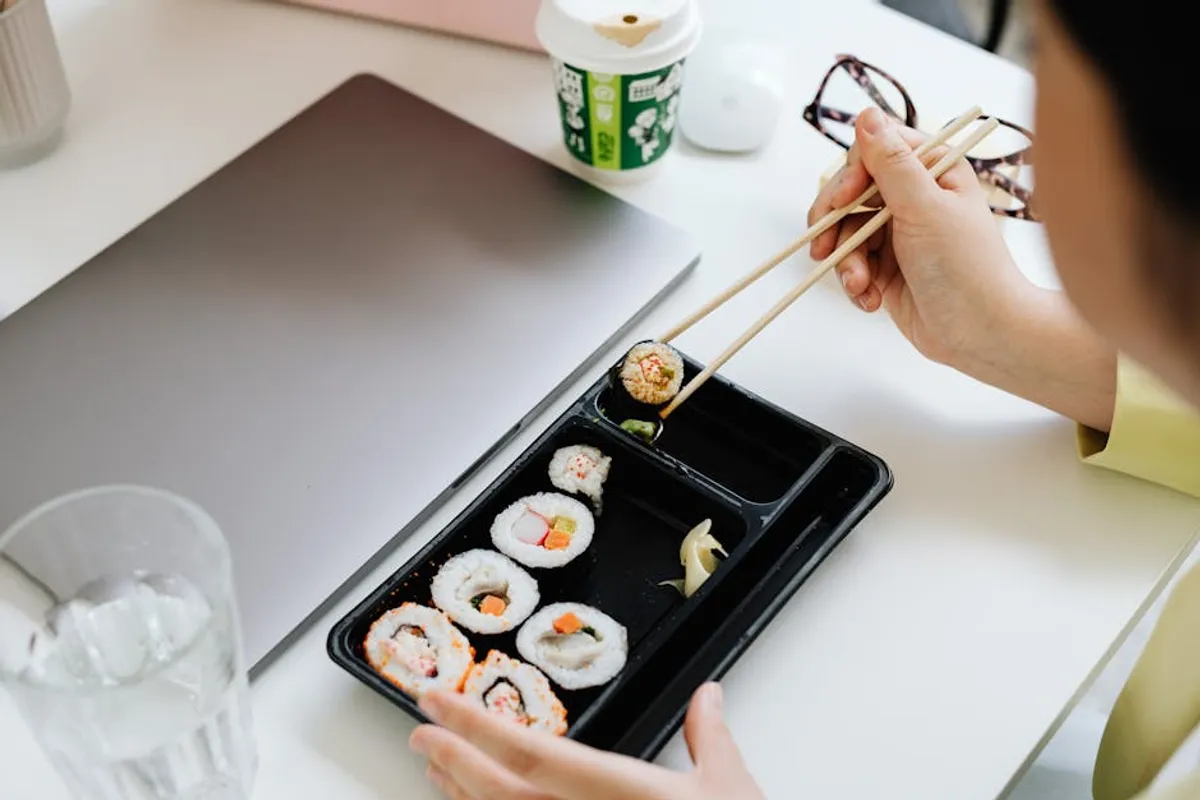
Understanding the nuances of sushi etiquette is no longer a static exercise in tradition; it's a dynamic field reflecting shifts in dining culture, consumer values, and digital interaction. For culinary businesses, content creators, and marketing professionals operating within the food and hospitality sectors, monitoring these evolving norms offers a strategic advantage. Adapting to or commenting on these trends can differentiate a brand, enhance customer experience, and foster deeper engagement. This article explores key areas where sushi etiquette is evolving, providing a framework for identifying opportunities and mitigating potential missteps in a discerning market.
The Evolving Landscape of Sushi Dining
Traditional sushi etiquette, rooted in centuries of Japanese culinary practice, provides a foundation. However, contemporary dining experiences, influenced by global accessibility and diverse consumer expectations, introduce new layers. Recognising where classic rules bend or new ones emerge is crucial for maintaining relevance.
Traditional Pillars and Modern Adaptations
Classic etiquette dictates specific ways to approach soy sauce, wasabi, and ginger. For instance, dipping fish-side-down into soy sauce, using a minimal amount, and avoiding mixing wasabi directly into the sauce are long-standing norms. Ginger is typically a palate cleanser between different pieces, not a garnish for each bite. Modern trends show a more relaxed interpretation in casual settings, yet high-end establishments and purists still adhere strictly. For content creators, this presents an opportunity to educate audiences on both traditional and adapted practices, catering to varied interest levels. Restaurants can subtly guide patrons through menu descriptions or discrete signage, enhancing the dining experience without being prescriptive.
The Rise of Omakase and Chef-Customer Interaction
Omakase, meaning "I'll leave it up to you," places trust entirely in the chef's expertise. This format elevates the dining experience to a performance, making interaction with the chef a central component of etiquette. Asking about ingredients, expressing appreciation, and observing the chef's pace are now integral. Disruptive behavior, excessive photography during preparation, or making specific demands can detract from the experience and impact the chef-diner relationship. Businesses promoting omakase should emphasize the interactive and respectful nature of this dining style in their marketing, setting clear expectations for patrons and highlighting the unique value proposition.
Pro Tip: When developing content or marketing materials around sushi experiences, particularly omakase, emphasize the "story" behind the ingredients and the chef's craft. This educates consumers on the value of respectful engagement and aligns with an appreciation for culinary artistry, enhancing brand perception.
Digital Etiquette and Social Sharing
The ubiquity of smartphones has introduced a new dimension to dining etiquette, particularly in visually rich environments like sushi restaurants. How diners capture and share their experience online directly impacts a brand's digital footprint.
Photography and Video Norms
While sharing food photos is common, the manner in which it's done holds significance. Flash photography, excessive noise, or prolonged video recording can disrupt other diners and the chef's concentration. The trend leans towards discreet, quick captures, often without flash, and prioritizing the moment over an extensive photoshoot. Restaurants can provide designated photo opportunities or subtle guidance on social media guidelines to manage expectations. Content creators can produce tutorials on respectful food photography, positioning themselves as authorities on modern dining decorum.
Online Reviews and Feedback Loops
The digital sphere extends etiquette to post-dining interactions. Constructive, balanced reviews are valued, while overly critical or aggressive feedback, especially concerning minor issues, can be seen as poor form. Direct communication with the restaurant for immediate concerns is often preferred over public shaming. Monitoring review platforms for sentiment related to etiquette can provide valuable insights for businesses. For instance, recurring complaints about noisy diners or flash photography might prompt a restaurant to implement subtle policy adjustments or communicate expectations more clearly.
Sustainability and Ethical Consumption
Consumer awareness regarding environmental impact and ethical sourcing is increasingly influencing dining choices, extending to perceptions of etiquette.
Sourcing Transparency and Ingredient Awareness
Diners are more informed about overfishing, unsustainable practices, and the origins of their food. Asking about fish sourcing, understanding certifications (e.g., MSC), and appreciating seasonal availability are becoming markers of informed consumption. Restaurants that proactively communicate their sustainable sourcing practices not only meet this expectation but also build trust and appeal to a conscious consumer base. Content related to sustainable seafood choices and responsible dining can resonate strongly with this demographic.
Waste Reduction Practices
Minimizing food waste, including uneaten rice or excessive soy sauce, aligns with a broader ethical consumption trend. While not a strict etiquette rule, diners are increasingly mindful of their consumption footprint. Businesses can contribute by offering appropriate portion sizes, encouraging moderate use of condiments, and highlighting efforts to reduce waste, such as repurposing ingredients or composting. This aligns with a brand image of responsibility and respect for resources.
Personalization and Dietary Considerations
Modern dining often involves accommodating individual needs, and sushi etiquette is adapting to embrace inclusivity.
Allergen Communication and Customization Requests
Clear communication regarding allergies and dietary restrictions is paramount. Diners are expected to inform staff proactively, and restaurants are expected to accommodate where possible. This is a critical area for customer safety and satisfaction. Content addressing common sushi allergens, how to communicate them effectively, and suitable alternatives can serve as a valuable resource. Businesses that train staff thoroughly and offer transparent allergen information build a reputation for care and professionalism.
Non-Traditional Sushi Formats
The rise of vegan sushi, fusion rolls, and other non-traditional formats broadens the appeal of sushi. Etiquette here is less about strict tradition and more about respectful appreciation of the culinary innovation. For example, while traditionally one might eat nigiri by hand, a large, elaborate fusion roll might necessitate chopsticks. This flexibility in interpretation allows for a wider range of content creation, from exploring innovative recipes to discussing the cultural evolution of sushi.
Navigating Etiquette for Brand Enhancement
For businesses and content creators, understanding sushi etiquette trends is not merely about adherence; it's about strategic positioning. By recognizing shifts in consumer expectations around tradition, digital interaction, ethical considerations, and personalization, brands can craft more resonant messages and experiences. This involves educating audiences, establishing transparent practices, and fostering environments that balance traditional respect with modern sensibilities. Proactive engagement with these trends allows for the cultivation of a sophisticated, customer-centric brand identity that stands out in a crowded market.
Frequently Asked Questions
What are the key modern shifts in sushi etiquette? Modern shifts include more relaxed interpretations of traditional rules in casual settings, increased emphasis on respectful chef-diner interaction in omakase, and new norms for digital sharing and photography.
How do sustainability concerns impact sushi dining etiquette? Diners are increasingly mindful of fish sourcing, ethical practices, and waste reduction, influencing their perception of a restaurant's commitment and their own consumption habits.
Is it acceptable to use a fork for sushi? While traditional etiquette suggests chopsticks or hands for nigiri, in many Western or casual settings, using a fork is generally acceptable, especially for those less comfortable with chopsticks.
How should I communicate dietary restrictions at a sushi restaurant? It is best to clearly and politely inform the staff about any allergies or dietary restrictions when making a reservation or upon arrival, allowing the kitchen to prepare accordingly.