
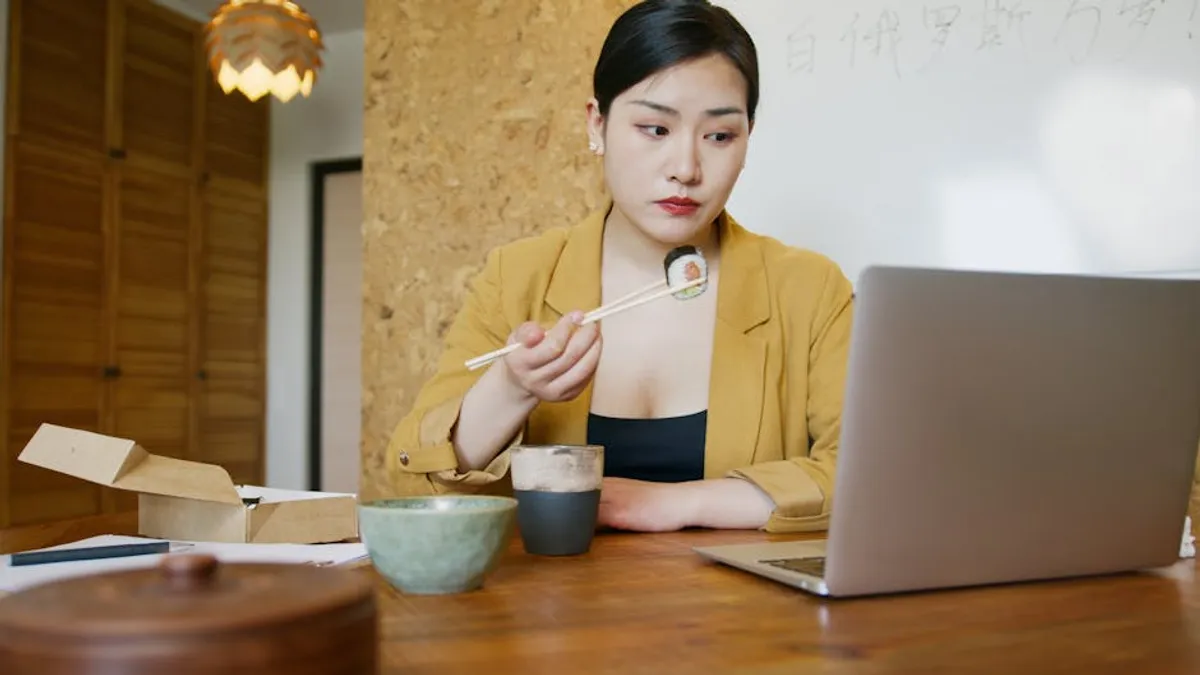
Understanding sushi etiquette is less about rigid rules and more about respecting tradition, the chef’s craft, and the dining experience. While foundational principles remain consistent, the application of these courtesies varies significantly depending on the dining environment—from a traditional Edomae counter in Tokyo to a casual conveyor belt restaurant in the West. This guide outlines these distinctions, preparing you to navigate any sushi setting with confidence and appreciation.
Understanding the Foundations of Sushi Etiquette
At its core, sushi etiquette aims to enhance the enjoyment of the meal for everyone involved. This includes showing respect for the ingredients, the chef's skill, and fellow diners. Many practices stem from the desire to savor the delicate flavors and textures of fresh fish and perfectly seasoned rice.
The Role of the Chef and Respect
In traditional and high-end sushi establishments, the chef is the central figure. Their expertise in sourcing, preparing, and presenting the sushi is paramount. Etiquette often revolves around acknowledging this artistry. This means avoiding actions that might imply a lack of trust in their judgment or an attempt to alter the intended flavor profile. For instance, excessive soy sauce or mixing wasabi into soy sauce can be seen as disrespecting the chef's balance of flavors.
Basic Principles of Consumption
- Temperature: Sushi is often served at a specific temperature. Eating it promptly preserves this intended state.
- Flavor Balance: Each piece of sushi is designed to be a complete bite, with the rice, fish, and any seasonings working in harmony.
- Cleanliness: Maintaining a clean eating area and handling food gracefully contributes to a pleasant experience.
- Pace: Matching the chef's pace in omakase settings ensures optimal freshness and allows for a natural flow of service.
Traditional Japanese Edomae Etiquette
Edomae sushi, originating in Tokyo, emphasizes precision and the chef's direct interaction with diners. This is where the most stringent etiquette typically applies.
Eating Method:
Traditionally, nigiri sushi is eaten with fingers, not chopsticks. This allows for a better grip and prevents the rice from falling apart. If using chopsticks, grip the piece firmly. Gunkanmaki (battleship rolls) and temaki (hand rolls) are almost always eaten by hand.
Soy Sauce Application:
Dip only the fish side of the nigiri into soy sauce, never the rice. The rice is already seasoned, and dipping it can cause it to absorb too much sauce, altering the flavor and texture, and potentially disintegrating. Use a minimal amount of soy sauce; the chef has already seasoned the fish appropriately.
Wasabi and Gari (Pickled Ginger):
Never mix wasabi into your soy sauce. The chef has already applied the correct amount of wasabi between the fish and the rice. Gari is meant to cleanse your palate between different types of fish, not to be eaten with the sushi itself.
Eating Order:
While there's no strict rule, it's common to start with lighter, white-fleshed fish and progress to richer, fattier fish. The chef may guide this in an omakase setting.
Addressing the Chef:
It is customary to thank the chef (e.g., "Oishii desu" for "It's delicious" or "Arigato gozaimasu" for "Thank you very much") for their work, especially in intimate settings.
High-End Omakase Dining Outside Japan
Omakase, meaning "I'll leave it up to you," is a chef-driven experience where the chef selects and serves a progression of dishes. Outside Japan, particularly in Western countries, omakase often adheres closely to traditional Edomae etiquette but with slight adaptations for cultural context.
Expectations:
Diners are expected to be attentive and engaged, allowing the chef to guide the meal. Questions about the fish or preparation are generally welcome, as they show interest, but avoid excessive conversation that might distract the chef or other diners.
Adaptations:
While hands are preferred for nigiri, using chopsticks is generally accepted if done carefully. The emphasis remains on appreciating the chef's choices and consuming each piece as intended. Some chefs might explicitly instruct diners on how to eat certain pieces, especially if they involve unique preparations or sauces.
Best for: A curated, educational, and deeply immersive sushi experience where the chef is the guide.
Casual Sushi and Kaiten-zushi Practices
Casual sushi restaurants, including conveyor belt sushi (kaiten-zushi), offer a more relaxed atmosphere where some traditional rules are softened, but basic courtesies still apply.
Chopsticks and Soy Sauce:
Chopsticks are almost universally used. Dipping the rice side into soy sauce is more common and less frowned upon, though still not ideal for flavor preservation. Mixing wasabi into soy sauce is also more frequently observed without significant social penalty, but it obscures the fish's natural taste.
Kaiten-zushi Specifics:
At kaiten-zushi, plates are color-coded to indicate price. Take only what you intend to eat. Do not put plates back on the conveyor belt once removed. Tea is often self-served from a hot water tap at your seat. Stack empty plates neatly for easy counting.
Best for: A quick, affordable, and less formal sushi meal where experimentation with different rolls and preparations is encouraged.
Pro Tip: When in doubt about specific etiquette, especially in a high-end or traditional setting, observe what other diners are doing or politely ask your server. A genuine desire to respect the culture and the chef's craft is always appreciated more than rigid adherence to rules you don't understand.
Navigating Your Next Sushi Experience
The key to enjoying sushi, regardless of the setting, is to approach it with an open mind and a degree of cultural sensitivity. While traditional Edomae etiquette provides a framework for appreciating the art of sushi, modern dining allows for flexibility. Recognize the context of your dining experience: a Michelin-starred omakase demands more adherence than a neighborhood takeout spot. The goal is always to savor the food and respect the effort that went into its creation.
Frequently Asked Questions
Can I ask for extra wasabi or soy sauce?
In traditional or omakase settings, it's generally best to trust the chef's seasoning. Asking for extra might imply their preparation is insufficient. In casual restaurants, it's usually acceptable.
Is it rude to use a fork instead of chopsticks or hands?
While not ideal for nigiri, using a fork is sometimes tolerated in casual Western sushi restaurants, especially if you struggle with chopsticks. In high-end or traditional Japanese establishments, it would be considered highly unconventional and potentially disrespectful.
How should I eat miso soup?
Miso soup is typically served in a small bowl and meant to be drunk directly from the bowl. Use chopsticks to eat any solid ingredients, like tofu or seaweed, if present.
What is the proper way to drink sake with sushi?
Sake is often enjoyed alongside sushi, especially during omakase. It's customary to pour sake for others at the table and to receive it with both hands. Avoid pouring sake for yourself; wait for someone else to offer. Sip sake, do not chug it.