Visiting a new restaurant, especially one with an unfamiliar cuisine or dining style, can present a unique set of decisions. From understanding reservation policies and menu terminology to navigating service interactions and local tipping customs, preparation can significantly enhance the dining experience. This guide provides a structured approach for first-time visitors to confidently engage with new culinary environments, ensuring a smoother and more enjoyable meal from arrival to departure. Understanding the local cuisine terminology can also help you make the most of your dining adventure.
Strategic Planning Before Arrival
A successful first-time restaurant visit begins well before you step through the door. Thorough pre-visit planning minimizes uncertainty and allows for a more relaxed experience.
Research Cuisine and Concept: Understand the restaurant's culinary focus. Is it a fine-dining establishment, a casual bistro, or a specialized ethnic eatery? Reviewing the menu online provides insight into dish types, ingredient sourcing, and price points. Many restaurants highlight their philosophy or chef's background, which can inform expectations.
Check Reviews for Practical Details: While subjective, aggregate review sites often provide practical information beyond food quality. Look for mentions of noise levels, typical wait times, service attentiveness, and specific dish recommendations. Pay attention to consistent feedback regarding parking availability, accessibility, or dress code suggestions.
Reservations and Special Requests: For popular establishments, securing a reservation is often essential. Use the restaurant’s direct booking system or a reputable third-party platform. This is also the appropriate time to communicate any critical dietary restrictions (allergies, intolerances), seating preferences (e.g., quiet corner, window seat), or special occasions. Confirming these details in advance allows the restaurant to prepare accordingly, reducing potential issues upon arrival.
Understand Dress Code: Avoid discomfort by verifying the expected attire. While many contemporary restaurants have relaxed dress codes, some still maintain specific requirements, especially for dinner service. A quick check of their website or recent photos on social media can provide visual cues.
Navigating Arrival and Seating
Your arrival sets the initial tone for the dining experience. A clear understanding of entry protocols helps ensure a seamless transition from the street to your table.
Prompt Arrival: Aim to arrive 5-10 minutes before your reservation time. This allows for check-in without rushing and provides a buffer for unexpected delays. Arriving significantly early might mean your table isn't ready, while being late can impact the kitchen's pacing and other reservations.
Communicating with the Host: Clearly state your reservation name and time. If you have any last-minute seating requests or need to inform them of a change in party size, do so politely at this stage. The host manages the flow of the dining room and can advise on feasibility.
Initial Service Interaction: Once seated, observe the pace at which your server approaches. They will typically introduce themselves, offer water, and present menus. This is an opportune moment to reiterate any pre-communicated dietary needs or ask initial questions about specials.
Decoding the Menu and Making Choices
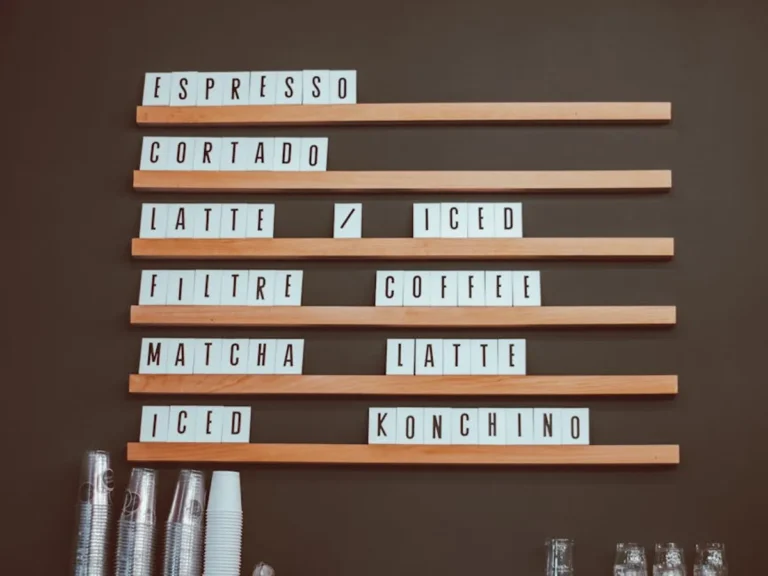
Restaurant menus can be dense with unfamiliar terms or specific culinary jargon. Approaching the menu strategically ensures you order dishes aligned with your preferences and expectations.
Scan for Specials and Chef Recommendations: Many restaurants feature daily or seasonal specials not listed on the main menu. These often highlight fresh, local ingredients or unique preparations. Your server can provide details on these offerings.
Clarify Unfamiliar Terms: Do not hesitate to ask your server for explanations of ingredients, cooking methods, or portion sizes. A good server is knowledgeable about the menu and can guide you toward suitable choices, especially if you have specific taste preferences or dietary concerns.
Consider Dietary Needs Proactively: Even if communicated during reservation, reconfirming dietary restrictions with your server upon ordering is crucial. Ask which dishes can be modified or which are naturally free of specific allergens. This proactive approach prevents miscommunication and ensures a safe meal.
Best for: Ensuring a safe and enjoyable meal
- Always confirm critical allergies with your server, even if noted on the reservation.
- Ask about hidden ingredients in sauces or garnishes.
- Inquire about cross-contamination risks for severe allergies.
- Consider ordering simpler dishes if you have multiple complex dietary needs.
Pro Tip: When faced with an extensive menu, ask your server for their top two or three recommendations based on popular opinion or their personal favorites. This can narrow down choices effectively and often leads to discovering signature dishes you might otherwise overlook.
During the Meal: Engagement and Etiquette
The dining experience extends beyond the food itself to the interactions and overall atmosphere. Mindful engagement ensures a pleasant meal for everyone.
Pacing Your Meal: Communicate your desired pace to your server. If you prefer a leisurely meal, let them know. Conversely, if you have time constraints, mention it early. This helps the kitchen and front-of-house staff manage the timing of courses.
Providing Feedback: If there's an issue with a dish or service, address it politely and promptly with your server. Constructive feedback allows the restaurant to rectify the situation in real-time. For positive experiences, a brief compliment to your server or the manager is always appreciated.
Mindful Dining: Be aware of your dining companions and other patrons. Keep phone use discreet, maintain appropriate conversation volume, and avoid disrupting the ambiance for others.
Concluding the Meal: Payment and Departure
The end of the meal involves a few key steps to ensure a smooth departure and proper acknowledgment of service.
Requesting the Bill: Signal your server when you are ready for the check. They will typically bring it to your table in a folder or on a small tray.
Reviewing the Bill: Take a moment to review the bill for accuracy. Check for correct items, quantities, and any applied discounts or special charges. If there are discrepancies, politely bring them to your server's attention.
Tipping Etiquette: Tipping customs vary significantly by region and country. In many Western cultures, a tip of 15-20% of the pre-tax total is standard for good service. If service was exceptional, a higher tip is appropriate; for unsatisfactory service, adjust accordingly, but consider communicating issues to management first. Ensure you understand whether a service charge has already been included.
Departure: Thank your server and the host on your way out. If you had a particularly outstanding experience, consider leaving a positive online review, which is invaluable for the restaurant.
Ensuring a Confident Dining Experience
Approaching a new restaurant visit with a blend of curiosity and preparation transforms potential apprehension into an opportunity for discovery. By actively researching, communicating needs, and engaging thoughtfully with the dining process, first-time visitors can confidently navigate unfamiliar environments. This structured approach not only minimizes unexpected issues but also maximizes the enjoyment of exploring new culinary landscapes, fostering a deeper appreciation for the dining experience.
Frequently Asked Questions
What is the typical expectation for reservation timing?
Arriving 5-10 minutes prior to your reservation time is generally considered ideal. This allows for check-in without feeling rushed and provides a small buffer for the restaurant to prepare your table.
How should I communicate dietary restrictions effectively?
It is best to communicate critical dietary restrictions when making the reservation. Reiterate these needs politely to your server when you are seated and again when placing your order, asking for specific guidance on menu items.
Is it acceptable to send a dish back if I don't like it?
If a dish is genuinely prepared incorrectly, not as described, or has an issue (e.g., undercooked), it is acceptable to politely inform your server. If it is simply not to your personal taste, it is generally not customary to send it back unless you are willing to order and pay for an alternative.
What is the standard tipping practice in most full-service restaurants?
In many Western countries, a tip of 15-20% of the pre-tax bill is standard for good service. Always check if a service charge has already been added, especially for larger parties, as this can affect the additional tip you leave.