India presents a travel landscape of unparalleled diversity, offering experiences that span millennia of history, varied ecosystems, and distinct cultural practices. For those planning an itinerary, the sheer volume of options can be daunting. This guide aims to distill the vastness of India into actionable segments, focusing on key regions and experiences that cater to different travel intents—from historical immersion and spiritual exploration to natural adventure and urban discovery. Understanding these distinct facets is crucial for crafting a journey that aligns with specific interests and logistical considerations. To help you navigate this, we've compiled a list of the best places to visit in India that offer diverse experiences.
Historical and Architectural Marvels
India’s history is etched into its monuments, offering a tangible connection to ancient empires, artistic movements, and spiritual legacies. These sites are not merely ruins; they are active narratives of a civilization's evolution.
North India: Forts, Palaces, and Mughal Grandeur
The northern plains are a repository of medieval and Mughal architecture. Rajasthan, in particular, showcases a vibrant tapestry of royal heritage.
- Jaipur, Rajasthan: Known as the "Pink City," Jaipur features the Hawa Mahal (Palace of Winds), Amber Fort, and City Palace. These structures exemplify Rajput and Mughal architectural styles, often incorporating intricate carvings, mirror work, and expansive courtyards. The city’s design, based on Vastu Shastra, reflects a planned urban environment from the 18th century.
- Agra, Uttar Pradesh: Home to the Taj Mahal, a UNESCO World Heritage site and an iconic symbol of enduring love. This white marble mausoleum, built by Emperor Shah Jahan, is celebrated for its symmetrical design, intricate inlay work, and reflective pools. Beyond the Taj, Agra Fort offers a glimpse into Mughal military architecture and royal residences.
- Delhi: As the capital, Delhi is a layered city with sites spanning various eras. Humayun's Tomb, a precursor to the Taj Mahal, showcases early Mughal architecture. Qutub Minar, a 73-meter tall minaret, represents Indo-Islamic architecture from the Delhi Sultanate period.
South India: Temple Towns and Dynastic Legacy
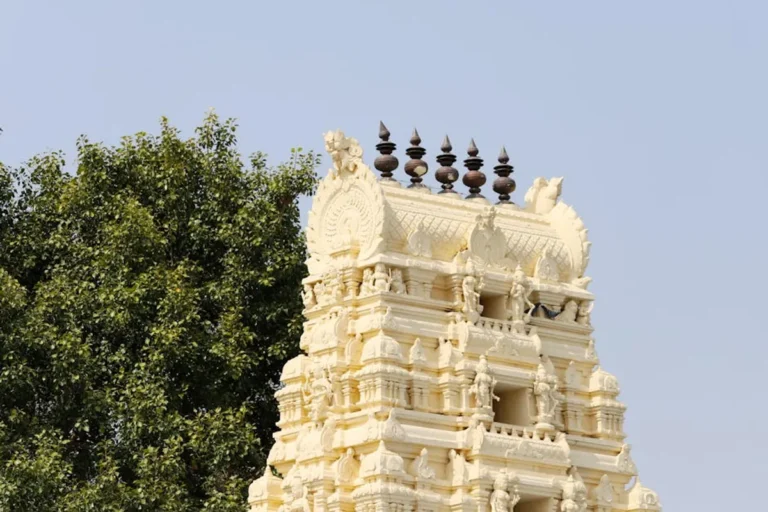
The southern states are characterized by ancient Dravidian temple architecture, often featuring towering gopurams (gateway towers) and intricate stone carvings depicting mythological tales.
Best for: Cultural immersion, architectural study, spiritual journeys.
Madurai, Tamil Nadu: The Meenakshi Amman Temple is a sprawling complex dedicated to Goddess Meenakshi and Lord Sundareswarar. Its 14 gopurams are adorned with thousands of colorful sculptures, making it a living example of Dravidian artistry. The temple is a focal point of South Indian religious and cultural life.
Natural Landscapes and Wildlife Encounters
From the Himalayan peaks to tropical coastlines, India’s diverse geography supports a wide array of ecosystems and wildlife, providing opportunities for adventure and ecological exploration.
Himalayan Foothills and Northern Mountains
The Indian Himalayas offer breathtaking vistas, trekking routes, and spiritual retreats.
Leh-Ladakh, Jammu & Kashmir: Situated in the high-altitude desert of the Himalayas, Ladakh offers stark, majestic landscapes, ancient monasteries clinging to mountainsides, and unique cultural experiences. It’s a prime destination for adventure tourism, including motorbiking, trekking, and white-water rafting on the Indus River.
Coastal Regions and Island Territories
India’s extensive coastline and island groups provide tropical escapes and marine biodiversity.
Goa: Known for its sandy beaches, Portuguese-influenced architecture, and vibrant nightlife. Goa offers a relaxed atmosphere distinct from other parts of India, with opportunities for water sports, exploring colonial churches, and sampling seafood cuisine.
Andaman and Nicobar Islands: Located in the Bay of Bengal, these islands are renowned for pristine beaches, coral reefs, and dense rainforests. Havelock Island (now Swaraj Dweep) is particularly popular for diving, snorkeling, and its Radhanagar Beach, often cited among Asia's best.
Pro Tip: When visiting natural reserves or remote areas, engage local guides. Their knowledge is invaluable for safety, spotting wildlife, and understanding local ecosystems, while also contributing directly to the local economy.
Spiritual and Wellness Retreats
India is the birthplace of several major religions and philosophical traditions, making it a global hub for spiritual seekers and those pursuing holistic wellness.
Yoga, Meditation, and Pilgrimage Sites
These destinations offer environments conducive to introspection, learning, and spiritual practice.
Rishikesh, Uttarakhand: Nestled in the Himalayan foothills along the Ganges River, Rishikesh is considered the "Yoga Capital of the World." It attracts practitioners and teachers from across the globe, offering numerous ashrams, yoga schools, and meditation centers. The town also serves as a gateway to the Char Dham pilgrimage sites.
Varanasi, Uttar Pradesh: One of the oldest continuously inhabited cities in the world, Varanasi is a central pilgrimage site for Hindus. The ghats (steps leading to the river) along the Ganges are central to its spiritual life, where rituals, ceremonies, and cremations take place daily. A boat ride at dawn offers a profound insight into Hindu traditions.
Urban Experiences and Modern India
Beyond its ancient roots, India’s major cities are dynamic centers of commerce, art, and contemporary culture, offering a different perspective on the nation's evolving identity.
Mumbai, Maharashtra: India’s financial capital and the heart of Bollywood, Mumbai is a bustling metropolis. It offers a blend of colonial architecture (like the Gateway of India and Chhatrapati Shivaji Maharaj Terminus), vibrant street markets, diverse culinary scenes, and a fast-paced urban rhythm. The city’s art galleries and museums provide cultural depth.
Planning Your Indian Journey
Effective planning is essential for navigating India's diverse offerings. Consider the following practical aspects:
- Visa Requirements: Most foreign nationals require a visa. The e-Visa system simplifies the application process for many countries.
- Best Time to Visit: Generally, October to March offers pleasant weather across most of India. The monsoon season (June to September) brings heavy rains, particularly to coastal and central regions, while the summer months (April to June) can be intensely hot.
- Transportation: India has an extensive rail network, domestic flights connecting major cities, and a vast road network. For longer distances, trains or flights are recommended. Within cities, ride-sharing apps and auto-rickshaws are common.
- Health and Safety: Consult a doctor regarding vaccinations. Always drink bottled water and be mindful of street food hygiene. Keep copies of important documents.
- Cultural Etiquette: Dress modestly, especially when visiting religious sites. Remove shoes before entering temples or homes. Use your right hand for eating and giving/receiving items.
Frequently Asked Questions
What is the best way to travel between major cities in India?
For long distances, domestic flights are efficient. India's extensive railway network offers an authentic experience and is cost-effective for overnight journeys, while buses or private cars are suitable for shorter inter-city travel.
Is it safe for solo female travelers in India?
While India is generally safe, solo female travelers should exercise caution, especially at night. Research accommodations, inform others of your itinerary, and be aware of your surroundings. Many women travel solo in India successfully by being prepared and vigilant.
What are the essential items to pack for a trip to India?
Pack light, breathable clothing, comfortable walking shoes, a universal adapter, basic medications, hand sanitizer, and insect repellent. Depending on the region and season, a light jacket or rain gear may also be necessary.
How can I manage cultural differences and language barriers?
Embrace the cultural differences with an open mind. English is widely spoken in tourist areas and major cities, but learning a few basic phrases in Hindi or local languages can enhance your experience. Respect local customs and traditions.