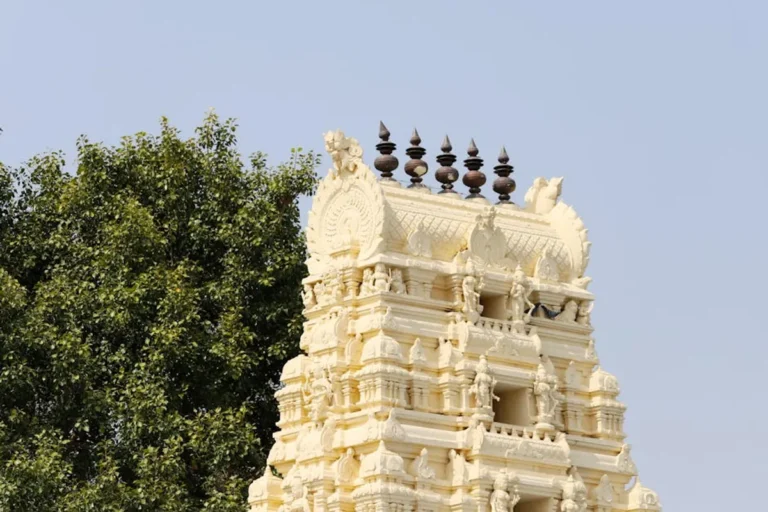

India presents a kaleidoscope of travel opportunities, offering a diverse array of experiences that cater to every type of traveler. From ancient spiritual centers and majestic historical monuments to serene natural landscapes and bustling metropolitan hubs, the subcontinent's varied geography and rich cultural tapestry mean that no two journeys are alike. Identifying the "best" places depends entirely on individual preferences, desired activities, and the specific atmosphere a traveler seeks. This guide outlines top destinations, providing a clear breakdown of what each offers, its unique appeal, and practical considerations to help inform your travel planning.
Factors to Consider When Choosing Your Indian Destination
Selecting the ideal Indian destination requires evaluating several key aspects to ensure the trip aligns with your expectations and travel style. Consider the primary purpose of your visit: is it cultural immersion, adventure, relaxation, spiritual seeking, or culinary exploration? Researching the climate during your intended travel dates is crucial, as India experiences distinct monsoon, winter, and summer seasons that significantly impact different regions. Evaluate your budget, as costs for accommodation, transport, and activities can vary widely between luxury cities and more rural, backpacker-friendly areas. Finally, assess your comfort level with crowds and infrastructure; some destinations offer well-developed tourist amenities, while others provide a more rugged, authentic experience requiring adaptability. Understanding these factors will help narrow down the vast options and pinpoint the locations that promise the most fulfilling journey.
1. Rajasthan (Jaipur, Udaipur, Jodhpur)
Rajasthan, the "Land of Kings," epitomizes India's royal heritage with its formidable forts, opulent palaces, and vibrant culture. This region offers a deep dive into historical grandeur, showcasing architectural marvels like Jaipur's Amber Fort, Udaipur's City Palace, and Jodhpur's Mehrangarh Fort. Beyond the monuments, Rajasthan captivates with its desert landscapes, colorful bazaars, traditional music, and folk dances. Each city within Rajasthan offers a distinct flavor, from Jaipur's pink-hued architecture to Udaipur's romantic lakes and Jodhpur's blue city charm, providing a comprehensive cultural experience.
Best For: History enthusiasts, culture seekers, luxury travelers, honeymooners, and those interested in traditional Indian arts and crafts.
Pros:
- Rich historical and architectural sites, including UNESCO World Heritage locations.
- Vibrant cultural experiences with traditional music, dance, and festivals.
- Opportunities for unique desert safaris and camel rides.
- Excellent infrastructure for tourism, including heritage hotels and luxury stays.
- Diverse cities offering varied experiences within one state.
Cons:
- Can be very crowded during peak season (October to March).
- Summer months (April to June) are extremely hot, making sightseeing challenging.
- Some areas can be more expensive compared to other Indian destinations.
- Long travel distances between major cities within the state.
Verdict: Rajasthan delivers an unparalleled immersion into India's royal past and vibrant traditions, making it an essential destination for those seeking historical depth and a visually stunning cultural journey, provided visitors are prepared for crowds during cooler months.
2. Kerala (Backwaters, Munnar, Kochi)
Kerala, often called "God's Own Country," offers a tranquil contrast to the historical intensity of Rajasthan, focusing on lush natural beauty and serene experiences. Its famous backwaters, a network of interconnected canals, lakes, and rivers, are best explored via houseboat cruises. The hill stations like Munnar boast sprawling tea plantations and cool climates, while the coastal city of Kochi blends colonial history with modern vibrancy. Kerala's appeal lies in its relaxed pace, Ayurvedic wellness traditions, and distinctive culinary scene centered around seafood and coconut.
Best For: Nature lovers, wellness and Ayurveda seekers, honeymooners, those looking for relaxation, and culinary tourists.
Pros:
- Unique houseboat experiences in the backwaters.
- Lush green landscapes, including tea plantations and spice gardens.
- Renowned for Ayurvedic treatments and wellness retreats.
- Beautiful beaches and coastal areas.
- Relatively mild climate compared to other parts of India, especially in the hills.
Cons:
- Monsoon season (June to September) can disrupt travel plans and activities.
- Some areas, particularly the backwaters, can be humid.
- Limited nightlife options compared to larger metropolitan cities.
- Connectivity to remote hill stations can involve winding roads.
Verdict: Kerala provides a rejuvenating and picturesque escape, ideal for travelers prioritizing natural beauty, relaxation, and holistic wellness experiences, with its backwaters and hill stations offering distinct, calming atmospheres.
3. Goa
Goa is synonymous with sun-drenched beaches, vibrant nightlife, and a laid-back atmosphere influenced by centuries of Portuguese rule. This coastal state on India's western shore offers diverse beach experiences, from the bustling shores of North Goa like Baga and Calangute, known for water sports and parties, to the tranquil southern beaches such as Palolem and Agonda, ideal for relaxation and yoga. Beyond the beaches, Goa features charming old churches, spice plantations, and a unique Indo-Portuguese cuisine, making it a popular destination for both domestic and international tourists.
Best For: Beach lovers, party-goers, relaxation seekers, water sports enthusiasts, and those interested in colonial history and unique cuisine.
Pros:
- Extensive coastline with a variety of beaches catering to different preferences.
- Vibrant nightlife and party scene, especially in North Goa.
- Rich colonial history reflected in its architecture and culture.
- Excellent seafood and distinct Indo-Portuguese culinary offerings.
- Relatively easy to navigate with good tourist infrastructure.
Cons:
- Can become excessively crowded and commercialized during peak season (November to February).
- Monsoon season (June to September) limits beach activities and can lead to closures.
- Traffic congestion can be an issue, particularly in popular areas.
- Some areas may experience over-tourism impacting local charm.
Verdict: Goa remains a premier destination for those seeking a vibrant beach holiday with a blend of relaxation and revelry, offering a distinct cultural flavor and diverse coastal experiences, though visitors should plan around peak season crowds and monsoon weather.
4. Agra
Agra, located in Uttar Pradesh, is globally recognized as the home of the Taj Mahal, one of the New Seven Wonders of the World and a UNESCO World Heritage Site. This iconic white marble mausoleum, a testament to eternal love, draws millions annually. Beyond the Taj, Agra offers other significant Mughal-era architectural wonders, including the imposing Agra Fort, another UNESCO site, and Fatehpur Sikri, a well-preserved ghost city that served as the Mughal capital for a brief period. Agra primarily functions as a historical and architectural pilgrimage site.
Best For: First-time visitors to India, history buffs, architecture enthusiasts, and those seeking iconic photographic opportunities.
Pros:
- Home to the Taj Mahal, a globally recognized architectural masterpiece.
- Contains other significant Mughal historical sites like Agra Fort and Fatehpur Sikri.
- Relatively accessible from Delhi, making it a popular day trip or short stay.
- Offers a glimpse into India's rich Mughal history and artistic prowess.
Cons:
- Can be extremely crowded, especially at the Taj Mahal, requiring early morning visits.
- Summers (April to June) are intensely hot, and winters (December to February) can be foggy, affecting visibility.
- Limited attractions beyond the main historical sites.
- The city itself can feel congested and less developed outside the tourist zones.
Verdict: Agra is an indispensable stop for anyone wishing to witness the grandeur of the Taj Mahal and other Mughal monuments, offering a concentrated dose of historical splendor, though visitors should manage expectations for the city infrastructure and prepare for crowds.
5. Varanasi
Varanasi, one of the world's oldest continuously inhabited cities, is the spiritual heart of India, situated on the banks of the sacred River Ganges in Uttar Pradesh. It is a profound pilgrimage site for Hindus, renowned for its ghats (steps leading to the river) where devotees perform rituals, bathe, and cremate their dead. The city's narrow alleys, ancient temples, and the mesmerizing Ganga Aarti ceremony create an intensely spiritual and culturally immersive experience. Varanasi offers a raw, unfiltered glimpse into India's spiritual traditions and daily life.
Best For: Spiritual seekers, cultural immersion, photographers, and those interested in ancient traditions and religious practices.
Pros:
- Deeply spiritual and culturally enriching experience along the Ganges.
- Opportunity to witness ancient Hindu rituals and traditions firsthand.
- Unique boat rides on the Ganges at sunrise or sunset.
- Authentic Indian street food and traditional crafts.
- A city with a profound sense of history and timelessness.
Cons:
- Can be overwhelming for first-time visitors due to crowds, noise, and intensity.
- Infrastructure can be basic, and cleanliness standards vary.
- Summers are very hot, and winters can be quite cold.
- Direct flights are limited, often requiring connections.
Verdict: Varanasi offers an unparalleled, profound spiritual and cultural journey, challenging but ultimately rewarding for those open to an intense and authentic encounter with India's ancient soul, making it a truly unique destination.
6. Delhi
Delhi, India's sprawling capital, is a vibrant metropolis that seamlessly blends ancient history with modern urban life. Divided into Old Delhi and New Delhi, it offers a rich tapestry of experiences. Old Delhi features historical sites like the Red Fort, Jama Masjid, and bustling Chandni Chowk market, reflecting its Mughal past. New Delhi, designed by British architects, houses government buildings, wide avenues, and cultural institutions like India Gate and Humayun's Tomb. Delhi is a hub for food, shopping, and a gateway to North India, providing a comprehensive urban Indian experience.
Best For: Urban explorers, history buffs, foodies, shoppers, and those seeking a central base for exploring North India.
Pros:
- Extensive historical sites from various eras, including Mughal and British.
- Diverse culinary scene, from street food to fine dining.
- Excellent shopping opportunities, from traditional bazaars to modern malls.
- Well-connected by air, rail, and road, serving as a major transportation hub.
- Modern infrastructure including a comprehensive metro system.
Cons:
- Significant air pollution, especially during winter months.
- Can be overwhelming due to its sheer size, population, and traffic.
- Summers are extremely hot, and winters can be quite cold with fog.
- Some areas experience high levels of noise and congestion.
Verdict: Delhi is a dynamic city offering a comprehensive introduction to India's historical depth and contemporary urban energy, serving as an ideal starting point for many itineraries, though visitors should be prepared for its bustling, sometimes chaotic, environment.
7. Mumbai
Mumbai, the financial capital and largest city of India, is a city of dreams, known for its fast-paced lifestyle, Bollywood film industry, and iconic colonial architecture. Situated on the Arabian Sea coast, Mumbai offers a blend of historical landmarks like the Gateway of India, vibrant markets like Colaba Causeway, and upscale neighborhoods. It's a melting pot of cultures, attracting people from all over India seeking opportunities. The city's energy is palpable, from its bustling local trains to its diverse culinary scene, making it a compelling urban destination.
Best For: Urban explorers, culture enthusiasts, film buffs, foodies, and those interested in contemporary Indian life and economy.
Pros:
- Home to Bollywood, offering unique cultural experiences.
- Impressive colonial architecture and historical landmarks.
- Vibrant nightlife, diverse culinary scene, and extensive shopping.
- A major economic and cultural hub, providing a glimpse into modern India.
- Excellent connectivity and public transportation, including local trains.
Cons:
- Can be extremely crowded and expensive, especially for accommodation.
- High humidity and heat for most of the year, particularly during monsoons.
- Traffic congestion is a significant issue, affecting travel times.
- Slum areas are prominent, highlighting socio-economic disparities.
Verdict: Mumbai offers an exhilarating and immersive urban experience, showcasing India's economic dynamism and cultural diversity, making it a must-visit for those drawn to metropolitan energy and contemporary Indian life, despite its challenges with crowds and climate.
8. Leh-Ladakh
Leh-Ladakh, located in the northernmost part of India, is a high-altitude desert region renowned for its stark, breathtaking landscapes, Buddhist monasteries, and adventure sports opportunities. Often called "Little Tibet," it offers a unique cultural experience influenced by Tibetan Buddhism, visible in its ancient gompas (monasteries) perched on hillsides. The dramatic mountains, serene lakes like Pangong Tso, and challenging motorable passes attract adventurers, trekkers, and spiritual seekers looking for remote beauty and tranquility away from the bustling plains.
Best For: Adventure travelers, trekkers, spiritual seekers, photographers, and those looking for remote, high-altitude natural beauty.
Pros:
- Stunning, unique high-altitude desert landscapes and mountain vistas.
- Rich Tibetan Buddhist culture and ancient monasteries.
- Opportunities for trekking, motorbiking, and river rafting.
- Serene and peaceful environment, away from urban crowds.
- Clean air and clear night skies for stargazing.
Cons:
- Requires acclimatization to high altitude to avoid altitude sickness.
- Limited accessibility, primarily open from May to October due to heavy snowfall.
- Infrastructure can be basic in remote areas, with limited medical facilities.
- Harsh weather conditions outside the peak season.
Verdict: Leh-Ladakh is an extraordinary destination for intrepid travelers seeking unparalleled natural beauty, spiritual solace, and adventure in a high-altitude environment, offering a profoundly unique and challenging experience that rewards with unforgettable vistas and cultural insights.
9. Darjeeling & Sikkim
Darjeeling and Sikkim, nestled in the Eastern Himalayas, offer a refreshing escape with their cool climates, lush tea plantations, and stunning mountain views, including Kanchenjunga, the world's third-highest peak. Darjeeling is famous for its colonial-era charm, the Darjeeling Himalayan Railway (a UNESCO site), and its world-renowned tea. Sikkim, a lesser-explored state, boasts pristine natural beauty, Buddhist monasteries, and a commitment to eco-tourism. Both regions provide a serene and picturesque experience, blending natural splendor with unique cultural influences from Nepal, Bhutan, and Tibet.
Best For: Nature lovers, tea enthusiasts, trekkers, honeymooners, and those seeking tranquility and mountain vistas.
Pros:
- Spectacular views of the Himalayas, including Kanchenjunga.
- Lush green tea gardens and opportunities for tea tasting.
- Unique cultural blend of Nepalese, Tibetan, and Indian influences.
- Charming colonial architecture in Darjeeling.
- Sikkim offers pristine natural beauty and a focus on eco-tourism.
Cons:
- Monsoon season (June to September) brings heavy rainfall, landslides, and poor visibility.
- Roads can be challenging and prone to blockages, especially in Sikkim.
- Can get crowded during peak season (April-May, October-November).
- Limited direct flight connectivity, often requiring travel via Bagdogra.
Verdict: Darjeeling and Sikkim offer a tranquil and visually stunning Himalayan experience, ideal for those seeking natural beauty, unique cultural encounters, and a taste of world-famous tea, provided travelers plan around the monsoon and are comfortable with mountain travel.
10. Andaman & Nicobar Islands
The Andaman & Nicobar Islands, an archipelago in the Bay of Bengal, are renowned for their pristine white-sand beaches, vibrant coral reefs, and lush rainforests. These islands offer an idyllic tropical escape, far removed from the mainland's hustle. Popular activities include snorkeling, scuba diving, and exploring untouched natural beauty. Port Blair, the capital, serves as the main entry point, with historical sites like the Cellular Jail. Havelock Island (now Swaraj Dweep) and Neil Island (Shaheed Dweep) are particularly famous for their exquisite beaches and marine life, making them a paradise for nature and water sports enthusiasts.
Best For: Beach lovers, scuba divers, snorkelers, nature enthusiasts, honeymooners, and those seeking a tranquil island getaway.
Pros:
- Stunning, unblemished beaches and crystal-clear turquoise waters.
- Exceptional opportunities for snorkeling and scuba diving with diverse marine life.
- Lush tropical rainforests and unique biodiversity.
- Relatively less crowded and commercialized than other beach destinations.
- Peaceful and serene environment for relaxation.
Cons:
- Limited connectivity to the mainland, primarily by flight from major Indian cities.
- Monsoon season (May to September) can bring heavy rains and rough seas.
- Some areas have restricted access due to indigenous tribes or environmental protection.
- Can be more expensive due to travel costs and limited luxury options.
Verdict: The Andaman & Nicobar Islands offer a truly pristine and serene tropical paradise, perfect for those prioritizing beach relaxation, water activities, and unspoiled natural beauty, provided they are prepared for the travel logistics and potential weather impacts.
11. Rishikesh & Haridwar
Rishikesh and Haridwar, twin pilgrimage towns in Uttarakhand, are nestled in the foothills of the Himalayas along the Ganges River. Haridwar is one of the seven holiest places for Hindus, famous for its Ganga Aarti ceremony at Har Ki Pauri and its numerous temples. Rishikesh, often called the "Yoga Capital of the World," is a magnet for spiritual seekers, yoga practitioners, and adventure enthusiasts. It offers ashrams, meditation centers, and opportunities for white-water rafting, bungee jumping, and trekking, blending spirituality with adrenaline-pumping activities in a scenic setting.
Best For: Spiritual seekers, yoga practitioners, adventure sports enthusiasts, and those looking for a blend of tranquility and outdoor activities.
Pros:
- Profound spiritual atmosphere with numerous ashrams and temples.
- World-renowned for yoga and meditation retreats.
- Opportunities for white-water rafting, bungee jumping, and trekking.
- Scenic location in the Himalayan foothills along the Ganges.
- Relatively accessible from Delhi.
Cons:
- Can be very crowded, especially during major festivals and peak season.
- Summers are hot, and the monsoon season can disrupt adventure activities.
- Strict vegetarian and alcohol-free policies in Rishikesh.
- Infrastructure can be basic in some areas.
Verdict: Rishikesh and Haridwar provide a unique blend of spiritual enlightenment and adventure sports amidst the beauty of the Himalayas, offering a fulfilling experience for those seeking inner peace, physical challenge, or a deep dive into Hindu traditions, despite potential crowds.
12. Hampi
Hampi, a UNESCO World Heritage Site in Karnataka, is an ancient village dominated by the ruins of the Vijayanagara Empire, a powerful Hindu kingdom. The landscape is surreal, characterized by massive boulders, lush banana plantations, and the Tungabhadra River, with magnificent temples, palaces, and market streets scattered across the terrain. Virupaksha Temple, Vittala Temple with its iconic stone chariot, and the Queen's Bath are just a few of the architectural marvels. Hampi offers a unique journey back in time, allowing visitors to explore a bygone era of immense artistic and engineering prowess.
Best For: History buffs, archaeology enthusiasts, photographers, and those seeking a unique cultural and architectural experience in a dramatic natural setting.
Pros:
- Spectacular ancient ruins and temples of the Vijayanagara Empire.
- Unique boulder-strewn landscape offering dramatic photographic opportunities.
- Rich historical and architectural significance, a UNESCO World Heritage Site.
- Relatively affordable compared to other major tourist destinations.