
In a saturated travel content landscape, the generic "top 10 things to do" list rarely captures the discerning traveler seeking genuine local immersion. A truly effective local travel guide for culture and cuisine moves beyond superficial recommendations, acting instead as a curated, authoritative resource that connects visitors with authentic experiences. For destinations, tourism boards, and hospitality businesses, developing such a guide is a strategic content play, designed to attract specific traveler segments interested in deep cultural engagement and unique culinary exploration. The decision to invest in this type of content hinges on recognizing its potential to drive longer stays, higher spend, and repeat visits by showcasing the distinct identity of a location through its food and heritage.
Defining Authentic Culture and Cuisine Experiences
Effective guides begin by identifying what truly differentiates a locale. This requires moving beyond widely advertised attractions to uncover the specific traditions, rituals, and culinary practices that are unique to the community. Authenticity means featuring establishments and events that are integral to local life, not just those catering exclusively to tourists.
- Cultural Touchpoints: Focus on local festivals, community-run museums, artisan workshops, historical neighborhoods with preserved architecture, and indigenous art forms. Prioritize experiences that offer direct interaction or observation of local customs.
- Culinary Discoveries: Highlight regional specialties, family-run eateries, traditional markets, specific agricultural products, and unique cooking methods. Include details about ingredient sourcing, historical context of dishes, and local dining etiquette.
- Insider Access: Partner with local historians, chefs, artists, and community leaders to gain insights that are not readily available to the casual visitor. This collaboration ensures accuracy and depth, providing a narrative that resonates as genuinely local.
Structuring Your Guide for Discoverability and Engagement
A well-structured guide enhances user experience and improves search engine visibility. Logical organization allows travelers to easily navigate content, whether they are planning their trip or exploring on the ground.
Geographic Segmentation and Logical Flow
Organize content by distinct neighborhoods, districts, or geographical regions within the destination. This allows for clear, navigable pathways through the guide, enabling users to plan itineraries based on proximity. For each segment, integrate walking routes, public transport options, and estimated travel times to provide practical context.
Integrating Practical Logistics and Insider Tips
Beyond descriptions, incorporate actionable information. This includes operating hours, reservation requirements, price ranges, accessibility notes, and specific recommendations for the best time to visit certain locations or events. Include "local secrets" such as specific dishes to try, hidden courtyards, or less-trafficked viewpoints, which add significant value and foster a sense of discovery.
Content Elements That Convert and Inform
The quality and depth of your content directly impact its utility and persuasive power. Generic descriptions fail to captivate; specific, evocative storytelling builds connection.
Detailed Descriptions and Storytelling
Each entry should tell a story. Instead of merely listing a restaurant, describe its history, the chef's philosophy, the origin of signature dishes, and the ambiance. For cultural sites, explain their significance, the stories behind artifacts, or the traditions they represent. Use sensory language to transport the reader: the aroma of spices in a market, the sound of traditional music, the texture of a local textile.
Visual and Multimedia Integration
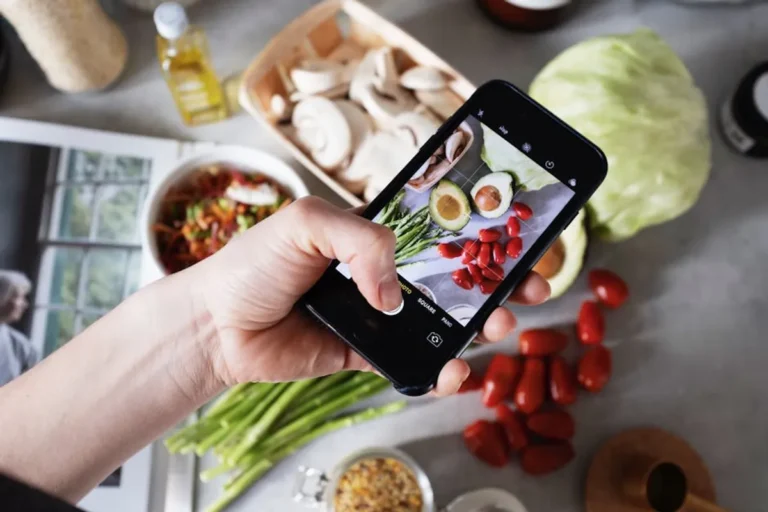
High-resolution, compelling visuals are non-negotiable. Include professional photography of dishes, cultural performances, and local artisans at work. Consider short video clips showcasing a cooking demonstration, a traditional dance, or a market tour. Geotagged images and videos improve local search visibility and provide immediate visual context, significantly increasing engagement rates.
Community Contributions and Local Voices
Feature direct quotes or short profiles of local residents, chefs, artists, or shopkeepers. Their personal perspectives lend credibility and a human touch, transforming the guide from a mere listing into a vibrant community portrait. This approach also fosters local buy-in and provides fresh, authentic content that is difficult for competitors to replicate.
Pro Tip: Avoid the "tourist trap" pitfall by rigorously vetting every recommendation. If a local wouldn't frequent the establishment or participate in the activity, it likely doesn't belong in a guide focused on authentic culture and cuisine. Prioritize word-of-mouth recommendations from residents over general online reviews when sourcing new content.
Optimizing for Search and User Experience
A well-crafted guide must also be discoverable. SEO and UX considerations ensure that your content reaches its intended audience and provides a seamless interaction.
Keyword Strategy for Hyperlocal Queries
Conduct thorough keyword research focusing on long-tail, hyper-local search terms. This includes specific dish names, neighborhood names combined with "food tour" or "cultural walk," and event-specific queries. Optimize meta descriptions, image alt text, and internal linking to reflect these granular keywords. Structured data markup (e.g., Schema.org for restaurants, events, or points of interest) is critical for enhancing visibility in local search results and rich snippets.
Mobile-First Design and Accessibility
Travelers primarily access guides on mobile devices. Ensure the guide is fully responsive, loads quickly, and offers intuitive navigation on smaller screens. Implement clear calls to action (e.g., "Get Directions," "Book a Table") and integrate mapping functionalities. Accessibility features, such as text-to-speech options and high-contrast designs, broaden the guide's reach.
Maintaining Relevance and Authority
A static guide quickly becomes outdated. Ongoing maintenance is essential for preserving its value and credibility.
Regular Updates and Verification
Establish a schedule for reviewing and updating all entries. Confirm operating hours, contact information, menu changes, and event dates at least quarterly. Remove businesses that have closed or experiences that are no longer available. This commitment to accuracy builds trust with users and signals to search engines that the content remains current and authoritative.
Promoting Local Partnerships
Actively seek out new local businesses and cultural initiatives to feature. Foster relationships with community organizations, local government, and individual entrepreneurs. These partnerships not only enrich the guide's content but also create a network of advocates who will share and promote the guide within their own spheres, extending its organic reach.
Building a Lasting Resource
Creating a local travel guide focused on culture and cuisine is a continuous investment, not a one-off project. Its long-term value stems from its authenticity, its utility, and its commitment to showcasing the true spirit of a destination. By prioritizing deep local insights, meticulous content creation, and ongoing optimization, you build a resource that not only attracts visitors but also enriches their travel experience, fostering a deeper appreciation for the local heritage and culinary landscape.
Frequently Asked Questions
What distinguishes an authentic local guide from general travel content?
An authentic local guide focuses on experiences and establishments primarily frequented by residents, offering unique cultural insights and culinary traditions that go beyond typical tourist attractions. It prioritizes depth, specificity, and local perspective over broad appeal.
How frequently should a culture and cuisine guide be updated?
To maintain accuracy and relevance, a culture and cuisine guide should be reviewed and updated at least quarterly. This ensures information like operating hours, seasonal menus, event dates, and business statuses remain current, preserving the guide's credibility.
Can small local businesses contribute content to these guides?
Absolutely. Actively soliciting contributions from small businesses, local chefs, artisans, and community members provides invaluable, authentic content. Their unique perspectives and insider knowledge enrich the guide, making it more comprehensive and trustworthy for travelers.
What are key performance indicators for a successful local travel guide?
Key metrics include increased organic search visibility for local queries, higher engagement rates (time on page, pages per session), positive user feedback, direct bookings or inquiries generated through linked businesses, and growth in local tourism visitor numbers or spend.