
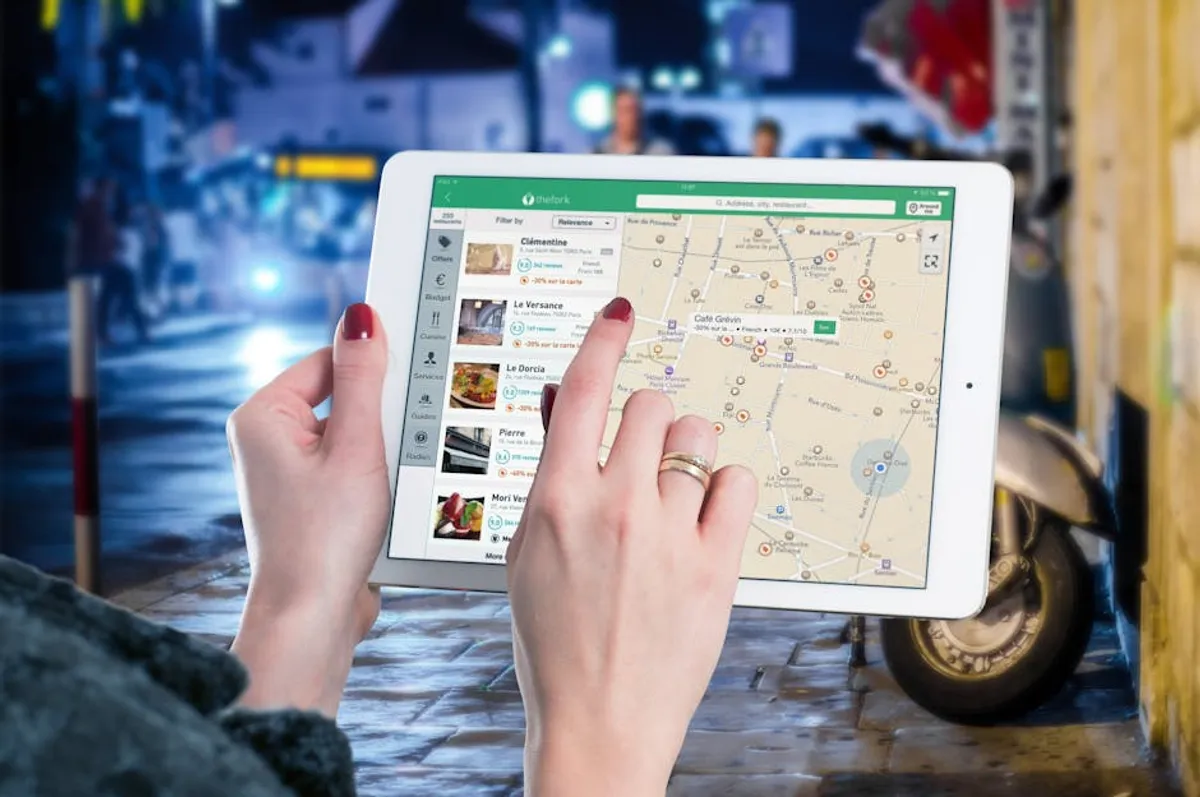
For any business operating with a physical storefront or serving a defined geographic area, search engine visibility is not a global game; it is a hyper-local one. General organic rankings offer a broad stroke view, but they often fail to capture the nuances of local search intent and competition. This is where a dedicated local rank tracker becomes indispensable, moving beyond broad national or regional data to deliver highly specific performance metrics tied directly to a business’s service area and immediate customer base.
Understanding Local Search Visibility
Local search differs fundamentally from national organic search. Users performing local queries often have immediate needs, and their search results are heavily influenced by their physical proximity to businesses, the relevance of those businesses to the query, and the prominence of the businesses online. A standard rank tracker might show a business ranking #1 for "pizza delivery," but if that ranking is for a city 500 miles away, it provides no actionable value for a local pizzeria owner.
The Granularity of City-Level Tracking
Tracking rankings by city provides the essential specificity required for local SEO. It allows marketers and business owners to see how their online presence performs in the exact geographic areas they serve. This isn't just about identifying a single "local" ranking; it's about understanding performance across multiple neighborhoods, zip codes, or even specific street addresses within a metropolitan area. Without this granular data, optimizing for local search becomes a series of educated guesses rather than data-driven decisions. For instance, a business might rank well in its home city but perform poorly in an adjacent, equally important market. City-level tracking exposes these discrepancies, allowing for targeted optimization efforts.
Map Pack Dominance: A Separate Battleground
The Map Pack, also known as the local pack or 3-pack, is arguably the most critical component of local search results. These prominent listings, often appearing at the top of the SERP, display a select few businesses with their location on a map, contact information, and review ratings. Ranking in the Map Pack is not solely dependent on traditional SEO factors; it involves optimizing a Google Business Profile (GBP), managing reviews, and ensuring consistent local citations. A local rank tracker that specifically monitors Map Pack positions provides insights into this unique ranking ecosystem, distinct from the organic search results below it. A business might rank #1 organically but be absent from the Map Pack, indicating a need for a different optimization focus.
Pro Tip: Do not solely rely on manual checks for local rankings. Google’s personalized search results mean your own searches will often show different rankings than those experienced by your target audience. A dedicated local rank tracker simulates searches from specific geographic points, providing an unbiased and accurate view of local performance.
Key Capabilities of an Effective Local Rank Tracker
A robust local rank tracking solution goes beyond simple position reporting. It provides the context and detail necessary to make informed local SEO decisions.
- Hyper-Local Keyword Monitoring: Tracks keyword performance not just at a city level, but often down to zip code, street address, or custom geographic coordinates. This ensures relevance to the precise service areas.
- Map Pack Position Tracking: Specifically monitors rankings within the Google Map Pack, providing separate metrics from organic results. This is crucial for businesses heavily reliant on local visibility.
- Competitive Local Analysis: Allows for tracking competitor rankings in the same local markets, revealing their strengths and weaknesses and identifying opportunities for market share capture.
- Historical Data and Trend Analysis: Stores ranking data over time, enabling the identification of performance trends, the impact of SEO changes, and seasonal fluctuations specific to local markets.
- Customizable Reporting: Offers white-label or custom reports that articulate local performance clearly to clients or internal stakeholders, often including geographic heatmaps or performance comparisons across locations.
- Integration with Google Business Profile: Some trackers integrate with GBP, allowing for a more holistic view of local presence, including review management and profile insights alongside ranking data.
Strategic Advantages for Agencies and Businesses
For SEO agencies, a local rank tracker is a fundamental tool for demonstrating value and optimizing client campaigns. It allows for precise reporting on hyper-local performance, justifying specific local SEO strategies, and identifying new opportunities for clients operating across multiple locations. For businesses, especially multi-location enterprises or those with a strong regional focus, it offers a direct window into market penetration. Understanding which locations are underperforming locally, or which services are not ranking well in specific towns, enables targeted marketing spend and operational adjustments.
Best for: Businesses with physical locations, service-area businesses, multi-location enterprises, and SEO agencies managing local client portfolios.
Selecting the Right Local Tracking Solution
When evaluating a local rank tracker, consider the depth of its geographic tracking capabilities. Does it offer city-level tracking, or can it go even more granular to neighborhoods or specific points of interest? Assess the frequency of data updates; daily updates are often necessary for highly competitive local markets. Evaluate its reporting features – the ability to generate custom, client-friendly reports with visual data representations (like local heatmaps) is a significant advantage. Finally, consider scalability: can the solution effectively track hundreds or thousands of locations and keywords if your business or client portfolio grows?
Leveraging Local Ranking Insights for Growth
A local rank tracker is not just a reporting tool; it's a diagnostic one. When rankings dip in a specific city, it prompts investigation into recent Google Business Profile changes, new competitor activity, or shifts in local search behavior. When Map Pack visibility increases, it validates efforts in review generation or local citation building. By continuously monitoring and acting upon these insights, businesses can refine their local SEO strategies, allocate resources more effectively, and ultimately drive more foot traffic, phone calls, and online inquiries from their immediate service areas. The goal is to move beyond simply knowing where you rank, to understanding why, and what to do next.
Frequently Asked Questions
What is the primary difference between a local rank tracker and a standard rank tracker?
A local rank tracker focuses on geographic-specific search results, monitoring rankings from precise locations (like a city, zip code, or even a street address) and often including specialized tracking for the Google Map Pack. A standard rank tracker typically provides broader, non-localized organic search rankings.
Why is tracking Map Pack rankings separately important?
The Map Pack is a distinct and highly visible section of local search results, driven by a different set of ranking factors, primarily related to Google Business Profile optimization, proximity, and prominence. Tracking it separately allows you to optimize specifically for this critical local visibility channel, which can significantly impact local traffic and conversions.
How frequently should I check my local rankings?
For highly competitive local markets, daily tracking is often recommended to capture fluctuations and identify immediate opportunities or threats. For less dynamic markets, weekly or bi-weekly checks might suffice, but consistency is key for trend analysis.
Can a local rank tracker help with competitive analysis?
Yes, many local rank trackers allow you to monitor competitor rankings within the same geographic areas and for the same keywords. This provides valuable intelligence on their local strategies, helping you identify gaps in your own approach or opportunities to outrank them in specific markets.