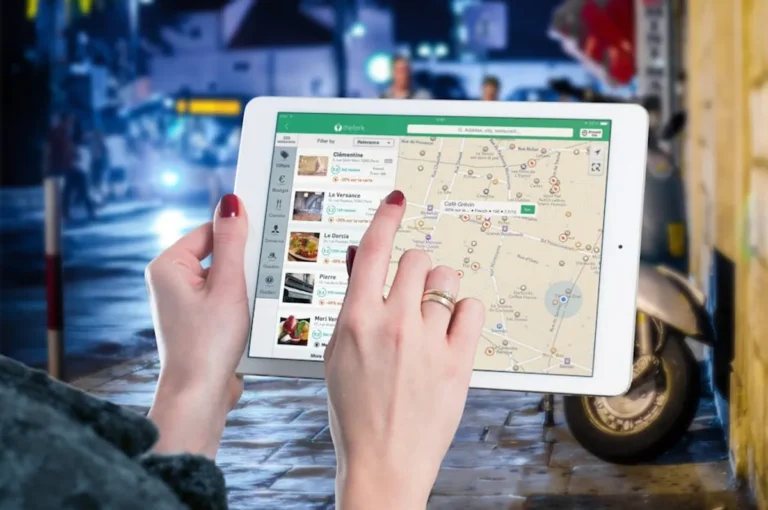

Geo rank tracking provides the granular insights necessary for any business operating in specific geographic markets. Unlike general rank tracking, which monitors keyword performance across broad regions, geo rank tracking pinpoints how a business ranks in search results from a specific physical location, down to a precise street address or ZIP code. This distinction is critical because local search results are highly localized; a business ranking first in one neighborhood might be invisible just a few miles away. For SEO professionals, marketers, and local business owners, understanding these hyper-local variations is not merely an analytical exercise but a direct determinant of local visibility, customer acquisition, and revenue.
The objective of this guide is to detail the operational aspects of geo rank tracking, from strategic setup to data interpretation, ensuring that local SEO efforts are precisely aligned with actual search engine performance in target markets. It moves beyond theoretical concepts to practical application, equipping practitioners with the knowledge to implement an effective position monitoring strategy.
Why Localized Position Monitoring is Indispensable
Local SEO success hinges on visibility where potential customers are physically searching. Geo rank tracking offers a clear, data-driven window into this performance, providing several distinct advantages:
- Accurate Performance Measurement: Standard rank tracking often averages positions across a region, masking poor performance in specific, critical neighborhoods. Geo tracking reveals the true local footprint.
- Competitive Intelligence: Identify which local competitors are dominating specific service areas or for particular local keywords. This insight informs targeted competitive strategies.
- Optimized Resource Allocation: Pinpoint underperforming locations or keywords. This allows for focused optimization efforts on Google Business Profile (GBP), local content, or citation building where they will yield the highest return.
- Strategic Expansion & Validation: For businesses considering new service areas, geo rank tracking can validate market potential or identify existing competitive saturation before significant investment.
- Attribution of Local SEO Efforts: Directly correlate changes in local rankings with specific local SEO actions, such as updating GBP categories, acquiring local reviews, or launching location-specific landing pages.
Key Considerations for Setting Up Geo Rank Tracking
Effective geo rank tracking requires careful planning and a clear understanding of your target market's search behavior. Neglecting these foundational steps can lead to misleading data or wasted effort.
Defining Your Tracking Parameters
The precision of your geo rank tracking depends on how accurately you define the "where" and "what."
Geographic Specificity:
Determine the exact locations from which you need to monitor rankings. This could be:
- City-level: For broader service areas or initial market analysis.
- ZIP/Postal Code: Ideal for targeting specific neighborhoods or sub-regions within a city.
- Street Address/Coordinates: The most granular level, simulating a search from a very specific point, crucial for highly localized businesses like restaurants or retail stores.
The choice depends on your business model and target customer radius. A plumber might track at a ZIP code level, while a coffee shop might track from its immediate vicinity.
Keyword Selection:
Beyond general keywords, local SEO demands a focus on localized search terms. These typically fall into categories:
- "Near Me" Queries: Keywords like "plumber near me" or "coffee shop near me."
- Geo-Modified Keywords: "best Italian restaurant [city name]" or "dentist [neighborhood]."
- Service-Specific Local Keywords: "emergency locksmith [ZIP code]."
Combine these with your primary services or products to build a comprehensive local keyword list.
Choosing Your Tracking Cadence
The frequency of your geo rank checks impacts both data freshness and resource allocation. For most local businesses, weekly or bi-weekly tracking provides sufficient data to identify trends without excessive overhead. However, highly competitive markets or during active local SEO campaigns, daily tracking may be warranted to monitor immediate shifts.
Pro Tip: When initiating geo rank tracking, establish a baseline. Record your initial rankings for all target keywords across all specified locations. This baseline is your reference point for measuring future progress and the impact of your local SEO initiatives. Without it, interpreting subsequent data becomes subjective and less actionable.
Interpreting Geo Rank Tracking Data for Actionable Insights
Collecting data is only the first step; extracting actionable insights is where the real value lies. Look beyond simple position numbers to understand the broader context.
Identify Performance Discrepancies:
Notice if your business ranks well in one part of a city but poorly in another, even for the same keyword. This indicates an uneven local presence, potentially due to inconsistent GBP optimization, varying local citation profiles, or a lack of location-specific content.
Analyze Competitor Movement:
Geo rank tracking reveals which competitors are gaining or losing ground in specific locations. If a competitor suddenly surges in a particular neighborhood, investigate their recent local SEO activities – new reviews, GBP updates, or local promotions.
Correlate with Local SEO Efforts:
Did rankings improve in a specific ZIP code after you updated your GBP service areas, added local schema markup to a landing page, or acquired new local backlinks? This correlation helps validate your strategies and refine future actions.
Best for: Identifying the ROI of specific local SEO tactics.
Transforming Insights into Local SEO Strategy
The data from geo rank tracking should directly inform and refine your local SEO strategy. Here are practical applications:
- Google Business Profile Optimization: If rankings are low in a critical area, revisit your GBP categories, services, descriptions, and ensure consistent Name, Address, Phone (NAP) information. Encourage reviews specifically from customers in underperforming locations.
- Local Content Development: Create location-specific landing pages or blog posts that target keywords relevant to those areas. For example, "best [service] in [neighborhood name]."
- Citation & Link Building: Prioritize building local citations and acquiring backlinks from local businesses, directories, and community organizations in the areas where your rankings need improvement.
- Review Management: Actively solicit and manage reviews, paying attention to the geographic distribution of reviewers. Positive reviews from specific locations can bolster your relevance in those areas.
- Local Ad Targeting: Use geo-tracking data to refine your local paid search campaigns, focusing ad spend on locations where organic visibility is weaker or where competitive pressure is high.
Sustaining Your Local Visibility
Geo rank tracking is not a one-time setup but an ongoing monitoring process. Local search algorithms are dynamic, competitor actions are continuous, and customer search behavior evolves. Regular monitoring allows for proactive adjustments, ensuring your business maintains and grows its local search presence. Integrate geo rank tracking into your monthly or quarterly SEO reporting to keep stakeholders informed and strategies agile.
Frequently Asked Questions
What is the main difference between geo rank tracking and general rank tracking?
General rank tracking typically monitors keyword positions across broad regions or nationally, often averaging results. Geo rank tracking, however, provides highly localized data, showing how a business ranks from specific geographic points, such as a particular city, ZIP code, or even street address, reflecting the personalized nature of local search results.
How often should I track local rankings?
The optimal frequency depends on your market's competitiveness and your current SEO activity. For most local businesses, weekly or bi-weekly tracking is sufficient to identify trends. During active local SEO campaigns or in highly competitive niches, daily tracking may be beneficial to monitor immediate shifts and competitor actions.
Can I track local rankings manually?
While technically possible to perform manual searches from various locations using VPNs or browser developer tools, it is highly impractical and inaccurate for comprehensive monitoring. Manual tracking is time-consuming, prone to error, and does not provide historical data or competitor insights efficiently. Specialized tools are essential for reliable geo rank tracking.
What factors influence local search rankings?
Local search rankings are primarily influenced by three factors: proximity (how close the searcher is to the business), relevance (how well the business matches the searcher's intent), and prominence (the business's overall authority, often indicated by reviews, links, and local citations). Google Business Profile optimization, local content, and consistent NAP information are critical for these factors.