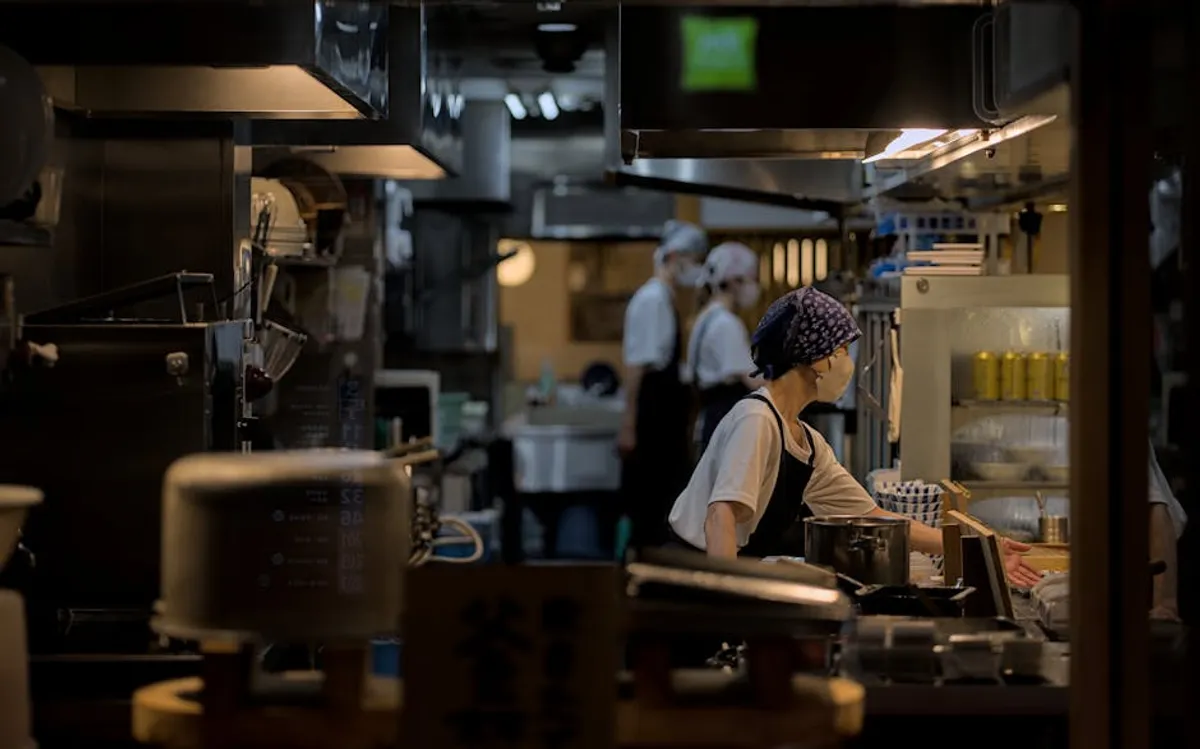
Creating a restaurant guide for a destination like Kyoto presents a significant opportunity for audience engagement and monetization, provided it’s approached with strategic intent. The market for travel and food content is saturated, making a generic list of eateries ineffective for both users and search visibility. A successful Kyoto restaurant guide requires a detailed checklist, moving beyond simple recommendations to encompass user experience, technical SEO, and clear commercial pathways. This guide outlines the essential components for developing a valuable, high-ranking resource that serves specific user needs and generates revenue. Developing a successful strategy involves understanding the best practices for creating guides that resonate with your audience.
Defining Your Guide's Niche and Audience
Before compiling a single restaurant, establish the precise scope and target demographic for your guide. This foundational step dictates content depth, tone, and ultimately, search ranking potential.
Targeting Specific Cuisines or Experiences
A broad "Kyoto restaurants" guide struggles for visibility against established travel platforms. Instead, identify a specific segment. For example, a guide focused on "Kyoto's best vegan ramen" or "Michelin-starred kaiseki experiences under ¥15,000" immediately carves out a niche. This specificity allows for deep, authoritative content that resonates with a highly motivated audience.
Best for: Reducing keyword competition and attracting high-intent users.
Understanding User Intent and Journey
Consider the user's stage in their planning process. Are they browsing for inspiration (informational intent), looking for a reservation (transactional intent), or seeking directions to a known establishment (navigational intent)? Your guide should anticipate and fulfill these varying needs. A guide for "first-time Kyoto visitors" might prioritize traditional, accessible options, while a guide for "foodie adventurers" could highlight obscure, local-only establishments. Each restaurant listing should provide information relevant to these distinct user journeys.
Essential Content Elements for Each Listing
Each restaurant profile within your guide must be comprehensive, accurate, and compelling. Generic descriptions offer little value; specific details drive engagement and conversions.
Core Information and Structured Data
Beyond the basics, integrate data points that facilitate decision-making. Ensure every listing includes:
- Full name, address, and phone number (with country code).
- Operating hours, including any seasonal or holiday closures.
- Official website link and reservation platform links (e.g., TableCheck, OpenTable).
- Estimated price range per person (e.g., ¥¥¥ for 5,000-10,000 JPY).
- Specific cuisine type (e.g., "Kyoto-style ramen," "Shojin Ryori," "Izakaya").
- Dietary accommodation notes (e.g., "vegan options available," "gluten-free menu on request").
Implementing Restaurant schema markup for each entry is crucial for search engines to understand the content and potentially display rich results, such as ratings, price ranges, and opening hours directly in search engine results pages.
Unique Selling Proposition and Narrative
What makes a restaurant memorable? It's rarely just the food. Include details about the chef's philosophy, the establishment's history, signature dishes, or unique ambiance. For example, mention if a restaurant uses local Kyo-yasai vegetables, has a garden view, or specializes in a centuries-old cooking technique. These narratives differentiate your guide and provide a richer user experience.
Example: "This 10-seat ramen shop, run by a husband-and-wife team, has perfected its chicken-paitan broth over 30 years, using only locally sourced Kyoto poultry."
High-Quality Visuals and Media
Professional photography of the exterior, interior, and key dishes is non-negotiable. Images should be optimized for web performance (compressed, responsive) and include descriptive alt text for accessibility and SEO. Consider short, engaging video clips (e.g., 15-30 seconds) showcasing the dining experience or a signature dish preparation, hosted on platforms like YouTube or Vimeo and embedded into the listing.
Structuring for Discoverability and User Experience
A well-organized guide improves user navigation and signals relevance to search engines, boosting organic visibility.
Categorization and Filtering
Enable users to quickly narrow down options. Implement filters based on criteria such as:
- District: Gion, Arashiyama, Pontocho, etc.
- Cuisine: Sushi, Tempura, Kaiseki, Izakaya, Western.
- Price Point: Budget, Mid-range, Fine Dining.
- Dietary Needs: Vegetarian, Vegan, Halal, Gluten-Free.
- Occasion: Romantic, Family-friendly, Solo dining, Group.
These filters create distinct, crawlable URLs (e.g., /kyoto-restaurants/gion/vegan) that can rank for specific long-tail queries.
Internal Linking Strategy
Connect related content strategically. Link from a restaurant listing to a broader "Kyoto's Best Sushi" article, or from a district guide to all restaurants within that area. This improves user flow, distributes link equity, and signals content hierarchy to search engines. Avoid orphaned pages; every restaurant listing should be accessible through multiple pathways within the guide. This interconnectedness is key to understanding how a restaurant guide works for both users and search engines.
Pro Tip: To maintain authenticity and build trust, ensure your guide prominently features independent, firsthand reviews or curated insights, rather than solely relying on aggregated third-party ratings. Actively seek out local experts or contributors who can offer unique perspectives on Kyoto's culinary scene. This human touch differentiates your content from algorithmic aggregators and resonates deeply with users seeking genuine recommendations.
Monetization and Commercial Strategy
A high-quality guide can be a significant revenue driver. Integrate monetization strategies thoughtfully to avoid compromising user experience.
Affiliate Partnerships
Integrate affiliate links for reservation platforms (e.g., TableCheck, Booking.com for restaurants), local tour operators that include food experiences, or e-commerce sites selling Kyoto-specific ingredients or cooking tools. Clearly disclose all affiliate relationships to maintain transparency and user trust. Focus on partners that genuinely enhance the user's travel or dining experience.
Sponsored Content Opportunities
Offer featured listings or advertorials to restaurants that align with your guide's quality standards. These must be clearly marked as "Sponsored" or "Promoted" to comply with advertising regulations and maintain editorial integrity. The value proposition for restaurants is access to your targeted audience and enhanced visibility within a trusted resource.
Technical SEO and Performance
Even the most compelling content will struggle without a strong technical foundation. Optimize for speed, mobile usability, and search engine crawlability.
Local SEO Optimization
Ensure your guide is optimized for local search queries. This involves integrating location-specific keywords (e.g., "Kyoto restaurants near Kiyomizu-dera"), encouraging user reviews (if applicable), and potentially linking to Google Business Profiles for each restaurant. For your own guide's platform, ensure it's listed on relevant local directories.
Core Web Vitals and Mobile-First Design
Page load speed, interactivity, and visual stability are critical for user experience and search rankings. Optimize images, leverage browser caching, and minimize third-party scripts. Given that many users will access restaurant guides on their phones while traveling, a responsive, mobile-first design is non-negotiable. Test usability across various devices and screen sizes.
Sustaining Your Kyoto Restaurant Guide
A successful restaurant guide is not a static project; it requires continuous maintenance and evolution. Regularly audit restaurant information for accuracy—hours change, menus evolve, and establishments close. Solicit user feedback to identify gaps or areas for improvement. Continuously analyze search performance and user engagement data to refine your content strategy, add new categories, or expand into related culinary topics. By treating your guide as a living resource, you ensure its long-term relevance and commercial viability in a dynamic market.
Frequently Asked Questions
What is the most important element for a Kyoto restaurant guide to stand out?
Niche definition and unique, authoritative content are paramount. Instead of a general list, focus on a specific cuisine, experience, or dietary need, providing in-depth, firsthand insights and high-quality visuals.
How can a new guide compete with established travel platforms?
Compete by offering hyper-specific targeting, original photography, and local expertise that larger platforms often lack. Focus on storytelling and unique angles that resonate with a dedicated, niche audience.
What are effective monetization strategies for a restaurant guide?
Key strategies include affiliate partnerships with reservation platforms or tour operators, clearly disclosed sponsored listings for relevant restaurants, and potentially premium content like downloadable curated itineraries.
How often should a Kyoto restaurant guide be updated?
Regular updates are crucial, ideally quarterly or bi-annually, to ensure accuracy of hours, menus, and contact information. New restaurant openings and closures also necessitate timely revisions to maintain relevance and trust.