
Navigating Kyoto's renowned culinary scene can feel overwhelming for a first-time visitor. The city is home to an extraordinary range of dining experiences, from multi-course traditional feasts to bustling street food stalls, each offering a distinct flavor of Japan. This guide provides a structured approach to understanding Kyoto's food culture, making reservations, and dining with confidence, ensuring your gastronomic journey is as rich as the city's history. This approach helps you discover dining with confidence tips for an unforgettable experience.
Understanding Kyoto's Culinary Landscape
Kyoto's food identity is deeply rooted in its history as the imperial capital, fostering a sophisticated and refined approach to cuisine. Understanding the core categories helps in choosing experiences that match your preferences and budget.
Traditional Kyoto Cuisine (Kyo-ryori)
Kyo-ryori encompasses a range of traditional dishes emphasizing seasonal ingredients, delicate preparation, and artistic presentation. It reflects Kyoto's historical isolation from the sea, leading to a focus on vegetables, tofu, and freshwater fish, often prepared with subtle dashi-based broths.
- Kaiseki: This is a multi-course meal, often served in traditional ryotei (high-end restaurants) or ryokan (traditional inns). Each dish is small, meticulously prepared, and presented to reflect the season. Expect a progression of appetizers, sashimi, grilled dishes, simmered dishes, rice, soup, and dessert. Prices are typically high, and reservations are almost always required, often weeks or months in advance for top establishments.
- Shojin-ryori: Buddhist vegetarian cuisine, originally developed in temples. It avoids meat, fish, and strong-smelling vegetables like garlic or onion. The focus is on soy products, seasonal vegetables, and mountain herbs, prepared in ways that highlight their natural flavors. Many temples offer shojin-ryori, providing a serene dining experience. This is an excellent option for vegetarians or those seeking a unique cultural meal.
Everyday Eats and Local Favorites
Beyond the formal traditions, Kyoto offers a vibrant array of casual and comforting dishes that form the backbone of local dining.
- Ramen: Kyoto has its own distinct ramen styles, often characterized by a rich, soy-sauce-based broth (shoyu) or a heavier, pork-bone broth (tonkotsu). Many shops are small, counter-seating establishments where you order from a vending machine. Look for local favorites like Tenkaippin for a thick, rich broth or Ippudo for a more refined tonkotsu.
- Udon and Soba: These noodle dishes are staples. Udon noodles are thick and chewy, while soba are thin buckwheat noodles. Both can be served hot in broth or cold with a dipping sauce. Kyoto's water quality is often credited for the excellence of its noodles.
- Okonomiyaki and Takoyaki: While more famously associated with Osaka, these savory pancakes (okonomiyaki) and octopus balls (takoyaki) are widely available and make for satisfying, casual meals. They are often cooked on a griddle right in front of you.
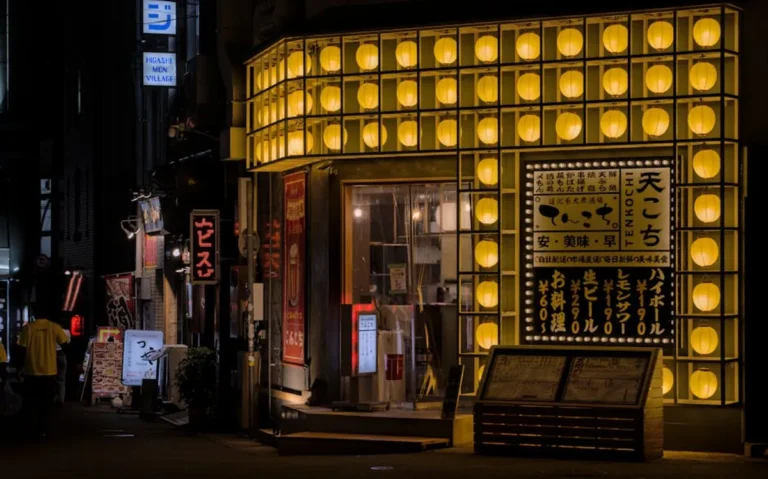
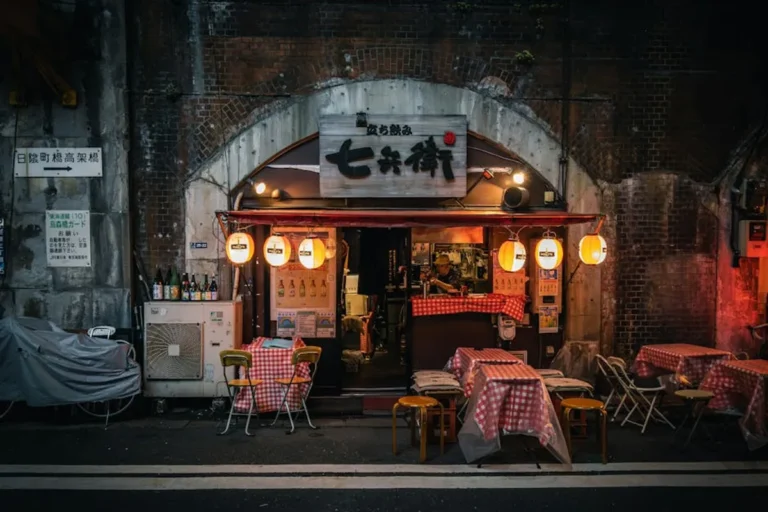
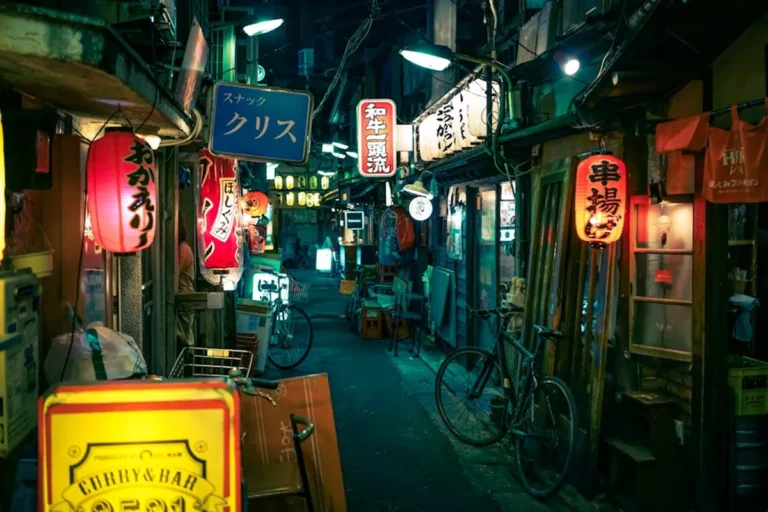
- Izakaya: Japanese pubs offering a wide variety of small plates (yakitori, tempura, sashimi, salads), perfect for sharing over drinks. Izakayas are ideal for experiencing a lively local atmosphere and trying many different dishes without committing to a full meal.
- Street Food: Nishiki Market, known as "Kyoto's Kitchen," is a prime location for sampling various street foods, from grilled seafood skewers and tamagoyaki (rolled omelet) to mochi and pickles. It's a daytime experience, as most stalls close by late afternoon.
Navigating Restaurant Types and Reservations
Understanding the operational nuances of Kyoto's restaurants is key to a smooth dining experience.
Casual vs. Formal Dining
The distinction between casual and formal dining dictates expectations regarding service, price, and booking requirements.
- Casual Establishments: Ramen shops, udon/soba eateries, izakayas, and many small cafes typically operate on a walk-in basis. Expect counter seating or small tables, quick service, and often a queue during peak hours. Some may require you to purchase meal tickets from a vending machine before being seated.
- Formal Establishments: Kaiseki restaurants, high-end sushi counters, and specialized traditional dining experiences generally require reservations. These are often intimate settings with limited seating, and the chef prepares dishes specifically for the number of booked guests.
Making Reservations
For any formal or highly sought-after dining experience, securing a reservation is critical. Many top restaurants are fully booked months in advance.
- Online Platforms: Use services like TableCheck or Omakase, which allow international bookings for many high-end establishments. Some restaurants use their own booking systems, accessible via their official websites.
- Hotel Concierge: If you are staying at a reputable hotel, their concierge service can be invaluable. They often have established relationships with restaurants and can navigate language barriers to secure bookings on your behalf. This is often the most reliable method for top-tier restaurants.
- Direct Contact: If you speak Japanese, calling directly is an option. Otherwise, avoid attempting to call directly unless the restaurant explicitly states they accept English calls.
Pro Tip: Always confirm the restaurant's cash acceptance policy. While larger establishments and chains increasingly accept credit cards, many smaller, independent eateries, especially ramen shops and izakayas, operate on a cash-only basis. Have sufficient yen on hand to avoid inconvenience. For high-demand restaurants, aim to book at least 2-3 months in advance, especially for weekend evenings or during peak travel seasons.
Essential Dining Etiquette and Tips
Respecting local customs enhances your dining experience and shows appreciation for Japanese culture.
Basic Table Manners
- Chopsticks: Never stick chopsticks upright in a bowl of rice (resembles funeral rites). Do not pass food from chopstick to chopstick. When not in use, place them on the chopstick rest provided or across your bowl.
- Slurping Noodles: It is acceptable, and often encouraged, to slurp your noodles and soup. It signifies enjoyment and helps cool hot food.
- "Itadakimasu" and "Gochisousama deshita": Saying "Itadakimasu" before eating is a polite expression of gratitude for the meal. "Gochisousama deshita" (said after the meal) thanks the chef and staff.
Payment and Tipping
Tipping is not customary in Japan and can even be considered an insult. The price on the menu is the final price. For payment, check whether the establishment accepts credit cards or is cash-only. Many smaller, traditional places prefer or only accept cash.
Dietary Restrictions
Communicating dietary needs, especially allergies, can be challenging due to language differences. It's advisable to carry a translation card explaining your specific restrictions in Japanese. While vegetarian and vegan options are becoming more common, especially in tourist-heavy areas, they are not universally available. Shojin-ryori is a reliable option for vegetarians. Researching ahead for dedicated vegetarian/vegan restaurants is recommended.
Finding Your Next Meal
Kyoto's districts offer distinct dining atmospheres and culinary specialties.
Key Dining Districts
- Gion: Known for traditional Kyo-ryori, kaiseki, and high-end establishments, often with geisha sightings. Expect a more formal and expensive experience.
- Pontocho: A narrow, atmospheric alley running parallel to the Kamo River, packed with restaurants and bars ranging from casual izakayas to upscale dining with river views.
- Kyoto Station Area: Offers a wide variety of dining options, from quick ramen and udon to department store restaurants, convenient for travelers.
- Nishiki Market: A lively covered market perfect for sampling street food, fresh produce, and local delicacies during the day. Most stalls close by 5 PM.
Leveraging Online Resources
Utilize online tools to refine your choices. Google Maps provides user reviews and photos, while specialized food blogs and travel sites often feature curated lists of recommended restaurants. For specific dietary needs, dedicated apps or websites focusing on vegetarian/vegan dining in Japan can be invaluable.
Planning Your Kyoto Dining Adventure
Approaching Kyoto's dining scene with a blend of preparation and flexibility yields the most rewarding experiences. Research specific restaurants that align with your interests and budget, especially for formal meals requiring reservations. Don't shy away from casual spots; some of the most memorable meals come from small, unassuming eateries. Embrace the local customs, from slurping noodles to using polite phrases. Most importantly, allow yourself to explore and discover, as Kyoto's culinary depth is best appreciated through varied experiences.
Frequently Asked Questions
Is tipping expected in Kyoto restaurants?
No, tipping is not customary in Japan. The service charge is usually included in the price, and attempting to leave a tip can sometimes cause confusion or even be considered impolite.
How do I make reservations if I don't speak Japanese?
The most reliable methods are using online booking platforms like TableCheck or Omakase, or asking your hotel concierge to make reservations on your behalf. Many high-end restaurants prefer or require bookings through these channels.
Are there vegetarian or vegan options easily available?
While not as widespread as in some Western countries, vegetarian and vegan options are increasingly available, especially in larger cities like Kyoto. Shojin-ryori (Buddhist vegetarian cuisine) is a traditional option. It's advisable to research specific vegetarian/vegan restaurants or carry a translation card explaining your dietary restrictions.
What's the difference between Kaiseki and Shojin-ryori?
Kaiseki is a multi-course, elegant Japanese meal that emphasizes seasonal ingredients, delicate preparation, and artistic presentation, often including meat and fish. Shojin-ryori is traditional Buddhist vegetarian cuisine, strictly avoiding meat, fish, and certain strong-smelling vegetables, focusing on plant-based ingredients and soy products.