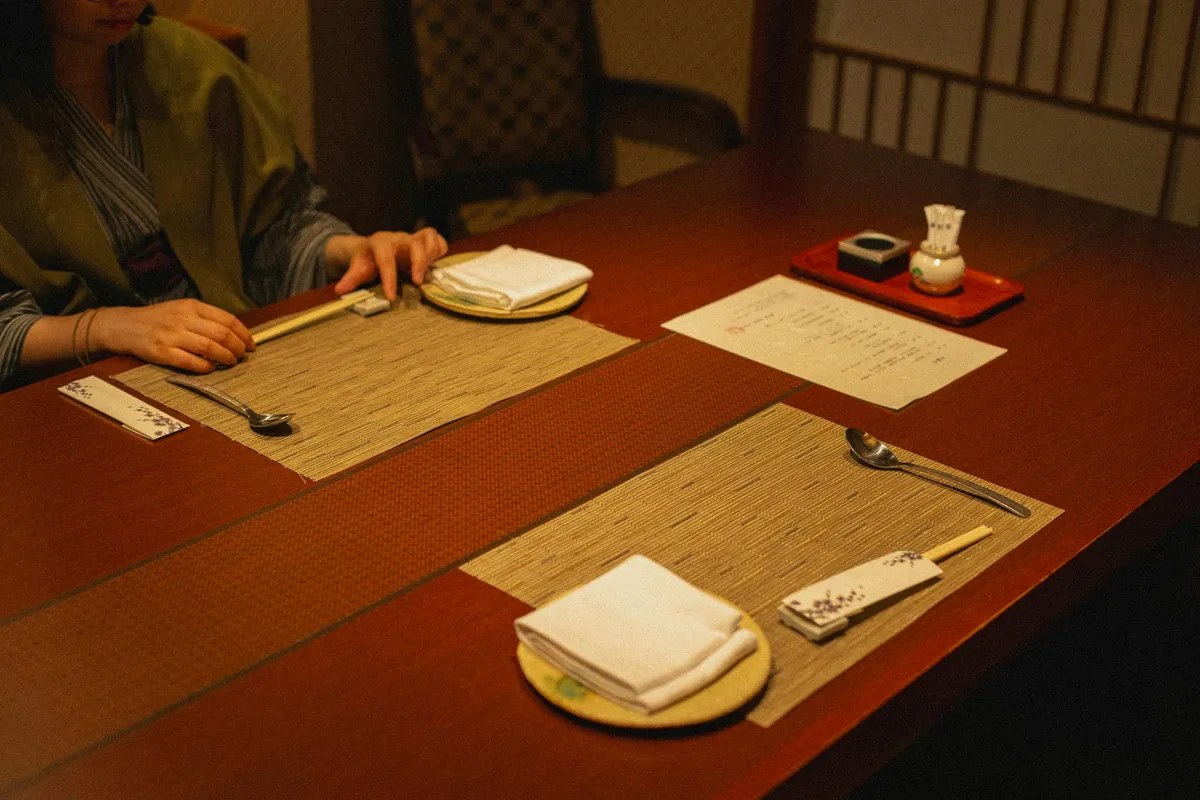
If you spend time in Kanazawa, on the Sea of Japan coast in Ishikawa Prefecture, you encounter food traditions that feel preserved from earlier moments. The market sells ingredients you don't see in Tokyo. The traditional restaurants serve dishes prepared in specific ways that have substantially declined in more visited cities. The city as a whole maintains specific relationships with food and food traditions that warrant careful attention.
Kanazawa is not unknown to international visitors. It receives substantial tourism, particularly since the Hokuriku Shinkansen line opened access from Tokyo. But the food culture remains distinctive in ways that the increased tourism has not yet erased.
The city deserves attention for what it has chosen to preserve. The preservation is itself a substantial cultural achievement worth examining.
The geographic and historical context
Kanazawa's food culture reflects specific historical conditions:
The city was the seat of the Maeda clan, one of the most powerful and wealthy of feudal Japan's domains. The substantial wealth supported elaborate cultural traditions including specific food traditions that survived because the resources existed to sustain them.
The city was largely spared during World War II bombing that destroyed cultural infrastructure in many other Japanese cities. Buildings, traditions, and craft producers continued where they had been disrupted elsewhere.
The city's coastal location provides specific seafood resources. Cold-water fish from the Sea of Japan offer different specialties than the warmer waters around southern Honshu.
The mountainous prefecture supports specific agricultural traditions including unique vegetables and rice varieties that have remained in cultivation.
The combination of factors produced food traditions distinct from those of Tokyo, Kyoto, or Osaka.
What the city has preserved
Specific food traditions that continue in Kanazawa:
Kaga vegetable cultivation. The Kaga vegetables (kaga yasai) are 15 traditional vegetable varieties specifically cultivated in the area for centuries. Several varieties are essentially unavailable elsewhere. The cultivation requires specific conditions and continues through specific dedicated farmers.
Crab cuisine. The Sea of Japan crab tradition (kani) reaches particular elaboration in Kanazawa. Specific preparation methods, specific seasonal patterns, specific accompanying traditions. The crab restaurants of Kanazawa operate according to traditions that elsewhere have faded.
Wagashi (traditional sweets). Kanazawa is one of three major wagashi cities in Japan. Specific shops have maintained sweet-making traditions across centuries with specific connections to tea ceremony and specific seasonal variations.
Sake brewing. The prefecture has substantial sake brewing tradition. Specific breweries maintain methods that have largely been industrialized away in larger production centers.
Gold leaf cuisine. Kanazawa produces approximately 99% of Japan's gold leaf. Local cuisine incorporates gold leaf in ways that elsewhere are merely decorative gestures.
Specific dish traditions. Jibu-ni (a specific stew with duck), various crab preparations, specific seasonal vegetable preparations — dishes prepared in specific traditional ways.
The preservation reflects sustained community decisions to maintain rather than modernize specific traditions.
The Omichō Market
The central food market in Kanazawa operates with specific character:
The market has been operating in roughly its current form for centuries. The continuity matters.
The market serves both restaurants and household shoppers. The dual function has shaped what the market sells and how it operates.
Specific vendors specialize in specific products with substantial expertise. Crab specialists, vegetable specialists, sweet specialists, fish specialists — each operating with knowledge accumulated across generations.
The market is busy but not overwhelming. The scale supports relationship-based commerce rather than purely transactional commerce.
For visitors interested in actual food culture, the market provides substantial education. For locals, the market provides actual sustenance.
Specific restaurants worth knowing
Specific Kanazawa establishments warrant attention:
Kanazawa specific kaiseki. Multiple restaurants serve kaiseki cuisine in specifically Kanazawa style with regional ingredients and Kaga preparation traditions. The kaiseki here differs from Kyoto's in specific ways.
Crab restaurants. Specific establishments specialize in crab during winter months. The crab tradition in Kanazawa is among the most elaborate in Japan.
Wagashi shops. Specific shops have produced sweets for centuries. The shops are open to visitors but operate primarily as serious traditional establishments.
Sake breweries. Specific breweries offer tours and tastings. The breweries themselves are interesting beyond just the sake.
Traditional tea houses. Specific tea houses in the geisha district operate according to traditions that elsewhere have largely disappeared.
Naming specific establishments would risk over-promotion. Interested visitors can identify them through Kanazawa-specific food guides and through local recommendations.
The seasons in Kanazawa
Kanazawa's food culture is substantially seasonal:
Winter: Crab season. Specific crab varieties from the Sea of Japan. Many restaurants are at their peak during these months.
Spring: Specific vegetable seasons. Kaga vegetables emerge in their proper time. Bamboo shoots, mountain vegetables, specific spring delicacies.
Summer: Sea fish, summer vegetables, specific summer preparations. The cuisine shifts substantially.
Autumn: Mushrooms, persimmons, specific autumn vegetables. Substantial autumn cuisine tradition.
Visiting Kanazawa benefits substantially from awareness of seasonal cuisine. Visiting in different seasons produces substantially different food experiences.
The relationship between food and other traditions
Kanazawa's food culture connects to other preserved traditions:
Tea ceremony. The specific Kanazawa tea ceremony tradition affects what wagashi traditions look like. The two have developed together.
Geisha tradition. Kanazawa's geisha tradition continues in specific ways. The tea houses and food traditions intersect with the geisha tradition.
Crafts. Kanazawa is renowned for crafts including lacquerware, gold leaf, and specific ceramic traditions. The crafts produce vessels and tools used in specific food traditions.
Garden tradition. Kanazawa's Kenroku-en is among the three most famous gardens in Japan. The garden tradition reflects aesthetic principles that also affect food presentation traditions.
The integrated cultural traditions support each other. Loss of any single element would weaken the others.
What's changed
Honest acknowledgment of changes:
Tourism has increased substantially since shinkansen access. The city accommodates more visitors than it traditionally did.
Specific traditions have modernized. Not all preservation is complete.
Younger generations' engagement with traditional food culture is variable. Some traditions are at risk of generational discontinuation.
Commercial pressures affect specific establishments. Some have made compromises others have not.
Climate change affects ingredient availability and seasonality.
The preservation is real but not absolute. Continued attention is required to maintain what has been maintained.
What visitors should know
For people considering visits to Kanazawa for food culture:
Visit deliberately. The city's food culture rewards substantial attention rather than rushed sampling.
Eat at the proper times. Kaiseki dinners take 2-3 hours. Crab meals require commitment. Plan accordingly.
Make reservations at substantial restaurants. Walk-ins to traditional establishments often aren't possible.
Engage with the market. Even without buying, the market provides substantial education.
Ask questions. Restaurant staff and vendors generally respond to genuine interest with substantial information.
Respect the traditions. Visitors' behavior affects how welcoming establishments remain.
Visit in multiple seasons if possible. The cuisine differs substantially across seasons.
What practitioners can learn
For chefs, restaurant operators, and food professionals interested in Kanazawa:
The preservation of traditions requires sustained community decisions. Individual establishments preserve traditions because broader community sustains them.
Connection between food and broader cultural traditions strengthens both. Food traditions disconnected from broader culture are more vulnerable.
Specific producer relationships sustain specific traditions. Restaurants sourcing from specific producers help maintain those producers' viability.
Seasonality matters in ways that mass food culture has lost. Restoring specific seasonal awareness produces better food.
Quality over quantity. Kanazawa's food culture privileges specific excellence over broad availability.
The principles apply beyond Kanazawa. Their successful application in Kanazawa demonstrates what's possible elsewhere.
The preservation question
Kanazawa's preservation of food traditions raises broader questions:
What's worth preserving? Some traditions become irrelevant. Others remain vital. The judgment about which is which is ongoing.
Who decides? Preservation reflects accumulated community decisions rather than any single authority. The collective dynamics matter.
How is preservation supported economically? Traditions require economic viability. Preservation requires both cultural commitment and economic structures.
How does preservation handle change? Static preservation isn't possible. Living traditions evolve. The negotiation between preservation and evolution is continuous.
These questions apply beyond food. Kanazawa's food culture provides one specific instance of broader preservation questions.
The future
Looking forward for Kanazawa's food culture:
Continued tourism produces both economic support and cultural pressure.
Generational transitions among traditional producers are critical. Maintaining traditions requires next-generation practitioners.
Climate change affects ingredient availability that traditions depend on.
Economic pressures may produce compromises that erode specific traditions over time.
The preservation work continues but the conditions for it shift continuously.
For continued engagement
For people interested in continued engagement with Kanazawa food culture:
Subscribe to publications covering Japanese food culture in depth. Substantial resources exist.
Visit periodically rather than just once. The city rewards sustained engagement.
Support specific establishments and producers. Economic support sustains the cultural support.
Learn about related traditions (tea ceremony, crafts, garden tradition). The interconnections enrich understanding of any single tradition.
Engage with Kanazawa-related cultural institutions. The institutions support the broader traditions.
The honest summary
Kanazawa preserves Japanese food traditions that elsewhere have substantially modernized. The preservation is a substantial cultural achievement worth attention from food-interested visitors.
For visitors, the city rewards substantial engagement rather than brief sampling. Multiple visits across multiple seasons provide better understanding than any single visit could.
For practitioners, the city provides substantial lessons about preservation, tradition, and the relationship between food and broader culture.
For broader cultural reflection, Kanazawa offers a specific case study of what conscious preservation produces. The lessons apply beyond Japanese food.
A closing observation
The Kaga vegetables continue to grow where they have grown for centuries. The crab fishermen continue to fish the Sea of Japan as they have. The wagashi shops continue to make sweets in the manner their predecessors made them. The kaiseki traditions continue to be performed.
This continuity is not automatic. It reflects sustained decisions across generations to maintain what could otherwise have been allowed to fade.
For visitors, the preserved traditions are accessible. The accessibility is a gift from those who have maintained the traditions across the time scales that food culture inhabits.
The work of preservation continues, where it continues, because some practitioners and communities find substantial value in maintaining what could be lost. The continuation matters substantially for the cultural diversity of Japan and for the broader patterns of food culture globally.
The vegetables grow. The crab is caught. The sweets are made. The cuisine continues, in the long quiet rhythm by which substantial food traditions have always continued where the conditions for their continuation are sustained.
For people who care about food culture, Kanazawa is worth the substantial attention it deserves. The city teaches what conscious preservation produces. The teaching applies broadly beyond Kanazawa itself.
The work goes on. The traditions persist. The food culture continues, in the specific way that Kanazawa has chosen to allow it.