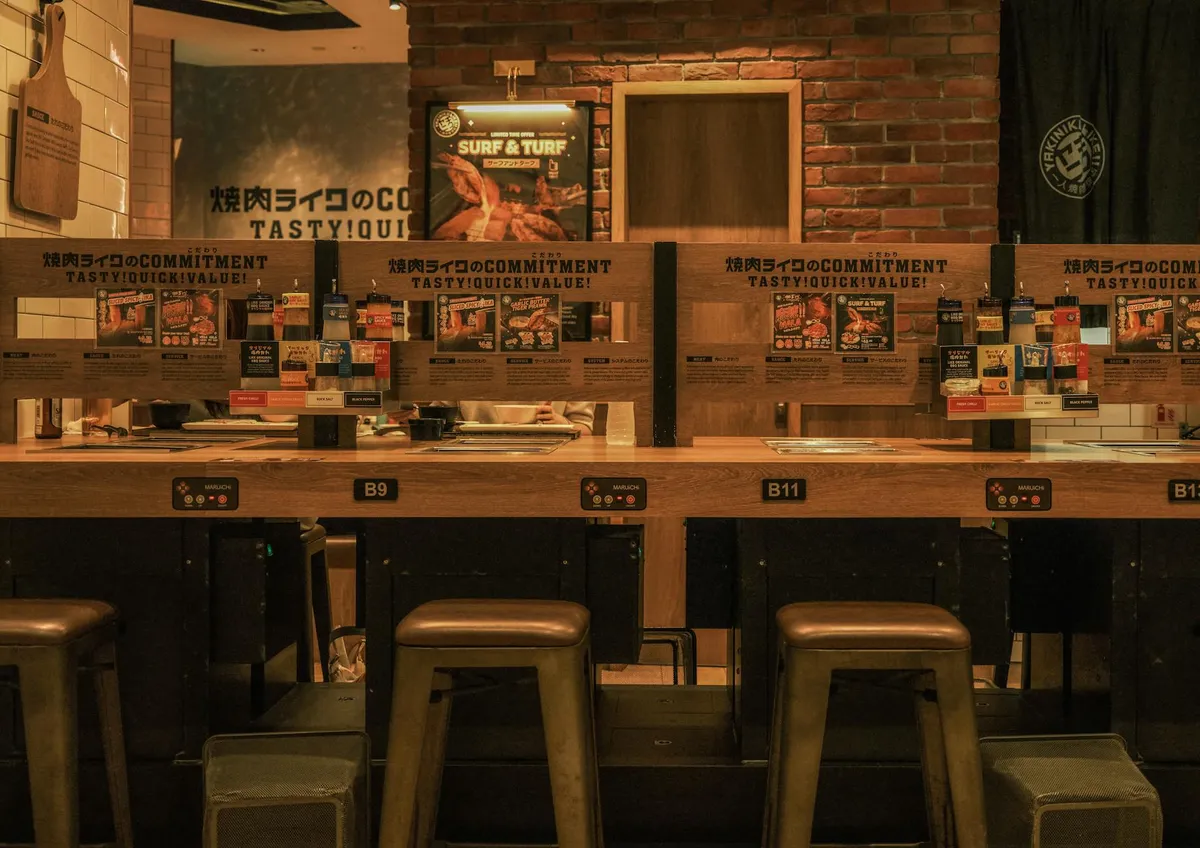
Japan accommodates solo dining in ways that other food cultures don't. The infrastructure exists — counter seating at substantial restaurants, ticket-machine ramen shops, specific lunch operations designed for individual diners. The cultural acceptance is substantial. Solo diners are normal customers, not exceptions to be accommodated.
The result is specific dining experiences that work better solo than they would with company. Eating alone at a substantial sushi counter provides direct relationship with the chef and the food that conversation would interrupt. Eating ramen alone at a counter allows focused engagement with the bowl that conversation would distract from.
The specific pleasures of solo dining in Japan deserve examination because they reveal substantial things about Japanese food culture and about the relationship between food and attention.
Why Japan accommodates solo dining
Several factors produce Japan's solo dining infrastructure:
Urban density. Tokyo and other major cities support substantial single-person households. The market for solo dining is substantial enough to drive infrastructure.
Working culture. Substantial Japanese working culture involves working hours that limit family meals. Solo dining is normalized.
Specific food traditions. Some traditional foods (sushi, ramen, specific bento patterns) are appropriate for individual consumption. The food forms the dining infrastructure that supports.
Cultural attitudes. Solo dining in Japan doesn't carry the social stigma it sometimes carries elsewhere. Restaurants don't treat solo diners differently than group diners.
Counter dining tradition. Substantial counter dining tradition specifically accommodates solo diners. The counter is designed for individual diners interacting with the chef.
The combination produces infrastructure where solo dining is genuinely supported rather than tolerated.
What sushi counter dining provides
Sushi at the counter is one of the substantial solo dining experiences:
The chef prepares each piece for you specifically. The relationship is direct.
The pace is set by the chef. You eat each piece as it's presented rather than at your own timing.
Conversation is possible but optional. Substantial sushi chefs can maintain conversation; substantial chefs can also work in respectful silence.
The experience is focused. The food is the central activity rather than companion to conversation.
The chef's attention to specific seasonal and quality factors becomes part of the experience. They explain or you observe.
The progression of pieces follows specific traditional patterns. The progression is part of the experience.
Solo sushi counter dining produces experience that group dining simply doesn't. The chef relationship and food focus require solo attention.
What ramen shop dining provides
Ramen counter dining provides different specific pleasure:
The bowl is fully your focus for 15-20 minutes. The intensity of the eating supports attention.
The food evolves through the eating. Hot noodles soften, broth changes flavor, toppings interact differently at different points.
The shop environment supports the focused experience. Many ramen shops have specific designs (counter facing kitchen, no tables) that support solo diners.
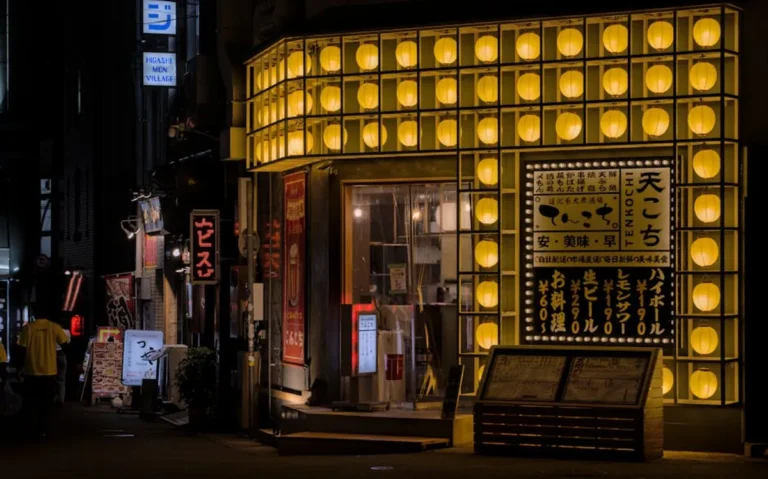
The transaction is efficient. Ticket machines, quick orders, focused service mean the eating happens without external interruption.
Solo ramen dining isn't lonely. It's focused. The distinction matters.
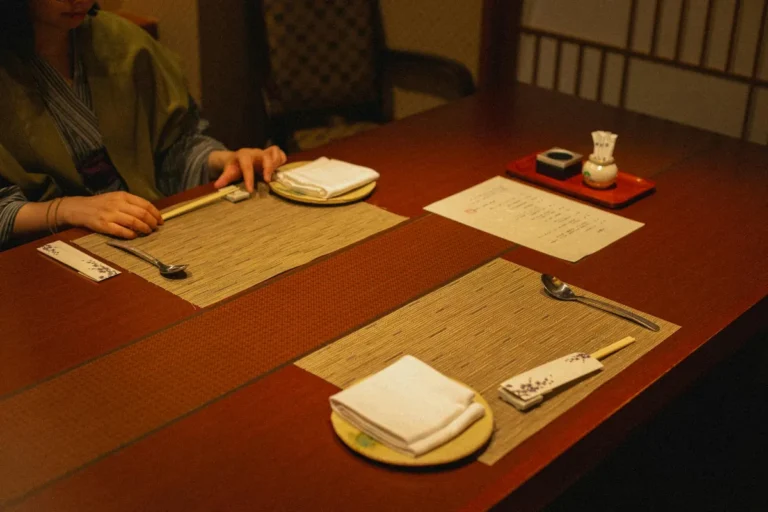
What kaiseki dining provides solo
Kaiseki dining solo offers specific experience:
The progression of courses across two-plus hours produces sustained attention.
The relationship with the chef and staff develops across the meal.
The seasonal and aesthetic elements (ceramics, presentation, garden views) become parts of focused attention.
The pace allows reflection between courses. Conversation companion would limit this reflection.
Solo kaiseki is unusual but available at many substantial restaurants. The experience is substantially different from group kaiseki.
For substantial kaiseki appreciation, solo dining can produce deeper engagement than group dining allows.
What other solo dining situations provide
Various other solo dining experiences in Japan:
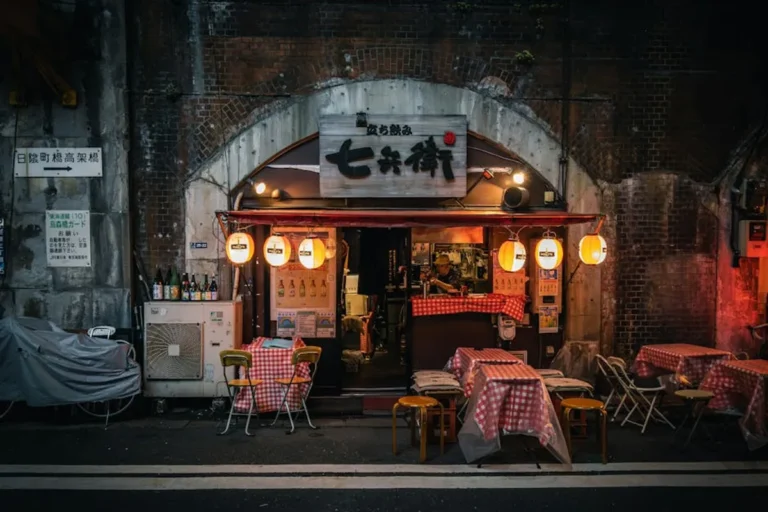
Tachigui (standing eating). Specific quick eating at standing-only establishments. Various foods served quickly. Solo diners are typical customers.
Chain ramen shops. Various chains support solo dining specifically with counter seating and ticket-machine ordering.
Lunch counter operations. Many restaurants have specific lunch operations designed for solo diners during work breaks.
Department store food halls. Substantial food halls accommodate solo diners with counter dining and various options.
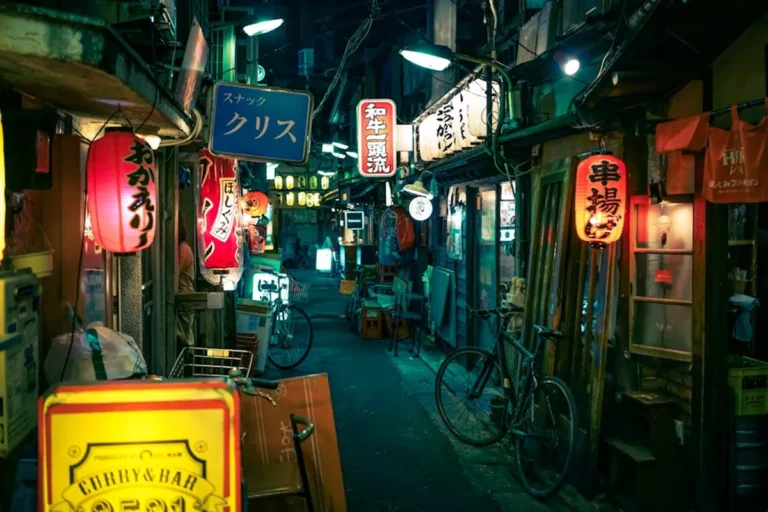
Specific izakaya counter sections. Many izakaya have counter sections that work for solo diners alongside group dining areas.
The variety supports solo diners across price points and meal types.
What makes solo dining work in Japan
Specific factors that support solo dining:
Restaurants treat solo diners as normal customers, not as situations requiring management.
Counter seating and other solo-friendly arrangements exist explicitly.
Service is professional and attentive without being intrusive.
Food preparation often includes the chef's direct involvement, providing some social engagement.
Pace is appropriate to the food rather than to social interaction needs.
The cultural acceptance means solo diners aren't treated awkwardly.
The combination produces solo dining that's genuinely pleasant rather than uncomfortable.
What solo dining requires from the diner
Solo diners benefit from specific approaches:
Engagement with the food rather than substitute distraction. Phone use, while accepted, limits the experience.
Appropriate behavior in the space. Some solo dining behaviors common elsewhere don't fit Japanese norms.
Communication with staff and chefs when desired. Solo dining doesn't require silence; it allows engagement when appropriate.
Patience with pace. Some solo dining (kaiseki especially) requires time. Rushing diminishes the experience.
Comfortable engagement with own attention. Solo dining requires being comfortable with sustained attention to food and environment.
The diner's contribution affects the experience substantially.
What solo dining reveals
The Japanese solo dining infrastructure reveals broader things:
Food can be experienced solo with substantial reward. The assumption that food is fundamentally social has limits.
Different cultural infrastructures support different food relationships. Japan's specific infrastructure produces specific possibilities.
Attention to food rewards effort. Solo dining produces attention that group dining can't match.
Quality food and quality attention combine to produce experience that quantity of company alone cannot replicate.
The relationships between food, attention, and social context are more flexible than they sometimes appear.
Solo dining outside Japan
Outside Japan, solo dining is different:
Many cultures have less infrastructure for solo dining. Restaurants are designed for groups.
Solo diners may face social awkwardness, more limited menu options, or specific service patterns.
Specific cuisines (Japanese, Korean, Vietnamese particularly) translate solo dining traditions internationally to some extent.
Counter dining at substantial American sushi restaurants approximates Japanese counter experience.
The limited international solo dining infrastructure shapes what's possible elsewhere.
Travel to Japan provides solo dining experiences that aren't fully available elsewhere.
Recommended solo dining experiences in Japan
Specific recommendations for visitors:
Sushi at a substantial counter. Reserve in advance. Engage with the chef. Allow the proper pace. Substantial experience that solo dining specifically enables.
Ramen at a noted shop. Choose a shop known for substantial quality. Order through ticket machine. Focus on the bowl. The 20-minute experience is substantial.
Tachigui at a substantial standing bar. Quick, focused, substantial. Different mode than full restaurant dining.
Kaiseki dinner solo. If budget allows, substantial. Reserve in advance. Allow time. Engage with each course.
Department store food hall lunch. Various options, casual pace, accessible quality. Easy entry to solo dining.
Each provides different specific experience. Multiple experiences across a trip provide range.
What makes solo dining substantial
The substantial solo dining experiences share characteristics:
Quality food deserving of attention.
Environment supporting focused attention.
Pace allowing engagement with the food.
Some social element through chef or service interaction.
Cultural acceptance making solo dining normal.
The combination produces experience that justifies the solo aspect rather than tolerating it.
What I miss about solo dining elsewhere
For people accustomed to Japanese solo dining, dining elsewhere produces specific limitations:
Counter seating is rare. Most restaurants assume group dining.
Service patterns don't accommodate solo diners as smoothly.
Restaurant pace often emphasizes turnover rather than dining pace.
Chef interaction is limited in most contexts.
Cultural assumptions about solo dining produce subtle social pressure.
The result is that solo dining elsewhere often feels like a compromise rather than a choice.
The practice of solo dining
Beyond travel, solo dining can be practice:
Develop tolerance for sustained attention to food.
Develop comfortable engagement with own thoughts during meals.
Develop confidence in restaurant settings without companion presence.
Develop appreciation for quality food independent of social context.
Develop ability to communicate with restaurant staff appropriately.
The practice produces skills that enrich solo dining whenever it occurs.
The honest summary
Japan provides solo dining experiences that other cultures don't fully replicate. The specific pleasures of solo dining in Japan deserve attention from people interested in food.
For visitors, solo dining experiences can be substantial parts of trip food experiences. Reserving specifically for solo dining (counter sushi, substantial ramen, possibly kaiseki) produces experiences group dining couldn't match.
For people interested in food generally, the Japanese solo dining tradition reveals substantial things about food and attention. The specific cultural context produces specific possibilities.
For solo travelers specifically, Japan is unusually accommodating. The infrastructure and cultural acceptance produce travel experiences that other cultures might constrain.
The pleasure of solo dining is real. Japan's infrastructure supports the pleasure in ways that warrant recognition and engagement.
A closing observation
You sit at the counter. The chef begins preparing your food. The room is quiet, or filled with specific environmental sounds. The food arrives. You eat with focused attention. The experience continues for the appropriate duration.
This is solo dining at its substantial. The meal is the experience. The attention is the substance. The chef relationship and food itself provide social and gustatory elements that companion presence isn't needed to enrich.
For people unfamiliar with this kind of dining, it can seem lonely from outside. From inside, it's focused rather than lonely. The distinction is substantial.
Japan's solo dining tradition deserves recognition as substantial cultural achievement. The infrastructure and cultural acceptance support food experience that less-developed traditions don't enable.
For visitors and for cultural appreciators, the tradition provides specific pleasures worth seeking. The pleasures matter substantially for what eating can be.
The counter awaits. The chef prepares. The food comes. The eating happens. The substantial solo dining tradition continues, one meal at a time, in the specific way that Japanese food culture has chosen to allow it.
The work continues. The traditions persist. The substantial solo dining infrastructure remains, where it remains, because Japanese food culture has chosen to support it across the time scales that food culture inhabits.
For those who engage with it, the tradition provides specific pleasures that justify the engagement. For those who haven't engaged, the tradition awaits.
The solo dining tradition is one of the substantial achievements of Japanese food culture. The achievement deserves substantial recognition. The recognition supports continued substantial engagement.