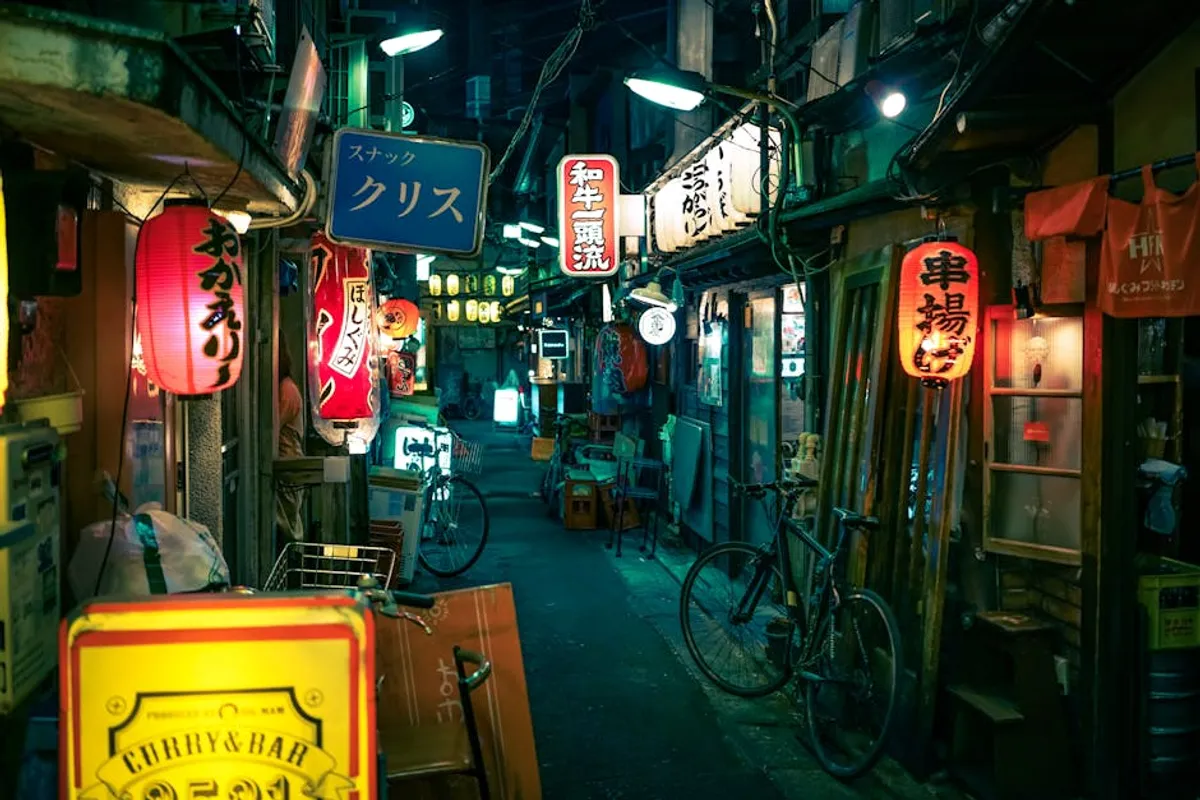
Creating effective izakaya guides extends beyond simple restaurant listings; it involves crafting commercially valuable content that satisfies specific user intent, captures local search traffic, and establishes genuine authority. For SEO professionals, marketers, and publishers, these guides represent a tangible opportunity to own niche search queries, drive targeted engagement, and ultimately convert interest into action—whether that's a reservation, a visit, or brand loyalty. The utility of a well-structured izakaya guide lies in its ability to address every facet of a potential diner's decision-making process, from curiosity about specific dishes to practical booking information, all while adhering to best practices for search engine visibility.
Core Components of a High-Performing Izakaya Guide
An izakaya guide's commercial value is directly proportional to its depth, accuracy, and user-centric design. Each element must serve a dual purpose: informing the reader comprehensively and providing signals that search engines can interpret for ranking.
Comprehensive Venue Information
Beyond the address, a valuable guide provides context. This includes the izakaya's history, its unique selling proposition (e.g., specializing in specific regional sakes, a particular style of yakitori, or a unique atmosphere), and its target clientele. Detailing the ownership or head chef's background, if notable, adds a layer of authenticity and expertise. This content satisfies informational queries like "best izakaya with sake pairing" or "traditional Tokyo izakaya," positioning the guide as a definitive resource.
Menu Breakdown and Culinary Highlights
This section moves beyond listing dishes. It should describe key menu items, focusing on signature dishes, seasonal specials, and any unique preparation methods. For example, specify if a yakitori spot uses binchotan charcoal or if a sashimi place sources fish daily from Tsukiji (or Toyosu) Market. Include price ranges for typical meals and highlight vegetarian, vegan, or allergy-friendly options. This level of detail directly addresses commercial intent, helping users pre-plan their dining experience and budget, which reduces friction in the conversion funnel.
Ambiance and Experience Details
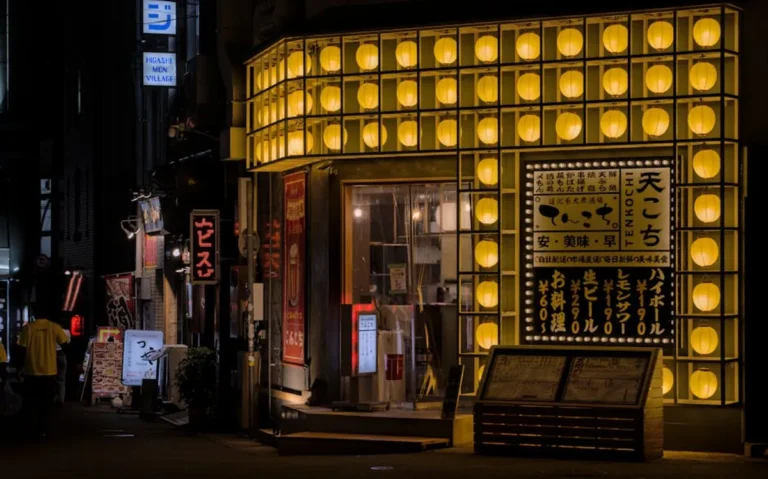
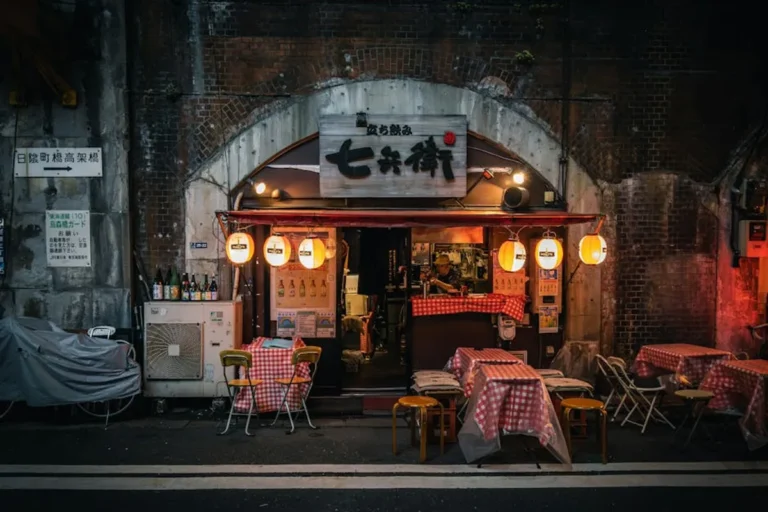
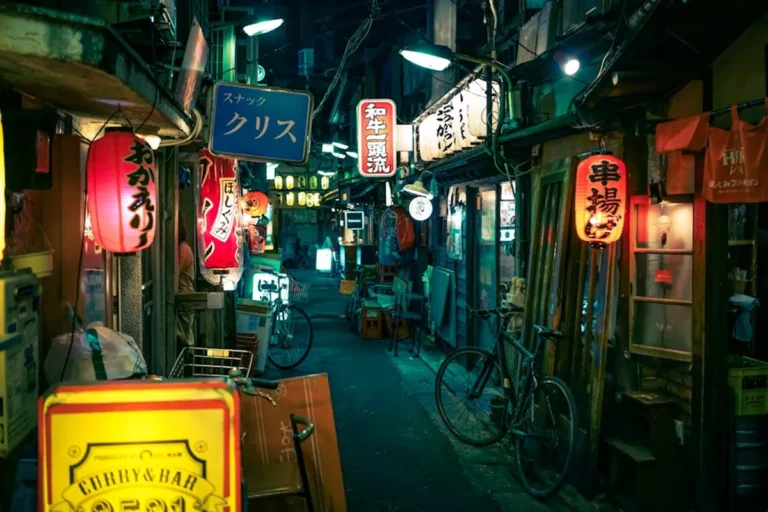
Izakayas are as much about the atmosphere as the food. Describe the interior design, seating arrangements (counter, private rooms, tatami mats), noise level, and overall vibe. Mentioning whether it's suitable for solo diners, couples, groups, or business meetings helps users match their needs to the venue. High-quality, original photography is crucial here, providing visual proof of the described ambiance and improving user engagement metrics like time on page.
Practical Logistics and Booking
This is where commercial utility becomes most direct. Include opening hours, closing days, reservation policies (online, phone, walk-in), and payment methods accepted. Crucially, integrate direct links to reservation platforms where applicable. Information on accessibility (wheelchair access, English menus) and proximity to public transport hubs (e.g., "5-minute walk from Shinjuku Station's East Exit") enhances user experience and captures "izakaya near [landmark]" searches.
Local Context and Cultural Nuances
An exceptional guide integrates the izakaya into its local environment. Explain any local customs, etiquette tips specific to that izakaya or region, and nearby attractions. This not only enriches the reader's understanding but also positions the guide as an expert resource on the broader cultural experience, appealing to both tourists and locals seeking authentic experiences. For instance, explaining the concept of otoshi (appetizer charge) helps manage expectations.
Leveraging Guides for SEO and User Engagement
The structural and content elements of an izakaya guide directly influence its search performance and commercial impact.
Keyword Strategy and Local Optimization
Effective guides are built on thorough keyword research. This includes long-tail queries like "best cheap yakitori Shinjuku," "izakaya with private rooms Shibuya," or "sake tasting izakaya Tokyo." Incorporate these naturally within headings, body text, and image alt attributes. For local SEO, ensure the izakaya's Name, Address, and Phone number (NAP) are consistent and prominent, ideally with schema markup for local business listings. Geo-specific modifiers are essential for capturing highly qualified local search traffic.
Structured Data Implementation
Using schema.org markup (e.g., LocalBusiness, Restaurant, Review) for each izakaya entry allows search engines to better understand and display your content in rich snippets. This can include average ratings, price ranges, and opening hours directly in search results, improving click-through rates. For example, marking up individual menu items or special offers can provide even greater visibility.
Content Freshness and Authority Building
Regularly updating guides with current menus, seasonal changes, and new information reinforces their authority. Encourage user-generated content, such as comments or ratings, where appropriate, to signal ongoing engagement. Linking to related content (e.g., "Guide to Japanese Sake," "Tokyo Neighborhoods Explained") creates an internal link structure that distributes authority and keeps users on your site longer.
Pro Tip: To build E-E-A-T (Experience, Expertise, Authoritativeness, Trustworthiness) for izakaya guides, ensure content is written or reviewed by individuals with demonstrable knowledge of Japanese cuisine and culture. Include author bios that highlight relevant experience, such as living in Japan, culinary training, or extensive travel. This signals credibility to both users and search engines, crucial for high-stakes commercial queries.
Implementing Your Izakaya Guide Strategy
For publishers, the strategy involves more than just writing. It requires a systematic approach to content creation, optimization, and promotion.
- Standardized Templates: Develop a consistent template for izakaya guides to ensure all essential information is captured and presented uniformly. This aids scalability and user experience.
- High-Quality Visuals: Invest in professional photography or source high-resolution, rights-cleared images. Visuals significantly impact engagement and perceived quality.
- Regular Audits: Periodically review existing guides for accuracy, broken links, and outdated information. Izakaya details, especially hours and menus, can change frequently.
- Promotion and Distribution: Share guides across relevant social media channels, email newsletters, and consider partnerships with local tourism boards or food bloggers to extend reach.
Actionable Steps for Publishing Effective Guides
To maximize the commercial impact of your izakaya guide examples, focus on precision and user utility. Start by identifying specific user personas (e.g., budget travelers, luxury diners, sake enthusiasts) and tailor content to their unique needs. Prioritize izakayas that offer distinct experiences or cater to underserved niches. Implement a robust internal linking strategy to connect guides with broader city or regional content, creating a comprehensive resource hub. Finally, monitor search performance and user engagement metrics to refine your approach continuously, ensuring each guide delivers measurable value. This comprehensive approach ensures readers can easily find the perfect izakaya, whether they are seasoned patrons or looking for a beginner's guide to izakayas.
Frequently Asked Questions
Why are detailed izakaya guides important for SEO?
Detailed guides capture long-tail keywords, satisfy specific user intent, and provide valuable local signals to search engines, leading to higher rankings for targeted commercial and informational queries.
How can I ensure my izakaya guide stands out?
Focus on unique angles, provide original photography, include first-hand experiences, and offer practical tips not found in generic listings. Emphasize cultural context and specific culinary details.
Should I include prices in izakaya guides?
Yes, including price ranges or average meal costs is crucial for commercial intent. It helps users budget and makes pre-visit decisions, reducing friction and improving the likelihood of a booking or visit.
How often should izakaya guides be updated?
Guides should be reviewed and updated at least annually, or whenever significant changes occur, such as menu revisions, opening hours adjustments, or changes in ownership. Freshness signals authority and accuracy.