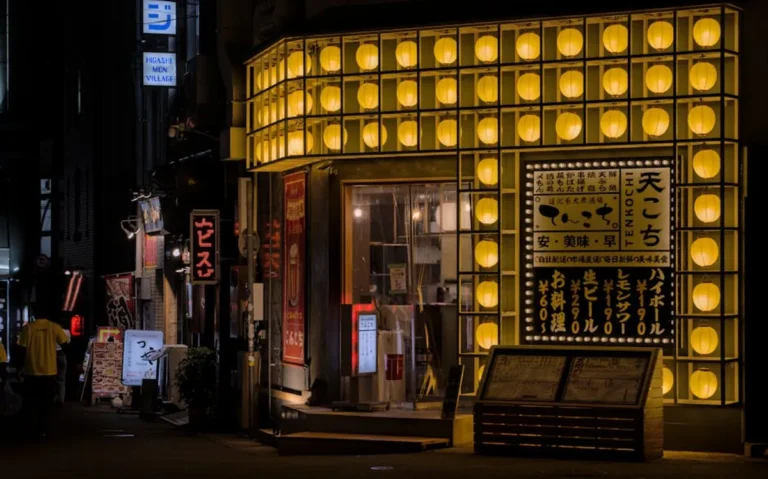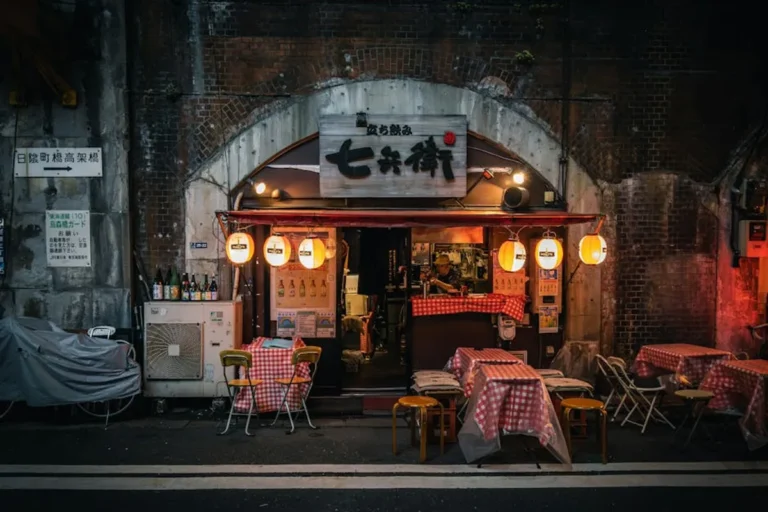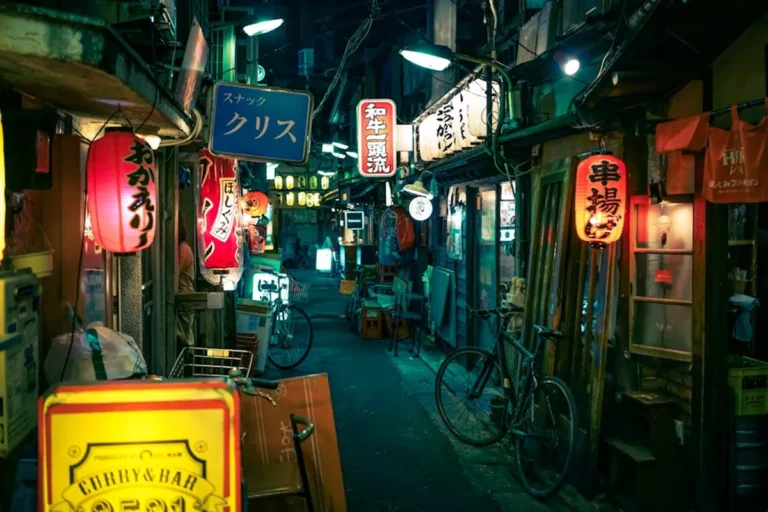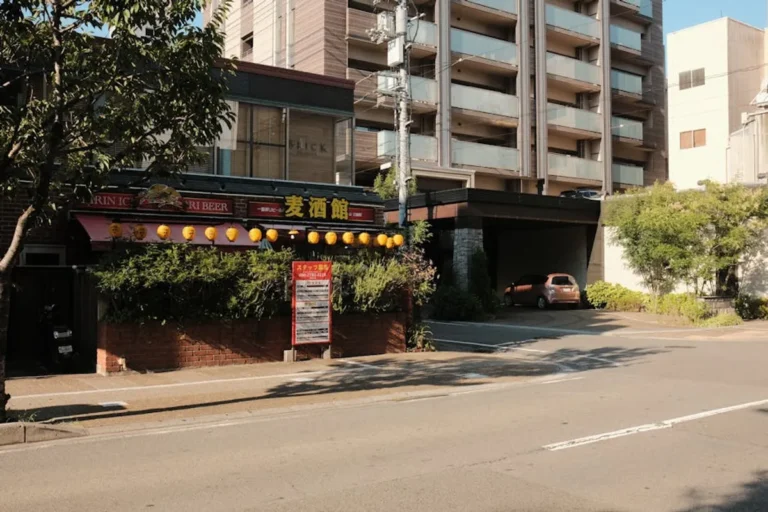
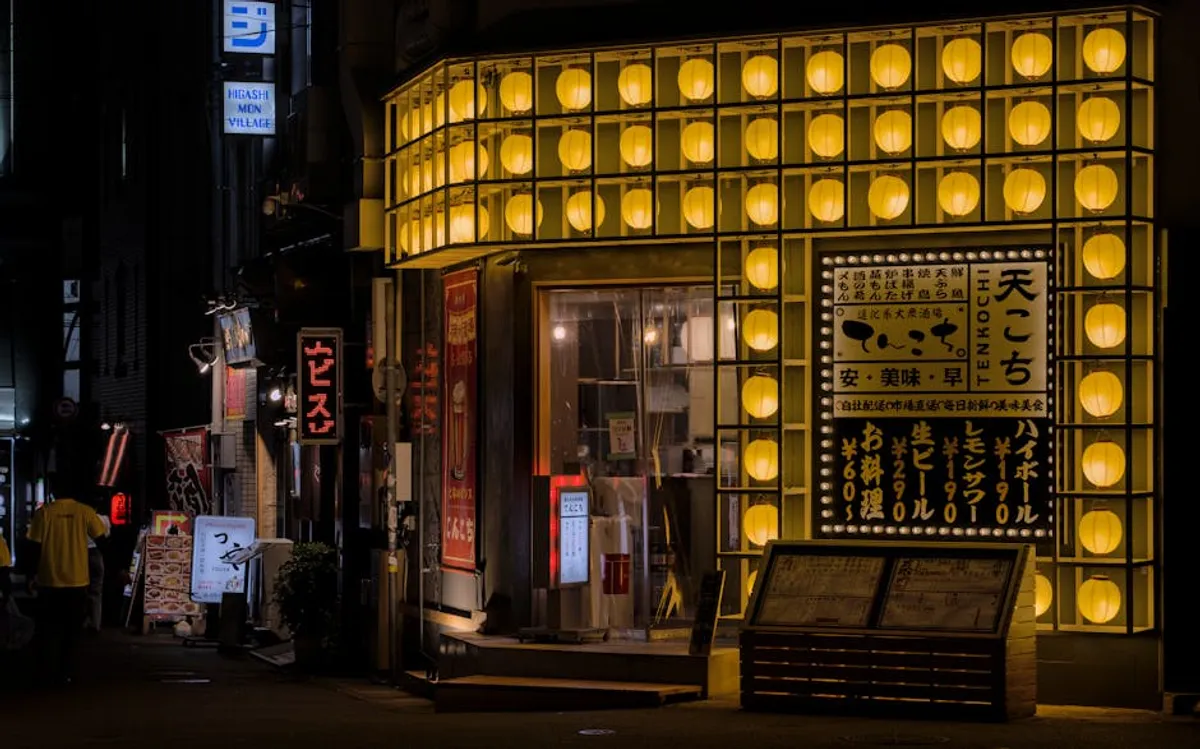
Venturing into an izakaya offers a distinct immersion into Japanese culture, far removed from the formal sushi restaurant or ramen shop experience. These establishments function as casual Japanese gastropubs, prioritizing shared small plates, a wide array of alcoholic beverages, and a lively, social atmosphere. For a newcomer, the sheer variety on the menu and the unique customs can seem daunting, but understanding a few core principles ensures an enjoyable and authentic evening. This guide demystifies the izakaya, providing practical insights for a confident first visit.
Understanding the Izakaya Concept
An izakaya is fundamentally a place for after-work relaxation and social interaction, often compared to Spanish tapas bars or Irish pubs due to its emphasis on drinks accompanied by small, shareable dishes. The name itself combines "i" (to stay) and "sakaya" (sake shop), reflecting its origins as sake shops where customers could sit and drink. Today, they are ubiquitous across Japan, ranging from bustling chains to intimate, family-run establishments.
The defining characteristic is the communal spirit. Tables are typically close, noise levels are high, and food and drink flow freely. It's a space designed for unwinding, celebrating, and engaging in conversation, making it an excellent venue for experiencing a slice of everyday Japanese life.
Navigating the Menu and Ordering
Izakaya menus are extensive, featuring categories of dishes prepared in various styles. Unlike a multi-course meal, the expectation is to order several small items throughout the evening, sharing them with your dining companions. This allows for tasting a wide range of flavors and textures.
Common Menu Categories
- Yakitori: Skewered and grilled items, most commonly chicken (various parts like thigh, skin, liver), but also vegetables (leek, shiitake) and other meats. Often seasoned with salt (shio) or a sweet soy glaze (tare).
- Agemono: Fried dishes, such as karaage (fried chicken), tempura (battered and fried seafood or vegetables), and agedashi tofu (deep-fried tofu in dashi broth).
- Itamemono: Stir-fried dishes, often featuring vegetables with meat or seafood.
- Salada: Salads, which can range from simple green salads to more elaborate options with seafood or tofu.
- Gyoza: Pan-fried dumplings, typically filled with pork and vegetables.
- Sashimi: Sliced raw fish, usually a smaller selection than a dedicated sushi restaurant, but fresh and high quality.
- Gohanmono: Rice dishes, like onigiri (rice balls), ochazuke (rice with green tea poured over it), or small bowls of fried rice.
- Tsukemono: Pickled vegetables, served as a palate cleanser or side dish.
Ordering Strategy: Begin by ordering a few dishes, perhaps 3-5 for a small group, along with your initial drinks. As plates are finished, order more. This prevents over-ordering and ensures food arrives fresh from the kitchen. Don't hesitate to point at menu pictures if language is a barrier, or ask for recommendations ("osusume").
Pro Tip: The Otooshi/Otoshi Charge
Upon being seated at many izakayas, a small appetizer, known as an otooshi or otoshi, will be served without you ordering it. This is not complimentary; it's a cover charge, typically 300-500 yen per person, that is added to your bill. While it might seem unexpected, it's a customary part of the izakaya experience, similar to a bread charge in some Western restaurants. Do not attempt to refuse it, as it's considered impolite. Embrace it as a small, often delicious, start to your meal.
Drink Selection
Drinks are as central to the izakaya experience as the food. The selection is typically broad, catering to various preferences.
- Sake (Nihonshu): Japanese rice wine, served hot (atsukan) or cold (reishu). Varieties range from dry to sweet, with different grades (e.g., Junmai, Ginjo, Daiginjo) indicating milling ratios and production methods.
- Beer: Japanese lagers like Asahi, Sapporo, and Kirin are standard. Draft beer (nama biiru) is popular.
- Shochu: A distilled spirit, often made from barley, sweet potato, or rice. It can be enjoyed neat, on the rocks, with water, or as a chuhai (shochu highball mixed with soda and flavored syrup).
- Highball: Whiskey and soda water, a refreshing and widely consumed drink.
- Umeshu: Plum wine, typically sweet and often served on the rocks or with soda.
- Soft Drinks: Non-alcoholic options are always available, including juices, sodas, and green tea.
Etiquette: It's customary to pour drinks for others at the table, especially for elders or superiors. When someone pours for you, hold your glass up slightly as a gesture of respect. The first round often begins with a collective "Kanpai!" (Cheers!).
Izakaya Etiquette and Customs
While izakayas are casual, a few cultural norms enhance the experience:
Entering the Establishment: Some traditional izakayas may require removing your shoes at the entrance, especially if seating is on tatami mats. Look for shoe lockers or follow cues from staff and other patrons.
Calling for Staff: In many izakayas, you can call out "Sumimasen!" (Excuse me!) to get a staff member's attention, or use a call button often found on the table.
Sharing Food: All dishes are meant to be shared. Use serving chopsticks if provided, or your own chopsticks flipped to the clean end, to take food from communal plates.
Noise Level: Don't be concerned about lively conversation and laughter; it's part of the atmosphere. Izakayas are not typically quiet, intimate dining spots.
The Bill: When ready to leave, ask for the bill ("Okaikei onegaishimasu" or "Check, please"). Payment is usually made at the front counter, not at the table. Tipping is not customary in Japan.
Making the Most of Your Izakaya Visit
An izakaya offers an accessible and engaging way to experience Japanese culinary and social customs. Approach it with an open mind, a willingness to try new flavors, and an appreciation for the convivial atmosphere. Don't feel pressured to understand every menu item; part of the fun is discovering new favorites. Focus on the shared experience of food, drink, and conversation, and you'll find it a rewarding cultural encounter.
Frequently Asked Questions
What is the typical cost of an izakaya meal?
The cost varies widely based on the izakaya type, location, and how much you order. Expect to pay anywhere from 3,000 to 6,000 yen per person for a satisfying meal with drinks at a mid-range establishment.
Are izakayas suitable for vegetarians or vegans?
While traditional izakayas are meat and fish-heavy, many offer vegetable-based dishes like grilled vegetables, edamame, salads, and agedashi tofu. Vegan options can be more challenging but are becoming increasingly available in larger cities.
Can I go to an izakaya alone?
Absolutely. While many izakayas are geared towards groups, it's common for individuals to visit, especially at counter seats. It can be a great way to observe the local scene and enjoy a quiet meal.
Do I need to make a reservation?
For popular izakayas, especially on weekends or for larger groups, reservations are highly recommended. For smaller, more casual spots, or if you're dining solo, walking in is often fine, though you might have a short wait.