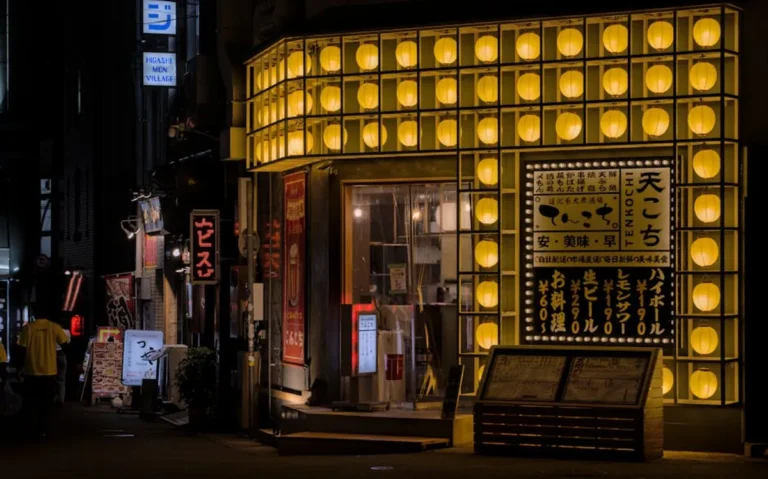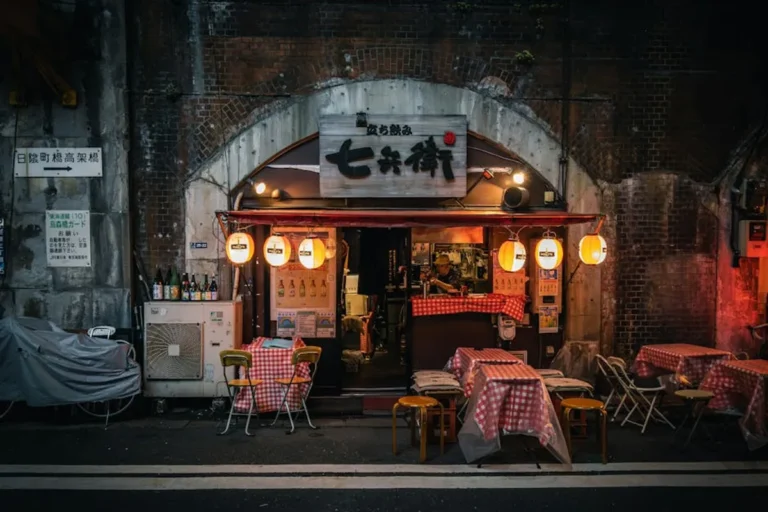

Developing or marketing an izakaya requires a meticulous approach, blending culinary tradition with modern business acumen. The competitive landscape of food and beverage demands that every element, from initial concept to ongoing digital engagement, is carefully considered. This checklist provides a structured framework for proprietors and marketers to navigate the complexities of establishing a distinctive and successful izakaya, ensuring both operational excellence and robust market visibility. For those new to the concept, a beginner's guide to izakaya can demystify the process and set a strong foundation.
Defining Your Izakaya Concept
The foundation of any successful izakaya lies in a clearly articulated concept that resonates with its target audience. This involves more than just selecting a menu; it encompasses the entire experiential promise.
Authenticity and Niche Positioning
An izakaya's identity often hinges on its connection to Japanese culinary and social traditions. While strict adherence to tradition can be a strong differentiator, successful concepts frequently find a balance between authenticity and local adaptation. Consider whether the focus will be on regional specialties (e.g., Okinawan izakaya, Hokkaido-style), a specific type of sake or shochu, or a contemporary interpretation that blends Japanese influences with local ingredients or culinary trends. Defining this niche early informs menu development, interior design, and marketing narratives.
Key considerations:
- Specific regional focus or culinary theme.
- Balance of traditional offerings with innovative adaptations.
- Target demographic's familiarity and expectations of izakaya culture.
- Differentiation from existing local Japanese dining options.
Brand Story and Visual Identity
Beyond the food and drink, an izakaya sells an experience. A compelling brand story communicates the 'why' behind the establishment, whether it's a family legacy, a passion for a particular region, or a vision for a unique social hub. This narrative should translate into a cohesive visual identity, including logo design, interior decor, signage, and online aesthetics. Consistency across all touchpoints reinforces the brand and aids memorability.
Operational Pillars for Success
Flawless execution of daily operations is non-negotiable for customer satisfaction and repeat business. These elements directly impact the guest experience and the izakaya's reputation.
Menu Curation and Sourcing
An izakaya menu is characterized by its variety of small plates designed for sharing, complemented by an extensive drinks list. Careful curation involves selecting dishes that balance popular choices with unique offerings, ensuring ingredient quality, and managing seasonal availability. Establishing reliable relationships with suppliers for fresh produce, seafood, and specialty Japanese ingredients (e.g., specific soy sauces, miso, sake brands) is critical. Menu engineering should also consider profitability and kitchen efficiency.
Ambiance, Design, and Guest Experience
The physical space of an izakaya is integral to its appeal. Design elements such as lighting, seating arrangements (e.g., counter seats, private rooms, communal tables), and decor contribute to the desired atmosphere—be it lively and bustling, or intimate and traditional. The flow of service, from greeting to order taking to payment, must be seamless. Staff training should emphasize hospitality that aligns with the relaxed yet attentive service style characteristic of izakayas.
Staff Training and Cultural Nuance
Knowledgeable and engaging staff are crucial. Training should cover not only menu details and service protocols but also an understanding of izakaya etiquette and cultural context. This includes proper sake service, explaining unfamiliar dishes, and fostering a welcoming, convivial environment. Empowering staff to provide authentic recommendations and engage with guests enhances the overall experience.
Pro Tip: Implement a 'secret shopper' program early in operations. Objective feedback from an anonymous customer provides invaluable insights into actual guest experience, identifying gaps in service, ambiance, or menu delivery that internal teams might overlook. Focus on the entire journey from reservation to departure, including digital touchpoints.
Digital Presence and Community Building
In today's market, a strong online presence is as vital as a well-crafted menu. Digital channels serve as the primary discovery point for many potential customers.
Local Search Optimization and Listings
For a physical establishment, local SEO is paramount. This includes optimizing your Google Business Profile with accurate hours, address, phone number, high-quality photos, and consistent business descriptions. Ensure listings on relevant local directories, review sites, and online reservation platforms are complete and up-to-date. Geographic keywords (e.g., "izakaya [city name]", "Japanese tapas [neighborhood]") are essential for visibility.
Content Strategy and Storytelling
A compelling content strategy goes beyond basic menu photos. It involves telling the izakaya's story through various mediums. This could include blog posts detailing the sourcing of unique ingredients, videos showcasing the preparation of signature dishes, or social media campaigns highlighting staff personalities or cultural events. Consistent, high-quality content helps build a brand narrative and engages potential customers before they even visit.
Customer Engagement and Reviews
Actively managing online reviews on platforms like Google, Yelp, and TripAdvisor is critical. Respond promptly and professionally to both positive and negative feedback. This demonstrates attentive customer service and can mitigate the impact of negative experiences. Encourage satisfied customers to leave reviews, as social proof significantly influences new customer acquisition.
Strategic Izakaya Development
Sustaining an izakaya's success requires continuous evaluation and adaptation. The market, customer preferences, and operational efficiencies are not static.
Regularly analyze sales data to identify popular dishes and drinks, as well as underperforming items. Solicit direct feedback from customers through comment cards or informal conversations. Stay informed about local dining trends and competitor activities. This ongoing analysis allows for informed menu adjustments, service refinements, and targeted marketing efforts, ensuring the izakaya remains relevant and appealing to its evolving customer base.
Frequently Asked Questions
How important is authenticity for an izakaya outside of Japan?
Authenticity provides a strong foundation and narrative, but successful izakayas outside Japan often blend traditional elements with local tastes and ingredients. The key is clear communication of your chosen balance to manage customer expectations.
What are the most effective marketing channels for a new izakaya?
Local SEO (Google Business Profile), high-quality food photography on social media (Instagram, TikTok), local food bloggers/influencers, and targeted local advertising are highly effective for initial awareness and driving foot traffic.
How can an izakaya stand out in a crowded market?
Differentiation comes from a unique concept (e.g., specific regional focus, innovative menu items, exceptional beverage program), a memorable ambiance, outstanding customer service, and a strong brand story that creates an emotional connection.
What are common operational challenges for izakayas?
Challenges often include sourcing specific Japanese ingredients, managing inventory for a diverse small-plate menu, recruiting and training staff with cultural awareness, and maintaining consistent quality across a wide range of dishes and drinks.