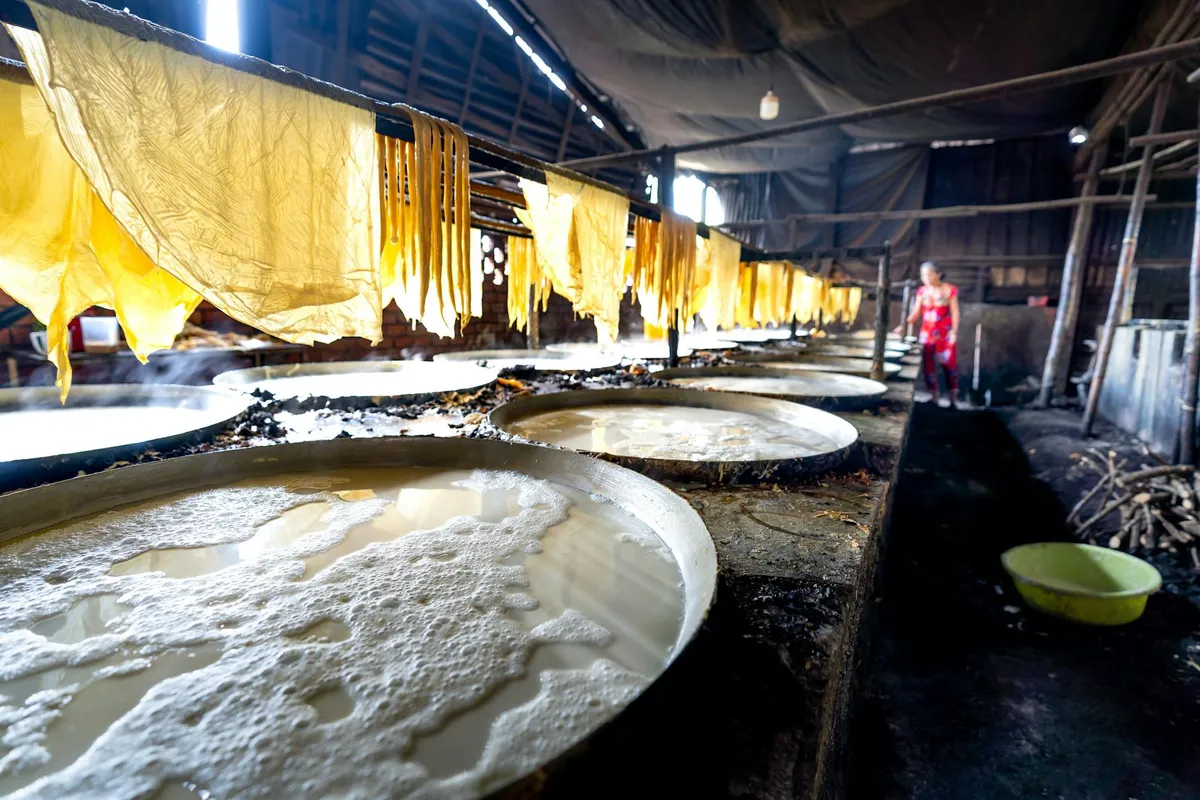
Tofu, like soy sauce, has been substantially industrialized. The mass-market tofu available globally is a specific product made by specific industrial methods. Much of it is adequate but undistinguished.
Specific producers continue to make tofu using traditional methods that produce substantially different products. The specific tofu from these producers represents a different food than mass-market tofu — different texture, different flavor, different relationship to other ingredients.
The producers deserve attention because mass-market tofu represents only a fraction of what the food can be. The specific tofu illustrates substantial dimensions of Japanese food culture that get obscured by industrial alternatives.
What traditional tofu involves
Traditional tofu making involves:
Specific soybean varieties selected for tofu making. Different varieties produce different results.
Specific water sources. The water character affects the tofu character.
Specific soaking, grinding, and cooking methods. Each step has specific traditional approaches.
Specific coagulants. Nigari (calcium chloride salt) produces different results than other coagulants. The coagulant choice substantially affects character.
Specific pressing techniques. The pressure and duration affect texture substantially.
Specific timing. Fresh tofu is fundamentally different from tofu that's sat for days.
The integrated process produces specific tofu with specific qualities. Industrial production simplifies multiple steps and produces different results.
The variety of tofu
Tofu encompasses substantial variety:
Silken tofu (kinugoshi). Smooth, delicate, traditional uses including chilled hiyayakko. Substantial in cooler months when fresh availability is high.
Cotton tofu (momen). Firmer, suitable for cooking. Substantial in various cooked applications.
Yakidofu. Tofu lightly grilled, used in specific traditional dishes including sukiyaki.
Aburaage. Thin tofu fried until puffy. Used in inari sushi and other specific dishes.
Atsuage. Thicker fried tofu with substantial uses in cooking.
Yuba. Tofu skin formed during soy milk cooking. Specific delicacy with substantial appreciation.
Specialized regional tofu varieties. Specific regions have specific tofu traditions with specific characteristics.
The variety reflects substantial accumulated tradition around tofu and its uses.
What specific tofu producers make different
Specific tofu producers deliver substantially different products:
Texture. Specific tofu has texture that mass tofu doesn't replicate. The specific firmness or smoothness, the way it holds together, the way it interacts with cooking — all differ substantially.
Flavor. Specific tofu has substantial flavor where mass tofu is essentially flavorless. The soybean flavor, the water character, the specific production process all contribute.
Relationship to other ingredients. Specific tofu interacts with other ingredients in cooking in ways that mass tofu doesn't. The flavor absorbs differently. The texture changes differently.
Aroma. Specific tofu has aromatic dimension that mass tofu lacks. The fresh tofu smell from a substantial producer is specific.
Cultural context. Specific producers maintain cultural traditions around tofu that connect their products to specific places and times.
The differences are real and substantial.
The Kyoto tofu tradition
Kyoto has substantial tofu tradition worth specific examination:
Multiple substantial tofu producers continue to operate in Kyoto, each with specific tradition.
The water character of Kyoto affects tofu specifically. The soft Kyoto water produces specific tofu character.
Substantial tofu cuisine restaurants exist in Kyoto. Yudofu (boiled tofu) restaurants represent specific traditional dining centered on substantial tofu.
The kaiseki tradition uses substantial tofu specifically. The specific tofu becomes part of the larger kaiseki tradition.
Buddhist temple cuisine (shojin ryori) uses substantial tofu. Many Kyoto temples have associated restaurants serving traditional shojin cuisine.
The Kyoto tofu tradition continues with substantial vitality despite broader industrial pressures.
The buying experience
Buying substantial tofu in Japan involves specific patterns:
Specific tofu shops (tofu-ya) make tofu fresh daily. Buying first thing in the morning gets the freshest product.
The tofu is sold by piece or by weight. Specific shops have specific traditions about sizing.
Substantial tofu is consumed within 1-3 days. It doesn't store like mass tofu does.
The proprietor often has substantial knowledge about tofu uses. Asking produces substantial information.
Specific shops have specific specialties. Some emphasize silken tofu; others emphasize firmer types; some excel at yuba; some at fried preparations.
The shopping experience is part of the tofu experience.
The cooking
Cooking substantial tofu differs from cooking mass tofu:
Substantial tofu has more flavor that integrates with other ingredients differently.
The cooking time and temperature affect substantial tofu more than mass tofu. Overcooking is more easily noticeable.
The serving timing matters more. Substantial tofu degrades faster after cooking than mass tofu does.
Specific dishes are designed for substantial tofu and may not work as well with mass tofu. Some dishes essentially require substantial tofu to work properly.
The cooking learns to respect the specific tofu rather than treating it as undifferentiated ingredient.
What's being lost
The decline of specific tofu producers represents specific losses:
Specific tofu varieties that may not exist outside their producer.
Specific knowledge about tofu making accumulated across generations.
Specific ecosystems of related producers (specific soybean farmers, specific water sources, specific equipment makers).
Specific cultural traditions around tofu that connect to broader culture.
Specific community relationships that small tofu shops support.
The losses are partial but substantial across categories.
Why specific producers continue
Despite economic pressure, specific producers continue:
Some have multi-generational family commitment that supports continuation despite economic challenges.
Some have built reputation that supports premium pricing and continued operation.
Some have integrated with restaurants that depend on their specific product.
Some have benefited from increased awareness among customers seeking specific tofu.
Some have adapted economic models to support traditional methods.
The continuation reflects specific strategies for navigating challenging economic environment.
The international situation
Outside Japan, substantial tofu is rarer:
Specific Japanese-style tofu producers exist in some major international cities. Their work approaches but typically doesn't fully match Japanese standards.
Specific Asian groceries occasionally carry imported substantial tofu, though freshness limits this.
Some American producers (Hodo Foods notably) make substantial tofu accessible to specific markets.
Generally, accessing substantial tofu outside Japan requires specific effort.
For people serious about tofu, the limited international access shapes what's possible.
What customers can do
For customers wanting to support substantial tofu producers:
Buy from specific producers when accessible. Direct purchase supports specific operations.
Visit substantial tofu shops when traveling in Japan. The visit provides economic support and cultural engagement.
Use substantial tofu in cooking that reveals its qualities. Mass tofu uses don't showcase substantial tofu.
Communicate appreciation. Specific producers benefit from knowing their work is appreciated.
Support specialized retailers carrying substantial tofu where they exist.
Each customer action is small. Cumulative actions support continued production.
Specific dishes for substantial tofu
Specific dishes that benefit from substantial tofu:
Yudofu. Boiled tofu in light broth. The simplicity reveals tofu quality directly. Mass tofu produces inadequate yudofu.
Hiyayakko. Chilled fresh tofu with simple toppings. The cool freshness depends on substantial tofu.
Agedashi tofu. Fried tofu in dashi. The contrast between fried exterior and tender interior depends on substantial tofu.
Mabo dofu. Despite Chinese origin, the Japanese version uses substantial tofu specifically.
Specific shojin ryori dishes. Buddhist vegetarian cuisine uses substantial tofu in many specific applications.
The dishes reveal substantial tofu qualities. Other dishes (where tofu is one ingredient among many) may not differentiate as clearly.
What restaurants can do
Restaurants can support substantial tofu producers:
Source specific tofu when possible. Specific producers benefit from restaurant relationships.
Feature substantial tofu in dishes. Customer awareness of quality affects market.
Educate staff and customers about substantial tofu. Awareness supports demand.
Maintain producer relationships. Specific producers benefit from sustained relationships rather than transactional ones.
Support broader appreciation of substantial tofu through menu choices and presentation.
Restaurant engagement substantially affects producer viability.
The cultural dimension
Substantial tofu connects to broader Japanese cultural traditions:
Buddhist vegetarian tradition uses substantial tofu specifically. The religious-cultural context shapes the food.
Tea ceremony tradition includes specific substantial tofu uses. The connections matter culturally.
Seasonal food awareness includes specific tofu varieties. The seasonality is part of the tradition.
Regional identity includes specific tofu producers. The regional aspect connects to broader regional identity questions.
The cultural dimension makes substantial tofu more than just food. It's connected to substantial cultural traditions.
The honest realism
Honest acknowledgment of the situation:
Most tofu globally will continue to be industrial product.
Specific producers will continue to face economic pressure.
The cultural dimension matters but doesn't reverse broader economic dynamics.
Conscious consumer choice supports specific producers but doesn't fundamentally change the broader market.
The realistic outcome is preservation of substantial reduced specific production rather than restoration of historical scale.
Reduced specific production is still substantial cultural achievement worth supporting.
The honest summary
Substantial tofu is substantially different from mass tofu. Specific producers continue to make substantial tofu despite economic pressures. The producers deserve attention from people who care about food.
For people in Japan, substantial tofu is accessible through specific shops and substantial restaurants. Engaging with substantial tofu produces substantial food experience.
For people outside Japan, accessing substantial tofu requires specific effort but is possible in some markets.
For people interested in food culture, substantial tofu illustrates broader patterns of how industrial production has affected traditional foods globally. The specific tofu situation parallels many other traditional foods.
Supporting substantial tofu producers through purchase, restaurant choice, and awareness contributes to the continued existence of specific traditions. The contributions matter cumulatively.
A closing observation
The tofu shop opens in the morning. The proprietor has been making tofu since before dawn. Today's production is now ready. Customers come throughout the day for that day's tofu.
This is what substantial tofu making looks like. Daily production for daily consumption. Specific water and specific soybeans and specific methods accumulated across generations producing specific product that's consumed quickly because that's what the product is.
The work continues, where it continues, because some producers and some customers find substantial value in the kind of food that takes substantial care to produce and substantial attention to consume properly.
For people who care about food, substantial tofu is worth the attention. The specific producers are worth supporting. The specific tradition is worth maintaining.
The work goes on. The shops open. The tofu is made. The traditions continue, in the long quiet rhythm by which substantial food culture has always continued where conditions for its continuation are sustained.
Tomorrow morning in Kyoto, in Tokyo, in various smaller Japanese cities, tofu shops will open with that day's production. Customers will arrive throughout the day. The substantial tradition will continue for one more day.
The continuation matters substantially for what Japanese food remains and for the broader cultural diversity that food traditions represent. The work persists because of the choices specific people make to continue it and to support it.