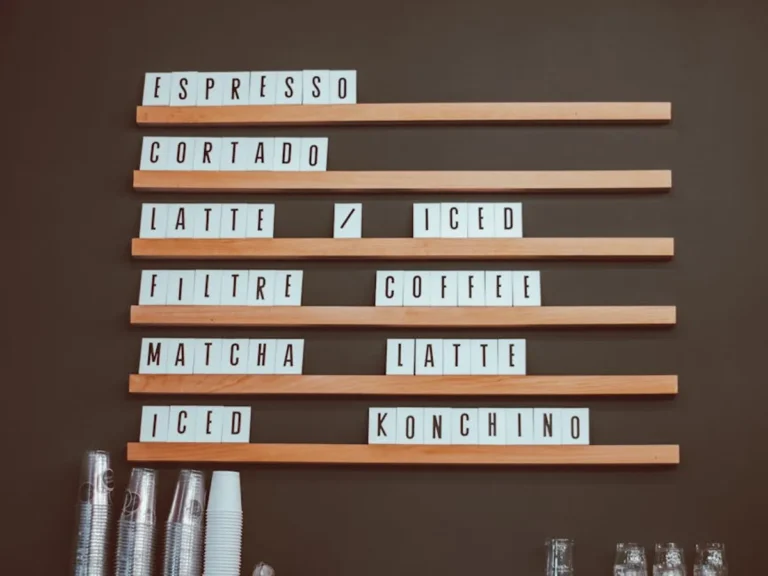

Creating a specialized coffee shop travel guide for local cafes represents a strategic content opportunity for publishers, marketers, and site owners aiming to capture highly engaged local audiences. This isn't merely about listing establishments; it's about curating a valuable, hyper-local resource that drives organic traffic, fosters community engagement, and opens direct monetization pathways. A well-constructed guide serves as an authoritative hub for local discovery, offering actionable information that traditional search results often fragment. The commercial viability stems from its ability to attract users with high purchase intent, providing a platform for local businesses to gain visibility and for the guide's creator to establish a niche authority.
Defining the Scope of Your Local Cafe Guide
The initial phase of developing a coffee shop travel guide requires precise scope definition to ensure content relevance and audience alignment. A narrowly focused guide outperforms broad, generic listings by targeting specific user needs and interests within a defined geographic and demographic context. This specificity is crucial for effective local SEO and content positioning.
Identifying Target Demographics and Geographic Boundaries
Before compiling any cafe data, establish your guide's target audience and its precise geographic footprint. For instance, a guide focusing on "independent coffee shops for remote workers in downtown Austin" will have different content priorities and keyword targets than "family-friendly cafes with outdoor seating in suburban Seattle." Defining these parameters influences everything from the tone of voice to the types of amenities highlighted. Clear geographic boundaries, whether by neighborhood, district, or city-wide, prevent content dilution and concentrate SEO efforts on relevant local search queries.
Cafe Selection Criteria for Inclusions
Develop a clear set of criteria for including cafes to maintain quality and consistency. This differentiates your guide from generic directories. Criteria might include:
- Independence: Prioritizing locally owned, non-chain establishments.
- Specialty Offerings: Cafes known for unique beans, brewing methods, or signature drinks.
- Ambiance: Distinctive decor, working spaces, or community-focused environments.
- Community Engagement: Hosting local events, displaying local art, or sourcing local ingredients.
- Accessibility: Considerations for physical access, WiFi availability, and dietary options.
Applying these filters ensures the guide delivers on its promise of showcasing unique local experiences, building trust with an audience seeking authenticity.
Structuring Content for Discoverability and User Experience
The utility of a local cafe guide is directly tied to its structure and the ease with which users can find specific information. Content must be organized logically, prioritizing essential data points and leveraging visual elements, all while being optimized for local search engine visibility.
Essential Data Points for Each Cafe Listing
Each cafe entry must provide comprehensive, scannable information. Standardizing these data points across all listings improves user experience and facilitates structured data implementation. Key details include:
- Cafe Name and Branding
- Full Address and Interactive Map Link
- Contact Information (Phone, Website, Social Media)
- Operating Hours (including any seasonal variations)
- Key Amenities (e.g., WiFi, outdoor seating, parking, accessibility features, pet-friendly)
- Specialty Drinks and Food Offerings (e.g., vegan options, house-roasted beans)
- Price Range Indication
- Ambiance Description (e.g., quiet for work, bustling for socializing)
- Short, unique editorial description highlighting distinct features
Consistent data presentation aids user comparison and decision-making.
Integrating Visuals and Multimedia Assets
High-resolution imagery and short video clips significantly increase user engagement metrics, reducing bounce rates and extending session durations by providing immediate visual context for each cafe's ambiance and offerings. Include exterior shots for easy recognition, interior shots to convey atmosphere, and close-ups of signature drinks or food items. Consider integrating 360-degree virtual tours or short interviews with owners for a richer experience. All visual assets should be optimized for web performance to ensure fast loading times across devices.
Optimizing for Local SEO Signals
Effective local SEO ensures your guide appears prominently in relevant search results. This involves a multi-faceted approach:
- NAP Consistency: Ensure Name, Address, Phone number are identical across your guide, Google Business Profile, and other local directories.
- Google Business Profile Optimization: Encourage cafe owners to maintain complete and optimized Google Business Profiles, as this data often feeds directly into local search results.
- Local Keyword Integration: Naturally embed geo-targeted keywords (e.g., "best coffee [neighborhood]", "cafe with wifi [city]") within cafe descriptions and guide sections.
- Schema Markup: Implement Schema.org markup for LocalBusiness and Cafe types on each listing page. This helps search engines understand the entity and its attributes.
- User-Generated Content: Integrate features for user reviews or ratings, which can boost credibility and provide fresh content signals.
- Mobile-First Design: Ensure the guide is fully responsive and optimized for mobile users, who are frequently searching for cafes on the go.
Monetization Strategies and Partnership Opportunities
A well-trafficked local cafe guide offers several avenues for revenue generation beyond direct advertising. Strategic partnerships and thoughtful monetization can sustain the guide's operations and enhance its value proposition.
Pro Tip: Ensure all sponsored content, affiliate links, and paid placements are clearly disclosed to maintain user trust and comply with advertising regulations. Transparency builds long-term audience loyalty, which is crucial for hyper-local content assets.
Consider affiliate marketing for coffee-related products, local bakeries, or complementary businesses. Sponsored cafe features, clearly marked, can provide revenue while offering deeper insights into specific establishments. Partnerships with local tourism boards, business improvement districts, or event organizers can lead to collaborative content creation or cross-promotional opportunities. Offering premium guide versions, such as downloadable PDFs with exclusive content or curated itineraries, can also create a direct revenue stream from highly engaged users.
Distribution and Promotion Tactics
Even the most comprehensive guide needs effective distribution to reach its target audience. Leverage a mix of digital and community-based strategies.
Start with a robust local SEO strategy, ensuring the guide is indexed and ranks for relevant local queries. Promote content across social media platforms popular with your target demographic, using visually appealing cafe imagery and engaging narratives. Partner with local influencers or food bloggers for cross-promotion. Distribute the guide through local community groups, forums, and newsletters. Consider outreach to local media outlets for featured stories. Physical promotion, such as QR codes displayed in participating cafes or local businesses, can also drive traffic. Email marketing to a segmented list of local food enthusiasts can provide a consistent channel for updates and new content.
Practical Guide Enhancement
Sustaining the value and relevance of your coffee shop travel guide requires ongoing effort and adaptation. Regular content updates are paramount; cafe hours change, new establishments open, and menus evolve. Implement a system for periodic review and refresh of all listings, perhaps on a quarterly or bi-annual basis. Actively solicit and integrate user feedback, whether through comments, direct messages, or dedicated feedback forms. This not only improves the guide's accuracy but also builds a sense of community ownership. Monitor key performance indicators such as page views, time on page, and local search rankings to identify areas for improvement. Consider expanding the guide's scope to include related local businesses or new neighborhoods once the initial area is well-covered and optimized. A/B test different content formats or call-to-actions to optimize user engagement and conversion rates, ensuring the guide remains a dynamic and valuable resource.
Frequently Asked Questions
How often should a local cafe guide be updated?
A local cafe guide should be updated at least quarterly to ensure accuracy of hours, offerings, and contact information. Annual comprehensive reviews are essential to incorporate new cafes and significant changes.
What's the most effective way to collect cafe information?
The most effective method involves a combination of direct outreach to cafe owners for official details, on-site visits for ambiance assessment and photography, and cross-referencing with online sources like Google Business Profiles and official websites.
Can this type of guide generate revenue?
Yes, revenue can be generated through clearly disclosed sponsored listings, affiliate marketing for coffee-related products, partnerships with local businesses, and offering premium versions of the guide with exclusive content.
How important is mobile optimization for a travel guide?
Mobile optimization is critically important for a travel guide, as users frequently access such resources on smartphones while on the go. A responsive design ensures usability, fast loading times, and a positive experience across all devices.