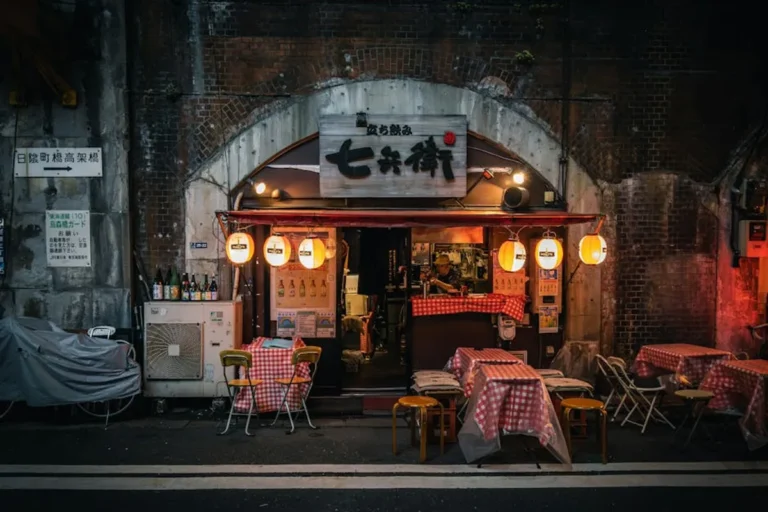
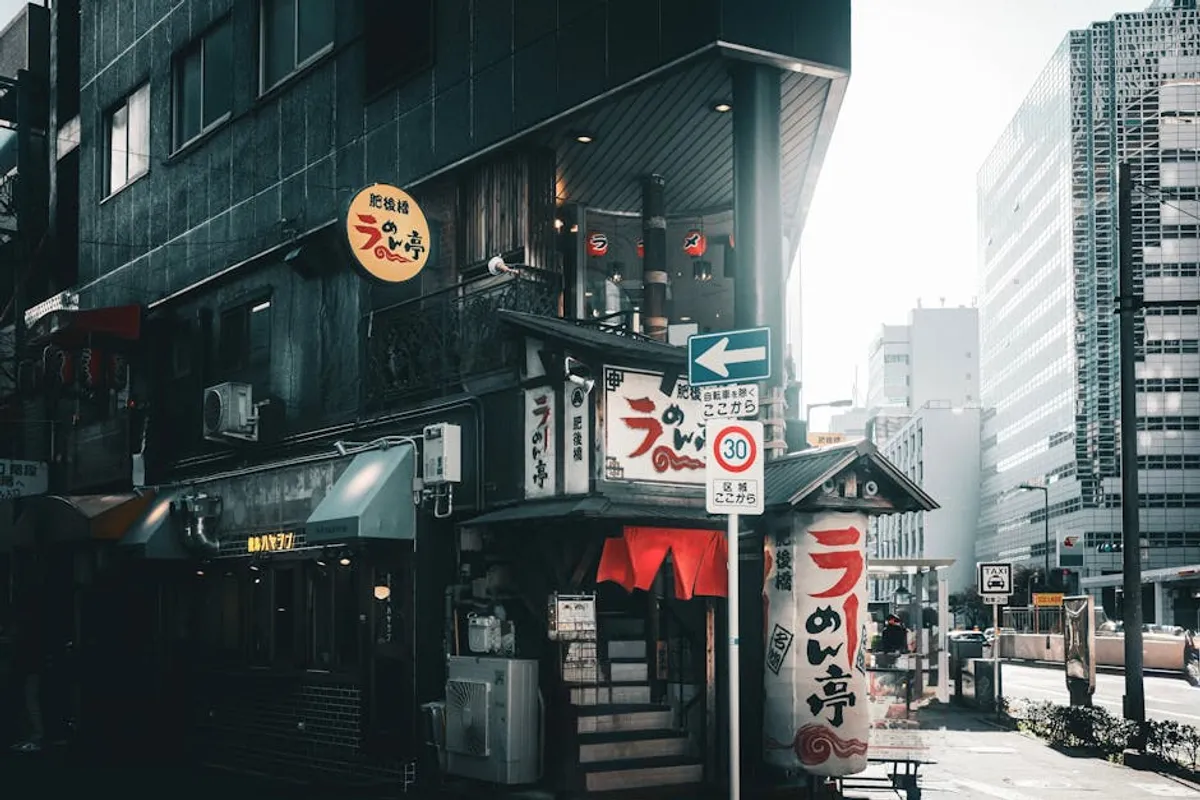
Navigating the vast landscape of ramen shops requires a discerning eye and a strategic approach. What appears on the surface as a simple bowl of noodles is, in fact, a complex culinary art form, where subtle differences in broth, noodle texture, and ingredient quality dictate an exceptional experience versus a merely adequate one. For the enthusiast or even the casual diner seeking more than just sustenance, understanding these nuances is key to consistently finding establishments that deliver true ramen excellence. This guide provides actionable tips to elevate your ramen journey, moving beyond superficial reviews to focus on the core elements that define a truly outstanding ramen shop. This guide provides actionable tips to elevate your ramen journey, moving beyond basic sustenance to truly appreciate the artistry, and you can find more details in our beginner's guide.
What to Look For When Choosing a Ramen Shop
Before even stepping foot inside, a few critical indicators can help you filter potential ramen shops. Start by observing the shop's specialization: does it focus on one or two distinct ramen styles, suggesting mastery, or does it offer a sprawling menu of disparate dishes? A narrower focus often correlates with higher quality. Pay attention to visible signs of freshness and preparation, such as open kitchens where noodles are made in-house or where broths simmer continuously. Online, scrutinize reviews for recurring mentions of specific elements like broth depth, noodle chewiness, or chashu tenderness, rather than generic praise. Look for shops that emphasize ingredient sourcing, whether it’s local pork, specific dashi components, or artisanal soy sauces. These details, often highlighted on menus or shop websites, signal a commitment to craft that transcends basic cooking.
1. Prioritize Noodle Quality and Texture
The noodles are the backbone of any ramen bowl, often overlooked in favor of the broth. An exceptional ramen shop will pay meticulous attention to its noodles, which should possess a distinct chewiness (koshi) and a texture that complements the broth. Look for shops that make their noodles in-house or source them from reputable, specialized noodle makers. The shape, thickness, and hydration level of the noodle are intentionally chosen to pair with specific broth types, ensuring optimal broth adherence and mouthfeel. A truly great noodle retains its integrity throughout the meal, avoiding sogginess even after prolonged immersion.
Best For: Diners who appreciate the textural complexity and foundational integrity of a well-crafted ramen bowl.
Pros: Elevates the overall sensory experience; indicates a shop's deep understanding of ramen components; contributes to a satisfying and balanced meal.
Cons: Can be subtle for untrained palates to identify initially; requires shops to invest more in specialized equipment or suppliers.
Verdict: Non-negotiable for discerning ramen enthusiasts. A shop's commitment to noodle quality is a strong indicator of its overall culinary standards.
2. Evaluate Broth Depth and Complexity
The broth is the soul of ramen, dictating much of its flavor profile and character. A superior ramen broth is not merely salty but possesses layers of umami, depth, and a harmonious balance of flavors derived from hours, sometimes days, of simmering. Whether it's a rich tonkotsu, a clear shio, a savory shoyu, or a pungent miso, the broth should feel substantial without being overly greasy, and its flavor should evolve subtly with each spoonful. Look for transparency in ingredients and cooking methods, often detailed on menus or by staff.
Best For: Those seeking a profound flavor experience that underpins the entire dish, from the first sip to the last drop.
Pros: Defines the ramen's identity; showcases the chef's skill and dedication; offers a rich, satisfying foundation for all other ingredients.
Cons: Can be difficult to achieve consistency; requires significant time and resources for proper preparation.
Verdict: The ultimate litmus test for a ramen shop's expertise. A truly great broth is memorable and unique.
3. Assess Chashu Quality and Preparation
Chashu, the braised pork belly or shoulder, is a critical topping that can either elevate or detract from a ramen bowl. High-quality chashu should be tender, flavorful, and melt-in-your-mouth, often with a caramelized exterior. Its preparation involves slow braising in a savory marinade, allowing it to absorb deep flavors while remaining moist. Avoid chashu that is dry, tough, or excessively fatty without a good meat-to-fat ratio. Its contribution should be a savory counterpoint, not an overwhelming fatty texture.
Best For: Meat lovers and those who appreciate a well-executed, flavorful protein component in their ramen.
Pros: Adds richness and umami; provides a satisfying textural contrast; demonstrates attention to detail in topping preparation.
Cons: Poorly prepared chashu can be greasy or bland; high-quality cuts and slow cooking add to labor and cost.
Verdict: A well-prepared chashu is a hallmark of a ramen shop that values every component of the dish.
4. Observe Ajitama (Marinated Egg) Execution
The ajitama, or marinated soft-boiled egg, is a delicate yet essential topping that speaks volumes about a shop's precision. A perfect ajitama features a creamy, jammy yolk with a slightly runny center, encased in a firm but tender white, all infused with a subtle, savory marinade. The marination should be balanced, not overly salty or sweet, complementing the broth without overpowering it. An overcooked or under-marinated egg indicates a lack of attention to detail.
Best For: Diners who appreciate subtle refinements and precise execution in their toppings.
Pros: Adds richness and a different textural dimension; enhances the visual appeal of the bowl; signifies culinary precision.
Cons: Easy to overcook or under-marinate; requires careful timing and preparation.
Verdict: A perfectly executed ajitama is a small but significant indicator of a shop's overall commitment to quality and craft.
5. Consider Topping Freshness and Variety
Beyond chashu and ajitama, the other toppings, such as menma (bamboo shoots), negi (green onions), nori (seaweed), and moyashi (bean sprouts), play a crucial role in balancing flavors and textures. These should be fresh, crisp where appropriate, and thoughtfully prepared. A good ramen shop will ensure toppings are not merely decorative but contribute meaningfully to the overall flavor profile. Look for shops that offer seasonal or unique toppings, showcasing creativity and a commitment to fresh ingredients.
Best For: Those who value a diverse textural and flavor experience within their ramen bowl.
Pros: Adds layers of flavor and texture; provides freshness and visual appeal; allows for customization and variety.
Cons: Poor quality or stale toppings can detract from the entire dish; excessive or mismatched toppings can overwhelm the broth.
Verdict: Fresh, well-prepared toppings demonstrate a holistic approach to ramen, ensuring every element contributes positively.
6. Seek Out Unique Regional Specializations
Ramen is incredibly diverse, with distinct regional styles across Japan, each boasting unique characteristics in broth, noodles, and toppings. A truly outstanding ramen shop often specializes in one or two of these regional styles (e.g., Hakata-style tonkotsu, Sapporo-style miso, Tokyo-style shoyu). This specialization suggests a deep understanding and mastery of that particular style, rather than a generalized, less authentic offering. Researching a shop's specific focus can lead to more authentic and satisfying experiences.
Best For: Adventurous eaters and purists seeking authentic renditions of specific ramen traditions.
Pros: Offers a more genuine culinary experience; allows for focused expertise and higher quality; expands one's understanding of ramen diversity.
Cons: May limit menu options if you prefer variety; requires prior knowledge of different ramen styles to appreciate fully.
Verdict: Specialization is often a strong indicator of authenticity and a shop's dedication to its craft, leading to superior results.
7. Observe the Shop's Atmosphere and Cleanliness
While not directly related to taste, the atmosphere and cleanliness of a ramen shop significantly impact the dining experience. A clean, well-maintained environment suggests attention to detail and hygiene, which often extends to food preparation. An authentic ramen shop atmosphere, whether bustling and lively or quiet and intimate, contributes to the overall enjoyment. Look for signs of pride in the space, from organized counters to well-kept dining areas, which reflect the shop's commitment to its customers.
Best For: Diners who value a pleasant and comfortable dining environment as part of their overall meal experience.
Pros: Enhances comfort and enjoyment; reflects positively on food safety and preparation standards; contributes to a memorable outing.
Cons: Can be subjective; some excellent ramen shops might prioritize food over aesthetics.
Verdict: A clean and inviting atmosphere, while secondary to taste, often correlates with a shop's overall quality and care.
8. Prioritize Shops with Consistent Quality
Consistency is a hallmark of an excellent ramen shop. A truly great establishment will deliver the same high-quality broth, perfectly cooked noodles, and meticulously prepared toppings day after day, year after year. Inconsistent quality, where one visit is exceptional and the next is disappointing, indicates a lack of rigorous standards or proper training. Look for shops with a long-standing reputation for reliability, as this suggests a well-honed process and dedicated staff.
Best For: Regular patrons and those who value reliability and predictability in their dining choices.
Pros: Guarantees a satisfying experience with each visit; builds trust and loyalty; reflects strong operational management.
Cons: Achieving consistency requires strict adherence to recipes and processes, which can be challenging.
Verdict: Consistent quality is a strong indicator of a mature, well-managed ramen shop that prioritizes customer satisfaction above all.
9. Engage with Staff and Observe Service
The staff's knowledge and attentiveness can significantly enhance the ramen experience. Knowledgeable staff can explain menu items, recommend pairings, and answer questions about ingredients or preparation methods. Good service is efficient, friendly, and responsive, without being intrusive. Observing how staff interact with customers and manage orders can provide insights into the shop's operational efficiency and customer-centric approach. A genuine passion for ramen often shines through the service.
Best For: Diners who appreciate a welcoming atmosphere and helpful guidance during their meal.
Pros: Improves the overall dining experience; helps navigate menu choices; fosters a positive impression of the establishment.
Cons: Can vary based on individual staff members; some authentic shops may prioritize speed over extensive interaction.
Verdict: While the food is paramount, excellent service and knowledgeable staff contribute significantly to a memorable and enjoyable visit.
10. Look for Evidence of House-Made Ingredients
A strong indicator of a ramen shop's dedication to quality is its commitment to making ingredients in-house. This can include noodles, gyoza, special sauces, or even some of the broth components. House-made elements often allow for greater control over quality, freshness, and flavor, differentiating a shop from those relying on pre-made or outsourced components. Menus often highlight these efforts, or you might observe them through an open kitchen concept.
Best For: Purists and those who value artisanal craftsmanship and bespoke culinary experiences.
Pros: Ensures maximum freshness and quality control; allows for unique flavor profiles; demonstrates a higher level of culinary skill.
Cons: Requires significant labor and specialized equipment; can lead to higher menu prices.
Verdict: House-made ingredients are a strong signal of a shop's passion for ramen and its pursuit of authentic, superior taste.
11. Prioritize Shops with a Clear Focus
While variety can be appealing, a ramen shop that tries to do too much often dilutes its quality. Shops that excel typically have a clear, concise menu with a strong focus on one or two signature ramen styles. This specialization allows them to perfect their craft, optimize their ingredients, and maintain consistent quality. Be wary of extensive menus that feature many different ramen types alongside a wide array of non-ramen dishes, as this can sometimes indicate a lack of deep expertise in any single area.
Best For: Diners seeking a refined, expertly prepared version of a specific ramen style.
Pros: Leads to higher quality and expertise in their chosen style; simplifies decision-making; ensures consistency.
Cons: Limits options for those who prefer a broader menu; might not cater to all preferences.
Verdict: A focused menu is often a sign of a confident and skilled ramen shop dedicated to mastering its core offerings.
12. Don't Overlook Side Dishes and Beverages
While ramen is the star, the quality of a shop's side dishes (e.g., gyoza, karaage, rice bowls) and beverage selection can offer additional insights. Well-executed side dishes suggest a broader culinary competence and attention to detail beyond the main event. Similarly, a thoughtfully curated beverage menu, perhaps featuring Japanese beers, sake, or specialty teas, enhances the overall dining experience. Poorly made or generic sides can be a red flag, indicating a lack of care in the kitchen.
Best For: Those who enjoy a complete meal experience with complementary dishes and drinks.
Pros: Expands the culinary experience; can provide balance to the rich ramen; reflects a comprehensive approach to dining.
Cons: Can add to the overall cost; some shops might excel at ramen but offer mediocre sides.
Verdict: Quality side dishes and beverages are a good bonus, indicating a shop that cares about the entire customer experience, not just the ramen itself.
How to Apply These Tips to Your Ramen Search
Implementing these tips involves a blend of research and direct experience. Start by using online resources to identify shops that consistently receive praise for specific elements like broth, noodles, or chashu. Prioritize those with a clear regional focus or a reputation for house-made ingredients. When you visit, pay attention to the details: the aroma, the cleanliness, the staff's demeanor. Don't be afraid to ask questions about preparation methods or ingredient sourcing. Over time, you'll develop a refined palate and an intuitive sense for what constitutes truly exceptional ramen, allowing you to bypass mediocre options and consistently find shops that deliver a superior culinary experience. Trust your senses and prioritize shops that demonstrate a genuine passion for their craft. Over time, you'll develop a refined palate and an intuitive sense for what constitutes truly exceptional ramen, and our beginner's checklist for ramen can help you get started.
Frequently Asked Questions About Finding the Best Ramen Shops
What's the most important element to judge in a ramen shop?
While all elements contribute, the broth is arguably the most critical. It forms the foundation of the ramen's flavor profile and often dictates the overall quality of the dish. A complex, well-balanced broth indicates a skilled chef and dedicated preparation.
Should I trust online reviews when looking for ramen?
Online reviews can be a useful starting point, but interpret them critically. Look for specific comments about broth depth, noodle texture, or chashu tenderness rather than generic praise or complaints. High volume of consistent positive reviews, especially those detailing specific culinary aspects, are more reliable.
Is a higher price always indicative of better ramen?
Not necessarily. While premium ingredients and labor-intensive preparation can increase cost, a higher price doesn't automatically guarantee superior quality. Focus on the actual execution of the ramen and the quality of ingredients, rather than just the price tag.
How can I tell if noodles are made in-house?
Some shops proudly display their noodle-making process through glass partitions or open kitchens. If not visible, check the menu or ask the staff; many shops that make their own noodles will highlight this as a point of pride.
What's the difference between tonkotsu, shoyu, and miso ramen?
These refer to different broth bases. Tonkotsu is a rich, milky pork bone broth. Shoyu ramen uses a clear, soy sauce-based broth. Miso ramen incorporates fermented soybean paste, giving it a hearty, savory, and often slightly sweet flavor. Each offers a distinct experience.