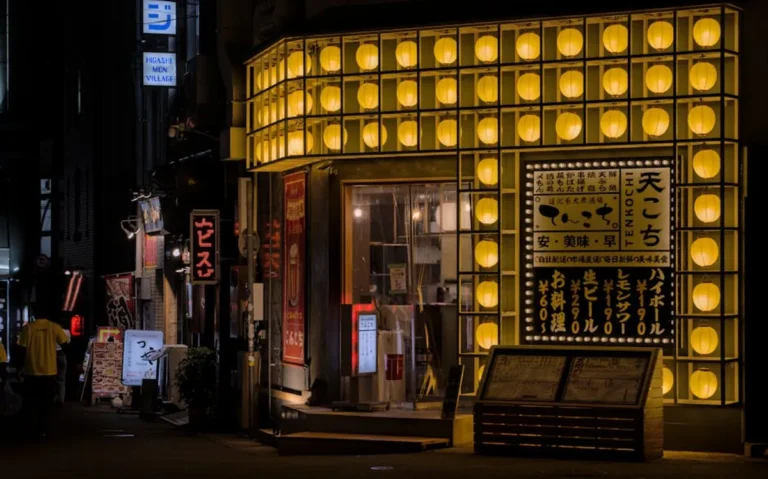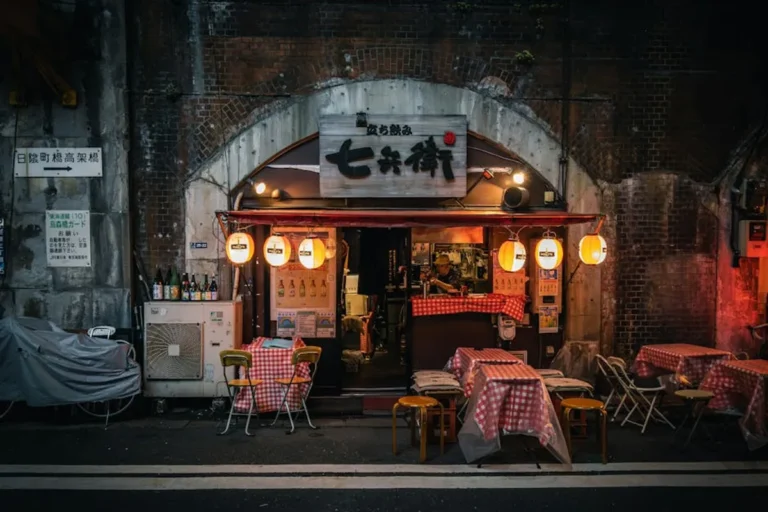
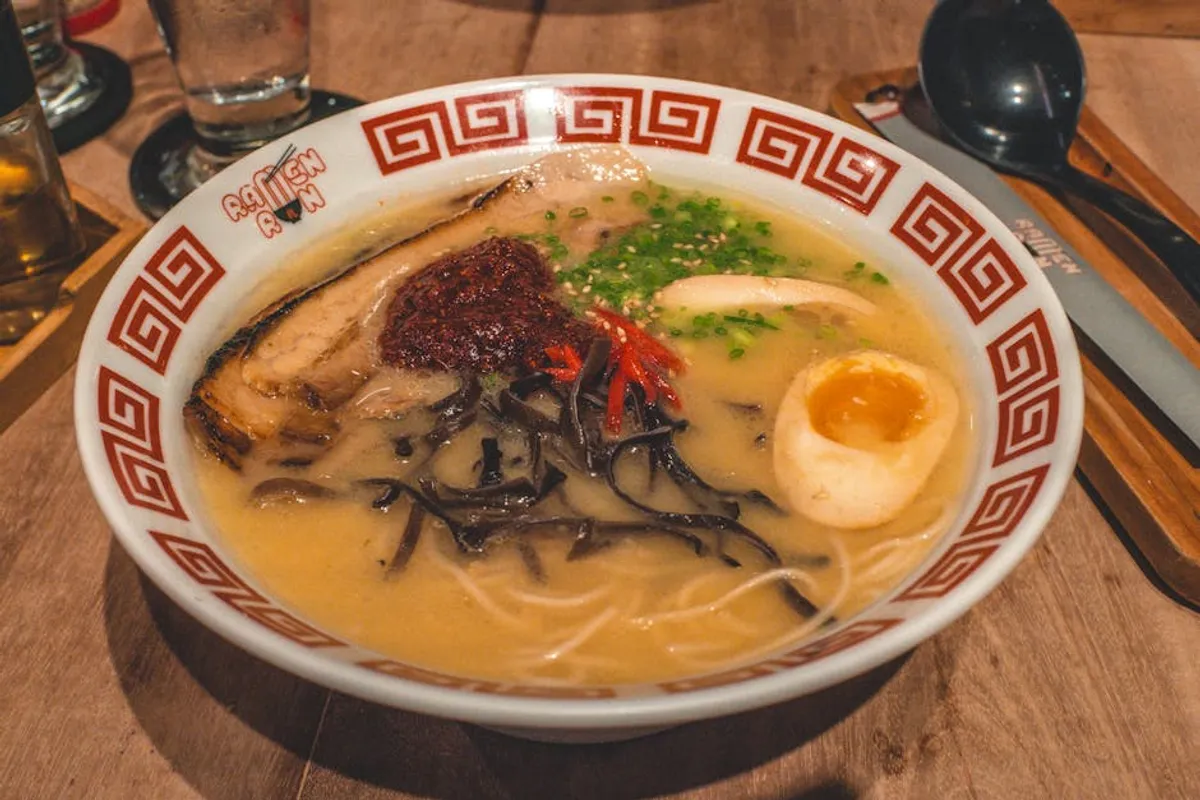
Navigating the diverse world of ramen shops can be a complex endeavor, particularly when seeking out an establishment that consistently delivers an exceptional experience. The concept of "best" is inherently subjective, yet objective criteria exist that allow for a structured evaluation. This checklist provides a framework for assessing ramen shops, moving beyond anecdotal recommendations to a more analytical approach that considers the fundamental elements contributing to a superior bowl.
For discerning diners, understanding what constitutes quality in ramen involves more than just taste; it encompasses ingredient sourcing, preparation techniques, consistency, and the overall dining environment. This guide aims to equip you with the specific points of appraisal necessary to identify truly outstanding ramen, ensuring your culinary exploration is both informed and satisfying.
What to Look For in a Top-Tier Ramen Shop
Identifying a truly exceptional ramen shop requires attention to several key components. Each element contributes to the overall quality and authenticity of the dish. A systematic evaluation of these factors provides a robust basis for judgment.
Broth Depth and Complexity
The broth is the soul of ramen. Evaluate its richness, umami, and balance. A superior broth exhibits layers of flavor, developed through hours of simmering bones (pork, chicken, beef) or vegetables, combined with dashi (fish/kelp stock) and various tare (seasoning concentrates). It should not be overly salty or greasy, but possess a harmonious depth that coats the palate. Note the clarity for lighter broths (shio, shoyu) and the creamy emulsification for richer ones (tonkotsu, paitan).
Noodle Texture and Type
Noodles are the backbone. Assess their chewiness (koshi), elasticity, and how well they absorb the broth without becoming soggy. Different ramen styles necessitate specific noodle types—thick, wavy noodles for miso ramen; thin, straight noodles for Hakata-style tonkotsu. The shop should ideally use fresh noodles, often made in-house or sourced from a specialized producer, tailored to their specific broth.
Chashu Quality and Preparation
Chashu, the braised pork belly or shoulder, is a critical topping. Look for tenderness, a melt-in-your-mouth texture, and a balanced flavor profile that complements the broth. High-quality chashu is typically marinated and slow-cooked, resulting in a rich, savory, and slightly sweet finish. Its fat-to-meat ratio should be appealing, and it should not be dry or stringy.
Toppings and Accompaniments
Beyond chashu, other toppings elevate the ramen. Evaluate the ajitama (marinated soft-boiled egg) for its perfectly jammy yolk and savory marinade. Menma (fermented bamboo shoots) should be crisp and flavorful, not overly fibrous. Nori (seaweed) should be fresh and aromatic. Consider the freshness of negi (green onions), the inclusion of kikurage (wood ear mushrooms), and any unique additions that enhance the dish without overwhelming it. Each topping should contribute positively to the overall texture and taste.
Atmosphere and Service Consistency
While not directly edible, the dining environment significantly impacts the experience. Assess cleanliness, efficiency of service, and the general ambiance. A well-run ramen shop often features a bustling, focused atmosphere, with staff who are knowledgeable and attentive. Consistency in food quality across visits is also a strong indicator of a professionally managed establishment.
Innovation and Authenticity Balance
The best ramen shops often strike a balance between adhering to traditional techniques and incorporating thoughtful innovation. While authenticity is valued, shops that offer unique seasonal specials, creative toppings, or refined interpretations of classic styles demonstrate culinary ambition and a commitment to evolving their craft. This indicates a dynamic approach to maintaining relevance and quality.
The Best Ramen Shops Checklist
1. Ippudo
Ippudo is globally recognized for popularizing Hakata-style tonkotsu ramen beyond Japan. Their signature Shiromaru Motoaji features a classic, creamy pork bone broth, while the Akamaru Shinaji introduces a more complex flavor profile with miso paste and garlic oil. The consistency across their international locations is a significant draw, making it a reliable choice for a high-quality tonkotsu experience.
Best For: Classic Hakata-style tonkotsu ramen and a consistent, upscale casual dining experience.
Pros: Reliably rich and creamy tonkotsu broth; perfectly firm, thin noodles; excellent chashu; widespread international presence ensures accessibility.
Cons: Can be pricier than local independent shops; sometimes long wait times during peak hours; menu can feel less adventurous for those seeking unique regional styles.
Verdict: Ippudo serves as a benchmark for well-executed tonkotsu ramen, offering a polished experience that appeals to both purists and newcomers. Its global footprint attests to its consistent quality and broad appeal.
2. Ichiran
Ichiran offers a highly personalized ramen experience, emphasizing individual focus on the bowl. Famous for its "flavor concentration booths," diners can customize every aspect of their tonkotsu ramen, from broth richness and noodle firmness to garlic level and spice. This system ensures each customer receives a bowl tailored precisely to their preference, making it a unique and often solitary culinary journey.
Best For: Highly customizable tonkotsu ramen and a unique, focused solo dining experience.
Pros: Unparalleled customization options; consistently rich and flavorful tonkotsu broth; efficient service designed for individual diners; proprietary red secret sauce adds a distinct kick.
Cons: Solo dining booths may not appeal to groups; limited menu focuses almost exclusively on one style of tonkotsu; can feel somewhat impersonal due to the service model.
Verdict: Ichiran excels in delivering a bespoke tonkotsu ramen experience. Its system prioritizes individual taste and minimizes distractions, making it ideal for those who value precise control over their meal.
3. Santouka
Santouka, originating from Hokkaido, is renowned for its mild, creamy tonkotsu broth, often served with tender slices of pork cheek (toro niku). Unlike the thicker, bolder tonkotsu of Hakata, Santouka's broth is nuanced and less intensely porky, offering a smoother, more refined flavor profile. Their focus on quality ingredients and a balanced taste has earned them a loyal following.
Best For: Milder, creamy tonkotsu ramen, particularly known for its melt-in-your-mouth pork cheek.
Pros: Exceptionally tender toro niku (pork cheek); balanced, less aggressive tonkotsu broth; consistent quality across locations; offers other Hokkaido-style variations like shio and shoyu.
Cons: Broth might be too subtle for those accustomed to bolder tonkotsu; portions can sometimes be smaller than competitors; often located in busy food courts or shopping centers which can detract from ambiance.
Verdict: Santouka provides a distinct and highly enjoyable tonkotsu experience, particularly for those who appreciate a more delicate, yet still rich, broth and standout pork cheek. It's a testament to Hokkaido's unique ramen traditions.
4. Totto Ramen
Totto Ramen specializes in chicken paitan broth, a rich, cloudy soup made from chicken bones, rather than pork. This offers a lighter yet equally flavorful alternative to traditional tonkotsu, making it accessible to a wider audience. Their broth is intensely savory, often enhanced with a hint of seafood, and pairs well with their thin, wavy noodles and char siu chicken.
Best For: Rich, flavorful chicken paitan ramen, a compelling alternative to pork-based broths.
Pros: Distinctive and deeply savory chicken paitan broth; offers a lighter feel without sacrificing richness; unique chicken char siu; often features a spicy option for added complexity.
Cons: Limited options for non-chicken broth lovers; shops can be small and queues lengthy; consistency can vary slightly between locations or busy periods.
Verdict: Totto Ramen stands out for its mastery of chicken paitan, proving that pork isn't the only path to a profoundly satisfying ramen. It's an essential stop for those seeking a different, yet equally robust, ramen experience.
5. Ramen Nagi
Ramen Nagi is celebrated for its inventive approach, particularly its "Limited King" ramen, which changes weekly, showcasing a vast array of creative broths and toppings. While their core menu features distinct "Kings" (Original Butao, Red, Black, Green), the rotating special offers a compelling reason for repeat visits. Their customizable ordering system, similar to Ichiran, also allows for personal preference adjustments.
Best For: Innovative and creative ramen flavors, especially through their rotating "Limited King" specials, alongside customizable standard options.
Pros: Highly creative and regularly changing menu; offers a range of distinct "King" broths (e.g., squid ink, spicy miso); customizable options for broth richness, noodle firmness, and toppings; strong emphasis on fresh ingredients.
Cons: The "Limited King" can be hit or miss depending on personal taste; can be overwhelming for first-time visitors due to many choices; pricing is often on the higher side.
Verdict: Ramen Nagi is a dynamic ramen destination for adventurous eaters. Its commitment to innovation ensures a fresh experience with every visit, making it a favorite for those who appreciate culinary exploration in their ramen.
6. Afuri
Afuri is known for its lighter, brighter ramen, particularly its yuzu shio ramen, which features a refreshing citrusy aroma from yuzu. Their broth is a delicate blend of chicken, seafood, and vegetables, resulting in a clear, clean taste. Afuri also stands out for its use of charcoal-grilled chashu, adding a smoky dimension to their bowls. It's a sophisticated alternative to heavier, richer ramen styles.
Best For: Lighter, refreshing ramen with a distinct yuzu citrus note and charcoal-grilled chashu.
Pros: Unique yuzu-scented shio broth offers a refreshing taste; charcoal-grilled chashu adds depth; high-quality, often organic, ingredients; good option for those who find tonkotsu too heavy.
Cons: Broth may be too light for those preferring rich, heavy flavors; portions can be perceived as smaller; fewer traditional ramen styles on the menu.
Verdict: Afuri provides an elegant and distinct ramen experience, prioritizing freshness and refined flavors. Its yuzu shio ramen is a standout, offering a vibrant contrast to the more common heavy broths and appealing to a palate seeking subtlety.
7. Menya Musashi
Menya Musashi is famed for its "double soup" (w-soup) approach, combining a rich pork/chicken broth with a lighter seafood dashi. This fusion creates a complex umami bomb that is both robust and nuanced. They often use thicker, chewier noodles to stand up to the powerful broth, and their shops frequently feature a dynamic, almost theatrical atmosphere, reflecting their samurai-inspired branding.
Best For: Complex "double soup" broths that blend rich animal and savory seafood flavors, often with thicker noodles.
Pros: Exceptionally flavorful and complex double broths; thick, chewy noodles complement the broth well; generous portions of tender chashu; often offers tsukemen (dipping ramen) options.
Cons: Broth can be very intense, potentially overwhelming for some; can be perceived as heavy; often has a bustling and loud atmosphere which may not suit all diners.
Verdict: Menya Musashi masterfully combines two distinct broth traditions into a singular, powerful ramen experience. It's a destination for those who crave intense umami and a substantial, multi-layered bowl.
8. Ivan Ramen
Ivan Ramen, founded by American chef Ivan Orkin, represents a unique fusion of Japanese ramen traditions with a distinctive American culinary sensibility. Known for its rye noodles and creative broths, such as the shio ramen with roasted tomato or the spicy red chili ramen, Ivan Ramen offers a departure from strict traditionalism. It's a testament to innovation while respecting fundamental ramen principles.
Best For: Innovative, fusion-style ramen with unique ingredients like rye noodles and creative broth combinations.
Pros: Distinctive rye noodles offer a unique texture and flavor; creative and well-balanced broth compositions; high-quality, often locally sourced ingredients; offers a fresh perspective on ramen.
Cons: May not appeal to purists seeking strictly traditional ramen; menu is less extensive than some larger chains; can be pricier due to ingredient quality and unique approach.
Verdict: Ivan Ramen challenges conventional ramen norms with thoughtful innovation. It's an excellent choice for those seeking a modern, chef-driven interpretation of ramen that pushes boundaries while maintaining high culinary standards.
9. Shoryu Ramen
Shoryu Ramen, a UK-based chain, specializes in Hakata tonkotsu ramen, bringing a taste of Fukuoka to an international audience. Their broth is rich and creamy, simmered for hours, and served with classic toppings. Shoryu often emphasizes authenticity in its preparation, using traditional techniques to achieve a deeply satisfying and consistent tonkotsu experience across its various locations.
Best For: Authentic Hakata-style tonkotsu ramen in a modern, accessible setting, particularly outside of Japan.
Pros: Authentic and consistently rich Hakata tonkotsu broth; offers traditional toppings and customizable noodle firmness; good selection of complementary side dishes and sake; relatively widespread presence in the UK.
Cons: Can be considered a "chain" by some, potentially lacking the unique charm of independent shops; prices are generally higher due to international location; broth can be very rich, which may not suit all preferences.
Verdict: Shoryu Ramen successfully exports a genuine Hakata tonkotsu experience, making high-quality Japanese ramen accessible globally. It's a reliable choice for a classic, robust pork-broth ramen.
10. Momofuku Noodle Bar
David Chang's Momofuku Noodle Bar was instrumental in popularizing ramen in the Western world, offering a more refined and often innovative take on the dish. While not strictly a traditional ramen shop, its ramen dishes, such as the Momofuku Ramen with pork belly and shoulder, are known for their deeply flavorful broths and high-quality ingredients. It represents a significant influence on the modern ramen landscape.
Best For: Modern, chef-driven ramen with high-quality ingredients and a focus on rich, comforting broths, alongside other Asian-inspired dishes.
Pros: Exceptionally flavorful and carefully constructed broths; high-quality pork belly and shoulder; excellent noodles; offers a broader menu beyond just ramen, including popular buns and appetizers.
Cons: Not a traditional ramen shop experience; portions can be moderate for the price; menu items and ramen styles may change or be limited depending on location; often requires reservations or experiences long waits.
Verdict: Momofuku Noodle Bar redefined ramen for a generation, blending traditional depth with contemporary culinary execution. It's a destination for those seeking a sophisticated, chef-caliber ramen experience within a broader innovative Asian menu.
11. Jiro Ramen
Jiro Ramen is an institution, known for its distinct, cult-like following and a ramen style that is unapologetically bold and massive. Characterized by incredibly thick, chewy noodles, a rich, fatty tonkotsu-shoyu broth, and a generous mountain of bean sprouts, cabbage, and garlic, Jiro ramen is an experience designed for serious eaters. The ordering process and dining etiquette are unique to Jiro, adding to its mystique.
Best For: Extremely large portions of rich, garlicky, and fatty ramen with thick noodles; a unique, no-frills dining experience.
Pros: Unmatched portion sizes and value; incredibly rich and savory broth; satisfyingly thick and chewy noodles; a unique and authentic Japanese culinary subculture experience.
Cons: Not for the faint of heart or those with smaller appetites; very strong garlic flavor; specific ordering etiquette can be intimidating for newcomers; limited menu and often a no-frills, fast-paced environment.
Verdict: Jiro Ramen is an intense, singular experience that defies conventional ramen standards. It's a pilgrimage for those who appreciate its specific, maximalist style and are prepared for a truly robust meal.
12. Fuunji (Tsukemen Specialist)
While many shops offer tsukemen, Fuunji in Tokyo is a celebrated specialist, renowned for its rich, concentrated dipping broth and perfectly textured noodles. Tsukemen, or dipping ramen, involves serving noodles and toppings separately from a thick, intensely flavored broth. Fuunji's broth is a powerful blend of chicken and seafood, reduced to a thick, umami-rich consistency that clings to each noodle. It's a masterclass in this distinct ramen variant.
Best For: Exceptional tsukemen (dipping ramen) with a highly concentrated, umami-rich broth and perfectly chewy noodles.
Pros: Outstandingly rich and flavorful dipping broth; perfectly al dente, thick noodles; excellent balance of chicken and seafood notes; often offers "soup wari" (broth thinning) at the end for drinking.
Cons: Not traditional soup ramen; often involves significant wait times; limited seating; the intense broth may be too strong for some palates if not accustomed to tsukemen.
Verdict: Fuunji stands as a pinnacle for tsukemen, delivering an intensely satisfying and deeply