
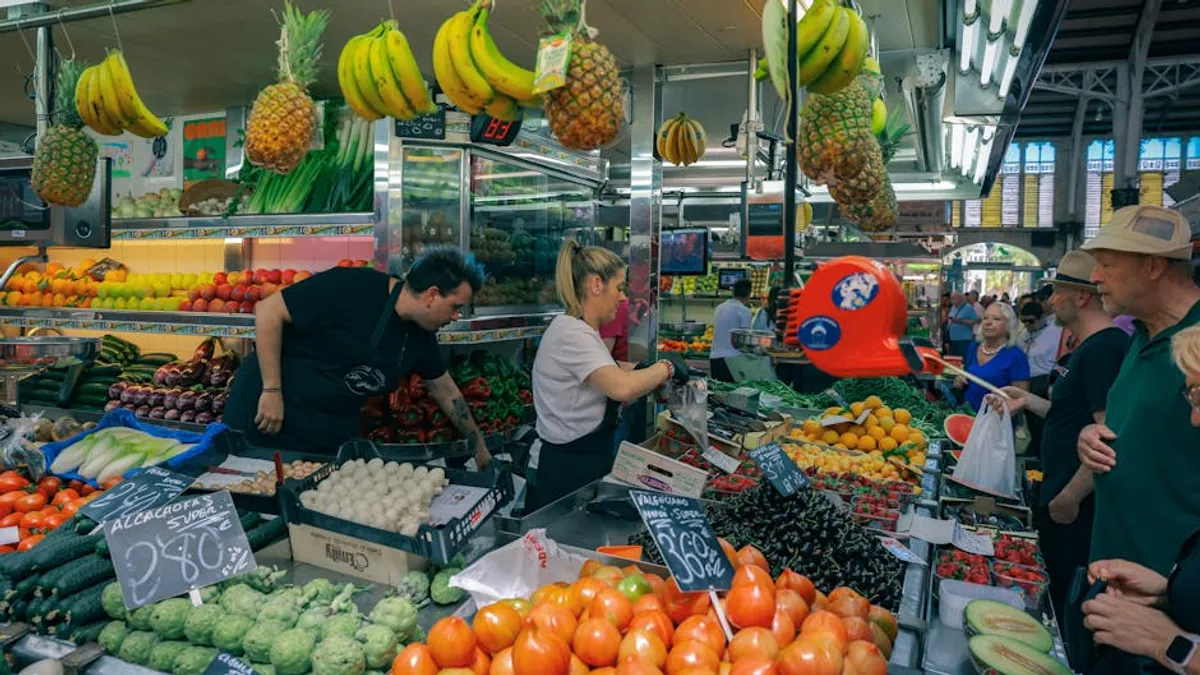
Exploring the landscape of local food markets and dining experiences offers a direct route to understanding a community's culinary identity, supporting local economies, and accessing ingredients and dishes often unavailable through conventional channels. This guide moves beyond generic recommendations, focusing instead on the distinct characteristics that define various food markets and local dining concepts. It aims to equip consumers with the knowledge to identify options that align with their specific preferences, whether that involves sourcing hyper-local produce, discovering unique artisan foods, or enjoying authentic regional cuisine in a vibrant setting. The objective is to provide a framework for discerning value, quality, and experience, ensuring that every culinary exploration is both rewarding and informed. Exploring the landscape of local food markets and dining experiences offers a direct route to understanding a community's culinary identity, supporting local economies, and accessing ingredients and dishes often unavailable through conventional channels.
What to Look For in Food Markets and Local Dining
Identifying the most suitable food market or local dining spot requires considering several practical factors beyond mere availability. Focus on these elements to ensure your choice aligns with your specific needs and preferences:
- Product Sourcing and Quality: Verify the origin of produce, meats, and prepared foods. Markets emphasizing direct-from-farm sourcing often offer superior freshness and support local agriculture directly. For dining, inquire about ingredient provenance; establishments highlighting local purveyors typically commit to higher quality and seasonal menus.
- Variety and Specialization: Assess whether the market or eatery offers a broad selection or specializes in a niche. A general market provides diverse staples, while a specialty food hall might focus on gourmet items, specific ethnic cuisines, or artisan crafts. Dining options range from multi-cuisine menus to highly focused establishments, such as a dedicated ramen bar or a farm-to-table bistro.
- Atmosphere and Experience: Consider the environment you desire. Some markets thrive on a bustling, communal energy with live music and street performers, while others offer a more subdued, intimate shopping experience. Dining atmospheres vary from casual, family-friendly settings to upscale, reservations-required establishments.
- Price Point and Value: Evaluate pricing relative to quality and quantity. While local markets can sometimes offer competitive prices for seasonal produce, specialty items or artisan goods may command a premium. Local dining options span a wide range, from affordable street food to high-end culinary experiences; understanding the value proposition for each is key.
- Accessibility and Convenience: Factor in location, parking availability, and public transport options. Markets often have specific operating hours, sometimes only a few days a week, which impacts convenience. Dining establishments can vary widely in their booking requirements and service speed.
- Vendor Knowledge and Engagement: At markets, knowledgeable vendors can provide cooking tips, storage advice, and insights into their products. In dining settings, attentive and informed staff enhance the overall experience by guiding menu choices and addressing dietary needs.
- Hygiene and Cleanliness Standards: Particularly for prepared foods and fresh produce, observe the cleanliness of stalls, food preparation areas, and general market or restaurant environments. Adherence to health standards is non-negotiable for food safety.
1. The Grand Central Market
This archetype represents the classic, sprawling public market, typically housed in a historic building within a city's core. It functions as a permanent fixture, offering a vast array of vendors under one roof, ranging from fresh produce stalls and butcher shops to bakeries, cheese mongers, and prepared food vendors. Its strength lies in its established presence and the sheer diversity of its offerings, catering to both daily shoppers and tourists seeking an immersive culinary experience. The architecture often contributes to its appeal, providing a grand, bustling backdrop for culinary exploration.
Best for: Urban dwellers seeking a one-stop shop for diverse groceries and prepared meals, tourists looking for an authentic local culinary landmark, and food enthusiasts who appreciate a wide selection of specialty items.
Pros: Wide variety of food types and vendors; often features historic architecture and a vibrant, energetic atmosphere; convenient for city residents due to central location; provides an extensive range of international and local delicacies.
Cons: Can become very crowded, especially during peak hours and weekends; parking is often limited and expensive; prices for specialty items can be higher than conventional supermarkets; navigating the sheer size can be overwhelming for some.
Verdict: An essential urban culinary hub, ideal for those who value variety and atmosphere over quiet shopping, but requires patience with crowds and potential parking challenges.
2. The Artisan Alley
The Artisan Alley embodies a modern, curated food hall concept, often located in revitalized industrial spaces or upscale urban developments. It distinguishes itself by focusing on high-quality, often gourmet, and specialized food vendors. Expect craft coffee roasters, small-batch bakeries, independent cheesemongers, and unique prepared food stalls featuring innovative cuisine. The emphasis is on quality, craftsmanship, and a refined, contemporary aesthetic. It's less about bulk shopping and more about discovery and experience, often featuring communal dining areas and a sophisticated ambiance.
Best for: Food connoisseurs, urban professionals, and individuals seeking unique culinary gifts, high-quality prepared meals, or a chic spot for a casual yet elevated dining experience.
Pros: Exceptionally high-quality and unique food products; stylish and comfortable communal dining spaces; often hosts culinary workshops or tasting events; supports small, independent food businesses with a focus on craft.
Cons: Generally higher price points compared to traditional markets; selection can be more niche, limiting options for general grocery shopping; may lack the raw, bustling charm of older public markets; can feel exclusive rather than broadly accessible.
Verdict: A premium destination for discerning palates and those valuing artisanal quality and a refined atmosphere, but at a higher cost.
3. The Community Harvest
This market model is the quintessential farmers' market, typically operating outdoors in a park or public square on specific days of the week. Its core mission is to connect local farmers directly with consumers, offering seasonal produce, pasture-raised meats, fresh eggs, and often homemade baked goods or preserves. The focus is strictly on local, seasonal, and often organic or sustainably grown products. The atmosphere is usually friendly and community-oriented, fostering direct interaction between producers and shoppers, which builds trust and provides transparency about food origins.
Best for: Consumers prioritizing fresh, seasonal, and locally sourced ingredients; individuals committed to supporting regional agriculture; families looking for an outdoor shopping experience with a community feel.
Pros: Direct access to the freshest seasonal produce; supports local farmers and the regional economy; often features organic and sustainably grown options; fosters a strong sense of community and connection to food sources; vendors are knowledgeable about their products.
Cons: Limited operating hours, often only once or twice a week; selection is strictly seasonal, meaning less variety during off-peak growing seasons; can be weather-dependent for outdoor markets; prices may sometimes be higher than supermarket equivalents for convenience-sake items due to small-scale production.
Verdict: The prime choice for those who value freshness, local provenance, and community engagement above all, requiring flexibility with shopping schedules and seasonal availability.
4. The Global Spice Bazaar
The Global Spice Bazaar represents an international or ethnic food market, often concentrated in culturally diverse neighborhoods. These markets specialize in ingredients, spices, and prepared foods from specific regions of the world—Asian, Latin American, Middle Eastern, African, etc. They are treasure troves for unique and authentic ingredients that are difficult to find elsewhere, offering a deep dive into global culinary traditions. Beyond groceries, many also feature small, informal eateries serving traditional dishes, providing an immersive cultural and gastronomic experience.
Best for: Home cooks experimenting with international cuisines, individuals from specific cultural backgrounds seeking familiar ingredients, and adventurous eaters looking for authentic global flavors and unique spices.
Pros: Unparalleled selection of international ingredients and spices; offers authentic prepared foods and snacks from various cultures; provides an immersive cultural experience; often more affordable for specialty ethnic items than mainstream stores.
Cons: Can be geographically specific, requiring travel for some; general grocery items may be limited; language barriers can occasionally arise with some vendors; parking and accessibility might be challenging in dense urban areas.
Verdict: An indispensable resource for global culinary exploration, offering unique ingredients and authentic dining experiences for those willing to seek it out.
5. The Waterfront Fishmonger
This concept combines a fresh seafood market with an informal, often counter-service or picnic-style eatery, typically situated near a harbor or coastal area. The primary draw is the direct access to freshly caught seafood, often arriving directly from fishing boats. Patrons can purchase whole fish, fillets, shellfish, and other marine delicacies to cook at home, or opt for simply prepared dishes like fish and chips, grilled fish tacos, or steamed clams on-site. The atmosphere is usually casual, maritime-themed, and often provides scenic views.
Best for: Seafood lovers seeking the freshest catch, individuals looking for a casual meal with a view, and those who appreciate supporting local fishing industries.
Pros: Unbeatable freshness and quality of seafood; direct-from-boat sourcing ensures sustainability and supports local fishermen; casual dining options are typically affordable and delicious; often offers scenic waterfront locations.
Cons: Limited to seafood, with few other grocery or dining options; selection can be dependent on daily catch and seasonality; can be a destination location, requiring specific travel; may have strong fish odors, which some find unappealing.
Verdict: The ultimate destination for fresh seafood, offering both retail and casual dining, ideal for those who prioritize the ocean's bounty and a relaxed, coastal experience.
6. The Urban Eatery Collective
The Urban Eatery Collective represents a dynamic, often outdoor or semi-enclosed space dedicated to a rotating or permanent collection of food trucks, pop-up stalls, and small, independent kitchens. It's characterized by its diverse and often trendy food offerings, ranging from gourmet burgers and artisanal pizzas to ethnic street food and innovative desserts. The atmosphere is typically lively, social, and informal, often featuring communal tables, music, and an energetic buzz. It's a place for quick, flavorful, and often experimental meals.
Best for: Groups with diverse culinary preferences, individuals seeking quick and affordable gourmet street food, and those who enjoy a vibrant, social dining atmosphere without formal restaurant settings.
Pros: Wide variety of cuisines and food styles in one location; often more affordable than traditional sit-down restaurants; dynamic and constantly evolving vendor lineup keeps offerings fresh; lively, social, and casual atmosphere.
Cons: Seating can be limited or primarily communal; weather-dependent for outdoor setups; quality can vary significantly between vendors; often lacks full-service amenities like restrooms or dedicated indoor seating.
Verdict: An excellent choice for adventurous eaters and social gatherings, offering a diverse, affordable, and energetic dining experience, best suited for casual outings.
7. The Rustic Roadside Stand
This is the epitome of direct-from-farm sales, often a simple structure or even just a table set up by a farmer along a rural road. The offerings are hyper-seasonal and typically limited to what was just harvested from the adjacent fields. Expect fresh fruits, vegetables, eggs, and sometimes homemade preserves or baked goods. The experience is charmingly unpretentious, emphasizing freshness, simplicity, and a direct connection to the land and the farmer. Many also offer "U-pick" options for berries or other produce.
Best for: Shoppers prioritizing peak-season freshness and supporting small-scale local farms directly; families looking for an authentic rural experience, especially with U-pick opportunities; individuals seeking ingredients for canning or preserving.
Pros: Unbeatable freshness and ripeness of produce; direct connection to the farmer and farm; often offers unique heirloom varieties not found in stores; supports small, independent agricultural operations; U-pick options provide an engaging activity.
Cons: Very limited selection, strictly seasonal; inconsistent operating hours, often dependent on harvest; usually requires driving to rural locations; cash-only transactions are common; can be exposed to weather elements.
Verdict: An idyllic and essential stop for those who value ultimate freshness and a direct connection to agriculture, requiring flexibility and a willingness to travel for seasonal bounty.
8. The Gastropub & Provisions
This concept merges a modern gastropub or upscale casual restaurant with a small, curated market section. The restaurant emphasizes locally sourced ingredients, craft beverages, and elevated pub fare or contemporary American cuisine. The "provisions" section typically sells some of the same high-quality ingredients used in the kitchen—artisan cheeses, charcuterie, house-made pickles, specialty sauces, and local produce. This allows diners to take a piece of the culinary experience home, bridging the gap between dining out and gourmet grocery shopping.
Best for: Diners who appreciate farm-to-table cuisine and craft beverages; individuals seeking high-quality, ready-to-eat gourmet items or unique ingredients for home cooking; those looking for a sophisticated yet relaxed dining and shopping experience.
Pros: High-quality, often locally sourced ingredients in both dining and retail; convenient for purchasing specialty items after a meal; sophisticated atmosphere and expertly prepared food; supports local producers through both channels.
Cons: Higher price point for both dining and retail items; the market selection is typically small and curated, not a full grocery replacement; dining reservations may be necessary during peak times; limited to the specific culinary style of the gastropub.
Verdict: A refined option for those who enjoy curated culinary experiences, offering the convenience of both a quality meal and the opportunity to purchase gourmet provisions to recreate the experience at home.
9. The Night Market Experience
Night markets are vibrant, often temporary, outdoor events that combine food stalls, craft vendors, entertainment, and a social atmosphere, typically operating during evening hours. Originating from Asian traditions, these markets have gained popularity globally, offering a vast array of street food from various cultures, often alongside handmade goods, live music, and performances. The focus is on a festive, communal experience, making it a popular destination for evening outings and cultural immersion.
Best for: Individuals seeking a lively evening social outing, groups looking for diverse and affordable dinner options, and those interested in cultural exploration through food and crafts.
Pros: Exceptionally diverse food options, often including unique street food and snacks; vibrant and festive atmosphere with entertainment; provides a unique cultural experience; typically more affordable than traditional dining for a variety of tastes.
Cons: Often crowded, making navigation and ordering challenging; seating can be very limited or non-existent; weather-dependent for outdoor events; can be a seasonal or infrequent occurrence; food safety standards can vary between individual vendors.
Verdict: An exciting and dynamic option for an evening of culinary adventure and social engagement, best suited for those who embrace crowds and an informal dining environment.
10. The Vegan & Organic Emporium
This market or store specializes in plant-based, organic, and health-conscious products. It caters specifically to vegetarians, vegans, and individuals with dietary restrictions or a strong preference for natural and ethically sourced foods. Offerings typically include a wide range of organic produce, plant-based proteins, vegan dairy and meat alternatives, gluten-free products, and natural health supplements. Many also feature a deli or cafe section serving prepared vegan and organic meals, juices, and smoothies.
Best for: Vegans, vegetarians, individuals with specific dietary restrictions (e.g., gluten-free), and health-conscious consumers prioritizing organic, natural, and ethically sourced foods.
Pros: Extensive selection of specialty vegan, organic, and gluten-free products; knowledgeable staff often available for dietary advice; supports ethical and sustainable food practices; offers prepared healthy meals and snacks.
Cons: Generally higher price points due to specialized products and organic certifications; limited options for non-specialty or conventional grocery items; may not be conveniently located for all; selection can be overwhelming for new shoppers.
Verdict: An indispensable resource for those committed to a plant-based or health-focused lifestyle, offering a comprehensive range of specialized products, though at a premium cost.
11. The Brews & Bites Courtyard
This concept typically features a central craft brewery or taproom surrounded by a rotating selection of food trucks or permanent small food stalls, often set in an outdoor or semi-covered courtyard. The primary draw is the pairing of local craft beers with diverse, casual food options. It creates a relaxed, social atmosphere, often with live music or games, making it a popular spot for informal gatherings. The food offerings are usually designed to complement various beer styles, ranging from tacos and BBQ to pizza and gourmet sandwiches.
Best for: Craft beer enthusiasts, groups looking for a casual and social dining experience, and individuals who enjoy a relaxed outdoor setting with diverse food and drink options.
Pros: Wide selection of local craft beers on tap; diverse and complementary food options from multiple vendors; relaxed, social, and often dog-friendly atmosphere; frequently features live entertainment or events; supports local breweries and food businesses.
Cons: Primarily focused on beer, with limited non-alcoholic options; food selection can be inconsistent if food trucks rotate frequently; can become very crowded and noisy, especially on weekends; weather-dependent for outdoor spaces.
Verdict: An ideal casual destination for those who enjoy craft beer and a variety of complementary food in a lively, social setting, best for informal meetups and relaxed evenings.
12. The Bakery & Delicatessen
This establishment combines a traditional bakery with a classic deli, offering freshly baked bread, pastries, and cakes alongside a selection of sliced meats, cheeses, sandwiches, and often prepared salads or hot meals. The focus is on artisanal quality, fresh preparation, and a curated selection of gourmet provisions. It serves as a reliable source for daily staples like fresh bread, as well as specialty items for entertaining or quick, high-quality lunches. The atmosphere is typically inviting, with the aroma of fresh baking.
Best for: Individuals seeking fresh bread and pastries daily; those looking for high-quality deli meats, cheeses, and gourmet sandwiches; shoppers needing prepared meals or catering for small gatherings; anyone appreciating artisanal baked goods.
Pros: Consistently fresh, high-quality baked goods; wide selection of gourmet deli items and prepared foods; convenient for quick, delicious lunches or dinner components; often provides catering services; supports traditional culinary crafts.
Cons: Can be more expensive than supermarket alternatives for similar items; selection of non-bakery/deli items is typically limited; can have long lines during peak breakfast or lunch hours; specific dietary options (e.g., gluten-free, vegan) may be limited.
Verdict: A reliable and high-quality option for daily bread, gourmet deli provisions, and convenient prepared meals, ideal for those who prioritize freshness and artisanal craftsmanship in their everyday eating.
Choosing the Right Option for Your Needs
Selecting the optimal food market or local dining experience involves a clear understanding of your priorities. Begin by defining your primary objective: are you seeking specific ingredients for a recipe, a quick and affordable meal, a unique social experience, or a comprehensive grocery trip? Consider your budget; some markets offer competitive prices for bulk produce, while specialty food halls and gastropubs cater to a higher price point. Research ahead of time by checking websites, social media, and local reviews for current vendor lists, operating hours, and any special events. This proactive approach helps avoid disappointment and ensures you leverage the unique offerings of each venue. Finally, embrace exploration; engaging with vendors, asking questions about products, and trying new things are integral to maximizing the value of local food experiences. Your choices directly impact local farmers and small businesses, contributing to a vibrant and sustainable food ecosystem.
Frequently Asked Questions
Are food markets generally cheaper than supermarkets?
It depends on the item and market type. For seasonal produce bought in bulk directly from farmers, prices can be competitive or even lower than supermarkets. However, specialty items, organic produce