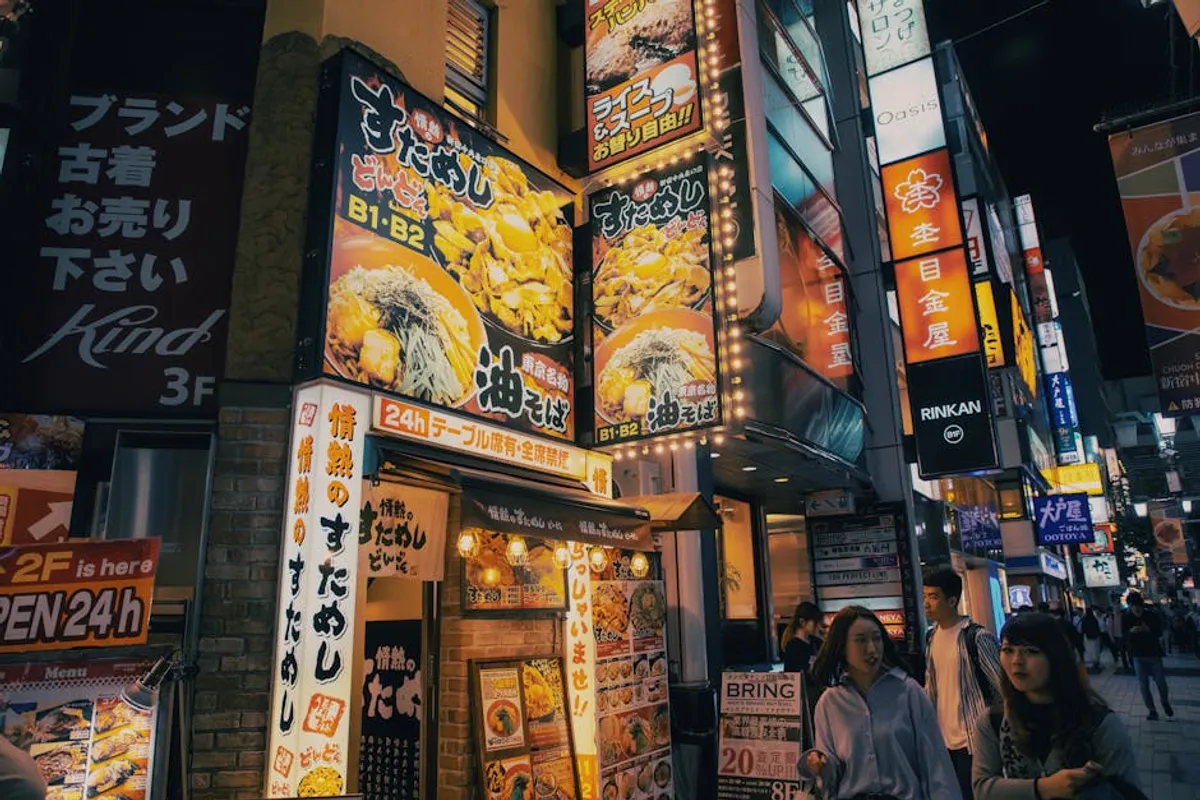
Tokyo’s culinary scene presents both an unparalleled opportunity and a significant challenge for first-time visitors. The sheer volume and diversity of dining options, from Michelin-starred establishments to bustling street food stalls, can be overwhelming without a structured approach. This guide provides a practical framework for navigating Tokyo’s food landscape, focusing on essential knowledge to enhance your gastronomic journey and ensure you make informed dining choices from arrival.
Decoding Tokyo's Culinary Ecosystem
Understanding the fundamental types of eateries in Tokyo is crucial for a beginner. Each offers a distinct experience, price point, and specialization. Familiarity with these categories allows for targeted exploration and efficient decision-making.
Key Eatery Types and What to Expect
- Ramen-ya: Specializing in ramen, these shops often feature ticket vending machines for ordering. Expect quick service, communal seating, and a focus on the broth, noodles, and toppings. Prices are typically budget-friendly.
- Sushi-ya: Ranging from casual conveyor belt (kaiten) sushi to high-end omakase (chef's choice) experiences. Quality and price vary significantly. High-end establishments often require reservations and offer an intimate, chef-driven experience.
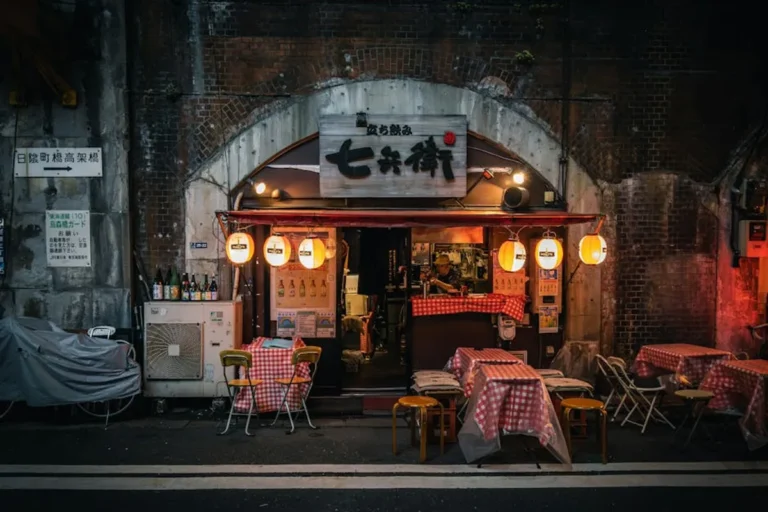
- Izakaya: Japanese pubs serving small, shareable plates (tapas-style) alongside alcoholic beverages. Ideal for experiencing a wide variety of dishes in a relaxed, social setting. Expect lively atmospheres and moderate pricing.
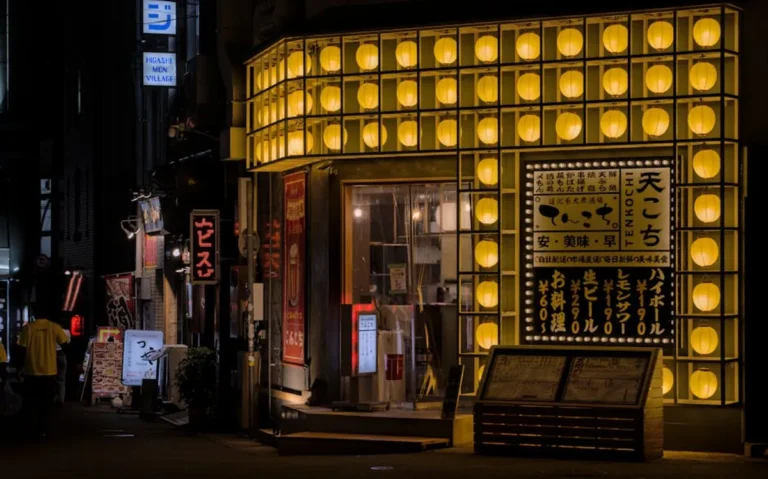
- Tempura-ya: Restaurants dedicated to tempura, often preparing dishes to order in front of patrons. Can range from casual to refined, with higher-end spots using seasonal ingredients and delicate frying techniques.
- Udon/Soba-ya: Noodle shops serving thick udon or thin soba noodles, either hot in broth or cold with a dipping sauce. These are typically fast, affordable, and popular for lunch.
- Depachika (Department Store Food Halls): Located in the basement levels of major department stores, these offer an incredible array of prepared foods, gourmet groceries, and sweets. Excellent for high-quality takeaways, gifts, or quick, varied meals.
- Konbini (Convenience Stores): Not just for snacks, Japanese convenience stores like 7-Eleven, FamilyMart, and Lawson offer surprisingly high-quality, fresh, and affordable meals, including onigiri, bento boxes, and hot items.
Navigating the Dining Rituals and Etiquette
Dining in Tokyo involves certain customs and practices that, while not strictly enforced for foreigners, enhance the experience and show respect. Understanding these elements simplifies ordering and interaction.
Ordering and Payment Logistics
Many casual eateries, particularly ramen shops, employ ticket vending machines (shokkenki) at the entrance. You select your dish, pay, and hand the ticket to a staff member. For restaurants with table service, staff will typically take your order. English menus are increasingly common, but having a translation app or pointing to pictures can be helpful. Payment is usually made at the front counter after your meal, not at the table. While credit cards are widely accepted in larger establishments and department stores, many smaller, independent restaurants and street food vendors remain cash-only operations.
Pro Tip: Always carry some cash. While card payments are increasingly common, many smaller, authentic eateries, particularly ramen shops and izakayas, remain cash-only. This prevents awkward situations and ensures you don't miss out on local favorites.
Table Etiquette and Chopstick Use
Basic etiquette includes waiting to be seated, using the provided wet towel (oshibori) to clean your hands, and not sticking chopsticks upright in your rice (which resembles funeral rites). Slurping noodles is generally acceptable and can even signify enjoyment. Tipping is not customary in Japan; excellent service is expected and factored into pricing. Leaving a tip can sometimes be perceived as confusing or even insulting.
Budgeting Your Gastronomic Journey
Tokyo caters to all budgets, from economical street food to extravagant fine dining. Planning your meals around different price points allows for a diverse culinary experience without overspending.
Budget-friendly options: Convenience store meals (¥500-1000), ramen or udon shops (¥800-1500), and lunch sets (teishoku) which often provide excellent value during weekdays (¥1000-2000).
Mid-range dining: Izakayas, casual sushi restaurants, and specialized eateries like tempura or yakitori shops typically fall into the ¥2000-5000 per person range for dinner, excluding drinks.
High-end experiences: Michelin-starred restaurants, premium sushi counters, and kaiseki (multi-course haute cuisine) can range from ¥10,000 to ¥30,000+ per person, often requiring advance reservations.
Must-Try Dishes for First-Timers
While Tokyo offers an endless array of dishes, some are quintessential experiences for a beginner. Prioritizing these ensures a foundational understanding of Japanese cuisine.
Ramen: Explore different regional styles like tonkotsu (pork bone broth), shoyu (soy sauce base), or miso. Each offers a distinct flavor profile.
Sushi & Sashimi: Start with classic nigiri (fish over rice) and maki (rolls). For a more adventurous palate, explore different cuts and seasonal fish.
Tempura: Lightly battered and deep-fried seafood and vegetables. Seek out restaurants where it's fried to order for optimal crispness.
Yakitori: Skewered and grilled chicken, often using various parts of the bird. A staple at izakayas, offering diverse textures and flavors.
Okonomiyaki: A savory pancake made with flour, eggs, and shredded cabbage, mixed with various ingredients like meat or seafood, grilled on a teppan (iron griddle).
Takoyaki: Ball-shaped wheat flour snacks filled with diced octopus, green onion, and ginger, typically brushed with sauce and sprinkled with bonito flakes.
Unearthing Local Flavors and Hidden Gems
Beyond the well-known establishments, Tokyo's true culinary depth lies in its local, often unassuming, eateries. Discovering these requires some intentional effort.
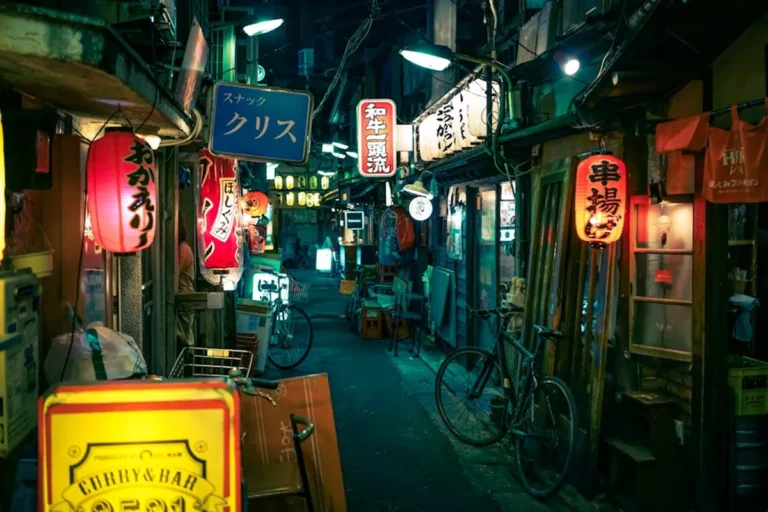
Utilize online resources like Google Maps reviews, local food blogs, and specific restaurant discovery platforms. Filter by "Japanese" or specific dish types. Pay attention to the number of reviews and average ratings. Asking hotel staff or local guides for recommendations can also lead to authentic experiences. Exploring less-trafficked neighborhoods or side streets often yields independent shops with unique offerings and a more local atmosphere.
Crafting Your Tokyo Food Itinerary
To maximize your culinary exploration, integrate food experiences into your daily itinerary. Research restaurants near planned attractions to minimize travel time. Consider booking high-demand restaurants well in advance, especially for weekend dinners or special occasions. Embrace variety by alternating between different types of eateries and price points. Don't overlook the convenience stores and department store food halls for quick, quality meals or unique snacks.
Frequently Asked Questions About Dining in Tokyo
Is tipping customary in Tokyo restaurants?
No, tipping is not customary in Japan. Service charges may sometimes be included in the bill at higher-end establishments, but otherwise, the listed price is what you pay. Attempting to tip can sometimes cause confusion.
How do I order food if I don't speak Japanese?
Many restaurants in tourist-heavy areas or larger establishments have English menus. If not, look for pictures on the menu or plastic food replicas in the window. A translation app on your phone can also be very helpful. Pointing to dishes or using simple phrases like "kore kudasai" (this, please) is generally understood.
Are vegetarian or vegan options readily available in Tokyo?
While traditional Japanese cuisine often features dashi (fish broth) and seafood, vegetarian and vegan options are becoming more prevalent, especially in larger cities like Tokyo. Look for specialized vegan/vegetarian restaurants, or inquire if dishes can be made without meat or fish. Temple cuisine (shojin ryori) is inherently vegetarian.
What is the best way to find good restaurants in Tokyo?
Beyond guidebooks, leverage online resources like Google Maps for reviews and photos, local food blogs, and social media. Asking hotel concierges or local friends for recommendations can also lead to excellent, authentic discoveries. Don't be afraid to explore side streets.