Japanese tea ceremony (chanoyu) is among the most refined cultural practices Japan has produced. Centuries of development have produced a specific practice that integrates aesthetics, philosophy, social interaction, and food in ways that few other cultural practices match.
The practice itself remains accessible to interested practitioners but requires substantial commitment. Most people will never become tea practitioners. But the principles tea ceremony embodies apply broadly beyond the specific practice. Understanding tea ceremony illuminates substantial things about Japanese culture and about cultural practice generally.
This essay examines tea ceremony for what it teaches about sustained attention, considered presentation, and the integration of multiple cultural dimensions that substantial practice can achieve.
What tea ceremony actually is
Tea ceremony involves specific elements:
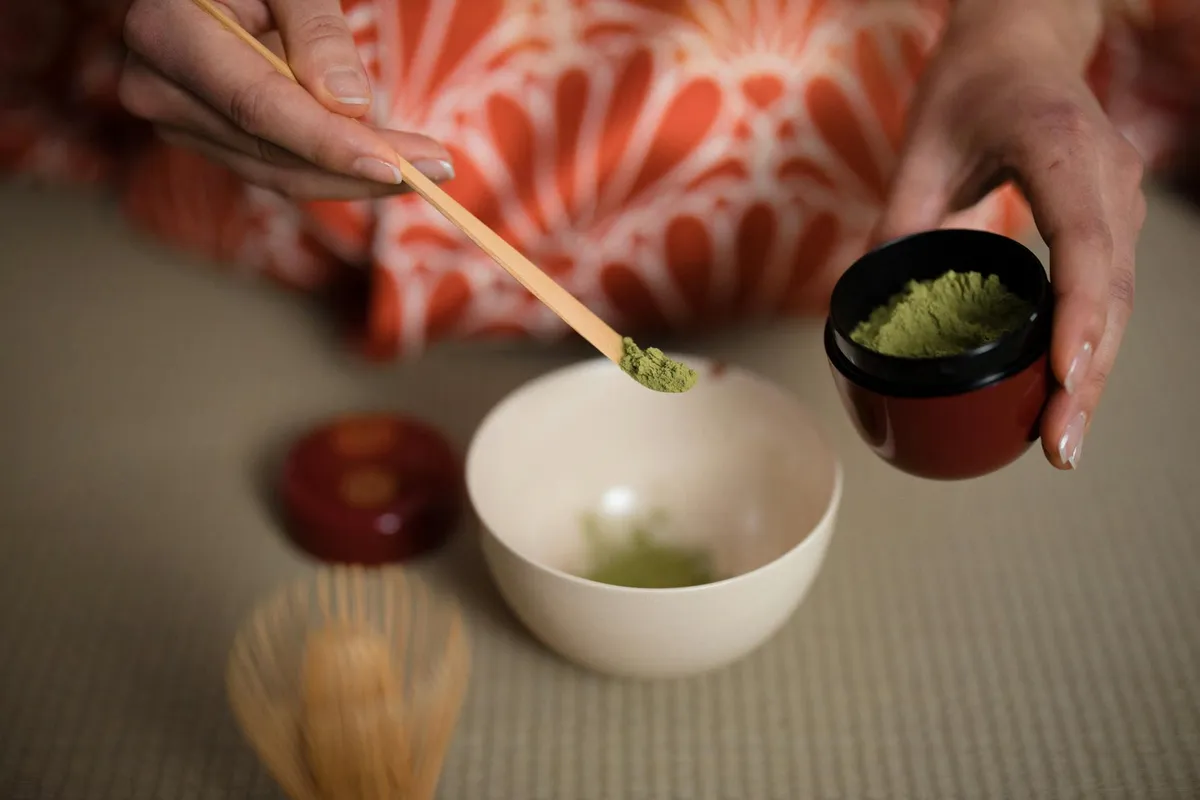
The host prepares matcha (powdered green tea) for guests according to specific procedures.
The procedures take 30 minutes to several hours depending on the specific style and occasion.
Specific equipment is used (tea bowl, tea whisk, specific container, etc.).
Specific aesthetic principles guide the ceremony (wabi-sabi, harmony, respect, purity, tranquility).
Specific seasonal and contextual considerations affect specific ceremonies.
Food is often included (kaiseki cuisine in formal ceremonies).
Conversation is structured but not constrained to ritual speech.
The ceremony integrates multiple cultural dimensions into a unified practice.
The historical development
Tea ceremony developed across centuries:
Tea was introduced to Japan from China in the 9th century, initially primarily for medicinal purposes.
Tea ceremony culture developed through the 14th-16th centuries, with substantial refinement.
Sen no Rikyū (1522-1591) is considered the master who established many of the principles still followed.
Multiple schools developed after Rikyū with specific traditions while maintaining core principles.
The practice has continued through Japan's historical changes with substantial adaptation but core continuity.
Contemporary tea ceremony reflects this accumulated tradition while continuing to evolve.
The aesthetic principles
Specific aesthetic principles guide tea ceremony:
Wabi-sabi. Beauty in imperfection, impermanence, and humility. Specific to tea aesthetic but with broader application.
Harmony (wa). Specific harmony among ceremony elements, between host and guests, with the broader environment and season.
Respect (kei). Mutual respect between participants and respect for the equipment, ingredients, and traditions.
Purity (sei). Both literal cleanliness and broader purity of intention and execution.
Tranquility (jaku). Specific tranquility produced by the integrated practice.
The four principles after wa (kei, sei, jaku) plus wa form the foundation of tea aesthetic. The principles guide specific decisions throughout the ceremony.
The equipment
Tea ceremony equipment includes:
Chawan (tea bowl). Substantial ceramic bowls. Specific bowls reflect specific traditions, makers, and uses. Bowls can have substantial individual character.
Chasen (bamboo whisk). Made from single bamboo culm split into specific number of tines. Substantial craft involved in making.
Chashaku (bamboo scoop). Used for measuring tea. Substantial individual character.
Natsume or chaire (tea container). Container for the powdered tea. Various traditional forms.
Mizusashi (water container). Substantial vessel for water used in the ceremony.
Kama (kettle). Iron kettle. Specific traditional shapes and casts.
Each piece of equipment can have substantial individual character. Specific tea practices involve substantial collection and care of equipment.
The integration of art forms
Tea ceremony integrates multiple art forms:
Ceramics. Tea bowls and other equipment have produced substantial Japanese ceramic tradition. Specific bowls have substantial cultural significance.
Calligraphy. Hanging scrolls in the tea room provide focal aesthetic element. Substantial calligraphy tradition connects with tea practice.
Flower arrangement. Chabana (tea flower arrangement) is specific style of ikebana developed for tea contexts.
Architecture. Tea rooms (chashitsu) and tea gardens (roji) involve specific architectural traditions.
Cuisine. Kaiseki cuisine developed substantially in connection with tea practice.
Garden design. Tea gardens have specific aesthetic principles and design traditions.
The integration of multiple traditions produces substantial cultural achievement that no single tradition could produce alone.
The structure of a ceremony
A formal tea ceremony has specific structure:
Guests arrive at the tea garden and approach the tea house through specific path.
Specific preliminary rituals (cleansing, waiting in specific space).
Entry into tea room with specific procedures.
Initial appreciation of the room's arrangement (scroll, flowers, equipment).
Kaiseki meal (in formal ceremonies).
Specific break and return.
The actual tea preparation and serving.
Final conversation and departure.
Each phase has specific protocols and meanings. The integrated whole produces the substantial experience.
What tea ceremony embodies
Beyond specific procedures, tea ceremony embodies broader principles:
Sustained attention. The ceremony requires sustained attention from all participants. Phone-checking and similar contemporary distractions are incompatible. The sustained attention produces specific experience that fragmented attention couldn't produce.
Considered presentation. Every element is considered. Equipment placement, order of actions, conversation topics, food presentation — all reflect deliberate choices rather than defaults.
Seasonal and contextual awareness. Specific ceremonies reflect specific seasons, occasions, guests. The customization to context is substantial.
Aesthetic integration. Multiple aesthetic dimensions are integrated rather than treated separately. The integration produces unified experience.
Social structure with depth. The interaction between host and guests follows specific patterns but allows substantial individual expression within those patterns.
These principles apply beyond tea ceremony. They illuminate what considered cultural practice can achieve.
What tea ceremony teaches
Specific lessons from tea ceremony for broader cultural practice:
Time matters. Significant cultural experience requires time. Short experiences don't replicate what extended sustained attention produces.
Constraint enables. Specific procedural constraints don't prevent substantial expression. They support it. The form is enabling rather than limiting.
Multiple dimensions integrate. Substantial cultural practice integrates multiple aesthetic and social dimensions. The integration produces depth that single-dimension practice can't match.
Repetition allows depth. Substantial practitioners perform the same ceremonies many times. The repetition allows depth that variety couldn't produce.
Tradition supports innovation. Working within tradition allows specific innovation. The tradition is starting point rather than constraint.
These lessons apply broadly beyond Japanese cultural contexts.
Contemporary tea ceremony
Tea ceremony continues in contemporary Japan:
Multiple substantial schools maintain teaching traditions.
Tens of thousands of practitioners continue the practice across various levels of engagement.
Tea rooms exist in temples, schools, private homes, cultural centers.
Public tea ceremonies are accessible to interested participants in many cities.
Specific tea ceremonies for international visitors provide accessible introduction.
The contemporary practice continues to develop within tradition while connecting with current cultural conditions.
Tea ceremony for visitors
For visitors interested in tea ceremony experience:
Public tea ceremonies. Various tea rooms offer accessible ceremonies for visitors. The introductions provide sample of what fuller practice involves.
Tea ceremony at substantial cultural sites. Many major Japanese cultural sites (Kyoto temples, traditional gardens) have associated tea ceremony availability.
Tea ceremony classes for visitors. Some schools and cultural centers offer classes specifically for visitors interested in deeper introduction.
Substantial ceremonies through specific channels. For visitors with substantial interest, specific channels provide access to more complete ceremonies.
The accessibility supports varied levels of engagement with the tradition.
Tea ceremony for serious practitioners
For people interested in serious practice:
Substantial study takes years. The accumulating skill and understanding develops slowly.
Specific schools have specific traditions worth choosing carefully.
Equipment investment can be substantial across years of practice.
The community of practitioners provides substantial relationship dimension.
The benefits accumulate across decades. Lifelong practice produces substantial cumulative reward.
Serious practice is substantial commitment producing substantial reward.
What tea ceremony reveals about Japan
Tea ceremony reveals broader things about Japanese culture:
Substantial commitment to specific cultural practices despite broader cultural change.
Integration of multiple cultural dimensions into unified practices.
Aesthetic principles applicable across many contexts.
The relationship between formal practice and informal cultural life.
The continuing role of traditional cultural practice in contemporary life.
Tea ceremony is one window into Japanese cultural patterns that extend beyond the specific practice.
Tea ceremony and food
Tea ceremony connects substantially to food culture:
Kaiseki cuisine developed in tea ceremony contexts. The cuisine reflects tea aesthetic principles.
Specific seasonal awareness in tea ceremony connects to seasonal food awareness.
Specific equipment traditions (ceramics, lacquerware) connect across tea and food contexts.
The integrated cultural traditions support each other.
Food culture and tea culture are genuinely interconnected rather than separate.
Engagement with one supports engagement with the other.
The accessibility question
Tea ceremony has substantial accessibility despite its depth:
Brief introductory experiences are widely available.
Reading and study can produce substantial appreciation without practice.
Casual engagement with tea-influenced cultural products (specific ceramics, specific food experiences) provides accessible engagement.
The principles are applicable beyond specific tea practice.
Tea ceremony rewards both casual and serious engagement at appropriate levels.
The honest summary
Tea ceremony is among Japan's substantial cultural achievements. The integration of multiple aesthetic and social dimensions into unified practice produces something that few other cultural traditions match.
For visitors, accessible introductions provide meaningful engagement with the tradition.
For serious practitioners, the practice rewards lifelong commitment.
For broader cultural appreciators, tea ceremony illustrates principles applicable beyond Japanese contexts.
For anyone interested in considered cultural practice, tea ceremony provides specific lessons about what sustained attention and integrated practice can produce.
A closing observation
The tea master begins the ceremony. The procedures unfold across the appropriate duration. The guests receive specific tea prepared specifically for them. The attention is sustained throughout. The integration of equipment, environment, food, and conversation produces specific experience.
This is what tea ceremony is. Specific procedures honored across centuries. Specific aesthetic integrated into unified practice. Specific cultural achievement maintained through ongoing committed practice.
For practitioners, the ceremony is what they prepare for and engage with continuously across years of practice.
For visitors, the ceremony is accessible introduction to substantial Japanese cultural achievement.
For all who engage with it at any level, tea ceremony illustrates what considered sustained cultural practice can produce.
The work continues. The schools persist. The tea is prepared and served. The traditions adapt and continue. The cultural achievement is maintained through ongoing committed practice across the time scales that substantial cultural practice requires.
Tomorrow somewhere in Japan, a tea ceremony will begin. The host has prepared specifically. The guests will arrive. The procedures will unfold. The substantial tradition will continue for one more day.
The continuation matters substantially. The cultural achievement persists, where it persists, because committed practitioners and engaged participants find substantial value in sustained engagement with what could be lost without their commitment.
The work goes on. The traditions persist. The substantial cultural achievement continues, in the long quiet rhythm by which substantial cultural practice has always continued where conditions for its continuation are sustained.
For those who engage with tea ceremony, the engagement provides substantial reward. For those who haven't engaged, the tradition remains accessible.
The tea is prepared. The ceremony unfolds. The attention is sustained. The cultural achievement is renewed. The work goes on, as it has gone on for centuries, in the way that substantial cultural traditions persist when their conditions are maintained.