Ramen has become globally familiar in ways that few specific Japanese dishes have. The dish appears in cities around the world. Mass-market versions exist in supermarkets. Instant ramen sustains substantial portions of student diets globally.
The mass familiarity has produced a misleading impression that ramen is a simple, accessible dish. Properly made ramen — the kind found at substantial ramen shops in Japan and at the few comparable shops elsewhere — is something different from what mass familiarity suggests.
The differences between adequate ramen and excellent ramen warrant careful examination. The differences illustrate substantial things about Japanese food traditions and about food culture broadly.
What ramen actually involves
A bowl of ramen has specific components:
The broth. The substantial component requiring substantial preparation. Different styles use different broth bases (tonkotsu, shoyu, miso, shio) but the principle is consistent — substantial cooking time, careful ingredient management.
The tare. The seasoning base added to the broth. Specific flavoring components that distinguish specific ramen styles.
The noodles. Specific noodles made for ramen with specific properties (alkaline, specific thickness, specific texture). Different styles use different noodles.
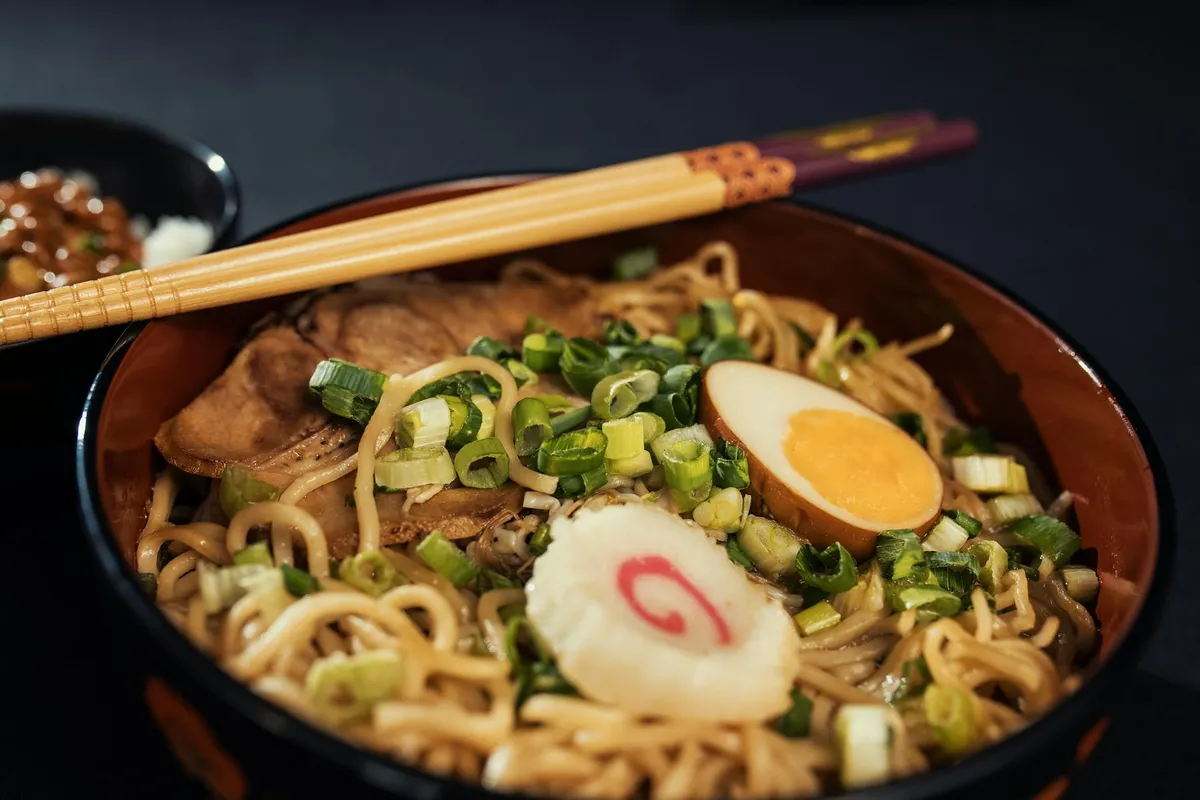
The toppings. Various components — chashu (braised pork), eggs, vegetables, specific aromatics — each prepared specifically for ramen use.
The aroma oil. Specific oils with specific aromatics added at finishing.
The integration. The combination of all components at the right temperature, ratios, and timing.
Each component requires specific preparation. The integrated bowl requires substantial kitchen choreography.
The broth, in detail
Ramen broth is the most demanding component:
Tonkotsu broth involves long pork bone simmering — typically 12-24 hours, sometimes longer. The simmering produces specific emulsified richness that defines tonkotsu style.
Shoyu and shio broths have shorter cooking times but require specific timing and ingredient relationships. The shorter time doesn't mean less attention.
Miso broth combines fermented miso paste with specific stock bases. The fermentation contributes substantial complexity.
The broth is what distinguishes substantial ramen shops from adequate ones. Adequate broth uses commercial bases. Substantial broth is made from scratch with specific care.
The noodle question
Ramen noodles are specific:
The dough uses kansui (alkaline mineral water) which produces specific texture and color.
The noodle thickness varies by style. Thinner noodles for some styles, thicker for others.
Fresh noodles produce different results than dried. Most substantial ramen shops use fresh noodles.
Noodle cooking time matters precisely. Overcooking destroys texture; undercooking leaves unfinished noodles.
The relationship between noodle and broth matters. Different broths suit different noodle types.
Substantial ramen shops typically have specific noodle suppliers or make their own. The noodle choice is a substantial element of identity.
The toppings
Each topping has specific preparation:
Chashu (braised pork). Specific cuts braised in specific liquids for specific times. The chashu identifies many ramen shops.
Ajitama (marinated egg). Soft-boiled eggs marinated in specific liquid for specific time. The white should be set; the yolk should be jammy. The marinade should permeate the egg.
Menma (fermented bamboo). Specific bamboo preparation. Substantial flavor contribution.
Negi (green onions). Specific cuts and freshness.
Nori, naruto, other components. Various traditional and contemporary additions.
Each topping reflects specific decisions about how the bowl should taste.
The aroma oils
Aromatic oils are added to many ramen styles. Common types:
Mayu (black garlic oil) for tonkotsu styles.
Negi oil (green onion oil) for various styles.
Specific chili oils for spicy variants.
Specific aromatic oils for regional styles.
The oils float on top of the bowl, providing specific aromatic experience as the eater approaches the bowl. The aromatic dimension is substantial element of substantial ramen.
What distinguishes excellent ramen
Specific qualities distinguish excellent ramen from adequate:
Broth depth. Excellent broth has substantial complexity that develops as you eat. Adequate broth is one-note.
Noodle quality. Excellent noodles have specific texture that engages the eater. Adequate noodles are flat.
Topping quality. Excellent toppings have been prepared specifically for the bowl. Adequate toppings are afterthoughts.
Integration. Excellent ramen achieves balance between components. Adequate ramen has components that don't quite work together.
Temperature. Excellent ramen arrives at the correct temperature. Adequate ramen is too hot or too cool.
Aromatic experience. Excellent ramen smells substantial before eating starts. Adequate ramen has limited aromatic dimension.
Eating experience over time. Excellent ramen evolves through the eating experience. Adequate ramen flattens.
Each quality requires specific kitchen decisions. The cumulative effect distinguishes excellent ramen substantially from adequate.
The Japanese ramen scene
Japanese ramen culture has substantial depth:
Tens of thousands of ramen shops operate across Japan. Most are small, single-shop operations.
Specific regions have specific ramen styles with substantial local variation.
Ramen is taken seriously as cuisine. Specific shops have substantial reputations and substantial waiting times.
Ramen culture includes substantial criticism, ranking, discussion. Magazines, websites, and substantial dining publications cover ramen seriously.
Ramen craft education exists. Substantial training programs prepare new ramen chefs.
The cultural infrastructure supports continued excellence at substantial scale.
The international ramen scene
Ramen outside Japan exists in various forms:
Substantial ramen shops in major cities. Many cities have shops operated by Japanese chefs or Japanese-trained chefs producing ramen at standards approaching Japanese standards. The shops exist but require seeking out.
Mid-quality ramen shops. Many cities have shops producing ramen that's decent but not at Japanese standards. The decent ramen is appropriate for casual dining.
Adequate restaurant ramen. Many Japanese restaurants offer ramen alongside other dishes. The ramen is typically adequate rather than substantial.
Mass-market ramen. Various franchise concepts and casual ramen restaurants. The quality varies.
Instant ramen. Different category entirely. Should be evaluated on its own terms rather than against fresh ramen.
For people interested in substantial ramen outside Japan, finding the substantial shops requires specific effort.
What to look for in substantial ramen shops
Indicators of substantial ramen shops:
The menu is focused. Substantial shops typically offer few ramen styles done very well rather than many styles done adequately.
The chef is visible and engaged. Substantial ramen shops have chefs personally involved in production.
Ingredients and process are visible. Substantial shops show their process — broth visible, noodle preparation visible, topping preparation visible.
The service is precise. Substantial shops serve quickly with proper attention to bowl temperature and ingredient timing.
The pricing reflects cost. Substantial ramen costs more than adequate ramen. Cheap ramen is rarely substantial.
The atmosphere supports focused eating. Substantial shops have specific atmosphere that supports the focused experience the food requires.
Each indicator suggests but doesn't guarantee substantial quality. Combined indicators provide stronger signals.
The eating itself
Eating ramen properly involves specific approach:
Smell first. The aromatic dimension is substantial element. Pause to engage with the aroma before eating.
Try the broth first. Before adding anything or stirring substantially, try the broth as it is. The base flavor is the substantial achievement.
Eat the noodles before they soften. Ramen noodles continue cooking in the hot broth. Eating them within the first 10-15 minutes preserves intended texture.
Eat the toppings as they come up. Don't save them for the end. They're part of the integrated experience.
Drink some broth at the end. The broth reveals additional dimensions when consumed in quantity.
Finish in a reasonable time. Ramen is best eaten in 20-30 minutes. Lingering past this point allows degradation.
The proper eating reflects how substantial ramen is intended to be experienced.
Common misconceptions about ramen
Specific patterns that suggest misunderstanding of ramen:
Treating it as a simple noodle soup. The integration is far more substantial than typical noodle soup.
Adding substantial accompaniments. Ramen is intended to be eaten relatively focused. Substantial accompaniments distract.
Eating slowly across an extended meal. Ramen degrades. The eating should be reasonably timed.
Stirring everything together immediately. The intended structure of the bowl matters. Stirring destroys it.
Comparing all ramen to one specific style. Different styles are different products. Comparing tonkotsu to shoyu is comparing different things.
Each misconception reflects approaches that don't engage with what ramen actually is.
What ramen represents
Beyond the specific dish, ramen represents broader things:
The integration of multiple specific traditions into a unified product. Chinese noodle traditions, Japanese stock traditions, specific regional traditions all come together.
The contemporary Japanese food culture's ability to develop new traditions while maintaining traditional methods. Ramen as currently practiced is largely 20th-century development but uses traditional methods.
The capacity for craft excellence in casual food. Ramen is casual eating. The casualness doesn't prevent substantial craft.
The relationship between cost and quality. Substantial ramen exists at relatively accessible prices. The accessibility supports broad participation in substantial food culture.
Each dimension makes ramen significant beyond its function as a meal.
For visitors to Japan
Visitors interested in substantial ramen should:
Research specific shops in advance. The substantial shops aren't always obvious.
Allow time. Substantial shops often have waits. Plan accordingly.
Try multiple styles. The variety across regions is substantial. Single-shop sampling misses the broader picture.
Visit specific regional ramen scenes. Hokkaido (especially Sapporo for miso), Fukuoka (especially Hakata for tonkotsu), Tokyo (various styles), and various smaller regional centers have specific scenes.
Engage with the eating culture. The proper eating approach is part of the experience.
Substantial ramen experiences in Japan are substantially different from ramen experiences elsewhere.
For people outside Japan
Outside Japan, accessing substantial ramen requires:
Identifying the specific substantial shops in your city. Most cities have at least one.
Being willing to travel to substantial shops rather than settling for nearby adequate ones.
Accepting that some elements (specific ingredient access, specific production constraints) make perfect replication impossible. The substantial shops produce excellent ramen even without perfect replication.
Engaging with the international ramen community. Specific publications and online resources support international engagement.
Substantial ramen exists internationally. Finding it requires specific effort.
The honest summary
Ramen is more substantial than mass familiarity suggests. The differences between adequate and excellent ramen are substantial. The substantial ramen tradition deserves attention from people interested in food.
For people who haven't experienced substantial ramen, seeking it out is worthwhile. The specific qualities are real. The eating experience is substantial.
For people who have experienced substantial ramen, sustained engagement with the tradition produces continued reward. Different shops, different styles, different regions all repay attention.
The casual familiarity with ramen that mass culture produces is fine but limited. The substantial ramen tradition has substantial depth that mass familiarity doesn't engage.
For continued engagement, the resources exist. The tradition continues to develop. Substantial ramen remains accessible to those who seek it.
A closing observation
The bowl arrives at the table. Steam rises. The aromatic oils signal what the broth contains. The first taste of broth establishes what the meal will be.
The noodles, the toppings, the further development of the broth across the eating — these are the substantial experience that ramen at its best provides.
For 20-30 minutes, the bowl is the focus. The world recedes. The specific integration of components produces a specific experience that the eater participates in completing.
This is what substantial ramen at its best is. The casualness of ramen as a category doesn't prevent the substantial achievement when the cooking is excellent.
For people who care about food, ramen done well represents substantial achievement worth recognizing. The recognition supports the continued development of the tradition.
The bowls continue. The ramen culture continues to develop. The work goes on, in the long quiet rhythm by which substantial food culture develops where it's allowed to.
Tomorrow somewhere in Japan, a ramen shop will open. The chef will start preparing the day's broth. The day's noodles. The toppings. The bowl that someone will eat in twenty minutes will represent substantial work done that morning and substantial tradition done across decades.
The work continues. The bowls continue. The substantial ramen tradition persists, where it persists, because some practitioners and customers find substantial value in the kind of food that takes substantial work to produce well and substantial attention to consume properly.