
Navigating the organic food market can feel overwhelming for newcomers. With an increasing array of labels, certifications, and price points, understanding what "organic" truly signifies and how to make informed purchasing decisions is crucial. This guide provides a practical framework for beginners, focusing on clarity, label interpretation, and strategic buying to align with personal health and environmental priorities without unnecessary expense or confusion.
Decoding Organic Labels and Certifications
The term "organic" is legally defined and regulated in many countries, ensuring that products bearing certified labels adhere to specific production standards. Understanding these labels is the first step in making confident organic purchases.
Understanding the USDA Organic Seal
In the United States, the USDA Organic seal is the primary indicator of certified organic products. Its presence signifies that a product has been grown and processed according to federal guidelines addressing soil quality, animal raising practices, pest and weed control, and additive use. The seal itself comes with specific distinctions:
- 100% Organic: This label means all ingredients are certified organic. Products can carry the USDA Organic seal and must list the certifying agent.
- Organic: Products labeled "Organic" contain at least 95% certified organic ingredients. The remaining ingredients must be non-organic substances allowed on the National List of Allowed and Prohibited Substances. These products can also display the USDA Organic seal.
- Made with Organic Ingredients: This category applies to products with at least 70% certified organic ingredients. They cannot display the USDA Organic seal but can state "Made with Organic (specific ingredients)" on the front panel and list the certifying agent.
For products with less than 70% organic ingredients, only the organic ingredients themselves can be identified as such in the ingredient list; no organic claims can appear on the product's main display panel.
Beyond the Seal: Other Certifications
While the USDA Organic seal is foundational, other certifications can provide additional information or address specific consumer concerns. For instance, the Non-GMO Project Verified label indicates that a product has been independently verified to avoid genetically modified organisms. Similarly, some local or regional certifications might exist, often emphasizing sustainable practices beyond federal organic standards. Always research what these additional seals represent to determine if they align with your specific purchasing criteria.
Where to Source Your Organic Foods
Organic foods are available through various channels, each offering distinct advantages in terms of selection, freshness, and price.
Supermarkets and Grocery Stores
Most major supermarkets now stock a dedicated organic section or integrate organic options throughout their aisles. This offers convenience and a wide selection of packaged goods, produce, and dairy. When shopping here, scrutinize labels carefully. The term "natural" is not regulated and does not imply organic certification or adherence to organic standards. Always look for the specific organic seals.
Farmers' Markets and CSAs
Farmers' markets provide direct access to local growers, often allowing for conversations about farming practices. While not all farmers at these markets are USDA certified organic (certification can be costly for small farms), many adhere to organic principles. Ask farmers directly about their use of pesticides, herbicides, and fertilizers. Community Supported Agriculture (CSA) programs offer another direct route, where consumers purchase a share of a farm's harvest in advance, receiving a weekly box of seasonal produce. This often provides the freshest options and supports local, sustainable agriculture.
Online Retailers and Delivery Services
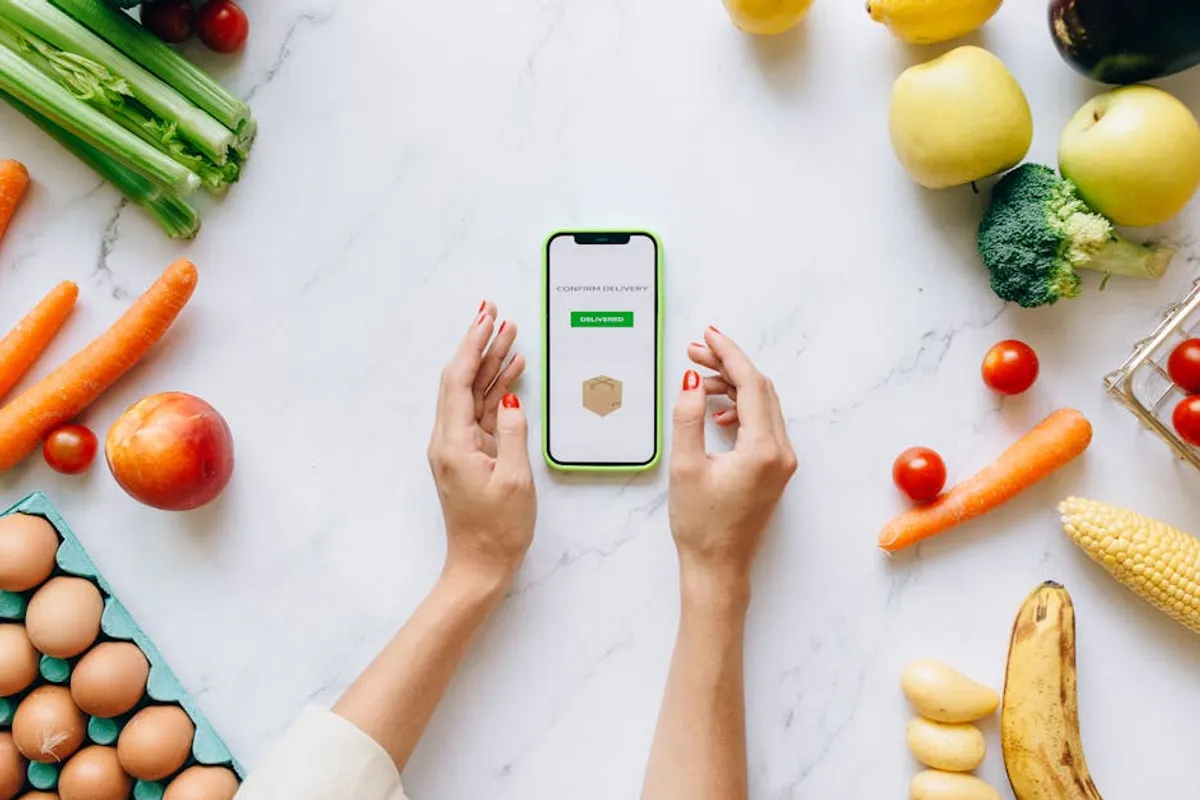
A growing number of online platforms specialize in organic groceries, offering convenience and often a broader selection of niche organic products. Subscription services can deliver organic produce, meat, and pantry staples directly to your door. Evaluate shipping costs, minimum order requirements, and the freshness guarantees of these services to ensure they meet your needs.
Pro Tip: When shopping at farmers' markets, don't hesitate to ask growers about their certification status or growing methods. A transparent farmer will gladly explain their practices, helping you make an informed choice even if they aren't officially certified organic.
Prioritizing Your Organic Purchases
Buying organic can be more expensive. Strategic prioritization allows beginners to maximize the impact of their organic budget.
The "Dirty Dozen" and "Clean Fifteen"
These annual lists, compiled by the Environmental Working Group (EWG), identify produce items with the highest and lowest pesticide residues, respectively. While not a substitute for organic certification, they offer a guide for prioritizing:
- Dirty Dozen: Items like strawberries, spinach, kale, and apples frequently appear on this list due to higher pesticide loads. Prioritizing organic versions of these items can significantly reduce pesticide exposure.
- Clean Fifteen: Avocados, sweet corn, pineapple, and onions typically have lower pesticide residues, making them less critical to buy organic if budget is a concern.
Using these lists helps direct your spending towards the most impactful organic choices, particularly for produce where the edible part is directly exposed to growing conditions.
Budgeting for Organic
Beyond the Dirty Dozen/Clean Fifteen, consider these strategies:
Focus on staples: Prioritize organic versions of foods you consume frequently, such as dairy, eggs, and grains. The cumulative effect of choosing organic for these regular purchases can be substantial.
Buy in season: Seasonal produce is often more affordable, regardless of whether it's organic. Combine seasonal buying with organic choices to reduce costs.
Shop sales and bulk: Keep an eye out for organic sales and consider buying non-perishable organic items in bulk to save money over time.
Making Informed Choices
Starting your organic food journey requires understanding labels, knowing your sourcing options, and prioritizing purchases based on personal values and budget. Begin with a few key items, observe the differences, and gradually expand your organic choices as you become more comfortable. The goal is to build a sustainable approach to food buying that supports your health and environmental preferences.
Frequently Asked Questions
Is organic food more nutritious?
Research on the nutritional superiority of organic food over conventionally grown food is mixed and often debated. While some studies suggest higher levels of certain nutrients or antioxidants in organic produce, the primary benefit often cited is reduced exposure to pesticides and antibiotics.
Is "natural" the same as "organic"?
No, the terms are not interchangeable. "Organic" is a strictly regulated label with specific certification standards, while "natural" is a loosely defined term, particularly for packaged foods, and has no legal definition regarding farming practices or ingredient processing.
How can I afford organic food on a budget?
Prioritize items from the "Dirty Dozen" list, buy seasonal produce, look for sales, consider store brands, and explore local farmers' markets or CSAs for potentially better pricing on fresh items.
What are the most important organic items to buy?
Focus on organic dairy, eggs, and produce items that appear on the "Dirty Dozen" list due to their higher pesticide residue levels. Meats and poultry are also common priorities for those concerned about antibiotic and hormone use in conventional farming.