Jibhi, a tranquil valley nestled in the Tirthan Valley of Himachal Pradesh, presents a distinct alternative for travelers seeking respite from the more commercialized hill stations. For those evaluating destinations that blend natural beauty with authentic local culture, Jibhi offers a compelling proposition. This guide outlines the essential considerations for planning a visit, covering key attractions, diverse accommodation choices, and immersive activities, ensuring a well-informed decision for your next mountain retreat.
Understanding Jibhi's Appeal
Jibhi distinguishes itself through its untouched landscapes, traditional wooden architecture, and a slower pace of life that prioritizes local interaction over mass tourism. Unlike bustling centers, Jibhi maintains a quiet charm, making it ideal for those who value solitude, nature photography, and genuine cultural exchange. The area’s dense pine forests, cascading waterfalls, and the Tirthan River create an environment conducive to relaxation and exploration.
Why Jibhi Over Other Himachal Destinations?
The primary draw of Jibhi lies in its relative obscurity and commitment to sustainable tourism. While popular spots like Manali or Shimla offer extensive infrastructure, they often come with crowds and a commercialized atmosphere. Jibhi, conversely, provides:
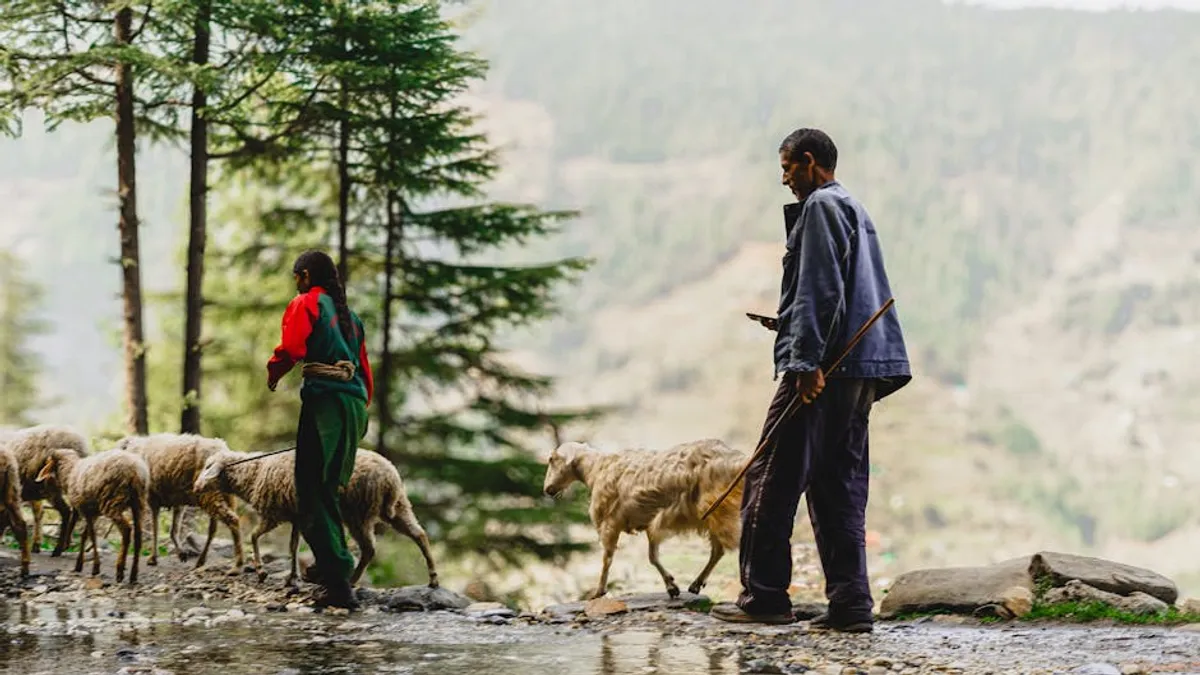
- Authentic Local Experiences: Direct engagement with Gaddi and Kinnauri communities.
- Unspoiled Nature: Pristine forests, less polluted rivers, and clear night skies.
- Peace and Quiet: A genuine escape from urban noise, fostering mental rejuvenation.
- Adventure at Your Pace: Options for strenuous treks or gentle riverside walks, without pressure.
Key Places to Visit in Jibhi and Around
The region surrounding Jibhi is rich with natural and cultural landmarks, each offering a unique perspective on the Himalayan foothills.
Natural Attractions
The landscape itself is the main attraction, with several specific points of interest worth exploring:
- Jalori Pass: Situated at an altitude of 10,800 feet, this pass offers panoramic views of the Dhauladhar and Pir Panjal ranges. It serves as a gateway to trekking routes, including the one leading to Serolsar Lake.
- Serolsar Lake: A pristine high-altitude lake accessible via a moderate trek from Jalori Pass. The lake is surrounded by dense oak forests and is revered for its clear waters and the adjacent temple dedicated to Budhi Nagini Devi.
- Jibhi Waterfall: A smaller, yet picturesque waterfall located a short walk from the main village. Its accessibility and serene surroundings make it a popular spot for a quick visit or picnic.
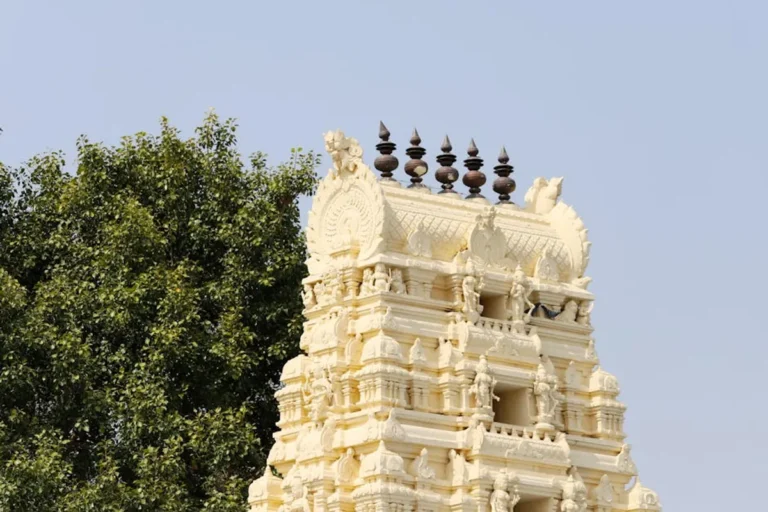
- Chehni Kothi: An ancient tower temple, approximately 1,500 years old, built in the traditional Himachali architectural style. This seven-story structure, primarily made of wood and stone, stands as a testament to the region's historical craftsmanship and offers insights into local heritage.
Cultural and Historical Sites
Beyond natural beauty, Jibhi offers glimpses into local history and spiritual practices:
Raghupur Fort: While mostly in ruins, the trek to Raghupur Fort from Jalori Pass is rewarding for its sweeping views of the surrounding valleys. The fort's remnants hint at a strategic past, offering a historical context to the region's geography.
Pro Tip: When visiting cultural sites like Chehni Kothi or local temples, always dress modestly and respect local customs. Photography might be restricted in certain areas, so inquire beforehand.
Accommodation Options in Jibhi
Jibhi's accommodation landscape is characterized by its emphasis on local hospitality and integration with nature, moving away from large-scale hotel chains.
Homestays and Guesthouses
These options provide the most authentic experience, allowing guests to stay with local families. Expect home-cooked meals, often prepared with locally sourced ingredients, and direct interaction with residents. This is ideal for travelers seeking cultural immersion and a deeper understanding of Jibhi's lifestyle.
Best for: Budget-conscious travelers, cultural immersion, local cuisine.
Boutique Stays and Resorts
For those preferring more amenities and privacy, several boutique guesthouses and eco-resorts have emerged. These often feature rustic-chic designs, offer private cottages, and may include facilities like attached bathrooms, heating, and curated activity packages. They blend comfort with the natural environment, providing a more refined experience without compromising the local aesthetic.
Best for: Couples, families, those seeking comfort with a touch of luxury.
Activities and Exploration
Jibhi encourages active engagement with its environment, offering a range of activities for various fitness levels.
Trekking and Nature Walks
The area is a trekker's paradise, with trails ranging from easy riverside strolls to challenging multi-day expeditions. Popular routes include the trek to Serolsar Lake, the path to Raghupur Fort, and various village-to-village walks that reveal hidden waterfalls and apple orchards. Local guides are readily available and recommended for longer or less-marked trails, providing safety and local insights.
Local Experiences
Beyond trekking, visitors can engage in activities that connect them with Jibhi's culture:
- Fishing: The Tirthan River is known for trout fishing. Permits are required and can often be arranged through local guesthouses.
- Bird Watching: The dense forests are home to a variety of Himalayan bird species, making Jibhi an excellent spot for ornithology enthusiasts.
- Village Tours: Explore nearby villages like Ghiyagi and Shoja to observe traditional Himachali life and architecture.
- Cooking Classes: Some homestays offer opportunities to learn local Himachali recipes, providing a hands-on cultural experience.
Planning Your Trip: Essential Considerations
To ensure a smooth and enjoyable trip to Jibhi, consider these practical aspects:
- Best Time to Visit:
- Spring (March to May): Pleasant weather, blooming rhododendrons, ideal for trekking.
- Summer (June to September): Monsoon season brings lush greenery but also heavy rainfall, potentially affecting road conditions.
- Autumn (October to November): Clear skies, crisp air, vibrant foliage, excellent for photography.
- Winter (December to February): Cold, with chances of snowfall, offering a serene, white landscape, though some roads may close.
- Connectivity: The nearest airport is Bhuntar (Kullu Airport), approximately 60 km away. The nearest major railway station is Ambala Cantt or Chandigarh, requiring a subsequent bus or taxi journey. Buses from Delhi to Manali often stop at Aut, from where local taxis or buses can be taken to Jibhi.
- Packing: Layers of clothing are essential due to varying temperatures. Include comfortable walking shoes, rain gear (especially during monsoon), a first-aid kit, and personal medications.
- Cash: ATMs are scarce in Jibhi. It is advisable to carry sufficient cash for local purchases, guides, and smaller establishments.
Making the Most of Your Jibhi Journey
Jibhi offers a unique blend of adventure, tranquility, and cultural immersion. To truly appreciate its charm, embrace the slower pace, engage with the local community, and respect the natural environment. Prioritize sustainable practices, such as minimizing waste and supporting local businesses. A well-planned trip to Jibhi promises not just a destination visit, but an enriching experience that resonates long after you leave the valley.
Frequently Asked Questions
Is Jibhi suitable for families with young children?
Yes, Jibhi is suitable for families, especially those who enjoy nature and light outdoor activities. Many homestays are family-friendly, and there are gentle walks and riverside spots that are safe for children. However, some treks might be too strenuous for very young kids.
What is the typical duration recommended for a Jibhi trip?
A typical trip duration of 3 to 5 days allows visitors to explore key attractions, engage in a few activities, and experience the local culture without feeling rushed. This timeframe balances exploration with relaxation.
Are there medical facilities available in Jibhi?
Basic medical facilities and pharmacies are available in Jibhi and nearby larger villages. For serious medical emergencies, it might be necessary to travel to larger towns like Kullu or Mandi, which have more comprehensive hospitals.
Is Jibhi a good destination for solo travelers?
Jibhi is generally considered safe and welcoming for solo travelers. The community is hospitable, and homestays offer a sense of security and companionship. It's an excellent place for introspection and connecting with nature independently.