Crafting an effective izakaya guide requires a precise understanding of diner expectations and search behavior. Many guides, despite good intentions, fall short by repeating common errors that actively deter potential customers. These missteps range from superficial descriptions that fail to capture an izakaya's unique spirit to fundamental technical oversights that render the guide invisible to its target audience. The goal is not merely to list establishments but to curate an experience, providing the specific details and visual cues diners need to make an informed decision. Avoiding these prevalent mistakes ensures your guide serves as a valuable resource, driving genuine interest and foot traffic rather than simply occupying digital space.
Core Content Errors That Deter Diners
Generic Dish Descriptions and Missing Authenticity
A common failing in izakaya guides is the use of bland, interchangeable descriptions for dishes. Simply listing "yakitori" or "sashimi" without context or unique selling points fails to convey the establishment's distinct culinary approach. Diners seek specific details: the type of charcoal used for grilling, the source of the fish, a signature marinade, or a chef's special preparation technique. Without these authentic nuances, a guide offers little more than a menu reprint, providing no compelling reason for a diner to choose one izakaya over another. Focus on the story behind the food and the ingredients.
Inadequate Visuals and Ambience Representation
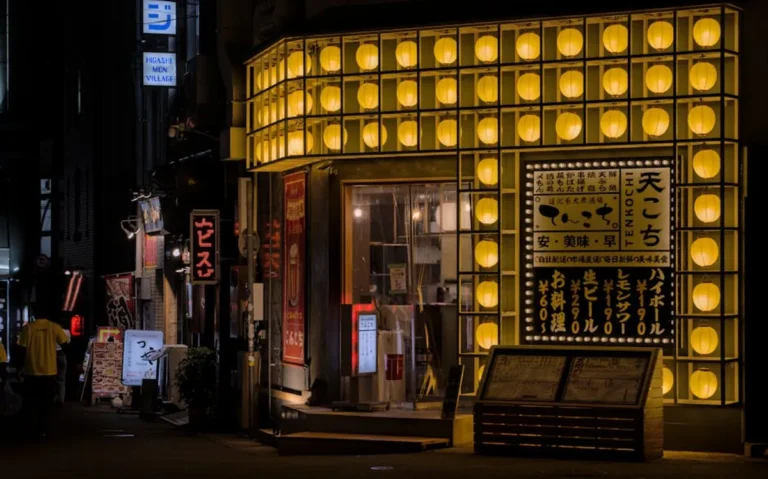
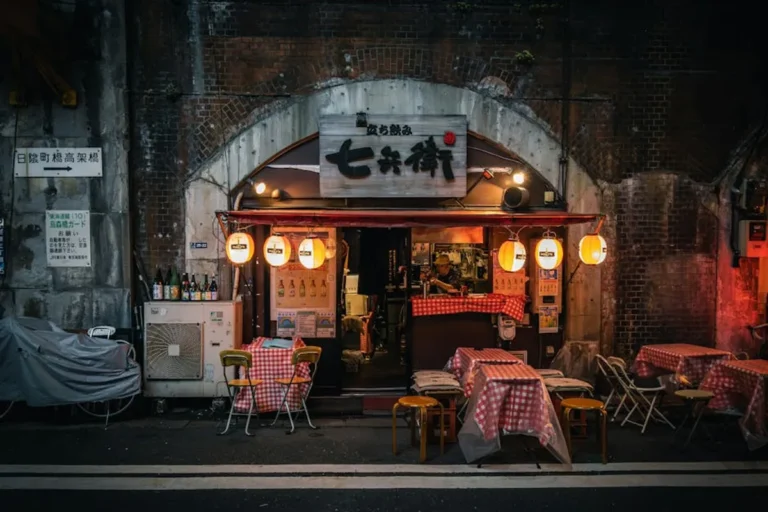
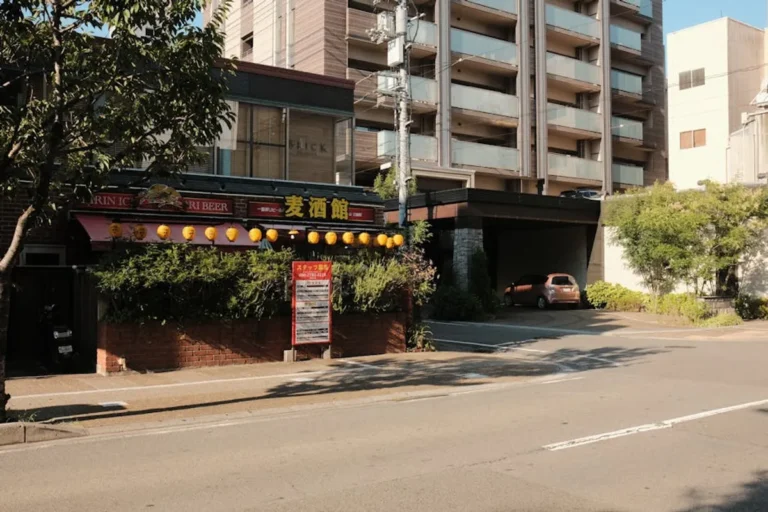
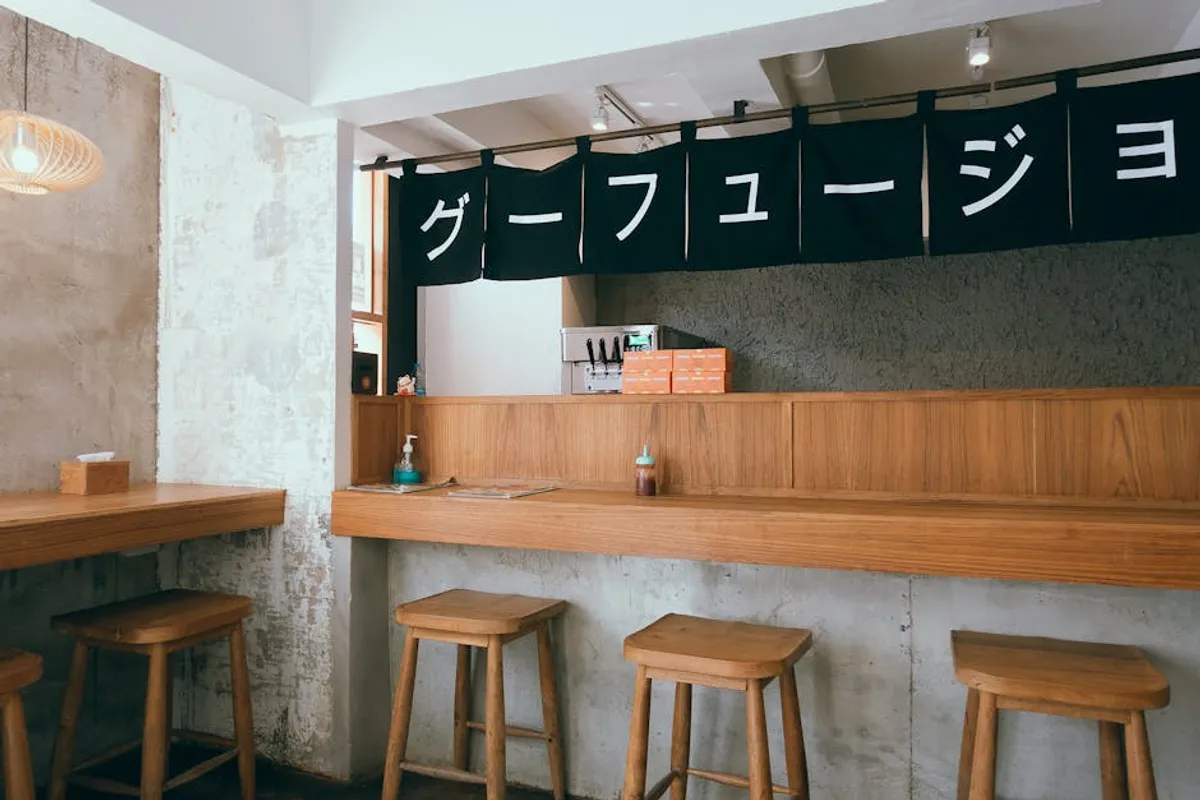
High-quality photography is non-negotiable for an izakaya guide. Blurry, poorly lit, or unappetizing images actively detract from the dining experience before it even begins. Equally detrimental is the absence of photos that capture the izakaya's atmosphere. Diners choose izakayas not just for food, but for the social setting—the counter seating, the bustling kitchen, the specific decor, or the intimate private rooms. A guide that neglects to showcase these elements leaves potential patrons guessing, often leading them to competitors with more visually engaging presentations. Include interior, exterior, and detailed dish shots.
Neglecting Cultural and Seasonal Specificity
Izakayas often feature seasonal menus, regional specialties, or specific Japanese cultural elements that are crucial to their identity. Failing to highlight these aspects is a missed opportunity. For instance, an izakaya known for its autumn mushroom dishes or its unique sake pairings from a particular prefecture should emphasize these details. Generic guides overlook the dynamic nature of Japanese cuisine and the importance of seasonality, presenting a static, less appealing offering. Research and integrate these timely and regional distinctions to provide richer context.
Technical and Operational Oversights
Ignoring Local SEO and Schema Markup
Many izakaya guides fail to implement basic local SEO practices, making them difficult for nearby diners to discover. This includes neglecting to incorporate location-specific keywords, optimize for "near me" searches, or ensure consistent NAP (Name, Address, Phone) data across all listings. Furthermore, the absence of structured data markup (like Schema.org's Restaurant or LocalBusiness types) prevents search engines from fully understanding and prominently displaying key information, such as opening hours, price range, and customer reviews. This directly impacts visibility in local search results and map packs.
Outdated Information and Poor Maintenance
An izakaya guide quickly loses credibility if its information is outdated. Incorrect operating hours, defunct phone numbers, old menu items, or expired special offers frustrate users and lead to a poor experience. This often stems from a lack of a consistent update schedule. Diners rely on guides for accurate, real-time data, especially for establishments that may have fluctuating hours or seasonal closures. Regular verification of all listed details is essential to maintain trust and utility.
Suboptimal User Experience and Mobile Responsiveness
A guide that is difficult to navigate, features a cluttered layout, or performs poorly on mobile devices will see high bounce rates. Slow loading times, non-responsive design elements, and hard-to-read fonts create friction for users. Given that a significant portion of local searches occur on smartphones, a mobile-unfriendly guide effectively alienates a large segment of the target audience. Prioritize clean design, intuitive navigation, and rapid load times across all devices.
Incomplete Practical Details
Diners often need specific practical information beyond just the menu. Guides frequently omit crucial details such as:
- Reservation policies (required, recommended, walk-in friendly)
- Payment options (cash-only, specific credit cards accepted)
- Allergen information or dietary accommodations
- Accessibility features (wheelchair access)
- Parking availability or public transport links
- Link to online ordering or direct reservation system
These omissions force users to seek information elsewhere, increasing the likelihood they will abandon the guide entirely.
Building a Superior Izakaya Guide
Pro Tip: Implement a quarterly review cycle for all listed izakaya details. Proactively contact establishments to confirm hours, menus, and special offers. Outdated information is a primary driver of user frustration and guide abandonment. Automate reminders for these checks to maintain data integrity.
To create a guide that truly stands out and serves its audience effectively, focus on these actionable strategies:
- Curated Content: Move beyond basic listings. Offer unique insights, highlight signature dishes, and share stories that convey the izakaya's character.
- Professional Visuals: Invest in high-resolution, appealing photography for every establishment. Include food, interior, exterior, and ambiance shots.
- Comprehensive Local SEO: Ensure each listing is optimized with specific location keywords, consistent NAP data, and relevant Schema.org markup.
- Real-Time Updates: Establish a rigorous schedule for verifying and updating all critical information, including menus, hours, and contact details.
- User-Centric Design: Prioritize mobile responsiveness, fast loading speeds, and intuitive navigation. Make the guide easy to read and interact with.
- Detailed Practicalities: Include all necessary operational information, from reservation methods and payment options to accessibility and parking.
- Cultural Nuance: Emphasize seasonal specials, regional ingredients, and unique cultural aspects that define each izakaya's offering.
Optimizing for Diner Engagement
A successful izakaya guide is more than a directory; it's a dynamic, trustworthy resource that anticipates diner needs. By systematically addressing common content, technical, and operational oversights, you transform a potentially overlooked list into an indispensable tool for discovery. Focus on authenticity in descriptions, clarity in visuals, and precision in practical details. Regularly update and optimize for local search to ensure visibility. This meticulous approach not only enhances user experience but also positions your guide as the definitive authority for izakaya exploration, driving tangible results for both diners and establishments.
Frequently Asked Questions About Izakaya Guides
How often should an izakaya guide be updated?
Ideally, critical information like operating hours, menus, and special offers should be reviewed and updated quarterly. Contact details and reservation links should be verified at least twice a year to ensure accuracy and prevent user frustration.
What is the most important element for an izakaya guide's success?
While many elements are crucial, accurate and visually appealing content, particularly high-quality photographs, often makes the most immediate impact. Diners primarily engage with visuals and specific details when making dining decisions.
Why is Schema.org markup important for an izakaya guide?
Schema.org markup helps search engines understand the specific type of content on your guide (e.g., a restaurant, its address, price range). This structured data allows search engines to display rich results, improving visibility and click-through rates in search engine results pages.
Should an izakaya guide include user reviews?
Integrating user reviews or testimonials can significantly enhance a guide's credibility and provide social proof. While direct hosting of reviews requires moderation, linking to reputable third-party review platforms (e.g., Google Reviews, Tabelog) is a common and effective strategy.