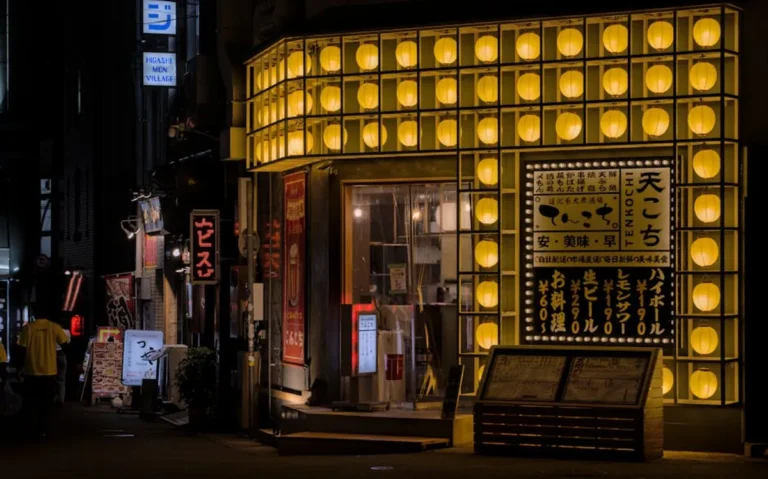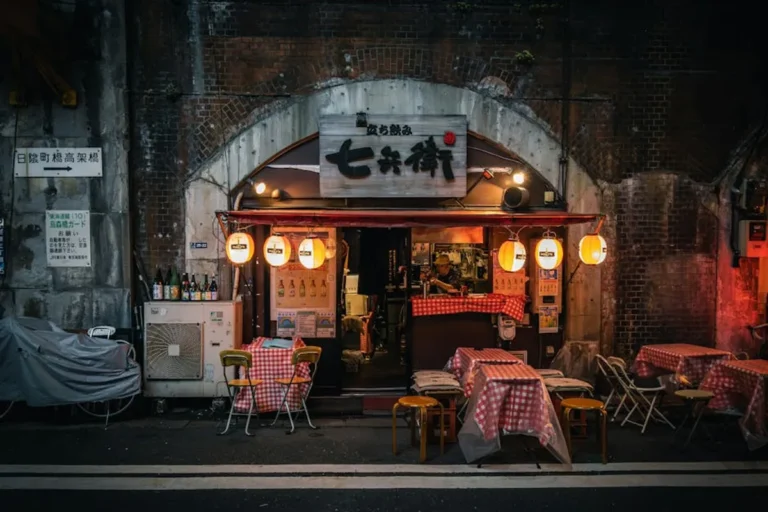

The ramen landscape is dynamic, constantly evolving beyond traditional tonkotsu and shoyu. For ramen shop owners, restaurateurs, and investors, understanding emerging trends is not merely about staying current; it is a strategic imperative for market differentiation, customer acquisition, and sustained profitability. The industry is responding to shifts in consumer preferences, technological advancements, and a renewed focus on sustainability and dietary inclusivity. Identifying and strategically integrating these trends can position a ramen establishment for long-term success, attracting new demographics while retaining a loyal core clientele. This analysis delves into the most impactful trends shaping the ramen market, offering a framework for evaluating their commercial viability and operational implications.
Identifying Key Ramen Market Drivers
Successful navigation of the ramen market requires an understanding of underlying forces driving change. These include evolving consumer health consciousness, which fuels demand for lighter, plant-based, or gluten-free options. The globalization of food culture means diners are more adventurous, seeking unique regional variations or fusion concepts. Operational efficiency, driven by technology, impacts everything from ordering systems to kitchen processes. Furthermore, a heightened awareness of ethical sourcing and environmental impact influences ingredient choices and business practices. Shops must assess their current operational model and target demographic against these drivers to identify which trends offer the most synergistic growth opportunities, rather than simply chasing every new development.
1. Plant-Based Ramen Innovation
This trend focuses on developing ramen dishes that completely exclude animal products, addressing a growing demographic of vegan, vegetarian, and flexitarian diners. It moves beyond simple broth substitutions to encompass complex vegetable-based broths, meat-alternative toppings, and egg-free noodles. The innovation lies in replicating the umami depth and textural satisfaction traditionally associated with pork or chicken-based ramen, often through fermentation, mushroom extracts, and diverse vegetable layering.
Where It Fits: Ramen shops aiming to expand their customer base beyond traditional meat-eaters, particularly in urban areas with high demand for plant-forward dining. Essential for brands seeking to enhance their ethical and sustainable image.
Pros:
- Accesses a significant and growing market segment.
- Offers opportunities for unique flavor profiles and ingredient sourcing.
- Enhances brand perception as inclusive and forward-thinking.
- Potentially lower food costs for certain ingredients compared to premium meats.
Cons:
- Requires significant R&D to achieve comparable depth of flavor without animal fats.
- Customer expectations for authentic ramen can be high, making plant-based versions subject to scrutiny.
- Ingredient sourcing for quality plant-based alternatives can be complex or expensive.
- Risk of alienating traditional ramen purists if not executed carefully.
Verdict: A critical trend for market expansion and brand relevance, but demands culinary expertise to deliver genuinely satisfying and distinctive plant-based options that stand on their own merit, rather than merely imitating traditional versions.
2. Regional Ramen Specialization
This trend emphasizes deep dives into specific regional ramen styles from Japan, moving beyond the ubiquitous tonkotsu or miso. Examples include Hakata-style, Sapporo-style, Kitakata-style, or even lesser-known local variations. Shops adopting this trend focus on authenticity, using specific noodle types, broths, and toppings unique to the chosen region, often educating customers on the history and characteristics of the style. This creates a niche appeal for connoisseurs and those seeking unique culinary experiences.
Where It Fits: Establishments seeking to cultivate a reputation for authenticity and expertise, appealing to adventurous diners and those familiar with Japanese culinary nuances. Suitable for concepts aiming for a strong cultural narrative.
Pros:
- Creates a strong, unique selling proposition that differentiates from generic offerings.
- Attracts a dedicated customer base seeking specific, authentic experiences.
- Allows for deeper culinary exploration and storytelling around the menu.
- Can command premium pricing due to perceived authenticity and specialty.
Cons:
- Requires extensive research and sourcing to maintain authenticity.
- May have a narrower appeal compared to broadly popular styles.
- Staff training must be comprehensive to explain regional differences and nuances.
- Risk of limited scalability if ingredients are highly specific and difficult to procure.
Verdict: A powerful strategy for niche market penetration and brand authority, provided the commitment to authenticity is unwavering and the target audience appreciates specialized offerings. It requires deep culinary knowledge and meticulous execution.
3. High-End & Gourmet Ramen
This trend elevates ramen from a casual, affordable meal to a more refined dining experience. It involves premium ingredients, meticulous preparation techniques, artistic presentation, and often a more upscale dining environment. Broths might be simmered for extended periods with rare ingredients, noodles could be handmade with specialized flours, and toppings might include wagyu beef, foie gras, or seasonal truffles. The focus is on culinary artistry and a heightened sensory experience, justifying a higher price point.
Where It Fits: Urban centers with discerning diners and a demand for elevated culinary experiences. Ideal for chefs looking to push the boundaries of ramen and position it alongside other fine dining options.
Pros:
- Attracts affluent clientele willing to pay a premium for quality and experience.
- Generates significant media attention and critical acclaim for innovation.
- Offers higher profit margins per bowl due to premium pricing.
- Allows for creative freedom and sophisticated ingredient pairings.
Cons:
- Requires significant investment in high-quality ingredients and skilled culinary talent.
- Higher operational costs due to labor-intensive preparation and upscale ambiance.
- Smaller target market compared to casual ramen shops.
- Customer expectations are extremely high, demanding consistent excellence.
Verdict: A viable path for culinary distinction and high-revenue generation, but necessitates unwavering commitment to quality, exceptional service, and a clear understanding of the luxury dining market. It's about crafting an experience, not just a dish.
4. Fast-Casual & Delivery Optimization
This trend focuses on streamlining operations for speed, efficiency, and high-volume takeout and delivery. The emphasis is on simplified menus, quick preparation times, and robust packaging solutions that maintain food quality during transit. Technology integration for online ordering, third-party delivery platforms, and efficient kitchen workflows are central to this model. The goal is to provide a consistent, convenient, and accessible ramen experience without compromising core quality.
Where It Fits: High-traffic urban areas, business districts, and suburban communities where convenience and speed are primary consumer drivers. Essential for expanding reach through digital channels.
Pros:
- Maximizes revenue potential through high turnover and expanded delivery reach.
- Appeals to busy consumers seeking quick, reliable meal options.
- Lower overheads compared to full-service dining models.
- Scalable business model for multi-unit expansion.
Cons:
- Challenges in maintaining ramen quality (especially noodles and broth temperature) during delivery.
- Reliance on third-party delivery services can impact profit margins and brand control.
- Limited opportunity for unique in-store dining experience.
- Intense competition in the fast-casual and delivery sectors.
Verdict: A practical and profitable model for market penetration and volume sales, but requires meticulous attention to packaging, logistics, and quality control to ensure the delivered product consistently meets expectations. Operational efficiency is paramount.
5. Fusion & Global Ingredient Integration
This trend involves incorporating ingredients, flavors, and cooking techniques from other cuisines into traditional ramen. This could mean broths infused with regional spices, toppings like kimchi or chorizo, or even noodle variations made with different grains. The aim is to create novel and exciting flavor profiles that appeal to a broader, more adventurous palate, while still retaining the fundamental structure of ramen. It's about creative culinary cross-pollination.
Where It Fits: Diverse urban markets with a strong interest in experimental cuisine. Ideal for chefs with a broad culinary background looking to innovate beyond traditional boundaries.
Pros:
- Attracts a wider demographic seeking unique and innovative dishes.
- Allows for creative menu development and differentiation from competitors.
- Can leverage local or seasonal ingredients more effectively.
- Generates buzz and media interest for novel concepts.
Cons:
- Risk of alienating traditionalists if fusion elements overpower classic ramen integrity.
- Requires a delicate balance to ensure flavors harmonize rather than clash.
- Ingredient sourcing can become complex if drawing from many different culinary traditions.
- May face skepticism from diners seeking authentic Japanese ramen.
Verdict: A high-potential trend for market innovation and capturing adventurous diners, but demands a sophisticated understanding of flavor balance and a clear culinary vision to avoid disjointed or unappealing combinations. Execution is key to success.
6. Sustainable Sourcing & Ethical Practices
This trend focuses on environmentally and socially responsible operations, from ingredient sourcing to waste management. It includes using locally sourced vegetables and meats, sustainably harvested seafood, and ingredients from farms practicing ethical animal welfare. Beyond ingredients, it extends to reducing food waste, composting, using eco-friendly packaging, and conserving water and energy. This appeals to increasingly conscious consumers who prioritize ethical consumption.
Where It Fits: Markets with a strong environmentally and socially aware consumer base. Ideal for brands looking to build a reputation for corporate responsibility and attract ethically-minded diners.
Pros:
- Enhances brand reputation and appeals to a growing segment of conscious consumers.
- Potentially fosters stronger relationships with local suppliers.
- May lead to operational efficiencies through waste reduction.
- Supports local economies and promotes environmental stewardship.
Cons:
- Sustainable ingredients can often be more expensive, impacting food costs.
- Requires extensive research and vetting of suppliers to verify claims.
- Implementing eco-friendly practices can involve initial investment (e.g., composting systems).
- Marketing efforts must be transparent to avoid accusations of 'greenwashing'.
Verdict: A crucial trend for long-term brand relevance and attracting a values-driven customer base, but requires genuine commitment and transparent communication. The operational and cost implications must be carefully managed to ensure profitability.
7. Technology-Driven Customer Experience
This trend leverages technology to enhance every aspect of the customer journey, from initial discovery to post-meal feedback. Examples include advanced online reservation systems, QR code menus, self-ordering kiosks, personalized loyalty programs via apps, and digital payment solutions. AI-driven analytics can inform menu adjustments or marketing campaigns. The goal is to create a seamless, efficient, and personalized experience that reduces friction and increases customer satisfaction and retention.
Where It Fits: Modern dining environments, particularly in tech-savvy urban areas, or for fast-casual concepts prioritizing efficiency and convenience. Essential for businesses looking to optimize operations and gather customer data.
Pros:
- Improves operational efficiency, reducing labor costs and wait times.
- Enhances customer convenience and personalization, leading to higher satisfaction.
- Provides valuable data for marketing, menu optimization, and business intelligence.
- Modernizes brand image and appeals to tech-native demographics.
Cons:
- Requires significant initial investment in hardware and software.
- Potential for technical glitches or system failures impacting customer experience.
- Some customers may prefer traditional, human-centric service.
- Ongoing maintenance and updates are necessary for system functionality.
Verdict: A vital trend for operational optimization and competitive advantage, particularly in high-volume or convenience-focused settings. Implementation must be seamless and user-friendly to avoid frustrating customers and staff alike.
8. DIY & Home Meal Kit Expansion
This trend extends the ramen experience beyond the restaurant walls by offering customers the components to assemble high-quality ramen at home. This can range from pre-portioned broth concentrates, fresh noodles, and toppings packaged as meal kits, to detailed instructions for home preparation. It caters to consumers seeking restaurant-quality food with the convenience and personalization of home cooking, especially post-pandemic.
Where It Fits: Shops with strong brand recognition and a loyal customer base interested in culinary engagement. Ideal for diversifying revenue streams and reaching customers beyond immediate geographical proximity.
Pros:
- Opens new revenue channels beyond dine-in and immediate takeout.
- Increases brand visibility and engagement in customers' homes.
- Appeals to consumers seeking convenience and a customizable home dining experience.
- Lower operational overheads compared to expanding physical restaurant locations.
Cons:
- Requires robust packaging and clear instructions to ensure quality and ease of assembly.
- Logistical challenges in sourcing, packaging, and distributing fresh ingredients.
- Risk of diluting the in-restaurant experience if home kits are too similar.
- Competition from established meal kit services.
Verdict: A promising avenue for revenue diversification and brand extension, provided the quality and user experience of the kits are meticulously managed. It requires a distinct operational strategy for production and distribution.
9. Specialized Toppings & Customization
This trend moves beyond standard chashu and ajitama to offer a wider, more unique array of toppings and greater customer control over their bowl. This could include seasonal vegetables, gourmet proteins (e.g., duck confit, various seafood), flavored oils, unique condiments, or even cheese. The emphasis is on personalization, allowing diners to craft a ramen bowl that perfectly suits their individual preferences and dietary needs, fostering a sense of ownership and repeat visits.
Where It Fits: Shops aiming to offer a highly personalized experience and cater to diverse tastes. Effective in markets where diners appreciate creative freedom and unique ingredient combinations.
Pros:
- Enhances customer satisfaction and perceived value through personalization.
- Allows for dynamic menu updates with seasonal or limited-time toppings.
- Can increase average check size through premium add-ons.
- Generates customer engagement and social media sharing of unique creations.
Cons:
- Increases kitchen complexity and inventory management due to more ingredients.
- Risk of overwhelming customers with too many choices, leading to decision fatigue.
- Requires consistent quality control across a wider range of ingredients.
- Potential for customers to create unbalanced flavor profiles if not guided.
Verdict: A strong strategy for customer engagement and increasing per-customer spend, but demands careful menu design and efficient kitchen operations to manage complexity and maintain quality across diverse options.
10. Broth & Tare Innovation
This trend focuses on pushing the boundaries of ramen's foundational elements: the broth (dashi, paitan, chintan) and the tare (seasoning concentrate). Innovation involves using unconventional ingredients for broths (e.g., shellfish, specific regional vegetables, fermented grains), or developing complex, multi-layered tares that deliver novel umami profiles. This is about creating distinctive flavor signatures that differentiate a shop purely on the depth and originality of its core liquid components.
Where It Fits: Ramen purists and culinary enthusiasts who appreciate subtle complexities and unique flavor profiles. Ideal for chefs who view ramen as a canvas for deep culinary exploration.
Pros:
- Creates a highly distinctive and memorable flavor profile for the shop.
- Attracts connoisseurs and critics who value culinary craftsmanship.
- Allows for proprietary recipes that are difficult for competitors to replicate.
- Elevates the perceived quality and artistry of the ramen.
Cons:
- Requires extensive R&D, experimentation, and culinary expertise.
- Unconventional broths or tares may not appeal to all palates.
- Ingredient sourcing for unique components can be challenging or costly.
- High labor input for complex broth preparation.
Verdict: A powerful differentiator for shops seeking to establish a reputation for culinary excellence and unique flavor, but requires significant investment in time, skill, and premium ingredients. The innovation must be balanced with broad appeal.
11. Noodle Texture & Flour Diversity
This trend explores the vast possibilities within ramen noodles themselves, moving beyond standard wheat flour and alkaline water. Innovation includes using different types of wheat (e.g., whole wheat, heirloom varieties), alternative flours (e.g., rye, buckwheat, rice, gluten-free blends), and varying hydration levels, thicknesses, and shapes. The goal is to create noodles with distinct chewiness, elasticity, and flavor that complement specific broths and toppings, enhancing the overall textural experience of the ramen.
Where It Fits: Shops committed to artisanal craftsmanship and catering to specific dietary needs (e.g., gluten-free). Appeals to diners who appreciate the nuanced details of ramen components.
Pros:
- Offers a unique textural and flavor dimension to the ramen.
- Allows for catering to dietary restrictions, such as gluten-free options.
- Showcases artisanal skill and commitment to quality ingredients.
- Can differentiate a shop through a signature noodle profile.
Cons:
- Requires specialized equipment (e.g., noodle machines) and expertise if making in-house.
- Sourcing diverse flours can be more expensive or complex.
- Consistency in noodle production can be challenging.
- Some alternative flours may alter the traditional ramen experience significantly.
Verdict: A valuable trend for enhancing the overall ramen experience and expanding dietary inclusivity, but demands technical precision and a deep understanding of flour properties to achieve desired texture and flavor outcomes. In-house noodle making is a significant investment.
12. Experiential Dining & Atmosphere
This trend focuses on creating a distinctive and immersive dining environment that complements the ramen itself. This goes beyond simple decor to include elements like open kitchens (showcasing noodle making or broth simmering), specific music curation, unique seating arrangements (e.g., counter-style for interaction), or thematic design that transports diners to a particular region or concept. The aim is to make the act of eating ramen a memorable event, not just a meal.
Where It Fits: Concepts aiming to offer a full sensory experience and stand out in competitive markets. Ideal for attracting diners seeking more than just food, but an overall engaging outing.
Pros:
- Creates a memorable and shareable dining experience, driving word-of-mouth marketing.
- Enhances brand identity and allows for a strong narrative.
- Can justify higher price points due to the added value of the experience.
- Fosters customer loyalty through emotional connection to the space.
Cons:
- Requires significant upfront investment in interior design and ambiance elements.
- Operational costs may be higher due to specialized design or staffing for experience.
- The atmosphere must consistently align with the food quality to avoid disconnect.
- Some diners prioritize efficiency over elaborate experiences.
Verdict: A powerful tool for brand building and customer retention, but the investment in atmosphere must be thoughtfully integrated with the culinary offering. The experience should enhance, not overshadow, the ramen itself, creating a cohesive and authentic impression.
Capitalizing on Emerging Ramen Trends
Successfully integrating emerging ramen trends requires a strategic approach beyond simply adding a new menu item. First, conduct thorough market research to understand local demand and competitive landscape. Not all trends are universally applicable; a high-end concept may thrive in a metropolitan area but struggle in a suburban setting. Second, assess operational feasibility. Does your kitchen have the capacity for complex broth preparation or in-house noodle making? Can staff be adequately trained for new techniques or customer service models? Third, ensure authenticity and quality. Consumers are discerning; a poorly executed plant-based ramen or a half-hearted fusion dish will detract from your brand. Finally, develop a targeted marketing strategy to communicate your innovations. Highlight the unique aspects, sourcing practices, or culinary stories behind your new offerings to attract the intended audience. Success is measured not just by sales, but by customer feedback, repeat visits, and positive brand perception.
FAQ
Q: How do I choose which ramen trend is right for my business?
A: Start by analyzing your current customer base and target demographic. What are their dietary preferences, spending habits, and priorities (e.g., health, convenience, authenticity)? Then, evaluate your operational capabilities, budget, and culinary expertise. A trend that aligns with your existing strengths and addresses a clear market demand is most likely to succeed.
Q: What are the biggest risks associated with adopting new ramen trends?