
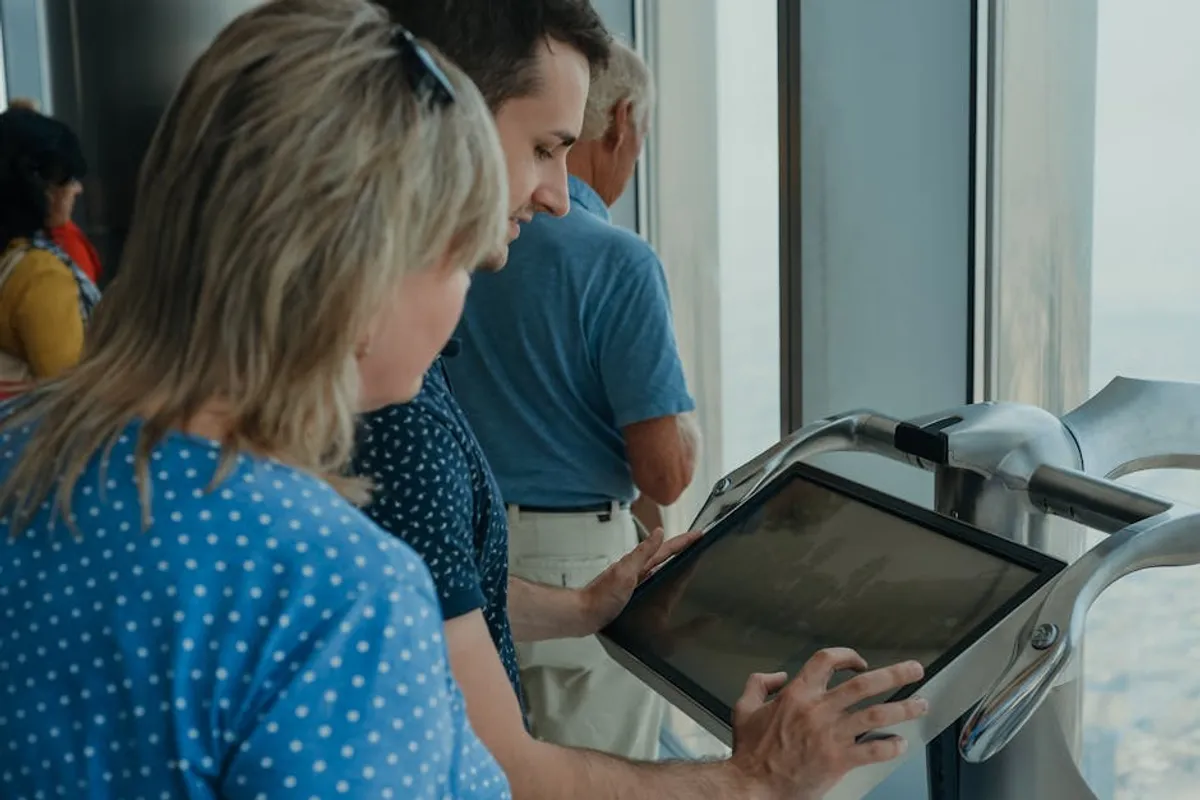
For visitors with limited time, selecting local attractions that deliver significant impact without demanding extensive commitment is crucial. This guide focuses on identifying and evaluating types of local attractions that excel in providing enriching experiences within a short timeframe, typically ranging from 30 minutes to two hours. Understanding the characteristics that define these efficient points of interest allows both travelers to plan effectively and destination marketers to highlight their most accessible and rewarding offerings. The emphasis is on high-value, low-friction experiences that capture the essence of a location swiftly, catering to itineraries that prioritize breadth over depth, or those with tight schedules.
What to Look For in a Short-Visit Attraction
When evaluating local attractions for their suitability for short visits, several key criteria stand out. Prioritize locations that offer a clear, focused experience rather than sprawling complexes. Accessibility is paramount; attractions near public transit, with ample parking, or within walking distance of other points of interest reduce travel overhead. Look for venues with efficient entry and exit processes, minimal queuing, and a self-guided nature that allows visitors to control their pace. High visual impact, unique photo opportunities, or a distinct cultural immersion that doesn't require extensive background knowledge are also strong indicators. Finally, consider attractions that are either free or have a low entry fee, as this minimizes the perceived cost of a brief engagement.
1. The Historic Town Square
Many cities feature a central historic square, often serving as an architectural focal point and community gathering space. These areas are typically open-air, allowing for easy navigation and a quick appreciation of local heritage and design without requiring ticket purchases or extensive indoor exploration. They are ideal for a 30-60 minute walk-through, providing an immediate sense of the city's character and history through its buildings, monuments, and often, the local populace. The design of these squares frequently encourages pedestrian movement and offers various vantage points for observation.
Best For: Visitors interested in urban history, architecture, and people-watching, seeking a low-commitment cultural immersion.
Pros: High accessibility; often free to explore; provides a snapshot of local character; offers numerous photography opportunities; frequently surrounded by cafes or shops for a quick refreshment or souvenir.
Cons: Can be crowded during peak hours, diminishing the sense of tranquility; the depth of experience is limited without a guided tour or prior research; enjoyment is highly dependent on favorable weather conditions.
Verdict: An excellent choice for a rapid cultural overview, offering visual appeal and a tangible sense of place without demanding significant time investment. Its open nature facilitates quick engagement and departure.
2. Botanical Micro-Garden
Distinct from sprawling botanical parks, a botanical micro-garden specializes in a particular plant collection or design theme within a compact footprint. These smaller gardens are curated for intensive visual impact and educational value in a limited space, making them perfect for a 45-90 minute visit. They often feature unique species, specific landscaping styles, or seasonal displays that provide a concentrated aesthetic experience. The contained nature ensures visitors can see all key elements without extensive walking.
Best For: Nature enthusiasts, those seeking tranquil beauty, or individuals looking for a focused horticultural experience without a full-day commitment.
Pros: Provides a peaceful escape; often features rare or unusual plant species; offers strong photographic potential; typically well-maintained and aesthetically pleasing; manageable size ensures comprehensive viewing.
Cons: May have limited appeal outside of specific plant interests; can be subject to seasonal variations in bloom and appearance; some may have small entry fees that feel disproportionate for a very short visit.
Verdict: Offers a concentrated dose of natural beauty and horticultural interest, ideal for a contemplative and visually rewarding short stop. Its focused scope ensures a complete experience in minimal time.
3. Urban Art Alley
An urban art alley, or a designated street art district, transforms public spaces into dynamic open-air galleries. These areas are characterized by murals, graffiti, and installations that are constantly evolving, offering a fresh visual experience with each visit. Typically, these alleys are pedestrian-friendly and can be explored in 30-75 minutes, providing a vibrant, contemporary cultural insight. The informal nature of the art allows for casual viewing and direct engagement without the structure of a traditional museum.
Best For: Art lovers, photographers, and those interested in contemporary urban culture looking for a free, dynamic, and visually stimulating experience.
Pros: Free and accessible; offers unique and often thought-provoking visual content; constantly changing exhibits ensure novelty; provides excellent photo opportunities; often integrates with local cafes or boutiques.
Cons: Art styles may not appeal to all visitors; some areas might feel less safe depending on location and time of day; lack of formal interpretation may leave some visitors wanting more context.
Verdict: A high-impact, low-commitment cultural experience that offers a direct connection to a city's creative pulse. Its ephemeral nature makes it a unique and always-evolving short stop.
4. Specialty Food Market Section
Focusing on a specific section of a larger market, or a smaller, specialized market, allows for a focused culinary exploration within a short timeframe (45-90 minutes). This could be a cheese section, an artisanal bread stall, or a collection of local street food vendors. The appeal lies in the sensory experience – sights, smells, and tastes – and the opportunity to interact with local producers. The goal is to sample specific items or observe the local food culture without traversing an entire, potentially overwhelming, market.
Best For: Foodies, culinary explorers, and those seeking authentic local flavors and interactions with producers.
Pros: Engages multiple senses; offers opportunities for unique food purchases or quick tastings; provides insight into local culinary traditions; often free to enter and browse; supports local businesses.
Cons: Can become very crowded, impacting ease of movement; risk of overspending on impulse purchases; some items may be perishable and unsuitable for extended travel.
Verdict: An excellent way to experience local culture through its cuisine, offering immediate gratification and sensory engagement. It’s a highly efficient way to "taste" a destination.
5. Scenic Overlook Point
A designated scenic overlook provides panoramic views of a city, natural landscape, or significant landmark. These locations are typically designed for visitors to arrive, absorb the view, take photographs, and depart within 20-45 minutes. The value is entirely in the vista, requiring minimal physical exertion or interpretive engagement. Accessibility by vehicle is often a key feature, making it a convenient stop on a driving tour or a quick detour.
Best For: Photographers, sightseers, and those who appreciate grand vistas and an immediate sense of a location's geographical context.
Pros: High visual reward for minimal effort; often free to access; provides excellent photo opportunities; offers a comprehensive perspective of the surrounding area; convenient for quick stops.
Cons: Experience is entirely dependent on weather and visibility; can be crowded, especially at sunset; may lack additional amenities or activities beyond the view itself.
Verdict: A high-impact, low-time commitment option for appreciating the scale and beauty of a location. It's a "point-and-shoot" experience that delivers immediate visual satisfaction.
6. Interactive Museum Wing
Instead of attempting to cover an entire museum, focusing on a single, particularly engaging or interactive wing or exhibit can provide a rewarding short visit (60-120 minutes). Many modern museums design specific sections for high engagement, often with hands-on displays, multimedia presentations, or compelling narratives. By pre-selecting a specific area of interest, visitors can optimize their time, gaining a deep dive into one topic rather than a superficial pass through many.
Best For: Curious learners, families with children, or individuals with a specific interest seeking focused educational or engaging content.
Pros: Offers deep engagement with a specific topic; often features modern, interactive exhibits; provides a structured learning experience; can be climate-controlled, making it suitable in any weather.
Cons: May require an entry fee; risk of being drawn into other sections, extending the visit; specific exhibit availability can change; can be crowded, impacting interaction with displays.
Verdict: A strategic approach to museum visiting that allows for a rich, focused experience without the time commitment of a full museum exploration. Ideal for targeted intellectual stimulation.
7. Local Craft Brewery/Distillery Tasting Room
Many local craft breweries or distilleries offer tasting room experiences that can be completed within 45-90 minutes. This typically involves a flight of samples, a brief explanation of the brewing/distilling process, and the opportunity to purchase products. The focus is on the unique local flavors and the craft behind them, providing a social and sensory experience without a full factory tour. These venues often have a distinct local ambiance.
Best For: Adults interested in local craft beverages, culinary tourism, and social experiences in a relaxed setting.
Pros: Offers unique local products; provides a social and relaxed atmosphere; educational insight into a craft process; opportunity to support local businesses; often includes retail for souvenirs.
Cons: Primarily for adults; consumption of alcohol may limit subsequent activities; can be crowded during peak hours; cost per sample can add up quickly.
Verdict: A highly localized and sensory experience that offers a taste of the region's craft culture. It's a convivial and efficient way to engage with a local industry.
8. Public Sculpture Park (Small Section)
Similar to botanical gardens, focusing on a specific, accessible section of a larger public sculpture park, or a smaller, dedicated sculpture garden, allows for a concentrated artistic experience (45-90 minutes). These parks showcase outdoor art installations, often integrating them with natural landscapes. The open-air setting allows for unhurried viewing and contemplation, with the flexibility to choose which pieces to focus on. They provide a cultural experience that combines art appreciation with a pleasant walk.
Best For: Art enthusiasts, those seeking outdoor cultural experiences, and individuals looking for a contemplative walk amidst artistic creations.
Pros: Often free and open to the public; combines art with nature; offers unique photo opportunities; allows for self-paced exploration and contemplation; suitable for all ages.
Cons: Experience can be weather-dependent; interpretive information may be limited; accessibility to certain sculptures might vary; some parks might be too large to truly experience in a short visit.
Verdict: An accessible and enriching way to engage with art in an outdoor setting. It provides a stimulating visual and intellectual experience without the constraints of indoor galleries.
9. Heritage Railway Stop/Museum Car
Many heritage railways offer specific stops or dedicated museum cars/small exhibits that can be explored independently of a full train journey, making for a 30-60 minute visit. These typically showcase historical locomotives, railway artifacts, or a preserved station building. The appeal lies in the nostalgia and the tangible connection to a past era of transportation. It's a focused glimpse into railway history without the time commitment or cost of a full ride.
Best For: History buffs, railway enthusiasts, and families looking for a unique, tangible historical experience.
Pros: Offers a unique historical perspective; often features impressive machinery; provides a tangible connection to the past; can be very engaging for children; often free or low-cost for the museum portion.
Cons: May have limited appeal for those not interested in trains; specific exhibits can be small; operating hours might be restrictive, especially for smaller sites.
Verdict: A niche but highly engaging option for a short visit, offering a concentrated dose of industrial history and mechanical marvels. It’s an efficient way to connect with a specific aspect of local heritage.
10. Riverside Promenade Segment
A well-maintained segment of a riverside promenade offers a refreshing and scenic walk, ideal for a 30-60 minute visit. These areas often feature public art, small parks, cafes, and views of the river and city skyline. The linear nature allows for easy navigation and a clear sense of progression, while offering multiple points of interest. It's a low-effort way to enjoy outdoor beauty and urban scenery simultaneously.
Best For: Individuals seeking light exercise, scenic views, or a relaxed outdoor stroll, especially those who appreciate urban waterfronts.
Pros: Free and highly accessible; offers scenic views and photo opportunities; provides opportunities for light exercise; often has amenities like benches, cafes, or public art; suitable for all ages.
Cons: Experience is dependent on weather; can be crowded during peak times; may lack specific "attractions" beyond the walk itself; can be less engaging for those seeking structured activities.
Verdict: A simple yet effective way to enjoy a city's natural and urban landscapes in a short timeframe. It's a refreshing and accessible option for a quick outdoor break.
11. Unique Independent Bookstore
A highly curated or architecturally distinctive independent bookstore offers more than just books; it provides a cultural atmosphere and a unique browsing experience that can be savored in 30-60 minutes. These stores often specialize in particular genres, host local author events, or feature unique design elements that make them destinations in themselves. The focus is on the ambiance and the discovery of niche literary interests, rather than a quick purchase.
Best For: Book lovers, literary enthusiasts, and those seeking a quiet, culturally rich indoor experience.
Pros: Offers a calm and intellectually stimulating environment; supports local businesses; provides unique literary finds; often features interesting architecture or interior design; can be a good option in any weather.
Cons: May not appeal to non-readers; can be easy to lose track of time and extend the visit; specific interests may not be catered to in every store.
Verdict: A charming and intellectually engaging option for a short visit, offering a peaceful retreat and a tangible connection to local literary culture. It’s a sensory experience for the mind.
12. Community Farmers' Market (Specific Stall Focus)
While a full farmers' market can take hours, focusing on a specific type of stall or a small cluster of stalls allows for a concentrated and efficient visit (45-75 minutes). This could involve sampling local produce, specialty baked goods, or handmade crafts. The goal is to experience the vibrant atmosphere and local offerings without feeling overwhelmed. It's an opportunity for direct interaction with local producers and a taste of the community's agricultural or artisanal output.
Best For: Supporters of local agriculture, food enthusiasts, and those seeking unique artisanal products and community engagement.
Pros: Offers fresh, local produce and unique artisanal goods; provides direct interaction with producers; contributes to the local economy; vibrant and community-focused atmosphere; often free to browse.
Cons: Often only operates on specific days/hours; can be very crowded, impacting ease of movement; weather-dependent if outdoors; can be easy to make impulse purchases.
Verdict: A dynamic and sensory-rich short visit that provides a direct connection to local food systems and artisanal talent. It's an efficient way to experience community vibrancy and local products.
Optimizing for Short Visits: Choosing and Presenting Attractions
For destination marketers and site owners, effectively presenting these short-visit attractions is critical. Highlight clear value propositions: what unique experience is offered, and how long does it typically take? Use high-quality, evocative imagery that captures the essence of the attraction quickly. Provide practical information upfront, such as accessibility, operating hours, and whether an entry fee is required. Consider creating curated "mini-itineraries" that link several short-visit attractions together, optimizing visitor flow and encouraging exploration of a specific district. For the attractions themselves, optimizing visitor flow, providing clear signage, and offering concise interpretive materials enhance the short-visit experience. Success can be measured not just by visitor numbers, but by engagement metrics like social media mentions, review sentiment, and the perceived satisfaction of visitors who spent a limited time.
Frequently Asked Questions About Short-Visit Attractions
Q: How do I find local attractions suitable for short visits?
A: Look for attractions that are geographically compact, have a clear central theme, or are known for specific, high-impact features. Online search filters for "things to do near me" often include options like parks, historic markers, or small galleries. Check local tourism websites for "quick stops" or "must-see in an hour" lists.
Q: What's the ideal duration for a "short visit"?
A: A short visit typically ranges from 30 minutes to two hours. This allows enough time to engage with the attraction meaningfully without feeling rushed or requiring a significant portion of the day.
Q: Are short-visit attractions usually free?
A: Many short-visit attractions, such as public squares, art alleys, or scenic overlooks, are free. Others, like specific museum wings or tasting rooms, may have a modest entry fee or cost associated with samples. Always check in advance.
Q: Can I combine multiple short-visit attractions in one day?
A: Absolutely. This is a highly effective strategy for maximizing exploration. Group attractions that are geographically close to minimize travel time between them. Many cities are designed to allow for easy transitions between different points of interest.
Q: What should I bring for a short visit?
A: Minimal items are usually best. A camera or smartphone for photos, comfortable shoes if walking is involved, and potentially a small bottle of water. For outdoor attractions, consider weather-appropriate gear like a light jacket or umbrella.